

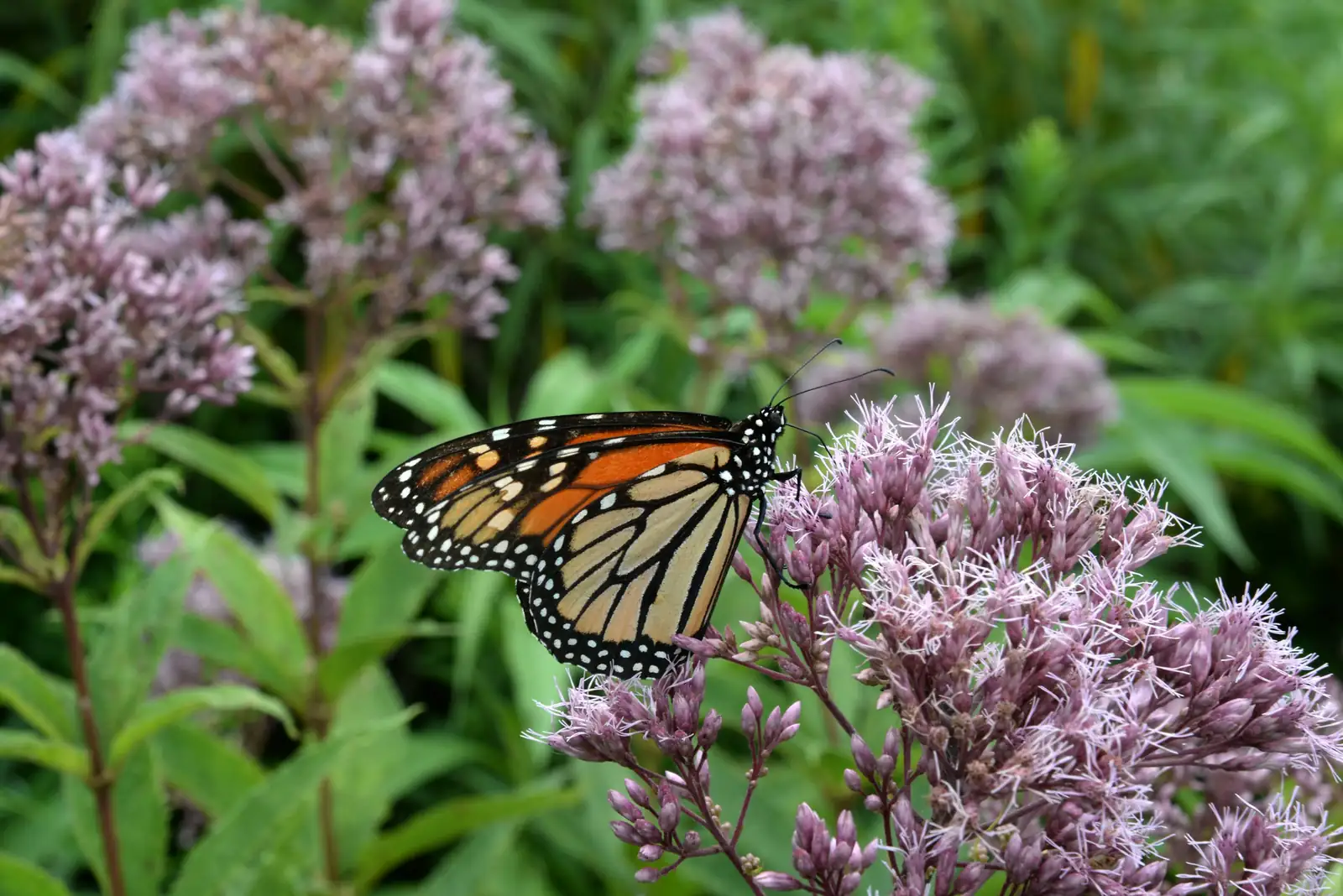
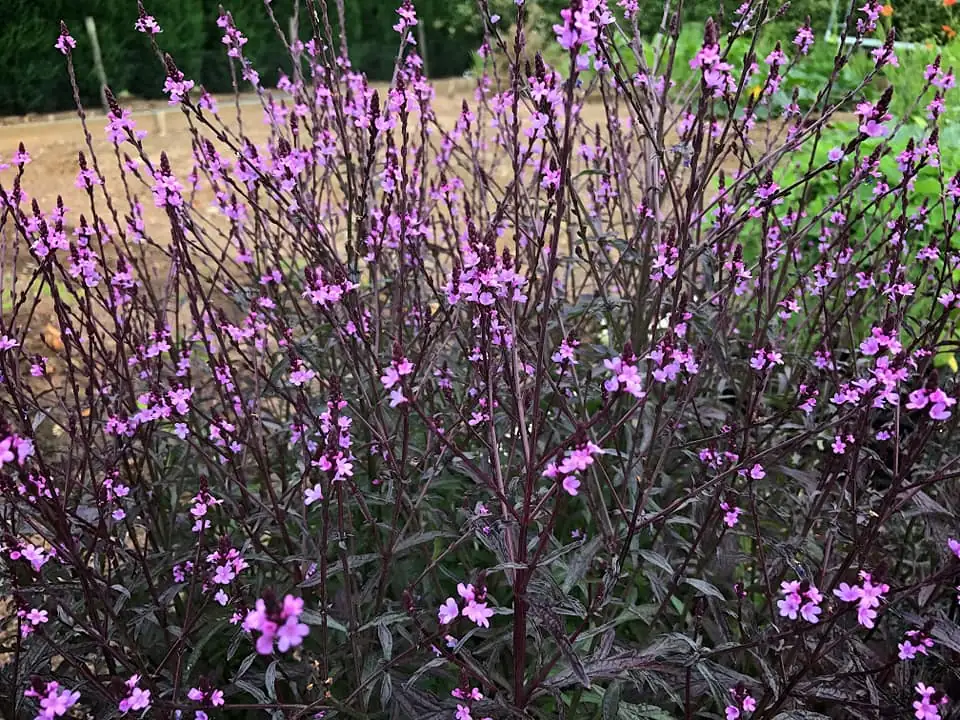
Meet Common Vervain (Verbena officinalis L.): a wiry, meadow-charming perennial with square stems and gauzy spires of mauve to blue‑purple blooms that hum with pollinators from late spring into fall. It’s easygoing, happy in full sun and well‑drained soil, and quite content to self-seed politely. Below is your practical, zone‑savvy year-round calendar—exactly when to plant, feed, deadhead, water in heat, collect seed, and tuck it in for winter across USDA Zones 4–11, plus reliable overwintering tactics for cold or wet regions.
How Vervain Thrives (the quick profile)
- Sun: Full sun is best (6–8 hours daily) for stout growth and the most flowers.
- Soil: Well-draining, moderately fertile, slightly acidic to neutral (pH ~5.8–7.2). Handles limey soils well.
- Water: Even moisture once established—about 0.5–1 inch per week in the growing season; let the surface dry slightly between waterings and never let it sit soggy.
- Feeding: Light hand. A small spring boost is usually enough; optional mid‑summer top‑up.
- Habit and bloom: Upright, airy, late spring to early fall, peaking in summer. Short‑lived perennial (often 2–3 years) but may self‑seed.
- Hardiness: Reported across Zones 4–11, but most reliable as a returning perennial in roughly Zones 7–10. Winter wet is the enemy.
Your Year With Common Vervain: a practical calendar for Zones 4–11
Tip: Shift dates to your last‑frost timing. “Plant out” means after danger of frost has passed and soil is workable.
Spring: wake-up and planting
- When to start seeds
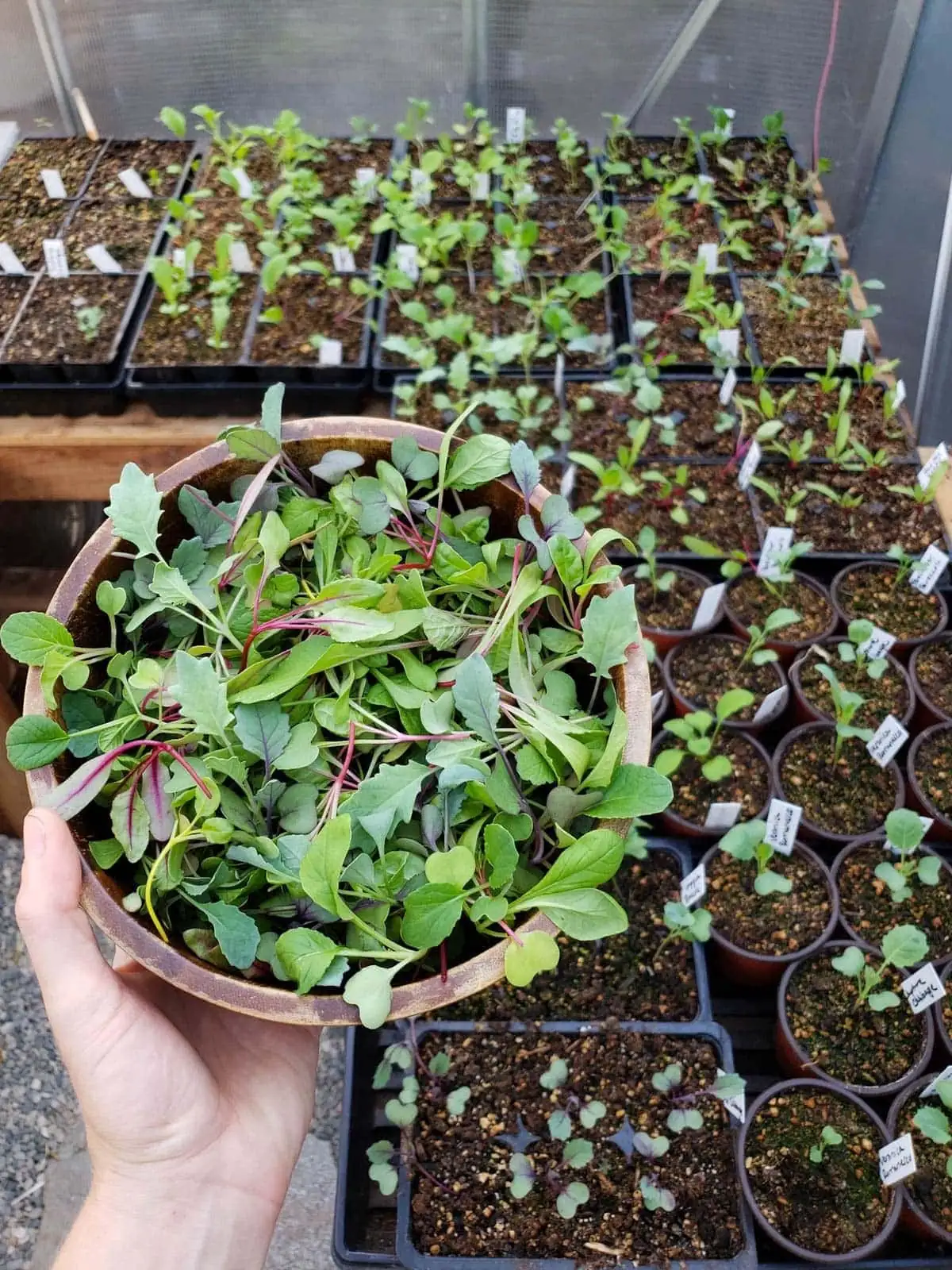
- Indoors: 8–10 weeks before your last frost (Zones 4–8 often late winter to early spring; Zones 9–11 late winter).
- Direct sow: After last frost once soil warms.
- When to plant out
- Zones 9–11: Late winter to early spring.
- Zones 7–8: Early to mid‑spring.
- Zones 4–6: Mid‑ to late spring (after frost).
- Feed lightly
- Mix compost into planting holes or top‑dress established clumps.
- Apply a light dose of balanced, slow‑release fertilizer once after planting or early growth flush.
- Alternatively, use a water‑soluble feed every 4–6 weeks during active growth (light strength).
- Watering while establishing
- Keep evenly moist, not soggy, for the first 4–6 weeks; water at the base, mornings preferred.
- Shaping and propagation
- Pinch or tip back if stems look lanky.
- Take 4–6 in stem cuttings late spring to early summer.
- Divide mature clumps in early spring if needed (also fine in early fall).
Summer: bloom on repeat

- Water during heat
- Baseline: 0.5–1 inch/week total (rain + irrigation).
- In heat waves, check soil more often; give a deep soak when the top inch is dry. Morning watering reduces stress and disease.
- Containers: Dry faster—often need watering every 1–3 days in hot spells; ensure excellent drainage.
- Deadhead for nonstop flowers
- Snip off spent spikes weekly.
- If plants get airy or tired, shear lightly by about one‑third; they rebound with fresh bloom.
- Optional mid‑summer feed
- A second, light application of slow‑release fertilizer, or a couple of water‑soluble feeds a few weeks apart, keeps bloom density up—don’t overdo it.
- Watch airflow
- Space plants to reduce powdery mildew; avoid frequent overhead watering late in the day.
Fall: seed, divide, and set the stage for winter
- Collect seed
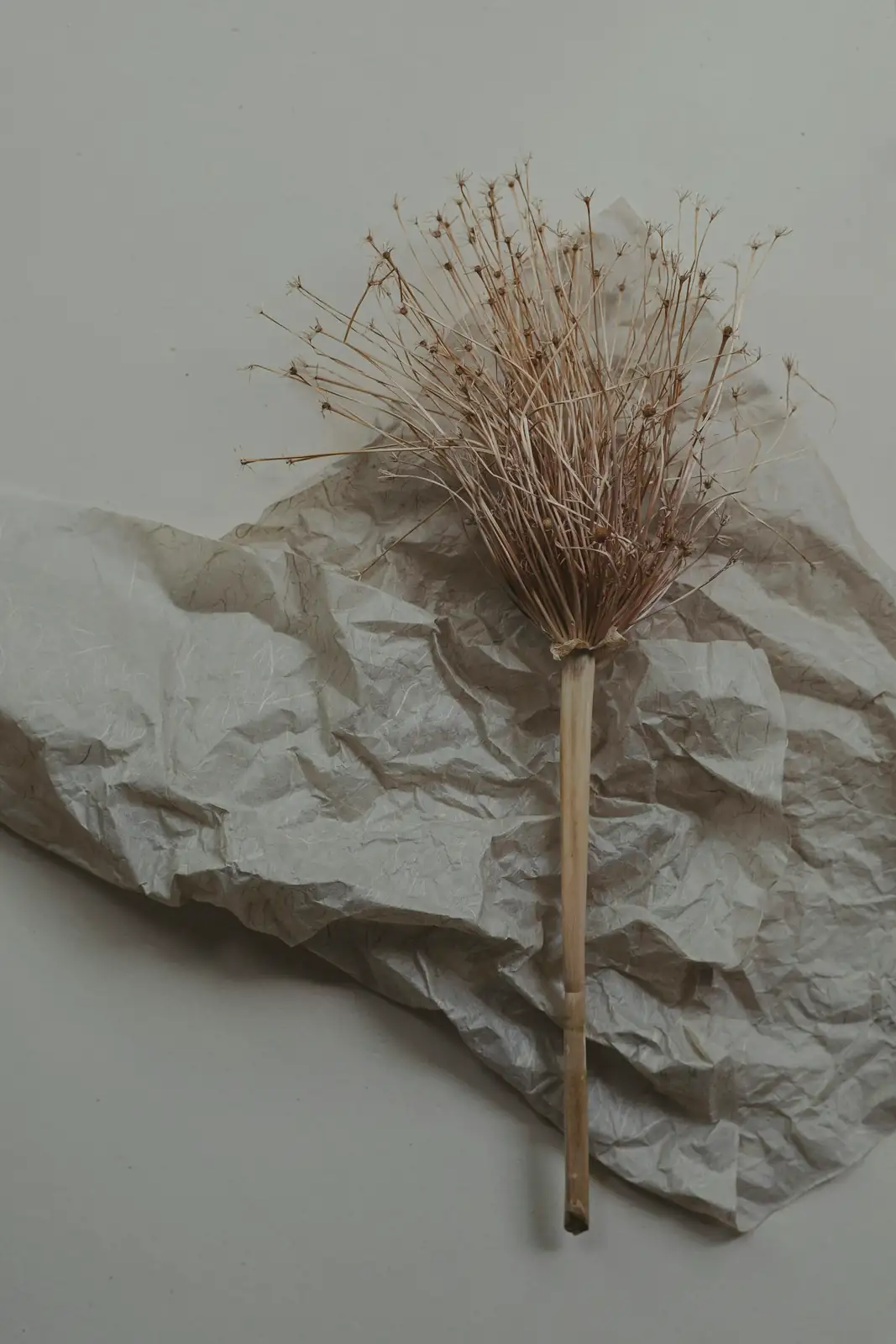
- Let some late spikes mature and turn brown. Clip into a paper bag and finish drying indoors.
- Rub out the tiny nutlets and store cool and dry; label by species and year.
- Divide/transplant
- Early fall is a good window in many regions—give 6–8 weeks before the ground freezes in cold zones.
- Watering taper
- Reduce frequency as nights cool but don’t let new divisions dry out.
- Feeding
- Stop regular feeding; high nitrogen this late encourages soft growth that winters poorly.
Winter: protection and cut‑back
- Mulch and cut back
- Zones 7–10: A light mulch (2–3 in) over the root zone after the first hard frost is often enough.
- Zones 4–6: Mulch a bit deeper (3–4 in) once the ground is cold, not warm. Leave some stems standing to catch snow and protect the crown; cut back hard in late winter/early spring.
- Waterlogged soils are risky—prioritize drainage over heavy mulch.
- Final pruning
- In late winter or early spring, remove dead growth and cut stems back by about one‑third to spark a bushier flush.
Overwintering tactics that actually work
- Cold-winter strategy (Zones 4–6)
- Drainage, drainage, drainage: raise the crown, use gravelly amendments, and avoid winter‑wet beds.
- Mulch after soil cools, not before (to prevent vole tunneling and rot).
- Insurance policy: Let a few spikes set seed; volunteers often repopulate even if the parent clump fails.
- Pot rescue: In very cold spots, lift a division to a pot in fall and overwinter in a cold frame, bright unheated porch, or garage just above freezing. Water sparingly—keep barely moist.
- Wet-winter strategy (maritime or heavy clay areas)
- Plant on berms or in raised beds; mix in grit or sharp sand to keep the crown high and dry.
- Use a thin, airy mulch (fine gravel is excellent) right around the crown to shed water.
- Avoid dense organic mulch piled at the stem base; it invites rot.
- Container strategy (any zone)
- Choose a free‑draining mix and a pot with big drainage holes.
- In Zones 4–6, shift pots to a sheltered, unheated spot; protect from repeat freeze–thaw. Water just enough to prevent bone‑dry root balls.
- In Zones 7–10, most containers overwinter fine outdoors if they don’t sit in winter puddles.
Heat-wave watering playbook
- Water at dawn for cooler uptake and drier foliage by night.
- Probe the top inch of soil; if dry, water deeply at the base.
- Add a 2–3 in mulch in late spring to buffer summer heat (keep a small gap around stems).
- In extended drought, a second deep soak mid‑week beats frequent light sprinkles.
- Improve airflow; still, humid heat invites mildew.
Deadheading, shearing, and shape
- Deadhead often: snip the faded inches of the spike, cutting back to a lower pair of leaves.
- Midseason shear: if bloom spikes thin out, shear by about one‑third to trigger a fresh flush.
- Late season: stop heavy deadheading when you want seed; leave several spikes to ripen.
Sowing and saving seed, step by step
- Starting indoors
- Sow 8–10 weeks pre‑frost in a free‑draining seed mix; just cover the seed.
- Bright light and even moisture (not soggy) help germination; prick out to cells once you see good roots.
- Direct sowing
- After frost, into raked, well‑drained soil; keep evenly moist until established.
- Saving seed in fall
- Harvest when spikes are brown and papery; bag to catch shattering nutlets.
- Clean, label, and store dry and cool. Expect some self‑seeding next spring if you let a few spikes stand.
Troubleshooting quick list
- Sparse bloom: Increase sun to 6–8 hours, lighten up on nitrogen, deadhead more consistently.
- Powdery mildew or botrytis: Improve spacing/airflow, water at soil level, avoid evening overhead watering.
- Pests (aphids, mites, whiteflies, thrips, scale): Blast with water, or use insecticidal soap or neem as needed.
- Winter losses: Improve drainage, reduce mulch at the crown, and rely on self‑seeding or fall divisions as backup.
Where Common Vervain looks best
- Sunny borders, cottage or meadow plantings, rock gardens, xeriscapes, and the wilder edges—hillsides, stream margins, and open woodland margins—where its airy texture reads naturally.
Safety notes
- Generally low risk ornamentally. Traditional internal use exists, but avoid ingesting during pregnancy. As with many “verbena” relatives, pet sensitivity varies—discourage chewing and consult a vet if ingestion occurs.
A small note on symbolism (flower language)
- Vervain has carried an outsized cultural aura for millennia—linked in folklore to peace, protection, loyalty, and justice. In Victorian floriography, it could say “pray for me” or even “you have bewitched me,” reflecting its long life in ritual and folk medicine. Treat flower language as cultural storytelling rather than botanical science—meaning shifts across eras and regions, but the throughline is reverence for a plant seen as both healing and protective.
At-a-glance by zone
- Zones 4–6
- Start seeds indoors late winter; plant out late spring.
- Mulch 3–4 in after soil cools; prioritize drainage.
- Expect it to behave as a short‑lived perennial or reseeding annual; let a few spikes seed.
- Zones 7–8
- Plant out early to mid‑spring; light spring feed; optional mid‑summer top‑up.
- Mulch 2–3 in; cut back in late winter/early spring by about one‑third.
- Zones 9–11
- Plant late winter to early spring; water during dry, hot spells for best bloom.
- Winter protection is mainly about avoiding soggy soil; light mulch is sufficient.
With a sunny seat, sharp drainage, and a light hand on water and fertilizer, Common Vervain will flower for months, invite pollinators, and return—by root or by self‑sown seed—to keep the show rolling year after year.


