


Chinese roses are famous for their stamina: long seasons of color, repeat flushes, and a will to keep performing if you give them sun and steady care. But in cold climates, winter is the real exam. Think of this as your Chinese Rose survival kit—practical, field-tested steps to get Rosa chinensis (and its many cultivars) across the freeze-thaw gauntlet and roaring back in spring.
Know your rose, know your winter
- What you’re growing: Rosa chinensis is a woody, repeat-blooming shrub and a key ancestor of modern garden roses. It thrives in full sun (6–8+ hours) with rich, well-drained soil and good airflow.
- Hardiness snapshot: Many cultivars handle roughly USDA Zones 5–9, but tolerance varies by selection and rootstock. Plants commonly go dormant below about 5°C (41°F). With smart protection, even tougher winters are survivable.
- Grafted vs. own-root: If your rose is grafted, the bud union (the swollen join between rootstock and scion) needs special protection. Own-root plants may resprout from the base if tops are winter-killed—but still benefit from all the steps below.
- In pots? Containers freeze harder and faster than garden soil. A rose that’s hardy in the ground may act 2–3 zones less hardy in a pot. Plan extra protection for container plants.
The cold-climate survival kit
1) Mulching that matters
Cold kills, but so do freeze–thaw flips that heave roots and desiccate canes. Mulch is your shock absorber.
- When to mulch: Wait until after the first hard frost when the top few centimeters of soil are consistently cold. Mulching too early can trap warmth and encourage soft growth that frost will nip.
- How deep and with what:
- Spread 7–10 cm (3–4 in) of organic mulch (shredded leaves, straw, pine needles, or composted bark) over the root zone.
- In zone 5–6 conditions or exposed sites, mound an extra 10–15 cm (4–6 in) over the crown. For grafted roses, ensure the mound fully covers the bud union.
- Pro tip: Use loose, airy materials that insulate but don’t stay soggy. Waterlogged mulch invites rot; dense, wet mounds conduct cold.
2) Guard the graft union
If your plant is grafted, the union is the most valuable square inch in your garden.
- Before deep cold: After that first hard frost, pull mulch right up over the union, mounding to 15–20 cm (6–8 in). Leaf mold or compost mixed with shredded leaves works beautifully.
- Planting tip (future-proofing): In very cold climates, setting the graft 3–5 cm (1–2 in) below soil level at planting adds built-in protection.
- Standards/tree roses: The straight, grafted “trunk” is vulnerable. Wrap it loosely with burlap stuffed with dry leaves, and mound mulch at the base.
3) Shelter for container roses
Potted roses are the athletes on the sideline—keep them safe until they’re ready to play again.

- Best options (choose what fits your space):
- Sink and blanket: Heel pots into a garden bed or compost heap up to the rim, then mulch heavily and add a burlap windbreak.
- Group and wrap: Cluster containers against a south or east wall. Wrap the cluster with burlap or frost cloth, and stuff the gap with dry leaves or straw. Add pot feet so drainage stays free.
- Cold storage: Move pots to an unheated garage/shed where temps hover just above freezing to about 0–7°C (32–45°F). Too warm and they won’t stay dormant; too cold and the root ball can freeze solid.
- Go bigger: Larger containers buffer cold better than small ones. Keep pots out of wind tunnels and away from de-icing salts.
4) Watering during dormancy: light and right
Dormant roses don’t drink much, but a bone-dry root ball is winter’s silent killer—especially in pots.
- In-ground: Water lightly before the ground freezes, then as needed during winter thaws to keep the root zone just barely moist.
- In containers: Check monthly. If the medium is dry several centimeters down, water sparingly on a mild day so excess drains freely. Never leave pots sitting in saucers of water.
- Always water at the base. Keeping canes and any lingering foliage dry reduces fungal pressure.
5) Hands off the pruners (for now)
Early pruning is a classic cold-climate trap: it sparks tender new shoots that late frosts will burn back.
- Do now:
- Remove only what’s clearly dead, broken, or diseased.
- Tie taller canes loosely to prevent wind rock, which can loosen roots.
- Clean up fallen leaves to reduce black spot and mildew spores overwintering.
- Save for later:
- Major shaping and size reduction should wait until late winter to early spring—just before bud break. That’s your moment for confident cuts that trigger strong new flowering shoots.
Timing your moves: an easy seasonal rhythm
- Late summer to early autumn
- Taper fertilizer so you don’t push soft, frost-tender growth.
- Keep sun exposure high to ripen canes.
- After first hard frost
- Strip any lingering diseased leaves from the plant and soil.
- Tie canes, then mound mulch—especially over graft unions.
- Deep winter
- Maintain light moisture, protect from wind, and keep container roses just above freezing.
- Early spring
- Gradually pull mulch back as the soil thaws.
- Resume feeding gently as new roots wake up.
- Do your major pruning right before buds break.
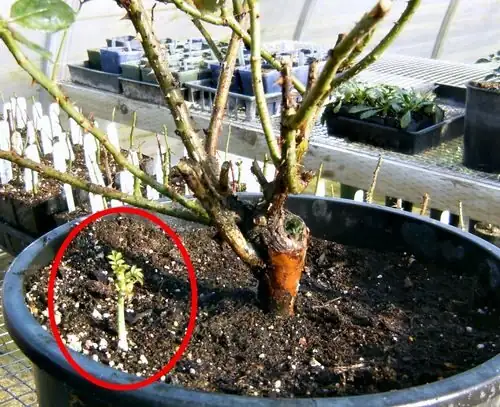
- Watch for rootstock suckers on grafted plants and remove them promptly.
Wind, wrap, and weather hacks
- Windbreaks: A simple burlap screen on the windward side can reduce desiccation dramatically without smothering the plant.
- Snow is a friend: Natural snow cover insulates. Don’t knock it off unless it’s bending or breaking canes.
- Ventilation matters: Even in winter, avoid sealing roses in plastic. Trapped moisture + thaw cycles = trouble.
A quick cold-climate cheat sheet by situation
- Ground-grown, Zone 6-ish garden bed:
- Mulch 7–10 cm (3–4 in) over root zone; mound 10–15 cm (4–6 in) over the crown/graft.
- No major pruning until late winter/early spring.
- Ground-grown, colder or exposed sites:
- Thicker mounding over the union, add a burlap windbreak, consider light cane wrapping in extreme exposures.
- Containers anywhere that freezes:
- Prioritize cold storage (0–7°C / 32–45°F) or heel-in and heavy mulch. Monitor moisture monthly.
Spring wake-up: set the stage for a marathon bloom

- Sun first: Move containers back to full sun the moment the worst cold passes.
- Feed thoughtfully: Start with a mild, balanced rose fertilizer as growth begins, then feed regularly through active growth.
- Prune for power: Late-winter/early-spring pruning to shape and open the center pays you back with stronger, better-placed flowering shoots.
- Stay clean and airy: Water at the base, promote airflow, and remove spent blooms to keep those repeat flushes coming from late spring into autumn.
Why this works (and why your rose will thank you)
Mulch levels out temperature swings; protecting the graft preserves your plant’s identity; light winter watering prevents root desiccation; and delaying pruning dodges frost-bite on tender new growth. Together, they shift winter from a roll of the dice to a manageable season—so your Chinese Rose can do what it was bred to do: bloom again and again.
A small note on symbolism
Roses often symbolize love, beauty, appreciation, and renewal. That last one fits Chinese roses uncannily well: their enduring, repeat bloom is less a superstition and more a lived truth in the garden. “Flower language” traditions vary by culture and era, but the deeper meaning here is simple—resilience. Treat your plant well through the cold months, and it will write its own love letter in petals come spring.
Quick safety reminder: canes carry prickles, so wear gloves and long sleeves when mounding mulch, wrapping canes, or pruning.
With a little planning and a few bags of mulch, you’ll turn winter from the enemy into an ally—and welcome Rosa chinensis back to center stage, rested and ready.