

Discovering the Delightful Zinnia Elegans: A Floral Marvel
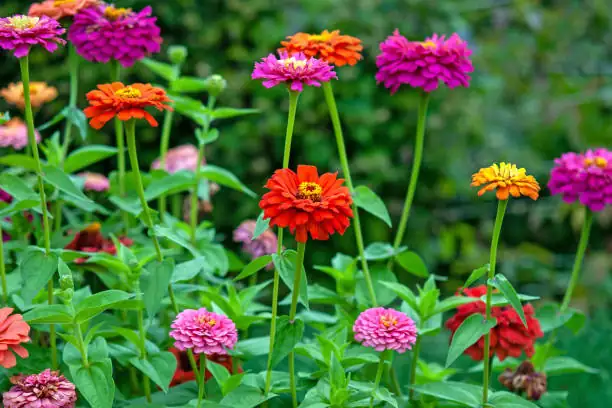
Imagine a garden filled with vivid colors that seem to dance under the summer sun. This is the world of Zinnia elegans, commonly known as the Common Zinnia or the whimsically named ‘Youth-And-Old-Age.’ This cheerful annual blooms like a parade of vibrant hues, captivating gardeners and butterflies alike. From its humble origins in Mexico to its cosmic adventures in space, Zinnia elegans is a plant that truly spans worlds.
Physical Traits that Make Zinnia Elegans Stand Out
Zinnia elegans stands tall and proud, typically growing between 30 to 100 cm (1 to 3 ft) tall, depending on the variety. Its upright, branching habit is supported by a robust root system, making it a sturdy choice for garden beds and borders. The leaves, broad and oval to oblong-elliptic, provide a textured backdrop that highlights the plant’s crowning glory—its daisy-like blooms.
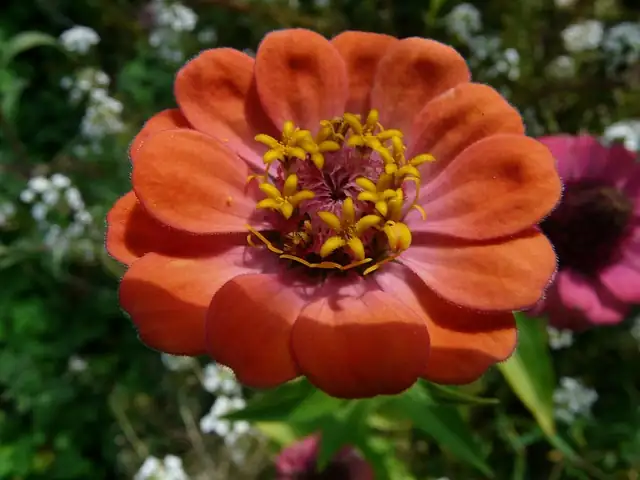
These blooms are a kaleidoscope of colors, with ray florets ranging from deep red and rose to purple and pristine white, all encircling a center of sunny yellow to orange disc florets. The flowers can vary from simple singles to fully double, ruffled forms, offering endless variety for the garden enthusiast.
A Bloom for All Seasons
Zinnia elegans is a plant that knows how to make a statement, blooming continuously from June to September, often lasting until the first frost. This makes it a perfect choice for those who want to enjoy a long-lasting floral display.
The Space Traveler: Zinnia Elegans Blooms Beyond Earth
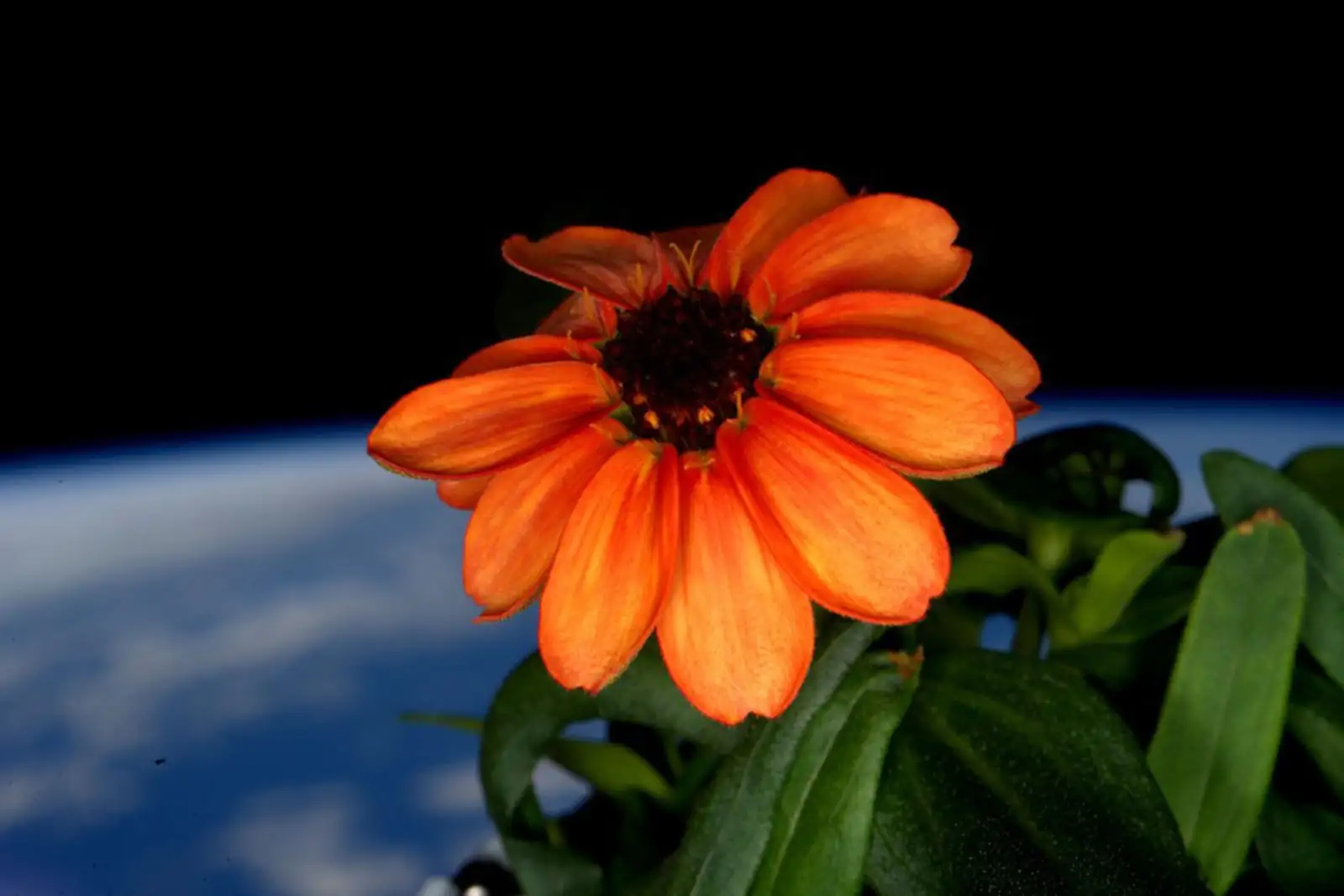
Zinnia elegans isn’t just an earthly delight; it’s also a pioneer in extraterrestrial gardening. In 2016, this resilient plant became one of the first flowers to bloom on the International Space Station, showcasing its adaptability and the possibilities of plant life beyond our planet. Imagine the joy of seeing these vibrant flowers amidst the vastness of space—a testament to the endurance and beauty of life.
The Charming ‘Youth-And-Old-Age’ Nickname
The nickname ‘Youth-And-Old-Age’ might sound like something from a fairy tale, and in a way, it is. This moniker comes from the plant’s habit of producing fresh, vibrant blooms even as older flowers fade, creating a striking juxtaposition of life stages on a single plant.
Growing Zinnia Elegans: A Gardener’s Best Friend
Zinnia elegans is celebrated for its ease of growth, making it an excellent choice for both novice and experienced gardeners. Here are some tips for cultivating these colorful blooms:
- Sunlight: Zinnias love the sun and thrive best with at least six hours of direct light daily.
- Soil: Plant them in fertile, well-draining soil enriched with organic matter.
- Watering: Keep the soil lightly moist, especially during establishment. Once established, they can tolerate short dry spells but appreciate consistent moisture during hot periods.
- Fertilization: A balanced fertilizer supports healthy growth, but avoid overfeeding with nitrogen to prevent excessive leafy growth at the expense of flowers.
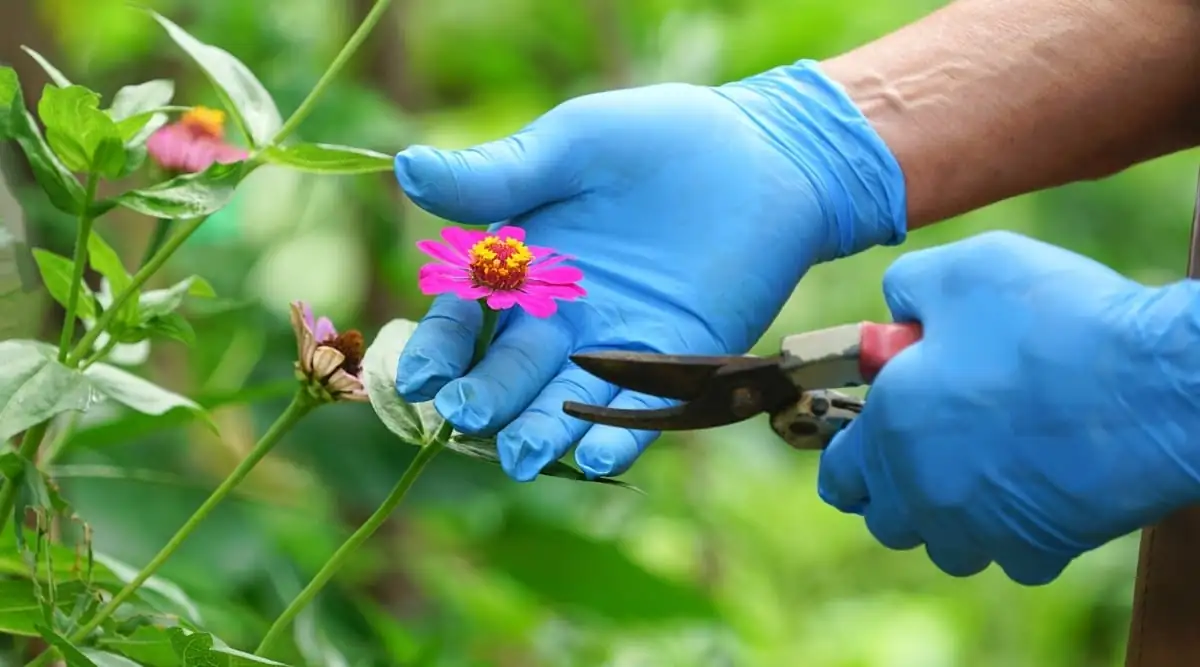
- Pruning: Pinch young plants to encourage branching and deadhead regularly to promote continuous blooming.
Fun Facts and Symbolism of Zinnia Elegans
Zinnias are not just about looks; they also carry rich symbolism and fun facts:
- Symbolism: Zinnias are often associated with endurance, strong friendship, and long-lasting affection, reflecting their ability to bloom over a prolonged period.
- Fun Fact: They can produce impressively large blooms, with some varieties reaching up to 15 cm (6 in) across.
- Cultural Impact: Historically, zinnias were considered “ugly to the eye” by early European settlers, but today, they are cherished for their beauty and resilience.
In conclusion, Zinnia elegans is more than just a pretty face in the garden. It is a symbol of resilience, a testament to the joys of gardening, and an inspiration that even the simplest blooms can reach for the stars. Whether you’re a seasoned gardener or just starting out, Zinnia elegans offers a vibrant splash of color and a touch of magic to any garden.


