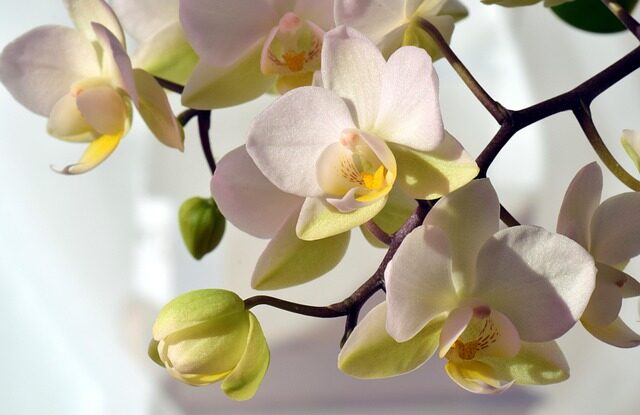
Cymbidiums are the luxe, winter-spring orchids that reward smart shoppers and gentle handlers. Bring home the right plant, keep it cool and comfy that first week, and you’ll be admiring those waxy, fragrant blooms for ages instead of sweeping up fallen buds.
Smart shopper’s checklist (buying a Cymbidium that thrives at home)
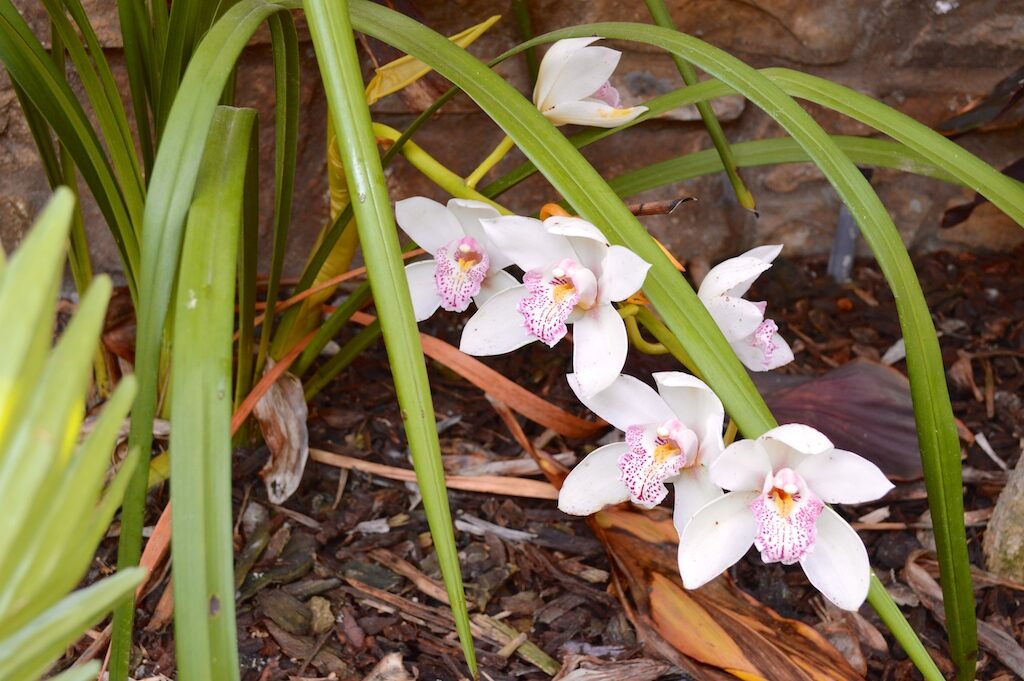
- Choose flowers that are partly open
- Pick a plant with several open blooms and the rest in mid-stage—not a spike packed with tight green buds. Freshly moved Cymbidiums can drop buds when conditions change; open flowers ride out the transition far better.
- Inspect spikes and blooms
- Blooms should be glossy, evenly colored, and free of spotting or bruises. Avoid petals with small dark pin-spots (could be fungal blemishes) or translucent patches.
- Check pseudobulbs (the “storage tanks”)
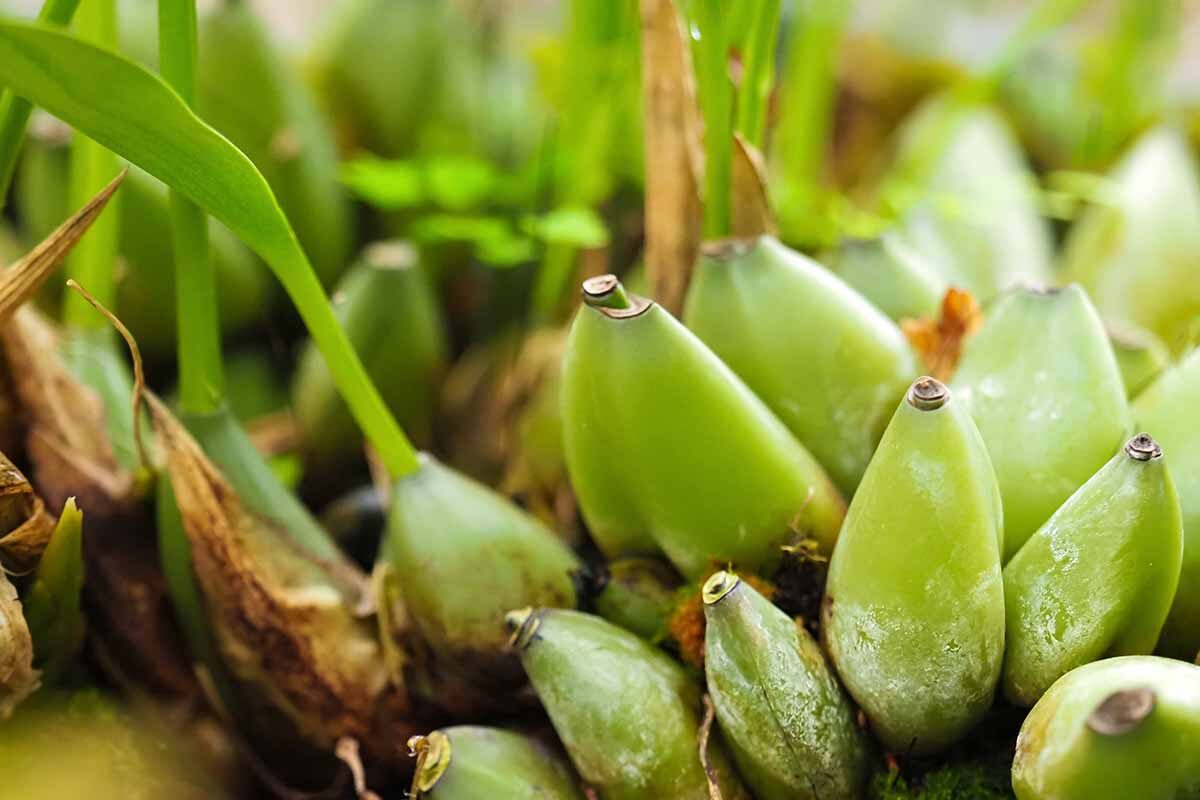
- Look for multiple, firm, plump pseudobulbs; skip plants with many shriveled or “accordion” bulbs. A healthy clump has mature bulbs plus a few newer leads for next season.
- Peek at the roots and potting medium
- Through drainage holes or by gently lifting the rim, you want firm, pale-to-silvery roots with green tips—not mushy or brown. The mix should be a free-draining orchid bark blend, airy and fresh-smelling, never sour or compacted like regular potting soil.
- Read the foliage
- Leaves should be arching, medium to deep green, with no sticky residue (pest sign), and minimal black or rust-like spots. Light leaf tip browning is fine; widespread spotting is not.
- Size and stance
- Compact to medium cultivars are easiest indoors and less likely to topple. The plant should sit securely in its pot, not wobbling (a wobble can mean poor root anchoring).
- Ask two quick questions
- How has it been grown and held? Cool, bright conditions are ideal, and a plant accustomed to that is less likely to abort buds.
- When was it last watered? You want a steady, not soggy, rhythm—waterlogging weakens roots.
Pro tip: If you’re choosing between two similar plants, pick the one with more mature pseudobulbs and at least one new, strong lead. That’s next year’s bloom insurance.
Getting it home without drama

- Keep it cool, not cold
- Aim for a comfortable 10–18°C (50–65°F) in transit. Avoid a baking-hot car or a freezing blast. Don’t leave it in the trunk or under a windshield.
- Shield the spikes
- Wrap flowers loosely in paper, support the stem, and prevent blooms from rubbing against each other—mechanical scuffs show up fast on Cymbidium petals.
- Secure it upright
- Buckle the pot in or wedge it in a box so it doesn’t tip. Jostling bruises buds and can kink the spike.
- Steer clear of ethylene
- Keep your plant away from ripening fruit and cigarette smoke on the ride home—ethylene gas can trigger bud drop.
The first-week “no bud-drop” plan
Give your new Cymbidium a gentle landing. Think bright, cool, evenly moist, and well-ventilated—without sudden changes.
Placement and climate

- Light: Bright light to bright filtered sun. An east or lightly filtered south window is great; use a sheer curtain if the sun is intense.
- Temperature: Ideal is cool-to-mild, about 10–25°C (50–77°F). Newly purchased plants often settle beautifully around 15°C (59°F) near a bright window. Avoid hot, stuffy rooms.
- Airflow and humidity: Cymbidiums love fresh air movement and higher humidity (aim high—70–80% if you can). Use a humidity tray or humidifier, and mist lightly 1–2 times daily without letting water sit in the crown. Always pair humidity with gentle airflow.
Watering and feeding
- Watering: Keep the medium slightly moist—never soggy. In winter, watering about every 4–5 days is typical; adjust to your conditions. Let excess water drain freely and never leave the pot standing in water.
- Feeding: Hold fertilizer the first week while the plant settles, then resume dilute orchid feed during active growth. Many growers feed weekly when the plant is pushing new leaves and roots; during flower spike/bud initiation, keep it light (often weekly in active growth, sometimes reduced toward monthly if growth slows). Pause feeding in winter or whenever growth markedly slows.
Hands-off handling
- Don’t repot now: Repotting right after purchase is a top cause of bud drop. Wait until flowering finishes.
- Minimize movement: Park the plant, don’t rotate it daily; sudden light-angle changes can confuse developing buds.
- Stake gently: If a spike leans, add a soft tie and stake for support.
- Quarantine and inspect: Watch for scale, whiteflies, or aphids; treat early with horticultural oil or insecticidal soap if needed.
Ongoing care essentials (after week one)
- Light and seasons
- Spring and autumn: Bright light; water about twice weekly to keep the mix evenly moist and airy.
- Summer: Provide 50–60% shade and strong airflow; water thoroughly in the morning (and again in the evening if it’s very hot) while ensuring fast drainage.
- Autumn shift: Move to a brighter, well-ventilated spot to support spike initiation.
- Temperature
- Keep within ~10–25°C (50–77°F). Cool nights help flowering. Frost-tender—keep above 10°C (50°F).
- Water and humidity
- Evenly moist, never waterlogged. If indoor air is dry, boost humidity and airflow to ward off leaf spots and botrytis.
- Feeding cadence
- During active new growth: dilute feed weekly.
- During spike/bud initiation: continue light feeding; adjust frequency to growth speed (weekly in active growth, sometimes monthly if growth slows).
- During flowering/pseudobulb swelling: dilute liquid feed about once per week is common.
- Stop in winter or when growth slows markedly.
- Grooming and repotting
- After flowering: Cut spent spikes promptly. This is also the best window to repot (often around April), refreshing the bark mix and trimming dead or hollow roots. A tall pot around 15 cm wide x 20 cm deep (6 x 8 in) suits Cymbidium roots well.
- Propagation by division
- Divide after flowering, separating sections of about 3–4 pseudobulbs with a sterilized knife. Remove yellow leaves and damaged roots; pot into fresh, free-draining orchid medium.
Troubleshooting: fast fixes for common hiccups
- Buds shrivel or drop
- Likely causes: heat spikes, stuffy air, low humidity, abrupt moves, ethylene exposure, or over/underwatering.
- Fix: Cool, bright placement, stable moisture, improved airflow and humidity, and keep away from fruit bowls and smoke.
- Leaf spots or blotches
- Anthracnose, rust, or other leaf spots can follow wet foliage in stale air. Increase ventilation, avoid water sitting on leaves and in the crown, and remove affected tissue early.
- Sticky residue or sooty mold
- Often from sap-sucking pests (scale, aphids, whiteflies). Isolate, then treat with horticultural oil or insecticidal soap; repeat to catch hatchlings.
- Wrinkled pseudobulbs
- Dehydration from underwatering—or root trouble from soggy media. Check roots and adjust watering rhythm; refresh tired, compacted mix after flowering.
Why Cymbidiums make brilliant gifts
- Long-lasting, often fragrant blooms on elegant, arching spikes—frequently from late winter into spring—give weeks of color in cool, bright rooms.
- Evergreen, fountain-like foliage keeps its grace even out of bloom.
- Flower language and meaning: In East Asian tradition, Cymbidiums symbolize elegance, refinement, and good fortune—virtues admired in scholars and nobles. That heritage is why they remain favorite celebratory gifts today: beautifully mannered plants that convey respect and well-wishes without saying a word.
Quick reference: what “happy” looks like
- Leaves: medium to deep green, arching; no widespread spotting.
- Pseudobulbs: firm, plump; a mix of mature bulbs and strong new leads.
- Roots: firm, pale to silvery, green tips, filling but not choking the pot.
- Spikes: flowers opening in sequence, holding for weeks without dropping.
With a savvy selection (several open flowers, healthy roots and pseudobulbs), a cool ride home, and a calm first week of bright, breezy comfort, your Cymbidium will shrug off bud drop and settle in as the show-stopping orchid it was born to be.