

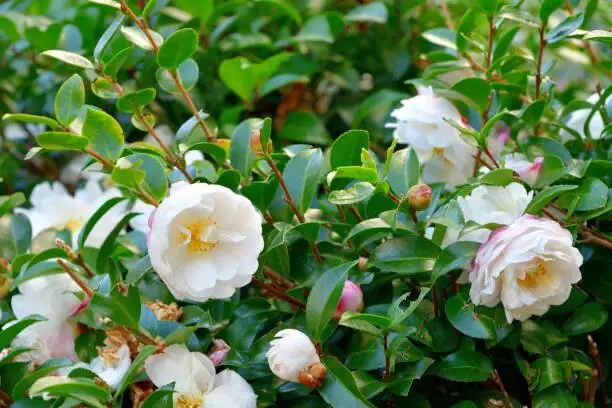
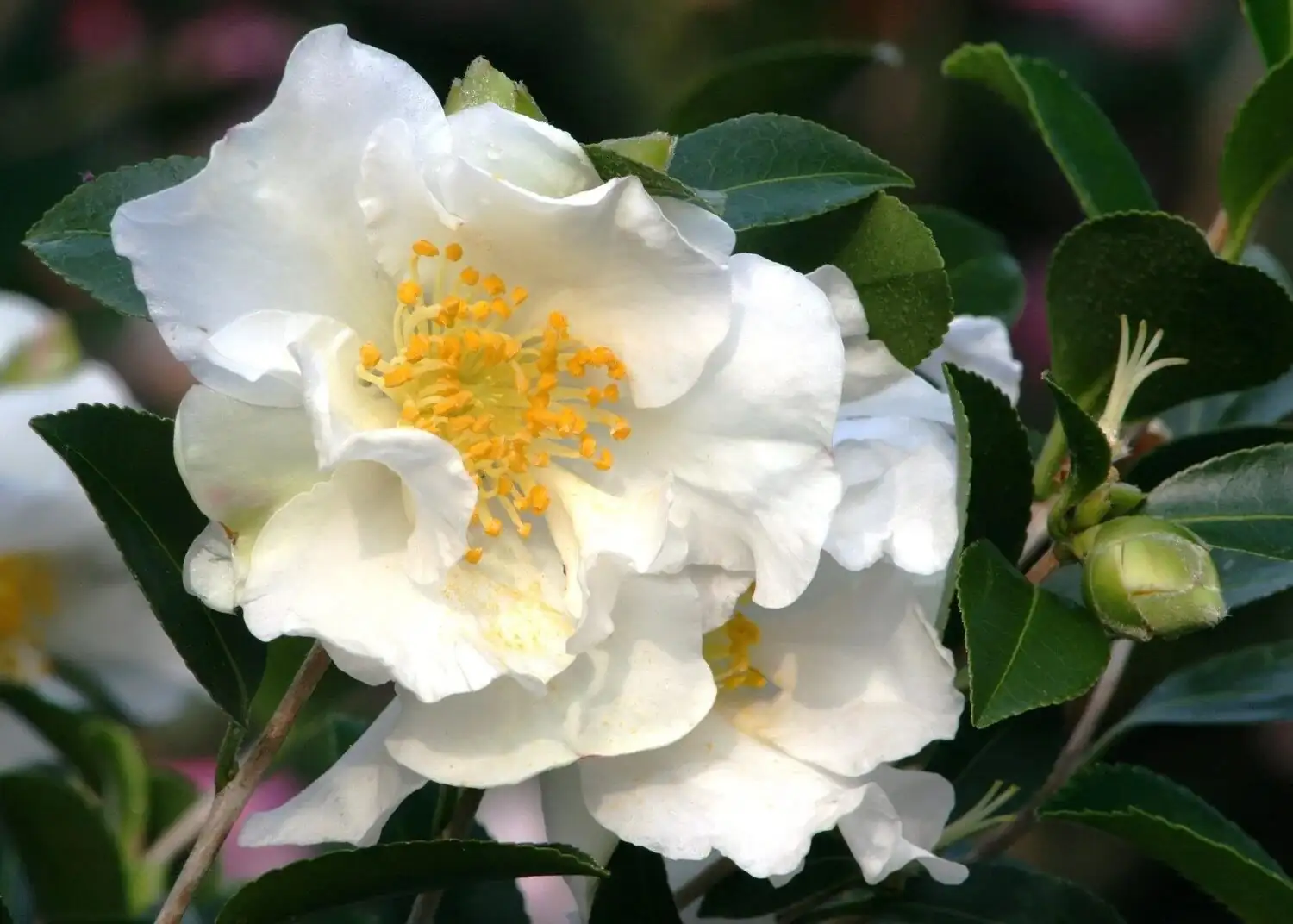
Sasanqua camellia is the shrub that refuses to let your garden fade to gray—opening elegant, often lightly fragrant flowers just as autumn deepens and winter arrives. If you’ve ever had buds drop or blooms fizzle, the fix is rarely mysterious. Nail the light, water on a steady rhythm, feed on schedule, thin late-summer buds, and keep flowering plants cool and bright indoors. Here’s your season-by-season playbook for a reliable autumn–winter show.
Sasanqua snapshot (so you can think like the plant)
- Botanical: Camellia sasanqua (Theaceae), native to Japan
- Habit and size: Dense, evergreen shrub, typically 1.5–5 m (5–16 ft) tall and 1.5–4 m (5–13 ft) wide, depending on cultivar and pruning
- Flowers: Single to semi-double, white/pink/red, often lightly fragrant
- Bloom season: Autumn to winter (often October–January)
- Hardiness: Generally USDA 7–9 (varies by cultivar)
- Light: Bright light to full sun with protection from harsh midday sun in hot regions; tolerates partial shade
- Soil: Slightly acidic, moist but well-drained; container mix with composted bark/leaf mold + peat (or substitute) + coarse sand/grit
- Best growth temps: 18–25°C (64–77°F); container plants overwinter best at 3–6°C (37–43°F)
- Heat/cold notes: Short cold snaps to around -10°C (14°F) in-ground; extended heat above 38°C (100°F) may scorch buds/leaves
The season-by-season playbook
Spring (post-bloom reset: February–May, depending on your climate)
- Light and temperature
- Target 18–25°C (64–77°F) for strong vegetative growth.
- Give bright light; in warm zones, protect from harsh midday sun.
- Watering cadence
- Aim for evenly moist, never soggy. Water thoroughly, let excess drain.
- As days warm, you may water every 1–3 days depending on pot size, mix, and weather.
- Feeding timeline (begins in March)
- Every two weeks March–September: balanced feed such as 20-20-20 or an organic liquid fertilizer suited to acid-loving plants. Water first, then feed.
- In May: one application of 0.2% monopotassium phosphate to support bud initiation.
- Pruning and repotting
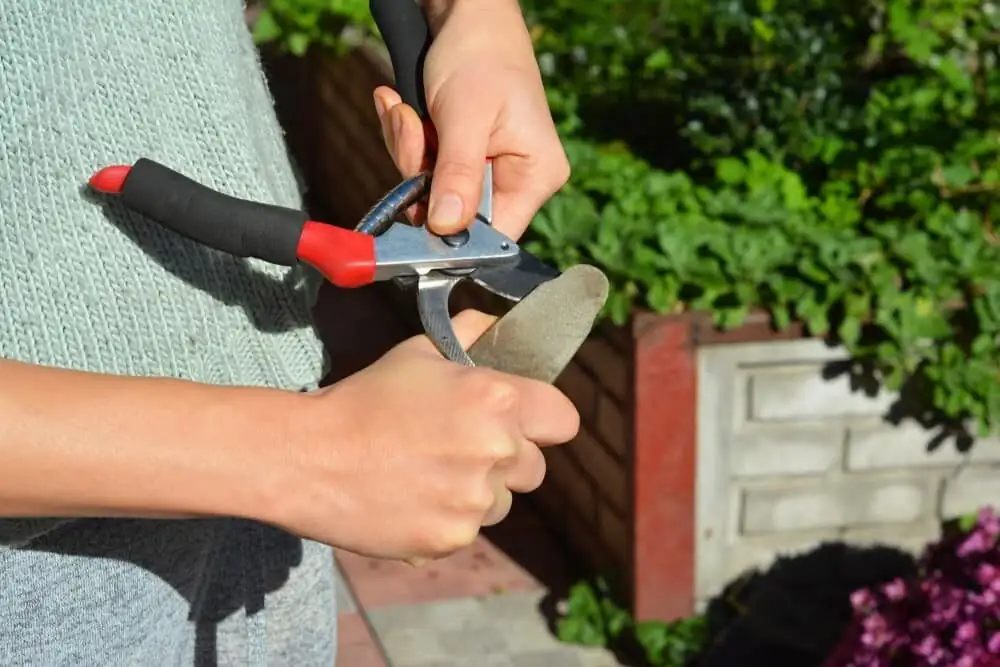
- Immediately after flowering, remove spent blooms, dead/diseased wood, and leggy shoots. Shape lightly to keep it full and encourage branching.
- Repot after flowering: every 2 years (young) or 3–4 years (mature). Trim dead/rotten roots, refresh with an acidic, free-draining mix, and ensure strong drainage holes.
- Planting or shifting positions outdoors
- In-ground: set slightly high (a touch above the surrounding grade) in well-drained, slightly acidic soil. Mulch to keep roots cool, but keep mulch a few centimeters from the stem.
- Containers: choose a sturdy pot with excellent drainage; avoid saucers that hold water.
Early summer (June)
- Light and heat management
- Maintain bright light; where summers are intense, rig 50% shade cloth during the harsh midday/afternoon window to prevent leaf scorch and protect developing buds.
- Watering cadence
- Heat ramps up water needs. Daily watering is common; on scorching days, water morning and again late afternoon if your mix dries rapidly.
- Feeding
- Continue the every-two-weeks feed.
- Pruning
- A light touch-up prune in early summer helps maintain shape without removing forming buds.
- Humidity and airflow
- Prefers moderately high humidity (around 70–80%). Mist lightly about once a week if air is dry, but ensure good airflow and avoid wetting leaves late in the day.
Late summer (July–August)
- Bud protection and thinning
- Keep soil evenly moist; drought swings cause bud drop.
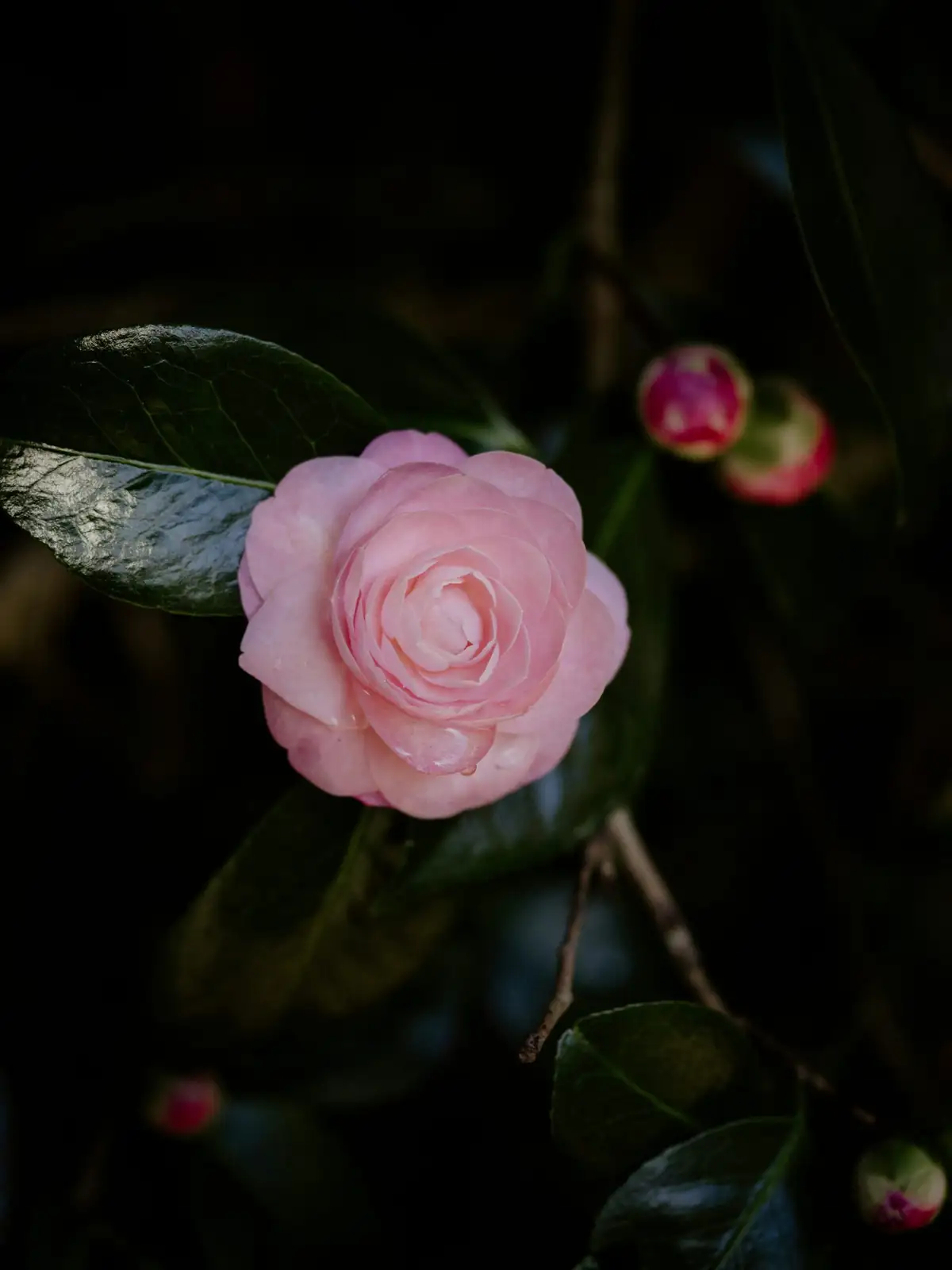
- Thin crowded buds toward late summer: typically leave one plump terminal bud per shoot. This channels energy into larger, showier flowers and reduces drop.
- Light and heat
- Keep the 50% shade cloth in hot regions during midday; remove as nights cool.
- Feeding
- Stay on the two-week schedule through September.
Autumn (September–October)
- The bloom runway
- September: maintain the regular feed. Avoid water stress as nights cool—buds are sizing up.
- October: deliver an extra phosphorus-forward feed to bolster strong flowering.
- Watering cadence
- As temperatures drop, watering frequency eases—but never let the root ball fully dry. Let the top couple of centimeters of mix start to dry, then water thoroughly.
- Light
- Bright light is key. In warm regions, filtered afternoon light prevents bud scorch; in cooler regions, more sun is welcome.
- Display timing
- Flowering typically begins in October and can carry into winter.
Winter (November–January)
- Watering cadence
- About every 3–5 days for container plants, ideally at midday on a mild, bright day. Avoid waterlogging cold soil.
- Temperature strategy
- For overall plant health, containers overwinter best at 3–6°C (37–43°F) in a bright, sheltered spot.
- For indoor bloom display, move a flowering plant into a very bright window in a cool room kept around 8–10°C (46–50°F). Coolth dramatically extends bloom life.
- Indoors, mind the air
- Keep away from heating/AC vents and drafts. Ventilate gently, not gustily.
- Water evenly; never let it go bone-dry or sit soggy. Bud drop is the penalty for extremes.
Watering cadence at a glance
- Summer: about once daily; during extreme heat, morning and late-afternoon.
- Shoulder seasons: every 1–3 days, adjusting to weather and pot size.
- Winter: roughly every 3–5 days; water around midday on mild, bright days.
Tips:
- Always water thoroughly until excess drains; never leave the pot in standing water.
- In-ground plants with established roots need less frequent watering than containers but must not be allowed to dry out in late summer–autumn when buds are maturing.
Light and heat management
- Outdoors
- Best in bright light; tolerates partial shade.
- In hot summers, use ~50% shade cloth or provide morning sun with dappled afternoon shade to protect foliage and buds.
- Indoors (short-term display)
- Park it in an extremely bright spot—south- or east-facing window—with cool air (8–10°C / 46–50°F) for long-lasting flowers.
- Heat and cold cautions
- Prolonged heat above 38°C (100°F) can scorch leaves and abort buds.
- Brief dips to around -10°C (14°F) are possible in-ground, but container roots are more vulnerable; shelter containers during hard freezes.
Soil and potting mix that camellias love
- Texture and pH
- Slightly acidic, moisture-retentive but free-draining. A reliable container blend: composted bark or leaf mold + peat (or sustainable substitute) + coarse sand/grit.
- Drainage first
- Free drainage is non-negotiable. Use a pot with ample holes; elevate it to keep water from pooling under the base.
- Planting tips
- In-ground, set slightly high to prevent rot; mulch to moderate soil moisture and temperature.
The precise feeding timeline
- March–September: feed every two weeks with a balanced fertilizer (e.g., 20-20-20) or an organic liquid for acid lovers.
- May: one application of 0.2% monopotassium phosphate to support bud initiation.
- October: one extra phosphorus-forward feed to power the coming bloom.
- Pro tips:
- Water first, then feed to avoid root burn.
- In containers, leach the pot with clear water occasionally to prevent salt buildup.
Bud management for showtime
- Why thin? Sasanquas can set more buds than they can open well—especially in pots. Thinning boosts bloom size and reduces drop.
- How to thin:
- In late summer, keep the plumpest terminal bud per shoot; remove smaller side buds with clean fingers or snips.
- Space remaining buds so flowers won’t crowd and bruise.
Pruning that respects the bloom cycle
- After flowering: remove spent blooms, dead or diseased wood, and lanky shoots; open the interior slightly for airflow.
- Early summer: a light shape-up only. Avoid hard pruning once buds start to form, or you’ll sacrifice the show.
A simple indoor display routine at 8–10°C
- Choose a plant with a 50/50 mix of buds and open flowers.
- Place it in an extremely bright window in a cool room (8–10°C / 46–50°F).
- Water evenly so the root ball never dries out; drain thoroughly.
- Keep away from vents and drying drafts; provide gentle ventilation and good light to deter pests.
- After peak bloom, return the plant outdoors to a bright, sheltered, cool spot to recover.
Troubleshooting: fast fixes for common hiccups
- Bud drop or leaf yellowing after moving indoors
- Causes: uneven watering (too dry or soggy), low light, dry air, temperature swings, scale/aphids.
- Fix: keep cool (8–10°C while blooming), very bright, evenly moist, well-ventilated; check for pests and treat promptly.
- Leaf scorch or crispy buds
- Cause: heat or harsh midday sun (especially >38°C/100°F).
- Fix: deploy 50% shade cloth or shift to morning sun + afternoon filter; keep moisture steady.
- Leaf spots (anthracnose)
- Look for gray-white circular or irregular lesions near leaf margins.
- Action: remove infected leaves, improve airflow, avoid late-day overhead wetting; use an appropriate fungicide if severe.
- Sticky leaves/sooty mold
- Often from scale or aphids. Treat with horticultural oil or insecticidal soap; increase light and airflow.
Container care and repotting
- Repot after flowering: every 2 years (young) or 3–4 years (mature).
- Typical pot sizes: 15–20 cm (6–8 in) for young plants; 20–30 cm (8–12 in) for established specimens.
- Refresh mix, trim dead roots, and ensure vigorous drainage. Avoid jumping to an oversized pot, which can hold excess water.
Propagation (for the keen grower)
- Semi-ripe cuttings in early summer: 5–10 cm (2–4 in), kept warm, humid, and shaded; rooting in ~4–6 weeks.
- Grafting (late spring to early summer), often onto Camellia oleifera rootstock.
- Spring air-layering also works well.
Safety and symbolism
- Safety: Generally considered non-toxic to people and pets; curious nibblers may experience mild stomach upset.
- Symbolism: Often read as admiration, grace, and refined beauty—fitting for a plant that performs when the garden is quiet. The association stems from centuries of appreciation in East Asia (notably in Japanese gardens where sasanqua—“sazanka”—is a harbinger of early winter) and later Victorian floriography, which codified camellias as emblems of elegant devotion.
Quick-reference cheat sheet
- Light: Bright; partial shade in hot summers. Use ~50% shade cloth midday if needed.
- Water: Summer daily; in heat, morning + late afternoon. Winter every 3–5 days.
- Feed: Every 2 weeks March–September; May 0.2% MKP; October extra phosphorus.
- Prune: After flowering; light touch-up in early summer.
- Buds: Thin in late summer—keep one strong bud per shoot.
- Indoor blooms: Display cool at 8–10°C in extreme brightness; avoid drafts; water evenly.
Do these few things right—steady moisture, strong light with smart shade, a precise feeding cadence, and late-summer bud thinning—and your Camellia sasanqua will reward you with a long, gleaming parade of autumn-to-winter flowers year after year.