

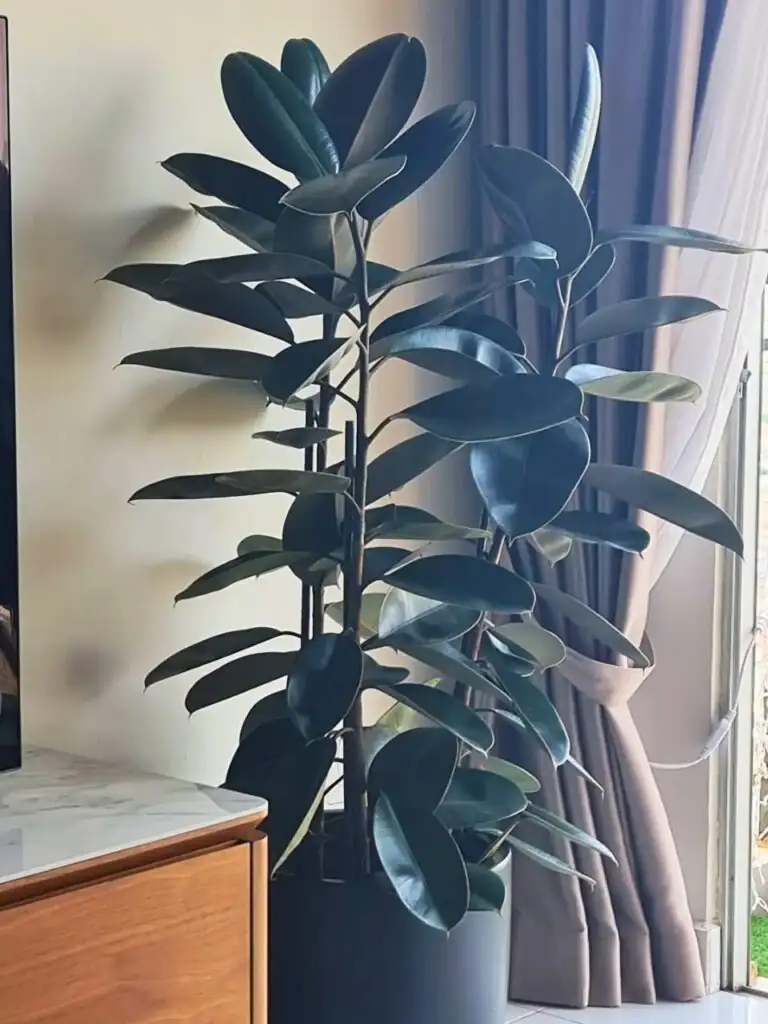
Imagine a small, poised evergreen that behaves like a living sculpture—quietly refining a corner, catching the morning sun, and inviting you to breathe more slowly. That’s Podocarpus macrophyllus, the Buddhist pine. With the right placement, pot, and a few gritty accents, it becomes the anchor of a serene vignette that feels both designed and deeply alive.
Meet Podocarpus macrophyllus, your living anchor of calm
- Evergreen from China and Japan, loved by bonsai enthusiasts for its willingness to be pruned and wired into elegant, layered “cloud pads.”
- Dense, leathery, narrow leaves in a rich deep green; foliage stays lush with bright light and modest humidity.
- Naturally a full-sized tree, but it’s easy to keep compact in containers and bonsai form—perfect for interiors.
Where to place it: composing a tranquil vignette
Think of Buddhist pine as the “quiet center” of your room scene. Choose a place where the plant, its container, and surrounding objects speak the same calm language.
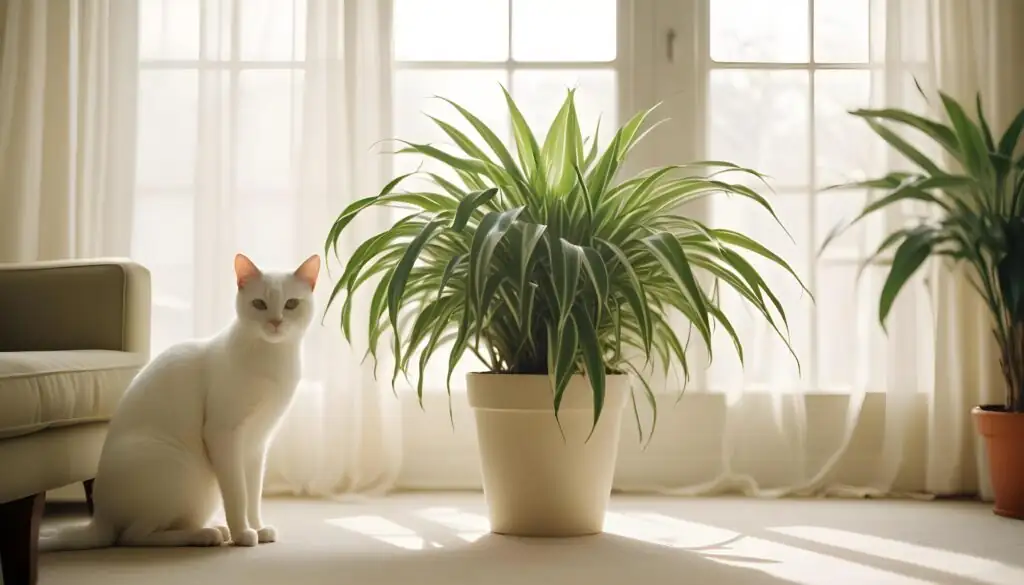
East-facing windows: gentle light, perfect mood
- Morning sun is soft and flattering for both design and plant health. An east-facing window or balcony is ideal.
- Bright light to partial shade is the sweet spot. Shield from harsh midday summer sun, which can scorch foliage.
- Layer gauzy curtains to diffuse bright mornings without reducing the luminous feel.
Design tip: Set the plant on a low bench or console that runs perpendicular to the window. This creates a side-lit tableau—the kind that reveals texture on leaves and bark without glare.
Airflow: the silent design tool
- Good airflow keeps foliage pristine and helps prevent leaf spot and other diseases. A window you can crack open is a plus.
- Avoid stagnant corners and don’t park it in the airstream of blasting heat or AC; gentle, consistent air movement is the goal.
Design tip: Place a small art object or stone tray on the opposite side of the window to visually “balance” the plant and maintain open space around foliage for air to circulate.
Indoors or sheltered balcony?
- Indoors: place near a very bright window with airflow (east-facing is choice).
- Outdoors: a sheltered, well-ventilated east-facing patio or balcony works beautifully. Provide shade from intense summer sun and ensure excellent drainage.
- Temperature comfort zone: 15–25°C (59–77°F). It can tolerate brief dips to about -5°C (23°F), but protect from hard freezes. Roughly USDA Zone 8–11 outdoors.
Light it like a designer-gardener
- Aim for bright, indirect to soft direct morning light. If the plant stretches or the pads look airy rather than dense, increase brightness.
- If leaf edges look tired or scorched, filter more of the midday light.
- Let the plant be your “light meter”: deep, even green with compact growth signals you’ve got it right.
Pot, depth, and drainage—form meets function
Buddhist pine appreciates a slightly deeper container than many bonsai-styled plants, which helps root stability and keeps the silhouette composed.
- Container depth: commonly 20–40 cm (8–16 in) for bonsai and container culture.
- Drainage must be excellent. Use large drainage holes covered with mesh; add a coarse layer at the base if needed.
- Soil mix: well-drained and airy. Blend leaf mold or compost with fertile loam and coarse sand/grit. Avoid heavy, water-retentive media and never let roots sit in soggy soil.
- Saucers: if you use one, elevate the pot on pot-feet or pebbles so excess water escapes and the pot base stays dry.
Design tip: Choose a vessel with quiet character—matte ceramic, unglazed clay, or dark-stained wood. The plant’s refined lines pair especially well with charcoal, stone gray, celadon, and warm neutrals.
Stone and gravel accents that calm the eye (and help the plant)
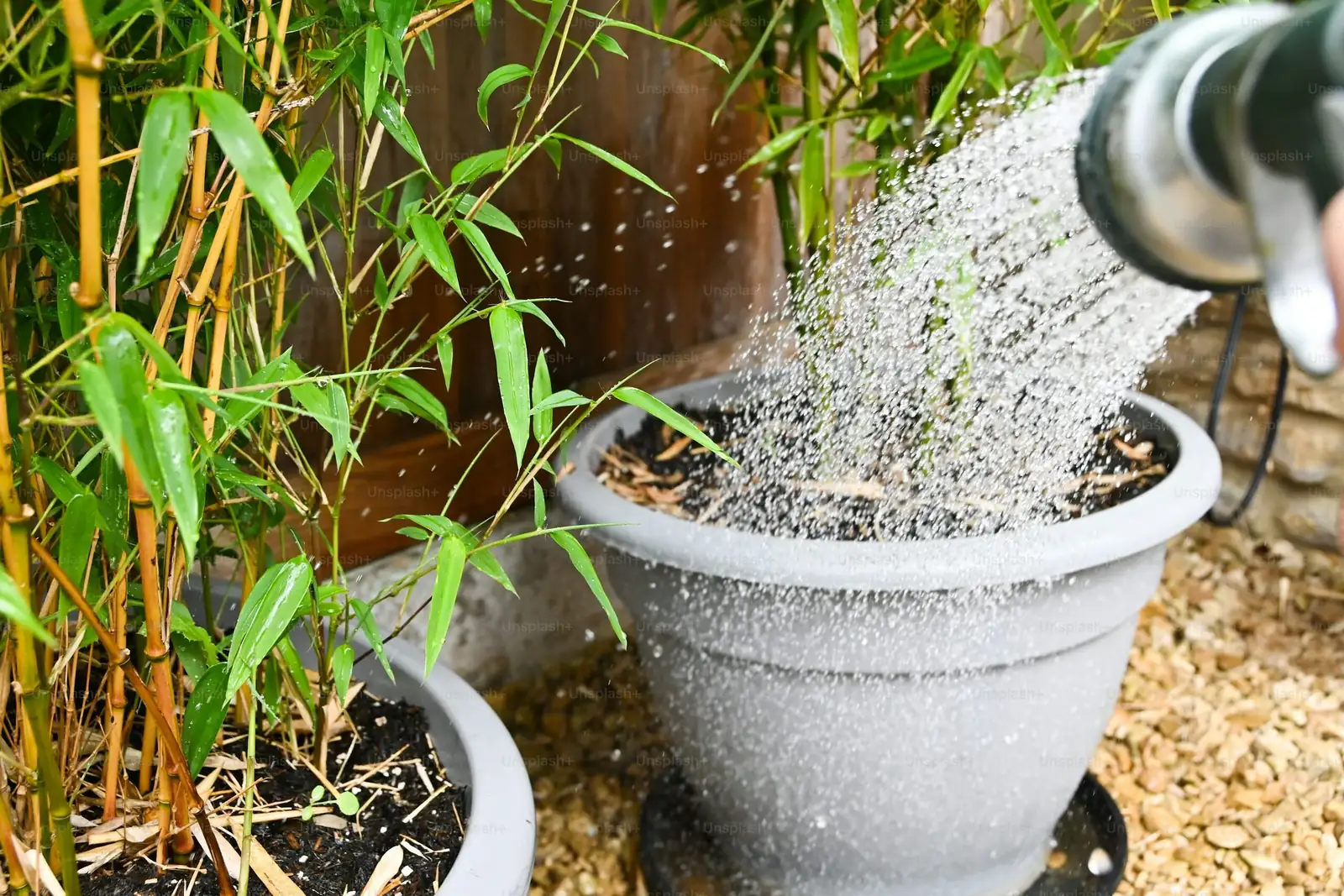
Mineral accents can amplify the zen mood and serve practical functions.
- Top-dressing with fine gravel or crushed granite gives a crisp, finished surface that echoes raked garden gravel. Leave a bare “watering window” near the trunk so you can monitor soil moisture and avoid burying the trunk flare.
- Humidity tray: a shallow tray of pebbles with water below the pot’s base gently boosts local humidity. Ensure the pot never sits in water.
- Accent stones: place one or two river stones off-center on the soil surface to suggest landscape scale, but don’t create a moisture seal—keep airflow at the soil line.
- Keep foliage clean. Dust lightly and, in hot weather, occasional misting keeps leaves fresh—do this when there’s good airflow so foliage dries promptly.
Water, humidity, and rhythm
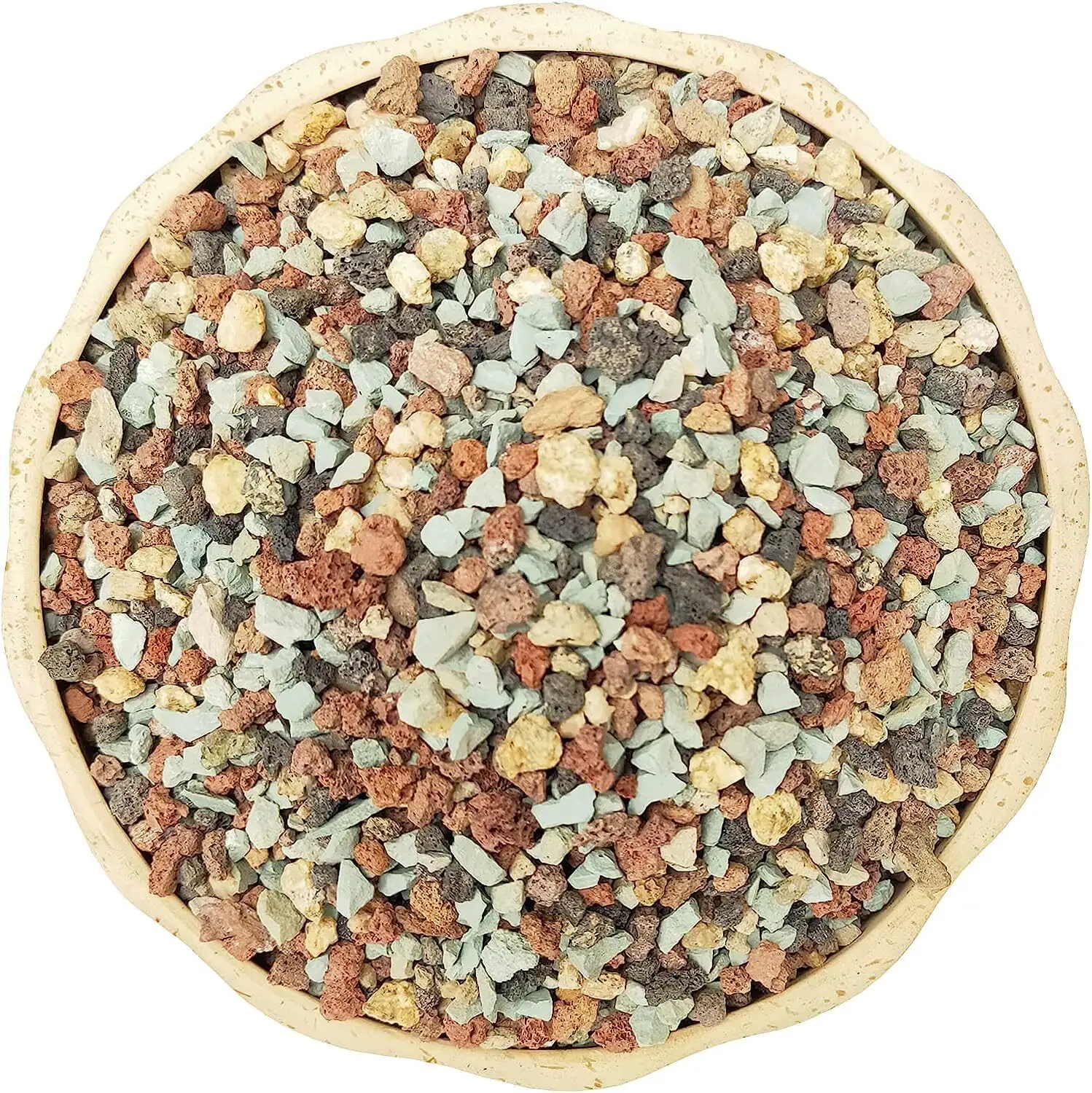
Think “thorough, then nearly dry.”
- Watering cadence: during active growth, water thoroughly, then wait until the top of the mix is starting to dry before watering again. As a rough guide, this may be about twice weekly in growing season—adjust for heat, pot size, and soil.
- Spring finesse: slightly reduce water during spring leaf flushes to encourage shorter leaves—handy for a refined bonsai look.
- Avoid waterlogging at all costs; root rot follows persistently wet soil.
- Humidity: moderate to high is preferred. Misting in summer can help maintain that vivid green, especially with good airflow.
Pro tip: Learn the weight of your pot before and after watering. The heft is a reliable cue—light pot, time to water; still heavy, wait.
Styling and maintenance for the cloud-pad silhouette
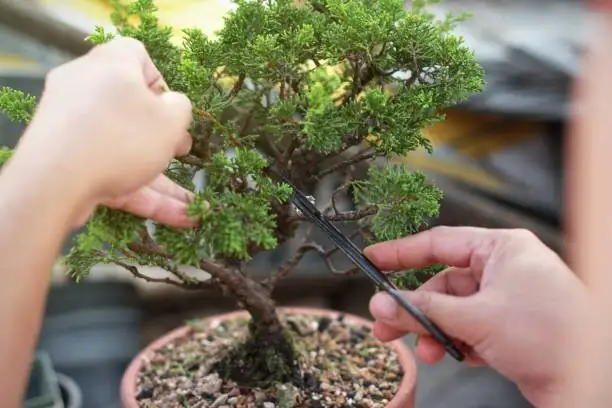
- Pruning and pinching: in spring, pinch or prune shoot tips to keep extensions in check and refine the outline. Continued light trimming maintains those layered pads.
- Wiring and shaping: the species responds well. Build your branch framework first, then refine the pads over time.
- Feeding:
- Containers/bonsai: feed monthly during the growing season; stop in winter.
- You can incorporate a small amount of organic fertilizer into the mix at repotting.
- Repotting: every 2–3 years, refreshing into a free-draining blend. Maintain that 20–40 cm pot depth for stability.
- Propagation: seed can be sown fresh in summer or stored in moist sand and sown in spring (germination can be quick under good conditions). Cuttings root well: take dormant wood in spring or semi-ripe tips in summer (often 8–12 weeks to root).
- Flowers and fruit: flowers are small and inconspicuous in spring. Plants are typically male or female; if you have a female and it’s pollinated, you may see decorative, fleshy structures around the seeds.
Troubleshooting and plant health in beautiful rooms
- Scorch or bronzing: too much harsh sun—filter midday light.
- Lax, elongated growth: not enough light—move closer to that bright east-facing window.
- Leaf spot/anthracnose: often linked to stagnant, wet conditions. Improve airflow, avoid constantly wet foliage, and remove affected leaves.
- Pests: watch for scale insects, spider mites, and thrips. Inspect undersides of leaves; treat early with horticultural soap or oil, repeating as needed.
- Safety note: Toxicity is not specified in the available sources. As a precaution, prevent pets and children from chewing or ingesting any parts, and consult local poison-control or a veterinarian if ingestion is suspected.
Buying guide: choose a plant that already “composes” well
- Look for a well-balanced crown with sturdy, compact branching and rich, deep green foliage—no yellowing, dieback, or pest speckles.
- For bonsai styling, prioritize plants with promising trunk movement and branches positioned to form layered pads.
- After purchase: place in bright, airy light; shield from scorching summer sun; mist occasionally in hot spells; water only when the mix begins to dry.
Quick seasonal playbook
- Spring
- Pinch/prune tips to control extension.
- Sow stored seed; resume monthly feeding for potted plants.
- Slightly reduce water during leaf flush for shorter leaves.
- Summer
- Provide shade from scorching midday sun (especially indoors behind glass).
- Mist occasionally for humidity and freshness; ensure strong airflow.
- Take semi-ripe cuttings (rooting often 8–12 weeks).
- Collect seed for immediate sowing or store in moist sand.
- Autumn
- Reduce watering as temperatures fall; keep drainage excellent.
- Feed in-ground plants once.
- Winter
- Stop fertilizing. Protect from hard freezes.
- Plan repotting on a 2–3 year cycle as needed.
Curating the vignette: a simple recipe
- Place: east-facing window, with sheer curtain and a window you can open for soft airflow.
- Stand: low, minimal console in ash or walnut; keep negative space around foliage.
- Pot: matte charcoal, 20–40 cm deep, with mesh-covered drainage holes.
- Soil: loam + leaf mold/compost + coarse sand/grit; fast-draining.
- Accents: fine gravel top-dress with a small “watering window,” one smooth river stone, and a shallow pebble humidity tray under the stand.
- Companions: a single ceramic bowl, a linen-bound book, or a small sculpture—nothing that competes with the plant’s serene geometry.
With mindful placement, bright morning light, and a pot that marries depth and drainage, Buddhist pine becomes more than a houseplant. It’s a living line drawing—quietly architectural, endlessly calming, and always in season.