

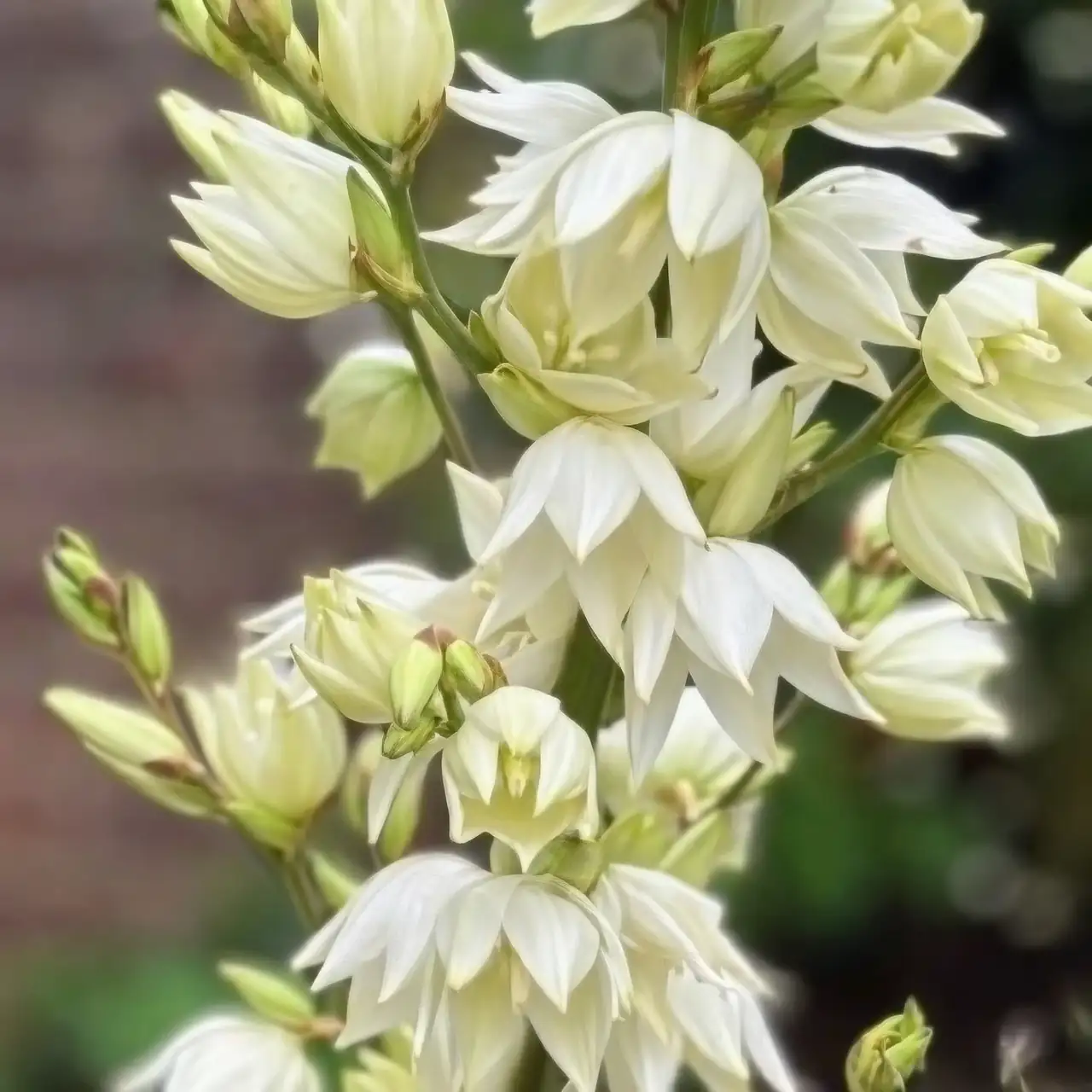
Adam’s Needle, or Yucca filamentosa, is the type of plant that seems to say, “Bring it on, world!” With its sword-like leaves and dramatic flower spikes, it stands as a resilient guardian in your garden, offering both beauty and a sense of security. However, even this tough character occasionally finds itself under siege by pesky invaders. Let’s explore how to identify and combat these pests, ensuring your Adam’s Needle remains the proud sentinel of your outdoor space.
Identifying the Usual Suspects
Yucca Plant Bugs
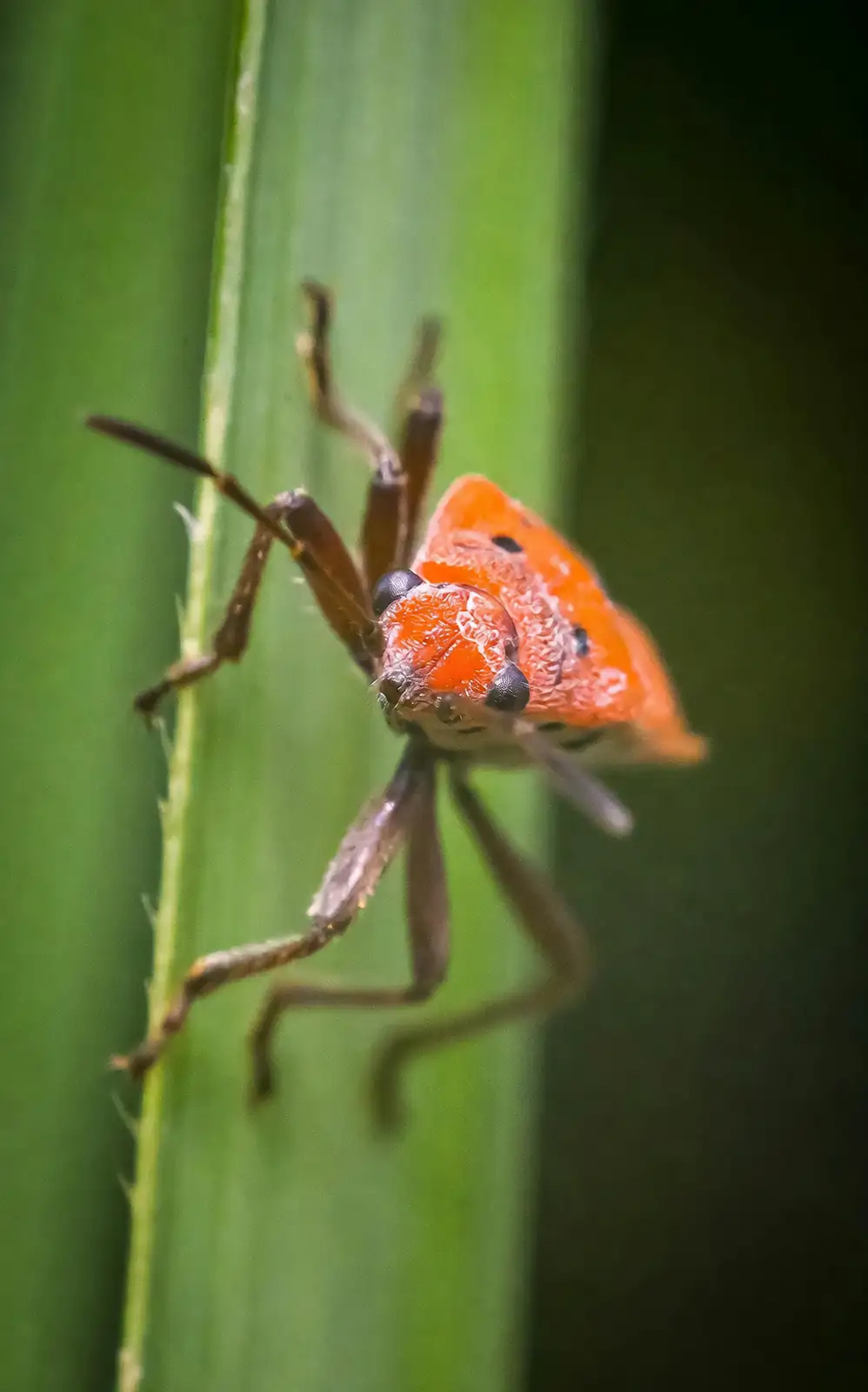
The most infamous of the pests is the yucca plant bug (Halticotoma valida), a tiny but mighty adversary with a penchant for sucking the life out of your plant. These reddish-orange bugs sport black wings and can be spotted by the telltale yellowish-white stippling they leave behind on the leaves. This damage can cause the foliage to turn brown, reducing the plant’s vigor and, in severe cases, leading to its demise.
Mealybugs and Scale Insects
These pests might be small, but they can pack a punch. Often found on the undersides of leaves or nestled in the leaf axils, mealybugs and scale insects look like little cottony or scaly bumps. They weaken the plant by sucking sap, causing leaves to yellow and wilt.
Aphids
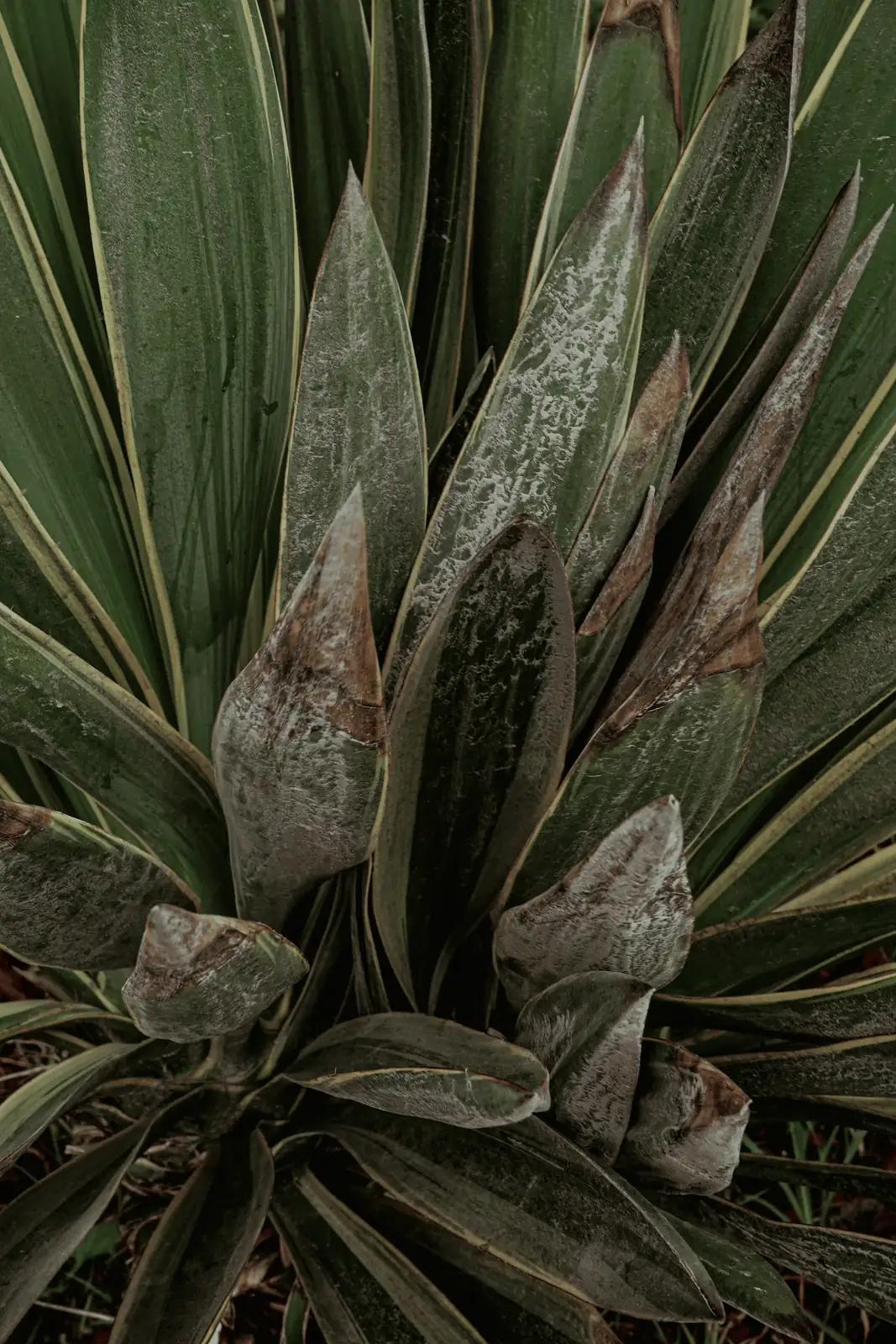
Though less common, aphids sometimes target the flower stalks. These tiny sap-suckers can distort new growth and, if left unchecked, attract ants and sooty mold due to their sticky secretions.
Natural Remedies and Solutions
Neem Oil and Insecticidal Soap
For a gentle yet effective approach, consider using neem oil or insecticidal soap. These natural insecticides suffocate or disrupt the life cycle of pests without harming beneficial insects or the environment. Apply directly to the affected areas, ensuring thorough coverage.
Diatomaceous Earth
Sprinkle this fine powder around the base of the plant or directly onto pests. It works by dehydrating the exoskeletons of insects, making it a formidable foe against crawling critters like mealybugs and aphids.

Manual Removal
For a more hands-on approach, a strong jet of water can dislodge aphids and plant bugs. For stubborn mealybugs, a cotton swab dipped in rubbing alcohol can be used to wipe them away.
Prevention: The Best Defense
Proper Placement and Care
Adam’s Needle thrives in full sun with well-draining soil. Avoid soggy conditions, which can invite pests and diseases. Ensure good air circulation to deter humidity-loving pests and keep the leaves dry by watering at the soil line.
Companion Planting
Consider planting pest-repelling companions like marigolds or lavender nearby. Their natural scents can confuse or deter pests, while also adding a splash of color to your garden.
Regular Inspection
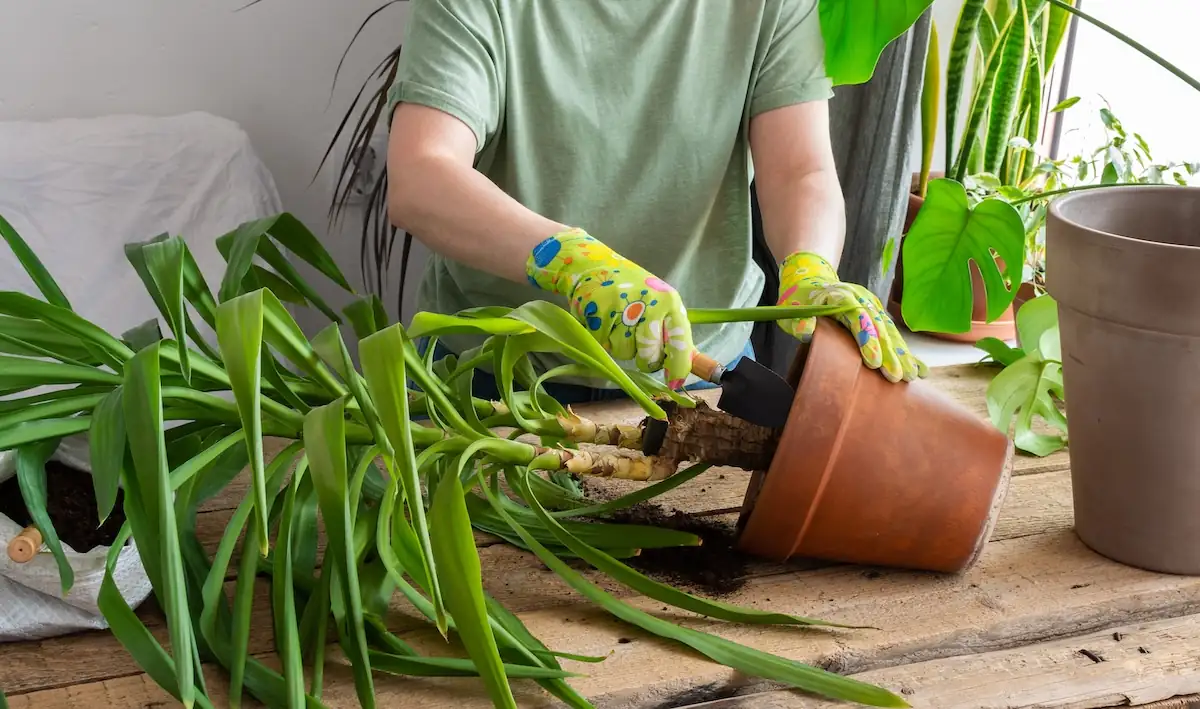
Keep a vigilant eye on your yucca. Regularly check for signs of pests, especially during the growing season. Early detection allows for swift action and prevents larger infestations.
A Symbol of Resilience
Yucca filamentosa isn’t just a garden showpiece; it’s a symbol of endurance and fresh starts. Its ability to thrive in challenging conditions reminds us of our own resilience in the face of adversity. The yucca’s longstanding relationship with the yucca moth, which is essential for its pollination, highlights nature’s intricate dance of interdependence and survival.
In conclusion, while Adam’s Needle is a tough contender in the plant world, a bit of attention and care can ensure it remains a majestic feature in your garden. By understanding its needs and being prepared to tackle pests naturally, you can enjoy its striking presence and fragrant blooms for years to come. So, arm yourself with knowledge and let your Adam’s Needle stand proud and pest-free!


