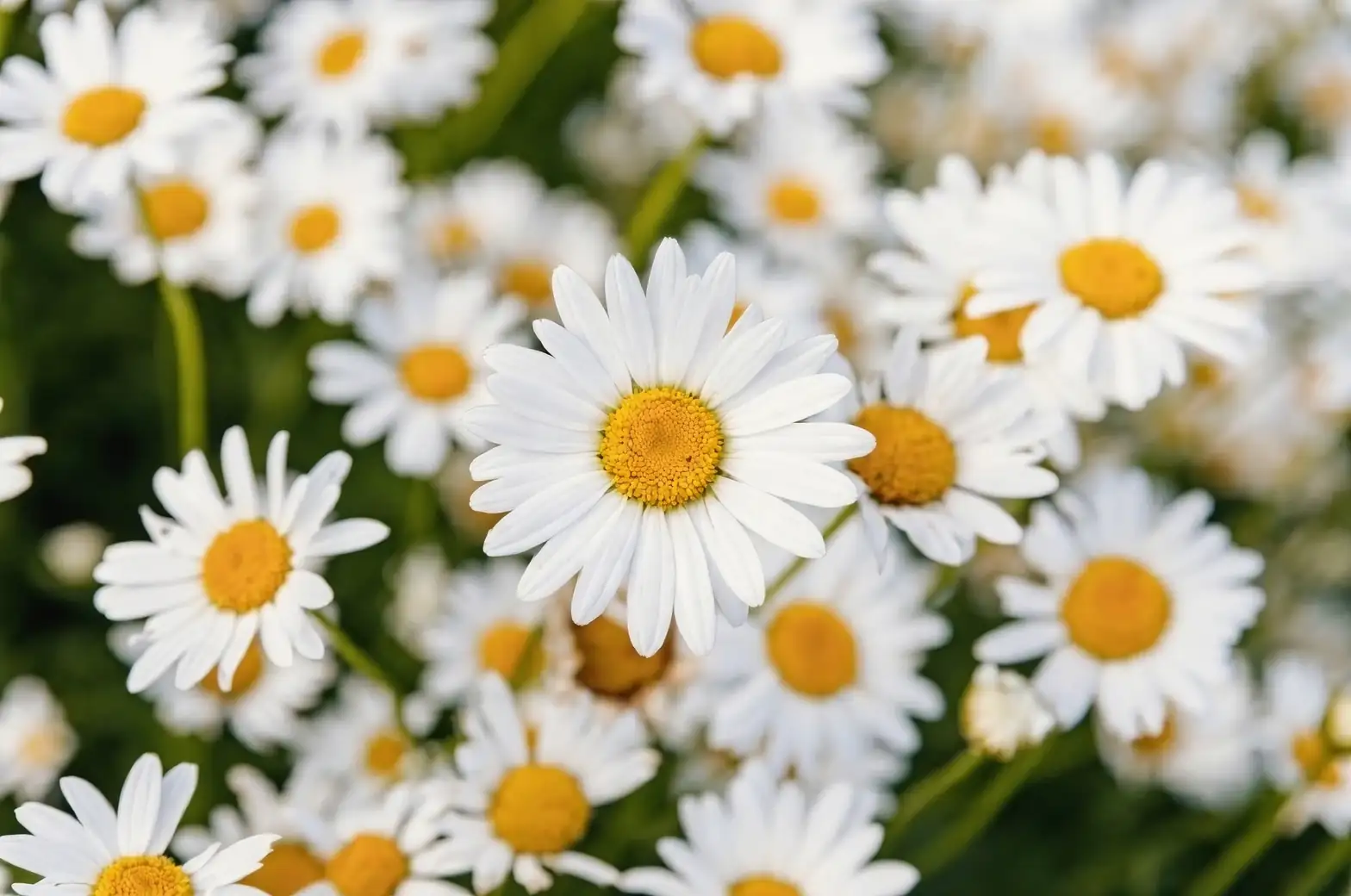
Breathe in that gentle apple fragrance, brush the feathery green, and watch a froth of white daisies pop like tiny suns—chamomile is the cheerful timekeeper of a garden. This seasonal calendar walks you month by month through sowing, pinching, deadheading, mid‑season shearing, heat‑wave watering, fall sowing in mild climates, and how to tuck Roman chamomile in for winter.
Meet the two chamomiles you’ll see on your seed packets
- German chamomile (Matricaria chamomilla): An upright, branching annual prized for tea and essential oil. Taller, airy, and generous with blooms.
- Roman chamomile (Chamaemelum nobile): A low, creeping perennial that roots as it spreads—fragrant, evergreen-looking mats in mild climates and lovely as a groundcover.
Both love sun and sharp drainage. Think “sun + drainage, and don’t overwater.”
The year in chamomile: a practical calendar
Note: Timing below assumes a temperate Northern Hemisphere climate. Shift earlier/later as your weather dictates; in very hot regions, add afternoon shade in peak summer.
Early spring (March–April)

- Sow
- Surface‑sow seeds—they need light—indoors or outdoors once the soil is workable. Press in; don’t bury. Keep evenly moist. Germinates in 7–14 days.
- For a head start, start indoors and transplant seedlings at 5–8 cm (2–3 in) tall.
- Pinch
- When seedlings have 3–4 true leaves, lightly pinch German chamomile tips to encourage branching.
- For Roman chamomile, a gentle tip‑pinch after transplanting promotes a denser mat.
- Planting out
- Full sun is best (6–8 hours). In hot zones, give light afternoon shade.
- Soil: loose, well‑drained, neutral to slightly alkaline. Avoid rich, soggy beds.
- Water
- Aim for about 2.5 cm (1 in) per week while establishing; let the topsoil dry slightly between waterings.
Late spring to early summer (May–June): first flowers
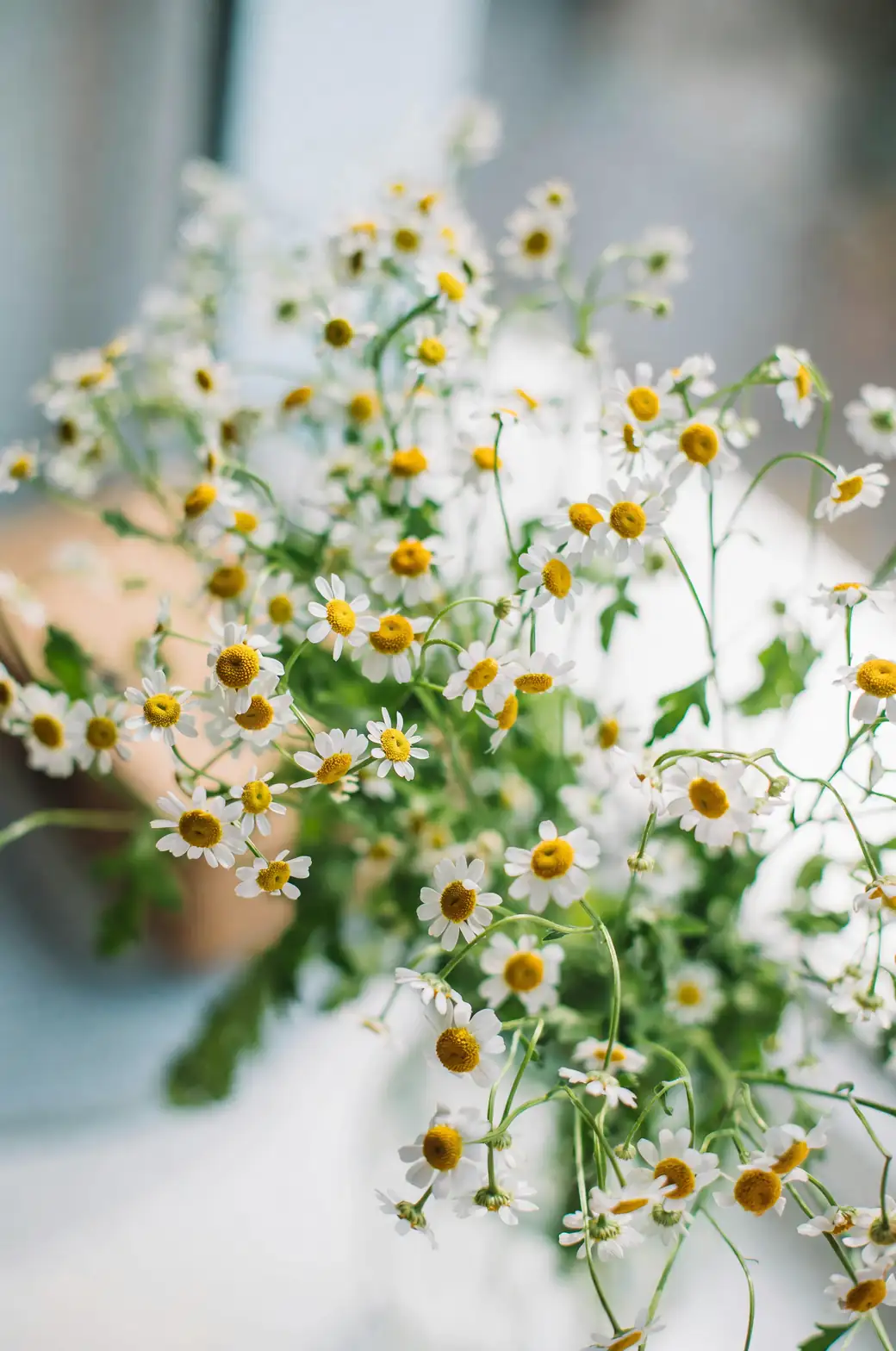
- Deadhead often
- Snip spent blooms every few days to keep flowers coming and the plants tidy.
- Harvest
- Pick flower heads as they fully open for the best tea. You’ll notice a sweet, fruity scent.
- Feeding (lightly)
- In containers, use a diluted, balanced, water‑soluble feed about once a month. In-ground plants usually don’t need fertilizer.
Midsummer (June–July): peak bloom and mid‑season shearing
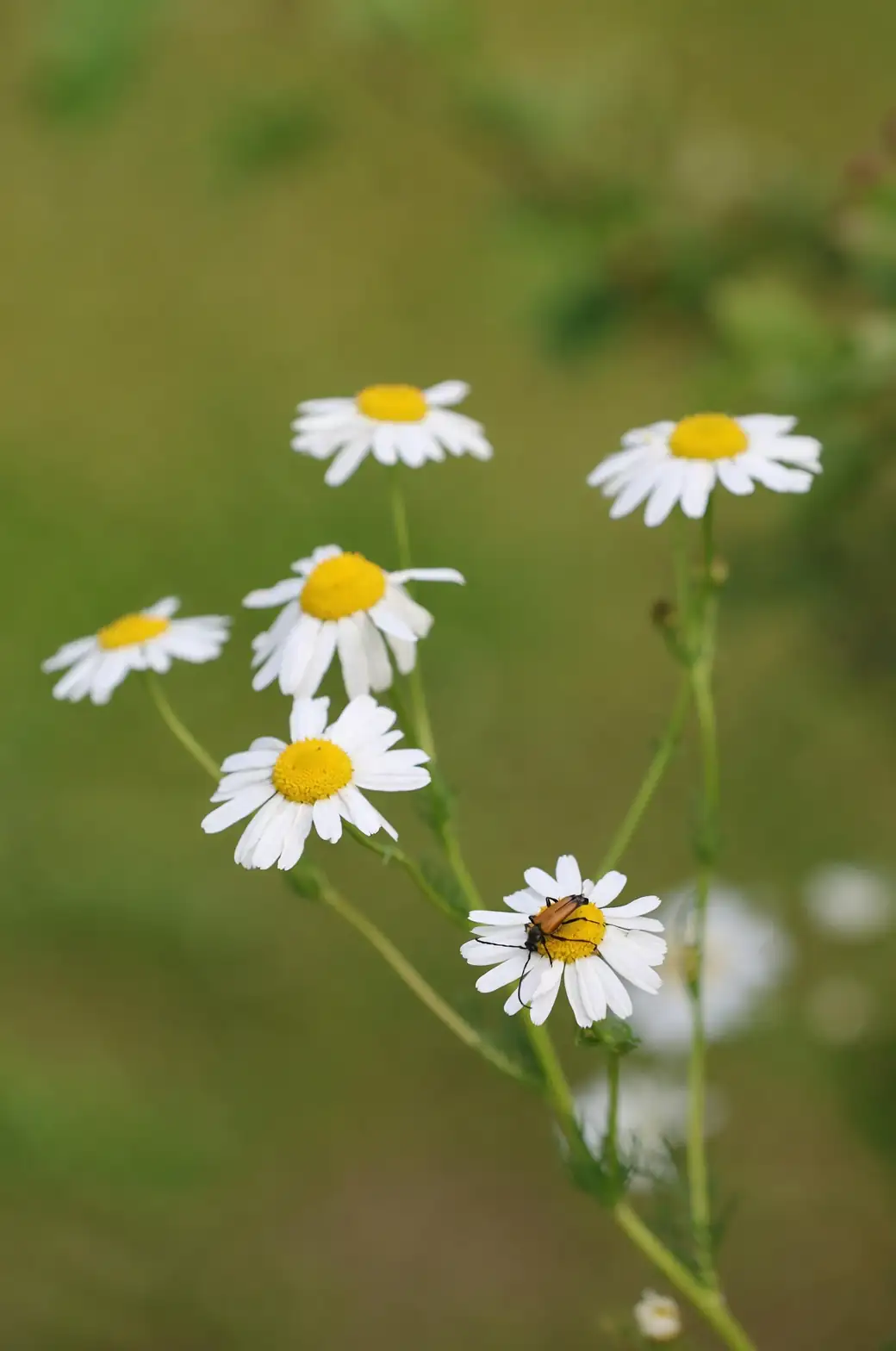
- Shear for a second flush
- If plants get leggy or flowering fades, shear German chamomile back to about 10 cm (4 in) above soil. Roman chamomile patches can be lightly trimmed to neaten and renew.
- Follow with a deep watering and resume deadheading; expect fresh growth and new buds.
- Airflow matters
- Space for breezes and water the soil, not the foliage, to discourage mildew in humid spells.
High summer and heat waves (July–August)
- Heat‑wave watering plan
- Morning deep soak; avoid keeping soil constantly wet. Chamomile tolerates hot spells up to about 38°C (100°F) if watered sensibly and not kept soggy.
- Mulch lightly (keep mulch off the crowns) to slow evaporation.
- Containers dry faster—check daily in extreme heat.
- Offer dappled afternoon shade to prevent flower scorch in very hot climates.
- Don’ts
- Don’t overfertilize (it makes plants lush and floppy with fewer flowers).
- Don’t splash water on leaves in the heat of day—stress plus wet foliage invites disease.
Late summer to fall (August–October)
- Keep deadheading
- You can coax multiple flushes (often 2–3 per year) if you keep spent blooms off.
- Fall sowing in mild climates
- In areas with mild winters, fall is an excellent time to sow new chamomile (especially late September to November). Surface‑sow, keep lightly moist, and protect tiny seedlings from slugs and pounding rains. They establish quietly and burst into early spring growth.
- Seed saving and self‑sowing
- German chamomile readily self‑seeds. Let a few flower heads mature if you want volunteers next year.
Winter (November–February): overwintering Roman chamomile
- Roman chamomile is generally hardy in many temperate gardens (often to about USDA Zone 4). Help it through winter:
- Mulch: A breathable layer of straw or leaf mold cushions roots against freeze‑thaw.
- Wind/frost protection: Row cover or frost cloth during severe snaps.
- Watering: Reduce sharply; keep soil just slightly moist—not wet. Soggy winter soils cause rot.
- Cleanup: Remove spent, diseased, or matted foliage to boost airflow.
- In containers: Move to a sheltered, bright, well‑ventilated spot (unheated porch, cold frame). Water sparingly.
- German chamomile completes its life cycle and doesn’t overwinter; you’ll either re‑sow or enjoy the volunteers that appear in spring.
Sowing cheat‑-sheet (spring and fall)
- Sun and soil: Full sun preferred; tolerates light shade. Loose, well‑drained soil; neutral to slightly alkaline.
- Surface‑sow: Press seeds onto the soil. Do not cover. Mist gently.
- Moisture: Evenly moist until germination, then let the top layer dry slightly between waterings.
- Transplant at 5–8 cm (2–3 in) tall. Avoid disturbing roots of Roman chamomile mats.
- Spacing (guide):
- German chamomile: 15–25 cm (6–10 in) apart for airy branching.
- Roman chamomile: 20–30 cm (8–12 in) apart to knit a carpet.
- Division (Roman only): Refresh overgrown mats by dividing rooted runners in early spring every 2–3 years.
Pinching, deadheading, and shearing: the rhythm that keeps blooms rolling
- Pinching (early)
- German chamomile: Light tip‑pinch at 3–4 true leaves to promote a fuller, branching habit.
- Roman chamomile: Gentle pinching after transplanting encourages lateral spread and a thicker mat.
- Deadheading (in bloom)
- Snip or pinch off spent daisies to prevent seed set and extend the flowering run.
- Harvesting for tea doubles as deadheading—win‑win.
- Mid‑season shearing
- When plants look tired or floppy, shear German chamomile to about 10 cm (4 in). Water well afterward.
- Roman chamomile: Trim lightly to level and invigorate, but avoid scalping into the crown.
Watering through the seasons
- Establishing: About 2.5 cm (1 in) of water per week.
- Growing on: Allow the topsoil to dry a bit between waterings. Chamomile dislikes waterlogged roots.
- Heat‑wave protocol:
- Morning soak, light mulch, and some afternoon shade in very hot regions.
- Check containers daily; water when the top 2–3 cm (1 in) are dry.
- Cool seasons: Reduce watering sharply; Roman chamomile prefers “barely moist” in winter.
Harvest and rebloom timing
- Bloom window: Spring to midsummer (often May to July).
- A flowering run typically lasts 50–65 days; individual blooms form over ~20–25 days.
- Strategy:
- Pick frequently during the first run.
- After the peak, shear back to refresh.
- Resume deadheading to coax a second (even third) flush with good conditions.
Troubleshooting at a glance
- Leggy, floppy growth: Too little sun or soil too rich/wet. Move to brighter light, improve drainage, and ease up on fertilizer.
- Few flowers: Overfertilization or inadequate sun. Cut feed, increase light.
- Mildew/leaf spots in humid spells: Boost airflow, water at soil level in the morning, and avoid soggy soil. Remove affected foliage.
- Aphids/thrips: Knock off with a firm water spray; spot‑treat with insecticidal soap or neem if needed.
Overwintering Roman chamomile, step by step
1) Late fall tidy: Remove spent blooms and tatty stems for airflow.
2) Mulch: 3–5 cm (1–2 in) of loose organic mulch around—but not over—the crowns.
3) Watering: Barely moist through winter; never sodden.
4) Cold snaps: Drape row cover/frost cloth during harsh events.
5) Containers: Shelter from desiccating wind; ensure free‑draining potting mix and raise pots on feet.
6) Spring refresh: Rake off mulch, trim winter burn, and divide/relay rooted runners where needed.
Where they shine
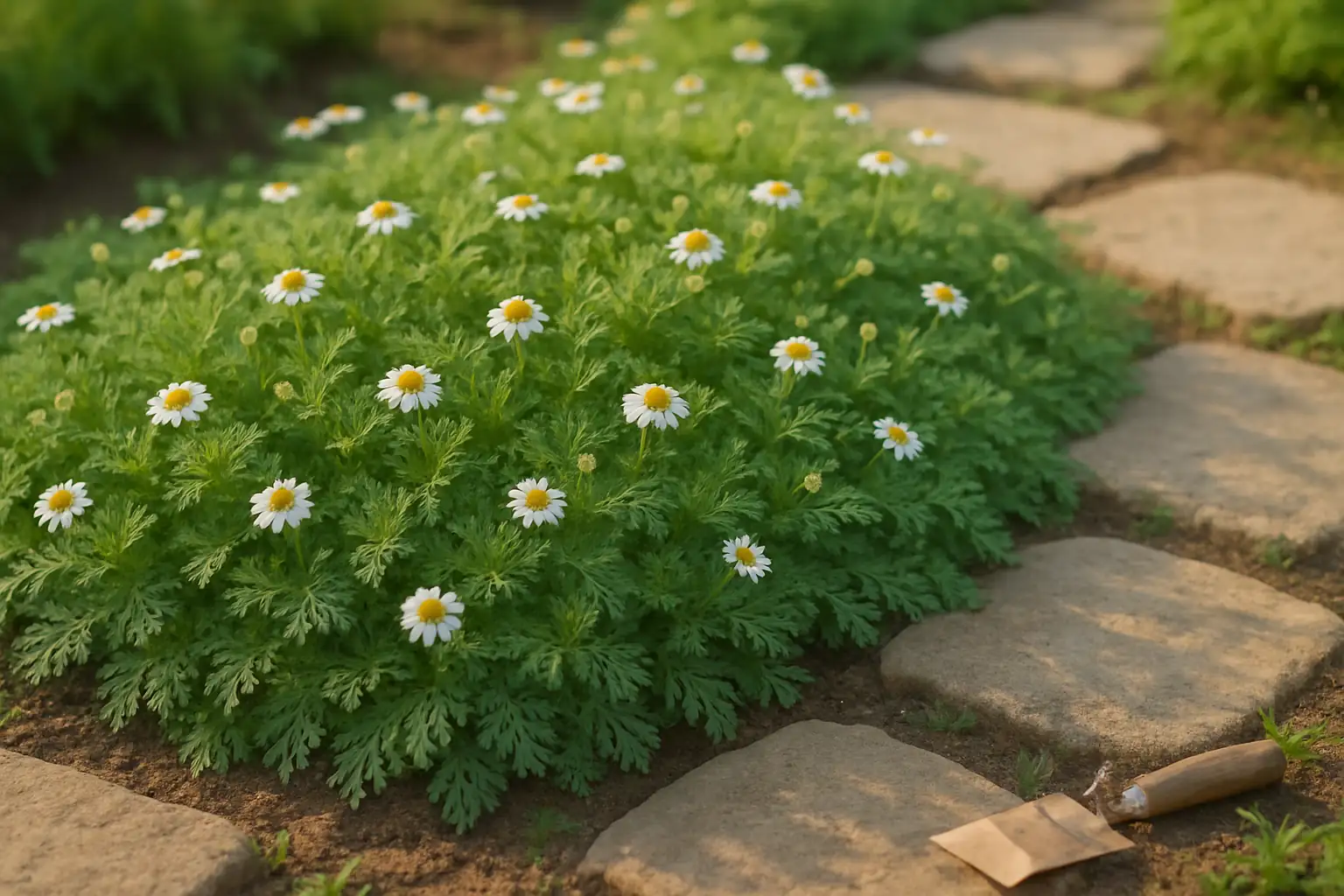
- German chamomile: Tea gardens, cutting patches, cottage borders, and pollinator‑friendly rows in the veg plot.
- Roman chamomile: Fragrant groundcover along paths, between stepping stones, and as a low edging. It handles light foot traffic and releases a sweet “ground apple” scent when brushed.
A note on symbolism (and why it fits the plant)
Chamomile’s “flower language” in European and Victorian traditions often linked it to comfort, gentle healing, and resilience. The meaning likely arose from everyday experience: a soothing household herb that keeps blooming cheerfully even when conditions aren’t perfect. It’s less a rigid code than a cultural echo of how people used the plant—calm in a cup, and plucky in the garden.
Safety sip
- Generally non‑toxic, but members of the daisy family can trigger allergies in sensitive people.
- Possible contact dermatitis for some.
- Use extra caution with concentrated extracts/essential oils, during pregnancy, for very young infants, and if taking anticoagulant medications.
Quick checklist to pin by the potting bench
- Sow: Spring; also fall in mild climates (surface‑sow, keep bright and moist).
- Pinch: Seedlings at 3–4 true leaves.
- Deadhead: Early and often.
- Shear: Mid‑season to ~10 cm (4 in) for a fresh flush.
- Heat‑wave watering: Deep morning soak; light mulch; shade in very hot regions; never soggy.
- Overwinter Roman: Mulch, reduce water, protect from harsh wind; container plants under shelter.
- Re‑sow/refresh: Let a few German chamomile blooms set seed if you want volunteers; divide Roman mats in early spring every 2–3 years.
Give chamomile sun and drainage, keep your snips handy, and it will reward you with waves of fragrant daisies—and a garden that smells like a pocket of summer every time you walk by.