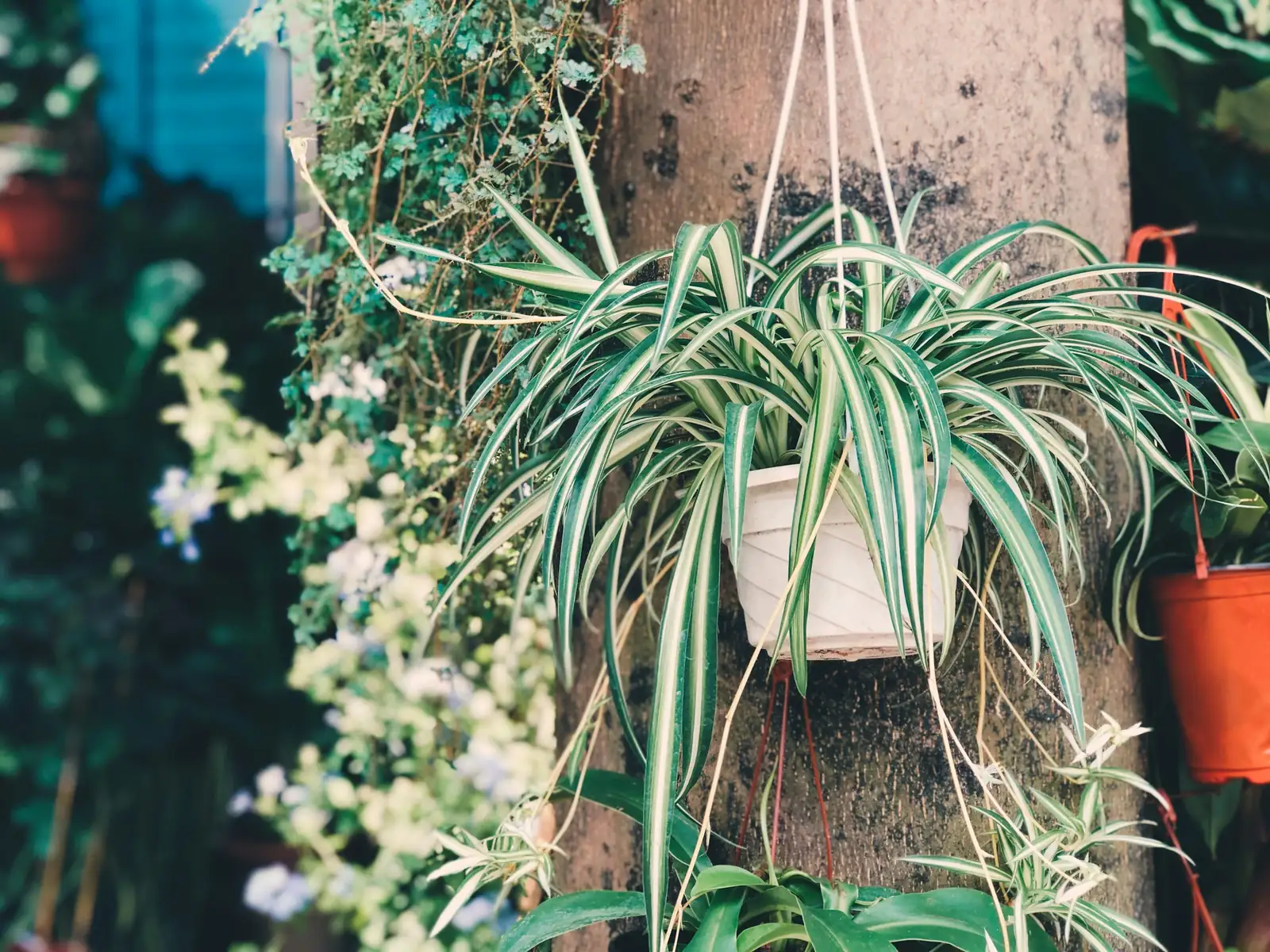
If you love a plant that meets you halfway, Spider Plant (Chlorophytum comosum) is your cheerful co-pilot. Think of it as a living green fountain that likes a steady rhythm: bright but gentle light, evenly moist soil (never soggy), and a consistent, season-aware routine. Below is a practical, month-by-month map—what to water, when to feed, whether to repot, and how to keep temperatures just right through spring, summer, autumn, and winter.
H2: Meet Spider Plant, your easygoing overachiever
- Botanical: Chlorophytum comosum (family Asparagaceae), also called Airplane Plant, Ribbon Plant, Spider Ivy, St. Bernard’s Lily
- Origin: Southern Africa—especially coastal and inland regions of South Africa—now a beloved houseplant worldwide
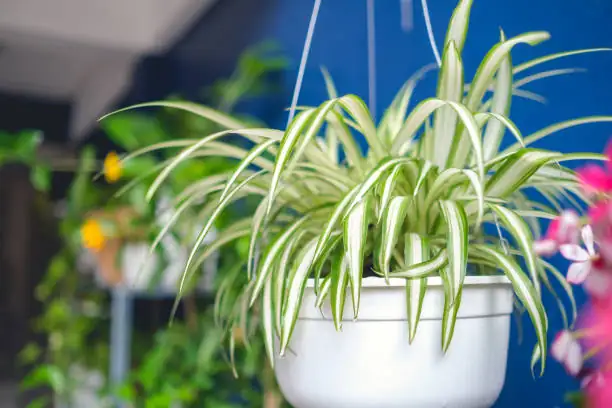
- Look and size: Arching, ribbon-like leaves (green or crisply variegated), typically 20–45 cm tall with a 30–60 cm spread; runners can cascade 30–90+ cm
- Light: Bright, indirect light is best; tolerates lower light but with fewer plantlets and paler variegation; avoid harsh midday sun
- Pet-friendly note: Generally non-toxic to humans and most pets; curious cats may nibble and get mild tummy upset—place out of reach if you have a leaf-muncher
- Signature charm: Long stolons that dangle baby “spiderettes” ready to root—sharing made easy
H2: The core care rules (these don’t change)
- Watering rhythm: Aim for “evenly moist, never soggy.” Water thoroughly when the top 2–3 cm (about 1 in) of mix dries, then drain. Overwatering is the common mistake—those thick, fleshy roots store water.
- Water quality: To curb brown tips from salts/fluoride, flush the pot monthly with lukewarm water (~25°C/77°F), and consider rain/filtered/distilled water if your tap is hard or high in fluoride/chlorine.
- Soil: Loose, fertile, well-draining potting mix (all-purpose houseplant mix + perlite/coarse sand; some peat/leaf mold for balance).
- Temperature: Sweet spot is 18–24°C (64–75°F). Keep above ~7°C (45°F). Avoid prolonged heat above ~30°C (86°F), especially with strong sun.
- Humidity: Adaptable; moderate humidity (~50%+) keeps tips prettier. In very dry rooms, occasional midday misting or a pebble tray helps (avoid constantly wet foliage in cool, still air).
- Feeding: Spring to early autumn, use a balanced liquid fertilizer every 2–3 weeks (or lightly every 10–14 days). Reduce to monthly or pause in winter. Don’t overdo nitrogen on variegates (it can blur the stripes).
- Repotting: Every 2–3 years or when roots circle the pot/escape the drainage holes. Move up just 2.5–5 cm (1–2 in). Slightly snug pots often prompt more runners.
H2: Your year-round calendar
Note: Months assume a temperate Northern Hemisphere indoor setup. In other regions, map these to your local seasons.
H3: Spring (March–May): Wake-up and reset
March
- Water: Increase slightly—growth is stirring. Still, water only when the top 2–3 cm are dry.
- Feed: Resume with a balanced liquid fertilizer every 2–3 weeks at dilute strength.
- Repot/Divide: Prime month to repot one size up and refresh mix; divide crowded clumps now for instant rejuvenation.
- Temperature & Light: 18–24°C (64–75°F). Slide closer to bright windows, shield from sharp midday beams.
- Bonus: Do your monthly flush to rinse salts and prevent brown tips.
April
- Water: Maintain evenly moist—not wet. In brighter rooms you may water about weekly; always check soil, not the calendar.
- Feed: Continue every 2–3 weeks. Avoid heavy nitrogen if you want crisp variegation.
- Repot: Still great timing if you missed March; otherwise, leave be.
- Temperature & Light: Bright, indirect light; rotate the pot to keep the rosette symmetrical.
- Bonus: Expect first runners and flowers; you can pin a still-attached plantlet into a small pot to root, then snip.
May
- Water: Warmer rooms = slightly faster drying. Thorough soak, then drain fully.
- Feed: Stay on rhythm. Pale leaves/weak growth? A gentle, regular feed usually perks it up.
- Repot: Only if necessary. Slight root snugness can encourage more plantlets.
- Temperature & Light: If you summer outdoors in mild climates, start hardening off in bright shade once nights stay above ~10°C (50°F).
H3: Summer (June–August): Peak growth and playtime
June
- Water: In warm, bright conditions you may water roughly twice weekly (even every 2–3 days in hot, dry homes). Still: only when the top inch is dry.
- Feed: Every 2–3 weeks. Flush salts this month with lukewarm water.
- Repot: Avoid unless urgent. Hot, high-evaporation days make aftercare trickier.
- Temperature & Light: Keep around 18–24°C indoors; avoid prolonged >30°C (86°F). Bright, indirect light with midday shade.
July
- Water: Heat management month—thorough soaks, never soggy. Morning watering helps. Watch for accelerated drying in hanging baskets.
- Feed: Continue routine; don’t push super-high nitrogen (variegates can green out).
- Repot: Only emergencies (e.g., collapsing mix, root rot).
- Temperature & Light: Shield from scorch; boost airflow. Very dry air invites spider mites—give the foliage a lukewarm rinse and increase humidity.
August
- Water: Stay consistent. Tip browning? Revisit water quality; consider filtered/rainwater.
- Feed: Maintain cadence and do a salt-flush if you skipped July.
- Repot: Wait for cooler days.
- Temperature & Light: Bright, indirect. If outdoors, keep them shaded and bring them in during heat spikes.
H3: Autumn (September–November): Taper and tuck in
September
- Water: Begin a gradual slow-down. Let the top 2–3 cm dry before watering; intervals usually lengthen.
- Feed: Reduce to monthly by late month.
- Repot: Not ideal now—save big moves for spring.
- Temperature & Light: If summered outdoors, bring plants in before nights dip near 10°C (50°F). Inspect for hitchhiking pests on crowns and leaf bases.
October
- Water: Likely weekly or a touch less in average homes; confirm with your finger test.
- Feed: Monthly at most, or pause if growth has clearly slowed.
- Repot: Skip.
- Temperature & Light: Give the brightest indirect light you can as days shorten; rotate for even growth.
November
- Water: Go easy—cooler temps + lower light mean slower drying. Err on the drier side to prevent rot.
- Feed: Usually pause.
- Repot: Not advised.
- Temperature & Light: Keep above 7°C (45°F). Avoid cold drafts and pressed-against-cold-glass placements.
- Bonus: Improve airflow to deter gray mold or other fungi in stale, humid rooms; avoid wet foliage late in the day.
H3: Winter (December–February): Bright light, light touch
December
- Water: Sparing and steady—often weekly or less, always guided by soil dryness. Use room-temp water.
- Feed: Typically pause.
- Repot: No.
- Temperature & Light: 18–24°C (64–75°F) preferred; never let it chill near windows below ~7°C (45°F). Gentle winter sun is usually fine.
January
- Water: Similar to December. If your air is very dry from heating, humidity support (pebble tray) helps keep tips tidy.
- Feed: Optional very light feed if you see active new growth; otherwise, wait.
- Repot: Resist the urge—spring is soon.
- Temperature & Light: Brightest spot available; rotate to prevent leaning.
February
- Water: Still conservative, but watch for slightly faster drying if days start lengthening in your region.
- Feed: Consider reintroducing a dilute feed toward month’s end if growth resumes.
- Repot: Start planning; gather fresh, well-draining mix and the next pot size up.
- Temperature & Light: Keep warm, bright, and draft-free. Chilling injury can show up around ~4°C (39°F)—don’t risk it.
H2: Extra know‑how for a flawless plant
Light placement
- Best spots: Near an east window, a bright north window, or set back from strong south/west exposures behind a sheer. Bright bathrooms and offices work beautifully.
- Rotate the pot every couple of weeks for even, fountain-like growth.
The brown-tip checklist
- Common causes: Dry air, inconsistent watering, fertilizer or tap-water salts (including fluoride).
- Fixes: Switch to filtered/rainwater if possible, flush the pot monthly (~25°C/77°F water), keep watering even, and raise humidity a notch.
Propagation made effortless
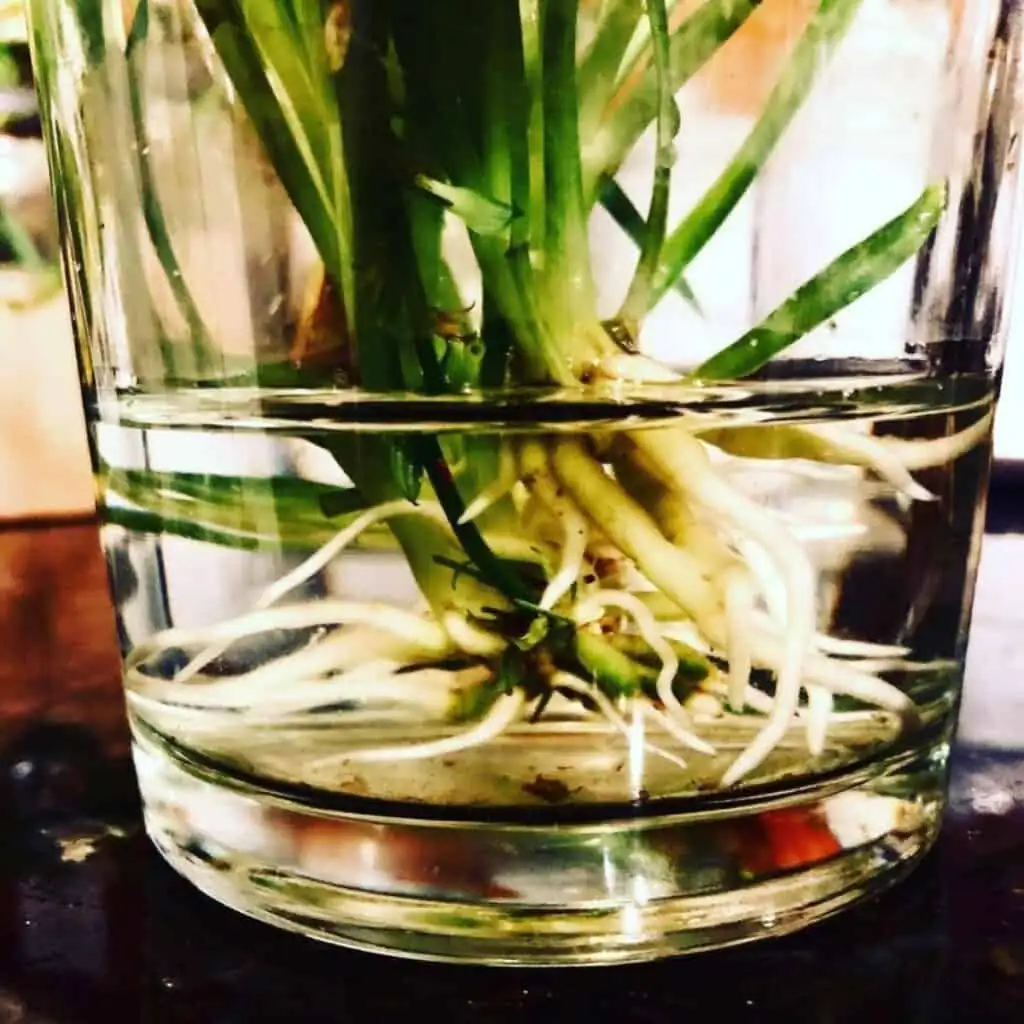
- Plantlets: Snip a baby with visible aerial roots and pot into moist mix, or root in water for 1–2 weeks first. You can also pin a still-attached baby into a pot to root, then cut the runner.
- Division: In spring, split a crowded clump and repot the sections.
Water culture option
- Long-term viable if you keep the crown above water and submerge only roots.
- Change water every 7–10 days in spring/summer; about every 2 weeks in autumn/winter.
- Feed with a very dilute nutrient every 10–14 days during active growth.
Pests and problems
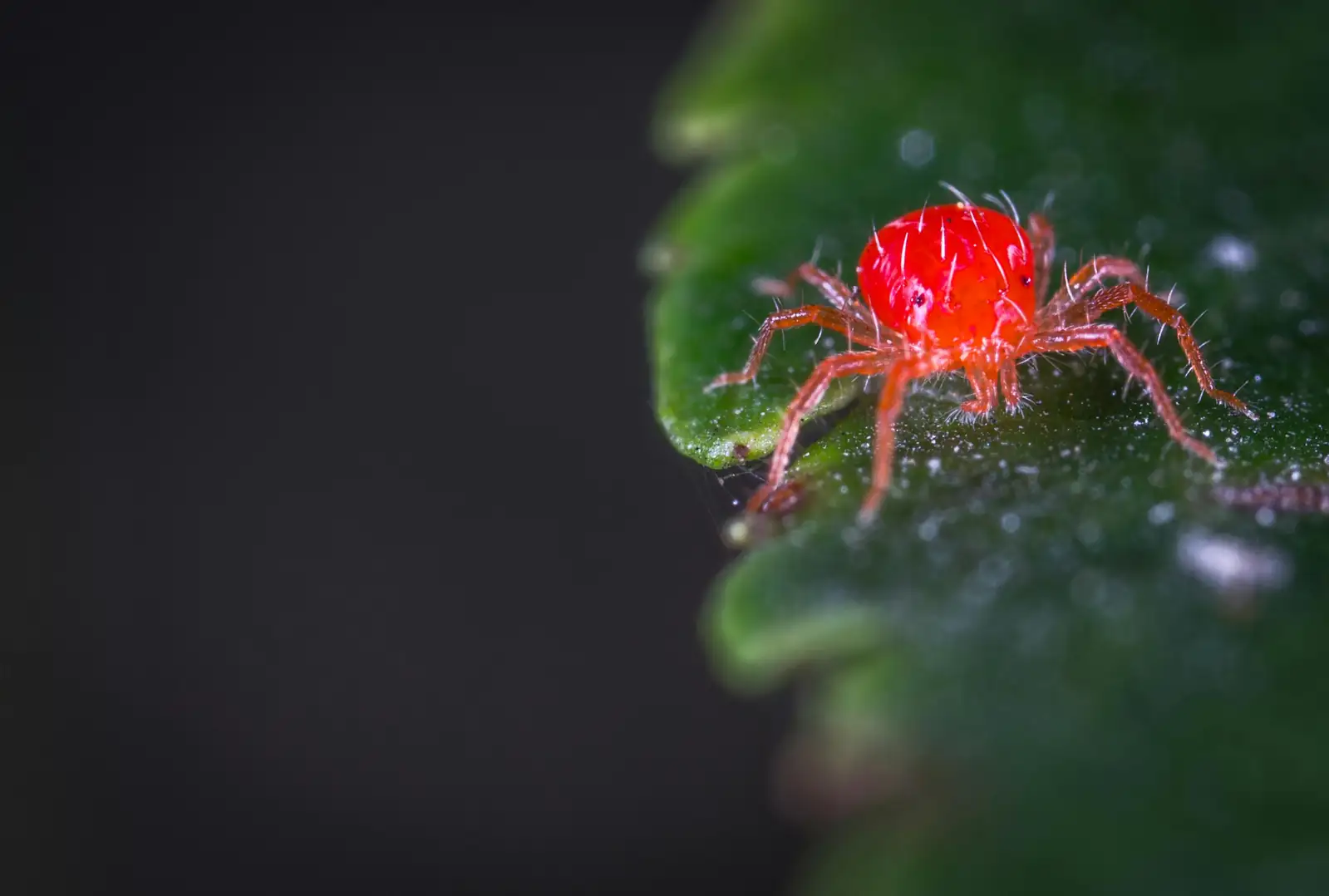
- Watch for spider mites (dry air), mealybugs, scale, and occasional aphids. Rinse foliage, then treat with insecticidal soap or neem/horticultural oil as needed.
- Overwatering + heavy soils = root rot risk. Use free-draining mix and empty saucers after watering.
H2: Symbolism (flower language) and why it resonates
Spider Plant is often seen as a symbol of resilience and renewal. Its generous cascade of plantlets reads like a promise: growth begets more growth, and there’s always enough to share. While “flower language” traditions vary by culture and aren’t scientific, the plant’s enduring popularity and forgiving nature give this symbolism real-life roots—few houseplants bounce back, multiply, and brighten a home quite so readily.
H2: Quick FAQ
- Why isn’t my plant making babies?
- It needs brighter indirect light and a bit of maturity. Keep it slightly snug in its pot and avoid heavy nitrogen feeding.
- How often should I water?
- When the top 2–3 cm (about 1 in) of mix is dry. In warm, bright rooms, that may be roughly twice weekly; in winter, often weekly or less.
- Can it handle low light?
- It tolerates it, but growth slows, striping dulls, and runners may be few. Aim for bright, indirect light for the “wow.”
Follow this seasonal rhythm and your Spider Plant will reward you with glossy ribbons of green, airy white blooms, and a parade of baby plantlets—like confetti for your windowsill, all year long.