

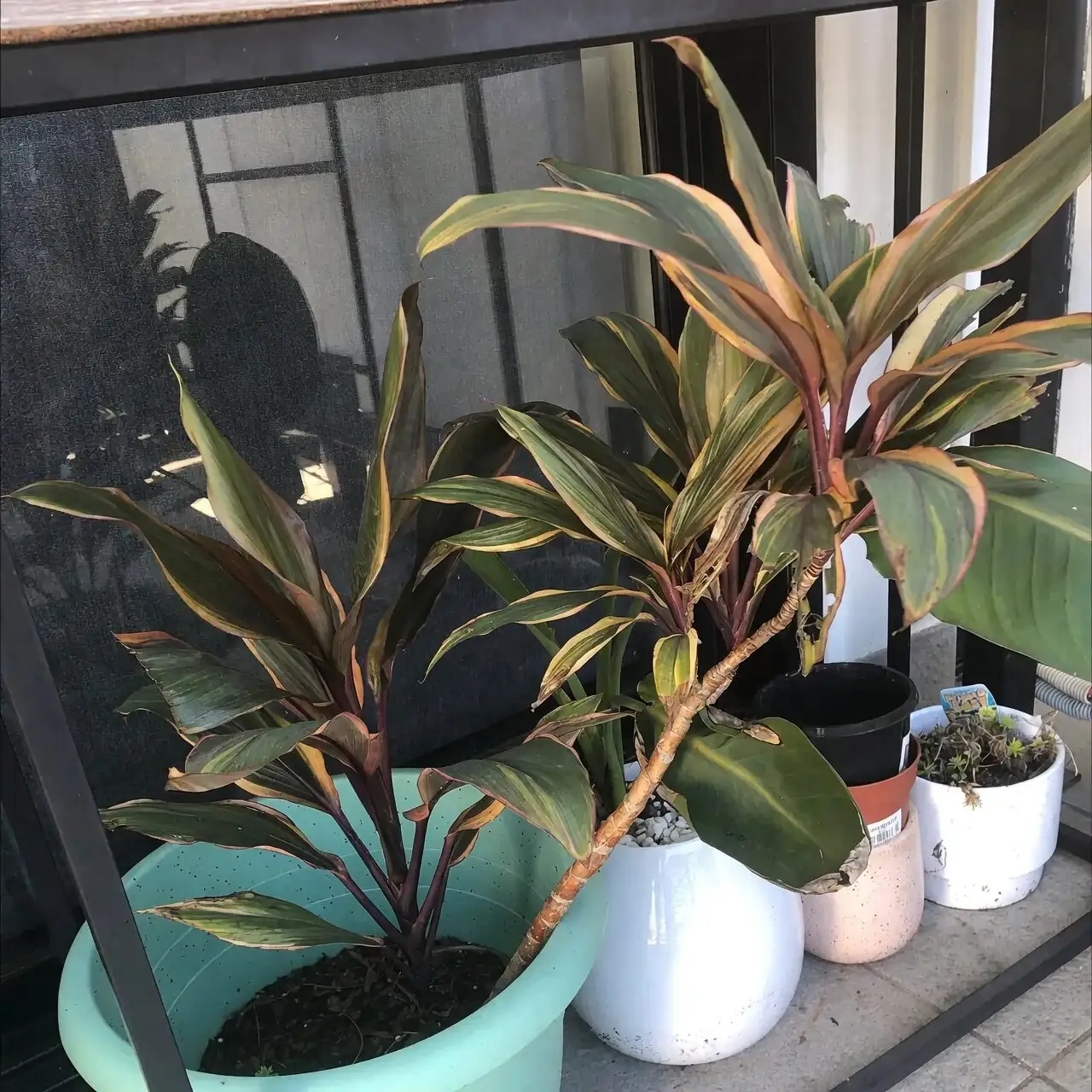
Think of Cordyline fruticosa—Ti Plant, Hawaiian Ti, “Good Luck Plant”—as a compact slice of the tropics you can coach through the seasons. Give it bright, filtered light, keep its roots lightly moist, and time your tasks to the calendar, and it will repay you with glossy, sunset-colored leaves and an elegant, upright silhouette.
Below is your season-by-season playbook with exact windows to keep this warmth-loving beauty thriving.
Meet the Ti Plant at a Glance
- Botanical name: Cordyline fruticosa (family Asparagaceae)
- Origin: Native to Southeast Asia through the western Pacific; widely cultivated and naturalized across many tropical regions
- Habit: Upright, woody-stemmed shrub with cane-like stems and a fountain of strap-shaped leaves
- Indoors size: Typically 40 cm–1.5 m (16 in–5 ft), depending on pot and pruning
- Foliage: Green to deep burgundy, hot pink, and boldly variegated forms; grown mainly for its leaves
- Light: Bright, filtered (bright indirect) light; avoid harsh midday sun
- Temperature: Loves warmth—ideal 20–25°C (68–77°F); keep above 5°C (41°F)
- Humidity: Prefers around 50–60%
- Notable trait: Lower leaves naturally age and drop as stems lengthen; trimming encourages branching
The Core Conditions (set these once, then fine-tune seasonally)
- Light: A bright east window or a south window with a sheer curtain is ideal. In summer, protect from midday sun, which can scorch the leaves.
- Soil and pot: Use a free-draining, airy mix (quality potting soil + compost/leaf mold + perlite or coarse sand). Always choose a pot with drainage.
- Watering rhythm: During active growth, water when the top 2–3 cm (about 1 in) of mix is dry; water thoroughly and drain the saucer. Keep evenly, lightly moist—never soggy.
- Warmth and airflow: Keep away from cold drafts; provide gentle airflow to discourage leaf spot.
Your Seasonal Care Calendar (with exact windows)
Spring (prime repotting time every 2–3 years)
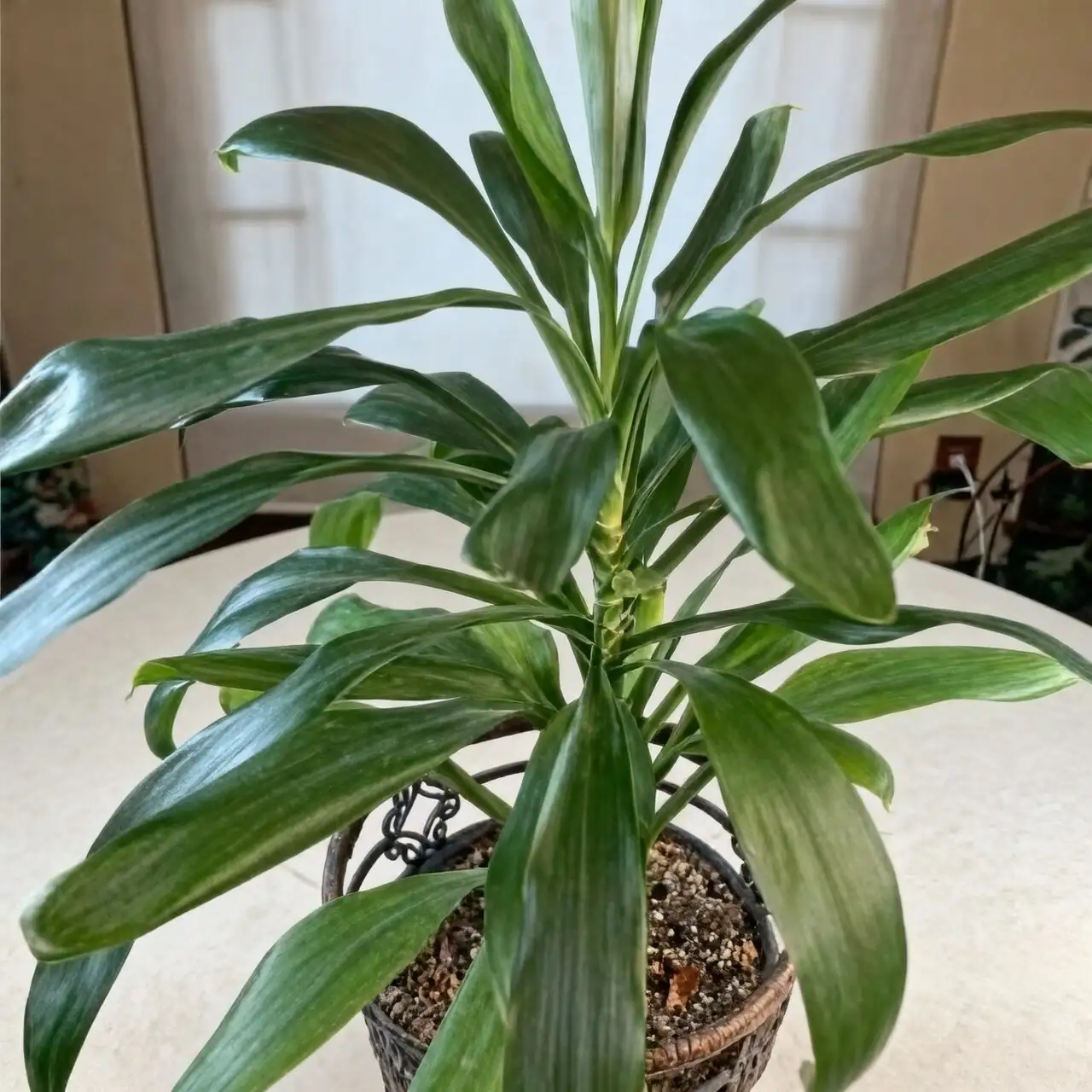
- Repotting: Every 2–3 years in spring, shift into a slightly larger pot (often 15–25 cm / 6–10 in diameter, depending on plant size) with fresh, well-draining mix. Lightly trim damaged fine roots. Keep warm while it re-establishes.
- Light and temperature: Increase light (still filtered) as days lengthen; target 20–25°C (68–77°F).
- Water: Resume a steadier watering rhythm as growth picks up—still allowing the top 2–3 cm to dry between waterings.
- Pruning: Remove naturally yellowing lower leaves. If tall and bare, cut stems back to prompt branching.
- Placement check: Refresh its spot near a bright window; avoid deep shade that speeds leaf aging.
May–September (active growth and feeding window)
- Fertilizing: Feed every 2 weeks from May through September with a balanced liquid fertilizer (foliage-plant feed) at label strength.
- Tip: Avoid excess nitrogen, which can reduce variegation. Adequate potassium supports leaf quality.
- Humidity: Aim for 50–60%. Use a humidifier or pebble tray; if misting, do it early in the day and keep good airflow to minimize leaf spot.
- Propagation window:
- May–June: Air-layering
- June–October: Stem tip cuttings (10–15 cm / 4–6 in) root in moist sand/perlite in ~4 weeks
- September: Sow ripe seed indoors at 24–27°C (75–81°F); germination in ~2 weeks
- Summer shade: In the height of summer, give midday shade. Morning sun with filtered light later is perfect; avoid harsh noon rays that can scorch leaves.
Summer specifics (heat-smart habits)
- Water: Warm days mean faster drying. Check moisture more often, but keep “lightly moist, never wet” as your mantra. Never leave water in the saucer.
- Light: Bright, filtered light is non-negotiable; curtain the south window at midday. Outdoors in warm climates (zones ~10–12), keep in part shade and protect from direct midday sun.
- Temperature: Thrives in summer warmth (25–30°C / 77–86°F). Watch for heat stress in very hot rooms and increase humidity/airflow as needed.
Autumn (gentle slow-down)
- Feeding: Continue every-2-weeks feeding through September; then taper off as days shorten.
- Water: Let the top layer dry a touch deeper before each watering as growth slows. Keep drainage impeccable.
- Light: Scoot the plant closer to your brightest filtered light to help preserve leaf color as daylight wanes.
- Clean-up: Groom spent lower leaves to keep the crown tidy and encourage airflow.
Winter (keep it warm and water lighter)
- Warmth: Keep above 5°C (41°F) at minimum; aim for a comfortable indoor range. Cooler nights around 7–10°C (45–50°F) can be tolerated, but warmer is kinder to foliage.
- Water: Water more lightly and less often, letting the top layer dry a bit more between waterings. Never let the pot sit in water.
- Feeding: Pause fertilizing in winter, especially in cool rooms.
- Light: Maximize bright, filtered light; avoid cold windows or drafts. If indoor air is dry, maintain 50–60% humidity.
Shaping, Styling, and Propagating
Pruning for form
- Remove yellowing lower leaves regularly.
- To refresh a tall, leggy plant, cut stems back; new shoots sprout below the cut, creating a fuller crown over time.
Propagation, step by step
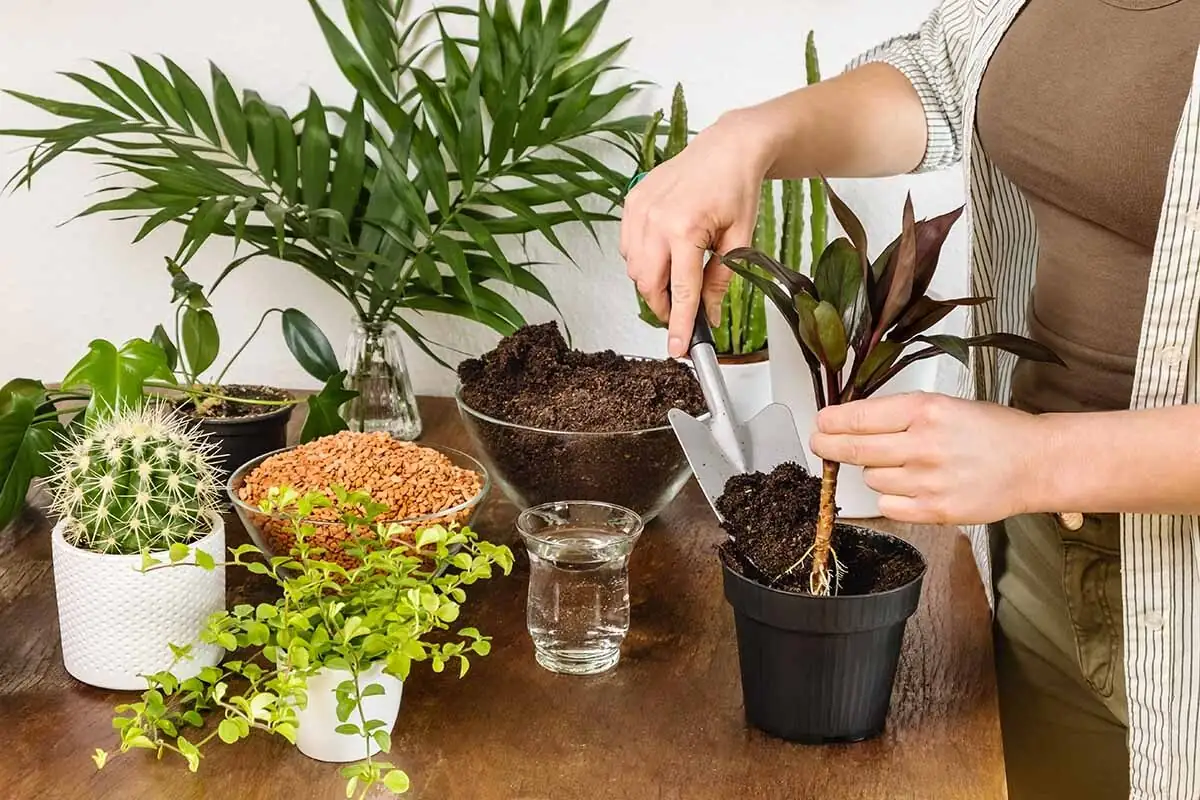
- Stem cuttings (June–October): Take 10–15 cm (4–6 in) semi-mature tips; keep 5–6 leaves and shorten them by half to reduce stress. Root in moist sand/perlite; expect roots in about 4 weeks.
- Air-layering (May–June): Ring-bark a 1.5 cm (0.6 in) band about 20 cm (8 in) below the tip; wrap with moist sphagnum and plastic. Roots often form in 5–6 weeks; then cut below the rooted section and pot.
- Seed (September): Sow freshly ripe seed indoors at 24–27°C (75–81°F). Sprouts in ~2 weeks; pot up seedlings at 4–5 cm tall.
Can it grow in water?
- For propagation, yes—stems root readily in water. For longer-term display, many growers shift rooted pieces into a well-draining mix to avoid root troubles. If you experiment with hydroculture, keep water fresh, oxygenated, and lightly fed during active growth.
Troubleshooting: Read the Leaves
- Scorched edges or mushy patches after a chill: Cold injury—keep above 5°C (41°F) and away from drafts.
- Leaf drop: Often drought stress—don’t let the root ball bone-dry. Recalibrate watering to “lightly moist.”
- Yellowing tips, root issues: Overwatering or soggy mix; improve drainage, empty the saucer, and let the top layer dry before the next drink.
- Fading color or weak variegation: Often a root-bound plant or tired mix. Repot in spring and provide bright, filtered light. Avoid heavy nitrogen.
Pests and Diseases
- Leaf spot/anthracnose: Encouraged by wet leaves and poor airflow. Water the soil directly, improve ventilation, and remove affected tissue.
- Scale insects: Common on stems. Treat early with horticultural oil or insecticidal soap and repeat as needed. Quarantine new plants when you bring them home.
Placement and Pairing

- Best indoor spot: Near an east window, or a south window behind a sheer curtain—bright but filtered.
- Avoid: Long-term deep shade (speeds leaf aging and brown spotting), and harsh midday sun.
- Styling note: Use contrasting foliage companions in similar light—broad, variegated ti leaves pop against fine-textured, shade-tolerant houseplants.
Safety
- Toxicity: Potentially toxic to pets (especially cats and dogs) if chewed, possibly causing drooling and gastrointestinal upset. Keep out of reach.
Culture, History, and “Flower Language”
- Symbolism: Across the Pacific—especially in Hawai‘i—ti is linked with good luck and protection. It’s commonly kept as a “good luck plant” in homes and used decoratively in festivals and traditional adornment.
- About “flower language” claims: While some modern houseplant circles assign generic meanings, ti’s deeper resonance comes from its longstanding cultural use across the Pacific rather than Victorian-era floriography. Think of it less as a cute caption and more as a living emblem of welcome, resilience, and celebration.
Quick FAQ
- Why isn’t my plant as colorful as when I bought it?
- Likely needs fresh mix and a bit more light. Repot in spring, move to brighter filtered light, and feed every 2 weeks from May–September. Avoid excess nitrogen.
- Will it flower indoors?
- It can, but it’s uncommon. Ti is mainly prized for its foliage; flowering, when it happens, is usually in summer under warm, bright conditions.
The One-Page Routine Recap
- Spring: Repot every 2–3 years; prune for shape; increase watering slightly as growth resumes.
- May–September: Feed every 2 weeks; maintain 50–60% humidity; propagate; give midday shade in summer.
- Autumn: Taper feeding after September; water a bit less; keep light bright and filtered.
- Winter: Keep warm (above 5°C/41°F), water lighter, and pause fertilizer in cool rooms.
Set the rhythm to the seasons, protect it from midday scorch and winter chills, and your Ti Plant will blaze with color year after year.