

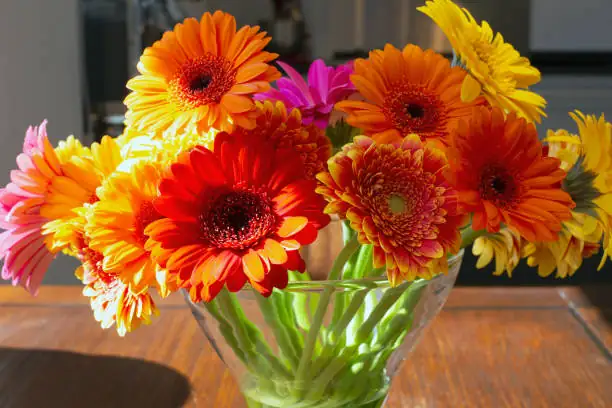
If sunshine had petals, it might look like a Gerbera daisy—big, buoyant, and determined to brighten any room or border. The trick to keeping Gerbera jamesonii blooming for months (not weeks) is timing. Think of it like a four‑act play: spring cleanup and feeding, summer heat/airflow tactics, an autumn rebloom push, and a gentle winter slowdown above 10°C (50°F). Follow the month‑by‑month moves below and your plant should never hit a slump.
Meet Gerbera jamesonii (Gerbera Daisy) at a glance
- Origin: Southern Africa, especially the Barberton/Transvaal region (hence “Barberton” or “Transvaal” daisy).
- Family: Asteraceae; genus Gerbera.
- Habit and size: Clump-forming perennial with a low rosette of leaves and tall, leafless flower stems. Typically 20–45 cm (8–18 in) tall in bloom; 20–60 cm (8–24 in) across depending on cultivar and pot size.
- Blooms: Large, daisy-like heads 5–15 cm (2–6 in) wide in white, cream, yellow, orange, salmon, pink, and red; single to double forms. Outdoors: spring to autumn; indoors: on and off with very bright light and mild temperatures.
- Not frost hardy: Commonly grown as a tender perennial (roughly USDA Zones 9–11; sometimes Zone 8 with winter protection). In colder regions, grow as an annual or overwinter indoors.
Fun fact: What looks like one “flower” is actually a composite head of many tiny florets—classic Asteraceae engineering.
The five non‑negotiables for Gerbera success
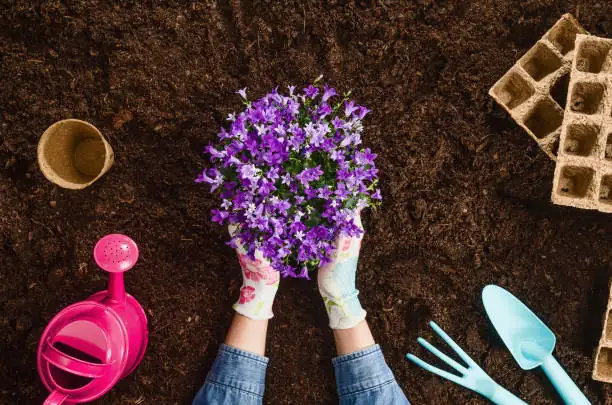
- Light: Bright light to full sun; aim for 6+ hours daily. In hot climates or behind glass, provide morning sun and light midday/afternoon shade.
- Drainage: Use a rich, free‑draining mix (slightly acidic, pH ~5.5–6.5). Never bury the crown; it should sit at or slightly above the mix.
- Watering smarts: Water thoroughly, then let the top 2–5 cm (1–2 in) dry slightly. Always water the soil—never into the rosette/crown.
- Airflow: Fresh air is your disease insurance. Stale, damp air invites powdery mildew and Botrytis (gray mold).
- Temperature: Sweet spot is 15–28°C (59–82°F), with best flowering often at 18–24°C (64–75°F). Keep above about 10°C (50°F) in winter.
Month‑by‑month playbook (temperate Northern Hemisphere; shift 6 months in the Southern Hemisphere)
Tip: Indoor plants follow the same rhythm—light and airflow are the big levers.
January
- Light therapy: Park in the brightest window you have. If leaves stretch, add a small grow light.
- Watering: Sparing. Let the surface dry before watering; keep leaves and crown dry.
- Air check: Crack a window on mild days or run a small fan on low to prevent stuffiness.
- Groom: Snip any yellowing leaves to keep the crown open.
February
- Inspect roots: If the plant is jam‑packed and you see roots peeking from drainage holes, plan a March repot.
- Pest patrol: Spot-check undersides of leaves for aphids, thrips, whiteflies, and mites.
March
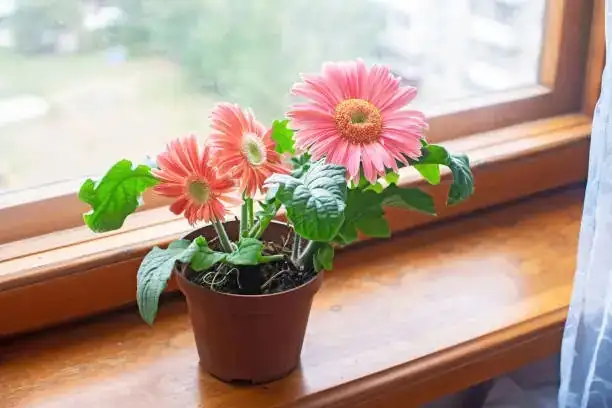
- Spring reset: Repot into a pot just one size up (often 12.5–15 cm / 5–6 in for a single plant). Use a free‑draining mix; keep the crown slightly proud of the soil.
- Divide established clumps: Each division needs a healthy root mass and at least one growing point.
- Feeding starts: Begin a balanced liquid feed every two weeks.
- Watering returns to “evenly moist, never soggy.”
April
- Hardening off: If moving outdoors, acclimate over 7–10 days once frost danger fades.
- Sun strategy: Aim for morning sun, light afternoon shade. Indoors, a sunny window with sheer midday protection works well.
- Deadhead: Cut spent stems to the base to keep blooms coming.
May
- Peak push: Maintain the two‑weekly feed. If buds are shy, alternate in a bloom‑leaning fertilizer (higher P/K, lower N).
- Airflow: Space plants; use a gentle fan on stuffy patios, porches, or sunrooms.
- Watering: Likely 2–3 times weekly now—still avoiding wet foliage and the crown.
June
- Heat management: Behind hot glass, shift to an east window or provide light midday shade outdoors.
- Disease prevention: Water early in the day; never splash the leaves. Keep mulch away from the crown; a grit collar around the base helps it dry fast.
July
- Summer stamina: Expect faster drying; water as needed but don’t let the pot sit in saucer water.
- Salt reset: Once this month, flush the pot with ample water to leach fertilizer salts.
- Scout for thrips (silvery streaks on petals/leaves) and mites (fine stippling); increase airflow and treat early.
August
- Heat zen: Your mantra is “bright light + cool roots + moving air.” Shade cloth or a sheer curtain helps avoid scorch.
- Feeding: Continue through late summer at label rates, easing off as nights begin to cool.
- Hygiene: Remove any tired, floppy leaves to keep the crown airy.
September
- Autumn encore: Cooler nights often trigger a flush of buds.
- Bud support: Keep light strong and resume/continue bloom‑leaning feeds for a few rounds.
- Watering: Begin slight reductions as evapotranspiration slows, but don’t let the root ball swing bone‑dry.
October
- Pre‑winter tidy: Deadhead, thin old leaves, check crown height (never sunken).
- Container plants: Move indoors before nights reliably dip below ~10°C (50°F). Give the brightest window and good airflow.
November
- Feeding fades: Stop or greatly reduce fertilizer as growth slows.
- Water less: Allow the top layer to dry between modest drinks; always keep the crown dry.
- Placement: Away from cold drafts and right next to heaters (both can stress the plant).
December
- Low‑key care: Bright light, sparse water, and clean, dry foliage.
- Plan ahead: Note which spots delivered the happiest summer plants—light and airflow are your repeatable wins.
Quick setup: soil, pots, and placement
- Mix: High‑quality potting mix + perlite or horticultural grit for fast drainage. Slightly acidic is ideal.
- Pot: Just one size up at repot; too much extra mix stays wet and risks crown/root rot.
- Placement: Sunny windowsill, bright balcony, patio, or front‑of‑border spot with airflow. In peak heat, provide light afternoon shade.
Pruning, repotting, and propagation
- Pruning: Deadhead by removing spent stems at the base; pull or cut yellowing leaves to open the crown.
- Repot: In spring (or refresh the top layer of mix in autumn). Keep the crown at or slightly above soil level.
- Propagation: Divide healthy clumps in spring. Seed is possible but may not come true to type; commercial plants are often tissue‑cultured.
Watering and feeding, distilled
- Water: Thoroughly; then wait until the top 2–5 cm dries. Always water the soil (not the center rosette). Water early; keep leaves dry.
- Feed: Every two weeks spring through late summer with a balanced liquid feed; alternate or switch to a bloom‑leaning formula if leaves outpace flowers. Ease off in late autumn and winter.
Troubleshooting: no slumps allowed
- Rotting buds/flowers: Usually wet crowns + heat + poor airflow. Water the soil only, improve ventilation, and give light midday shade in extreme heat.
- Yellow leaves: Often watering swings (too wet/too dry), low light, cold stress, or nutrient imbalance. Check drainage; brighten the spot; feed lightly in active growth. If your mix is alkaline, consider a slightly acidic blend to aid iron uptake.
- Pests: Aphids, thrips, whiteflies, spider mites, and leafminers are common. Prevention is best—bright light, airflow, and dry foliage. Treat early with appropriate controls and repeat as needed.
- Diseases: Powdery mildew, leaf spots, Botrytis, and crown/root rot. Keep foliage dry, water in the morning, and never bury the crown.
Cut‑flower bonus: longer‑lasting stems

- Use a very clean vase and keep water shallow.
- Change water frequently (often daily) and/or use a floral preservative.
- Keep arrangements cool and out of direct sun. Support collars or tubes help if stems droop.
Safety
- Generally regarded as non‑toxic to people and commonly listed as non‑toxic to cats and dogs. Still, discourage nibbling—any plant can upset sensitive stomachs.
Flower language and what it really means
Gerberas are modern icons of cheerfulness, warmth, and admiration. While color meanings vary by culture and florist tradition, common associations include:
- Red: love and passion
- Yellow: friendship and joy
- Pink: gentle admiration
- White: purity
- Orange: enthusiasm and energy
These meanings aren’t ancient lore so much as modern floral symbolism—popularized by gifting culture and the flower’s unmistakably upbeat look.
Why this month‑by‑month plan works
- Spring primes the engine: open crown, fresh mix, steady feed.
- Summer protects the engine: strong light with heat relief and moving air.
- Autumn squeezes a second act: cooler temps + bloom‑leaning nutrition.
- Winter rests (lightly): above 10°C (50°F), bright light, sparse water, dry crowns.
Dial in those four acts and your Gerbera jamesonii will act like the perennial mood‑booster it is—flowering for a long season and gliding through winter ready for its next standing ovation.


