

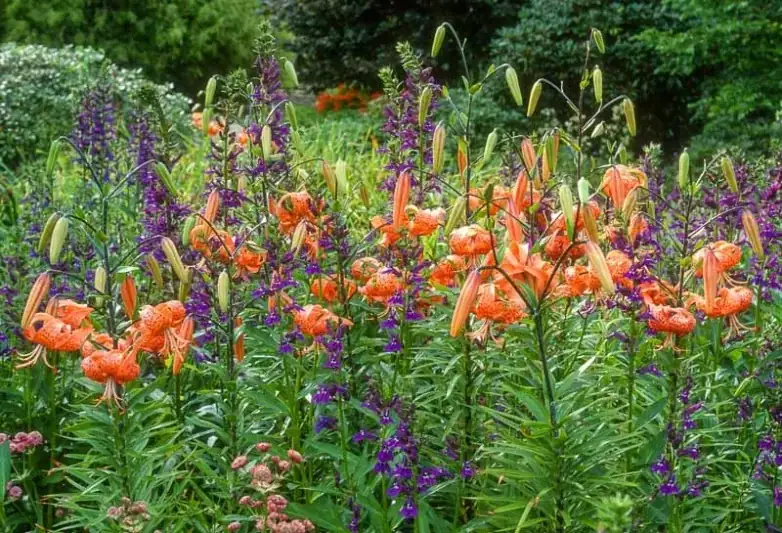
Lilies are the summer fireworks you can plant—tall, elegant stems, glossy leaves, and big, perfumed flowers that take a border from “nice” to “unforgettable.” In USDA Zones 4–8, true lilies (Lilium spp.) thrive if you keep two promises: give them sharp drainage and treat their growth cycle like a rhythm—moist and fed when they’re working, dry and resting when they’re not. Use this seasonal checklist to nail planting timing, watering, fertilizer changes at bud set, deadheading, and dormancy care.
Lily success in a nutshell (Zones 4–8)
- Light: Full sun to partial shade; aim for 4–6+ hours of sun. In hot areas, offer afternoon shade.
- Soil: Fertile, loose, and extremely well-drained; slightly acidic to near-neutral (about pH 5.5–6.5).
- Water: Evenly moist during active growth; never soggy. Water at the base—keep foliage and blooms dry.
- Feeding: Start with fertile soil. Feed at early growth; shift toward higher phosphorus/potassium at bud set.
- Planting depth: In garden beds, about 2–3× the bulb’s height; use deep, well-drained pots for containers.
- Hardiness: Many garden lilies are reliable in Zones 4–8; protect containers from freezing solid.
- Safety: Highly toxic to cats. Keep all parts (and even vase water) far from felines.
When to plant lily bulbs (Zones 4–8)
Plant as soon as you can after purchasing—lily bulbs don’t like to sit around drying out.
- Zone 4–5
- Best: Early fall—roughly 4–6 weeks before the ground freezes.
- Also good: Early spring, as soon as soil is workable.
- Tip: Mulch after the ground cools to buffer winter swings.
- Zone 6
- Best: Fall planting (cool soil, strong rooting).
- Also good: Early to mid-spring for current-year growth.
- Zone 7–8
- Best: Late fall to early winter in well-drained ground.
- Also good: Late winter to early spring if soil is workable.
Container note: Plant in fall or very early spring and protect pots from hard freezes. Deep containers with excellent drainage are key; never let pots sit in saucers of water.
Bloom timing tip: To stretch color from late spring through summer, combine early Asiatics, midseason Orienpets, and later Orientals.
The seasonal checklist (Zones 4–8)
Late winter to early spring: Wake-up and prep
- Uncover winter mulch gradually as soil thaws, keeping the root zone cool.
- Stake tall varieties early if wind is an issue.
- Begin regular watering only once growth is active; keep soil evenly moist, not wet.
- First feeding: Apply a light dose of balanced fertilizer once roots are working (avoid heavy feeding before that).
- Topdress beds with a thin layer of compost or well-rotted organic matter—don’t smother emerging shoots.
- Sun and shade strategy: Full morning sun, with dappled afternoon shade in hot-summer sites.
Spring through pre–bud set: Build the engine
- Water rhythm: Deep, thorough soak about once per week in average weather; adjust to rainfall, heat, and soil. Always water at the base.
- Weed and lightly mulch (2–5 cm) to keep bulbs cool and reduce evaporation; avoid piling mulch against stems.
- Airflow matters: Space for good circulation to reduce Botrytis/gray mold.
- Pest watch: Inspect for aphids; treat early with insecticidal soap or horticultural oil if needed.
Bud set to bloom: Switch fuels and protect the show
- Fertilizer shift: As buds form, switch to higher phosphorus/potassium and avoid heavy nitrogen. Another practical approach is a diluted liquid feed every 15–20 days during active growth.
- Consistent moisture: Keep evenly moist (not soggy) as buds swell and open.
- Keep flowers dry: Avoid overhead watering; wet blooms invite petal rot.
- Cut flowers smartly: Harvest when the first bud is colored but closed. Remove anthers to prevent pollen stains and extend vase life. Keep bouquets away from ripening fruit—ethylene shortens bloom life.
- Shade in heat: In very hot spells, provide afternoon shade to preserve color and perfume.
After flowering (late summer): Recharge the bulb
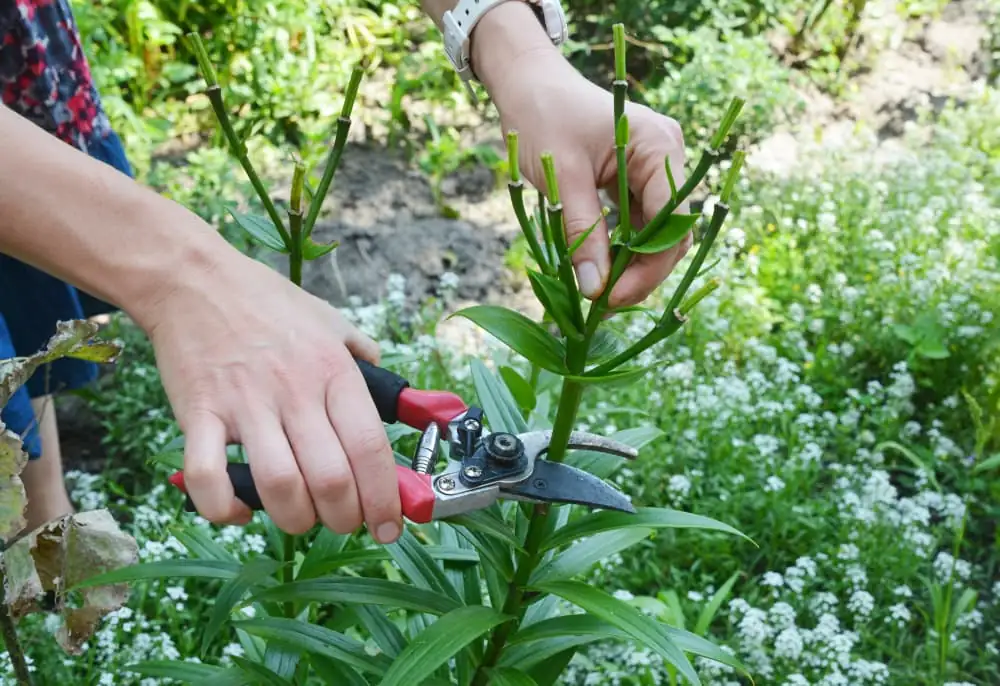
- Deadhead promptly so energy returns to the bulb, not to seed.
- Leave stems and leaves intact until they yellow naturally—this is the bulb’s recharging period.
- Watering: Begin to taper as the foliage starts to fade, shifting from “evenly moist” toward “barely moist.”
- No heavy feeding now; the leaves are doing the last of the work.
Fall: Wind-down and dormancy prep
- Cut back only after foliage fully yellows and withers; then trim to ground level.
- Stop routine watering once stems are cut; keep the soil on the dry side through dormancy.
- In-ground: Ensure drainage is sharp going into winter; re-mulch once the ground cools.
- Containers: Protect pots from hard freezes and prolonged subfreezing spells. Keep media dry-ish; never let containers freeze solid.
Winter: Rest and reset
- In-ground lilies generally overwinter well in Zones 4–8 if soil drains freely.
- Container lilies rest best cool and dry on the safe side of freezing (garage, shed, cold frame). Check occasionally to ensure the mix doesn’t become waterlogged.
Watering, feeding, and deadheading—dialed-in details
Watering by stage
- Emergence to leafy growth: Evenly moist; let the top layer just start to dry before watering again.
- Bud set to bloom: Consistent, deep moisture; avoid overhead watering.
- Post-bloom: Gradually reduce.
- Dormancy: Keep dry to dry-ish; never soggy.
Container tip: Pots dry faster—check more frequently in heat. Use a deep, free-draining mix (e.g., compost/leaf mold + peat or coco coir + coarse sand/perlite).
Feeding rhythm
- At planting: Start with fertile soil and a modest base of compost or well-rotted organic matter.
- Early growth: A balanced feed once growth and roots are active.
- Bud set: Shift toward higher P/K (bloom-focused) and lower N. Alternatively, apply diluted liquid fertilizer every 15–20 days during active growth.
- Avoid heavy feeding on dormant or barely rooted bulbs.
Deadheading done right
- Snip spent flowers as they fade, but keep leaves and stems until they naturally yellow.
- Only cut to the ground after full dieback.
Planting depth and spacing
- In beds/borders: Plant bulbs around 2–3× their height deep. This supports stem root formation and sturdier plants.
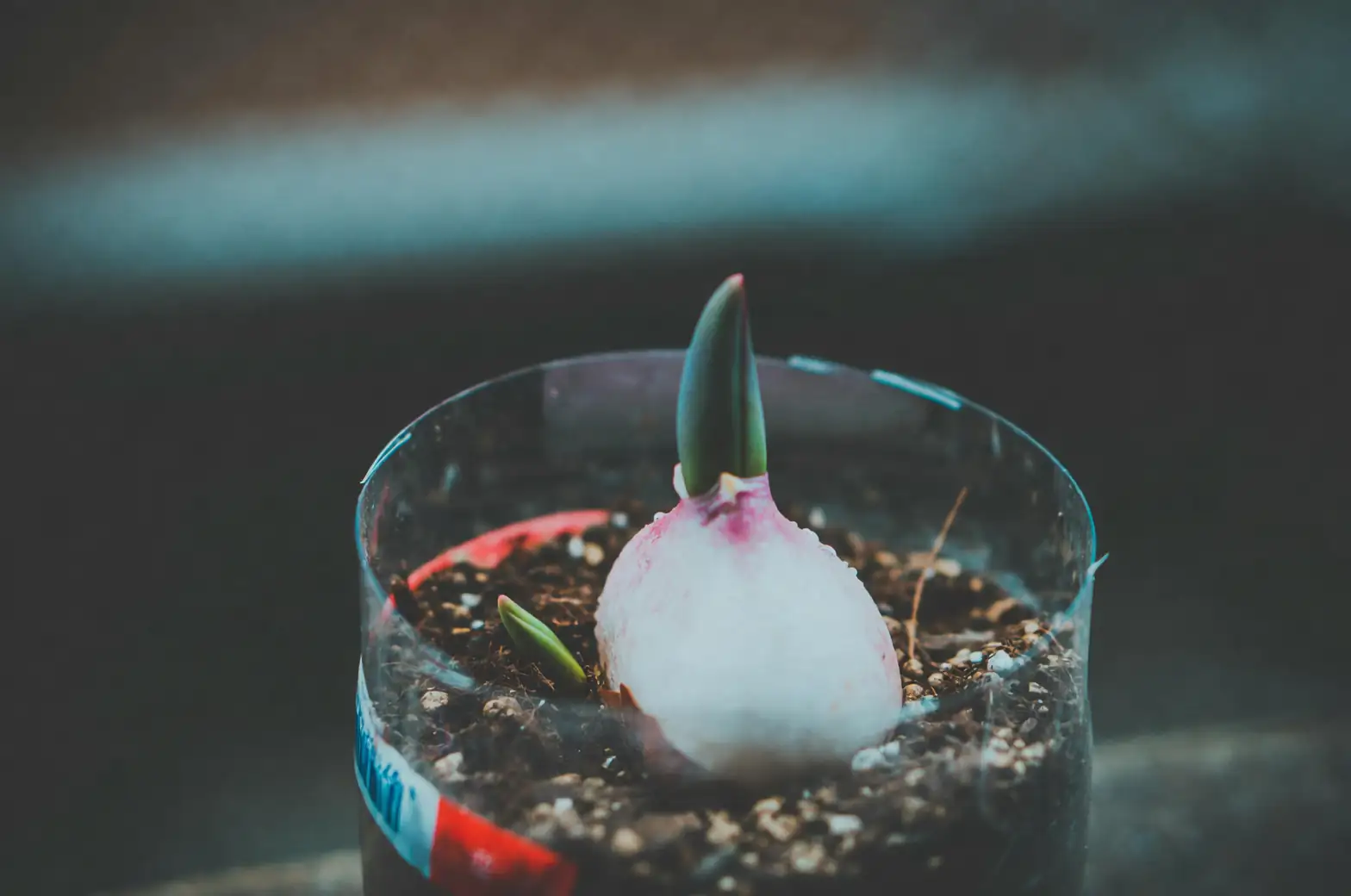
- In containers: Use a deep pot (about 6–8 inches depth or more) with excellent drainage. Some pre-sprouted or retail pot setups sit with only a shallow cover; if you go that route, be extra strict about drainage and avoid overwatering.
- Space most garden lilies roughly 8–18 inches apart, depending on variety.
Container lilies: A few special moves
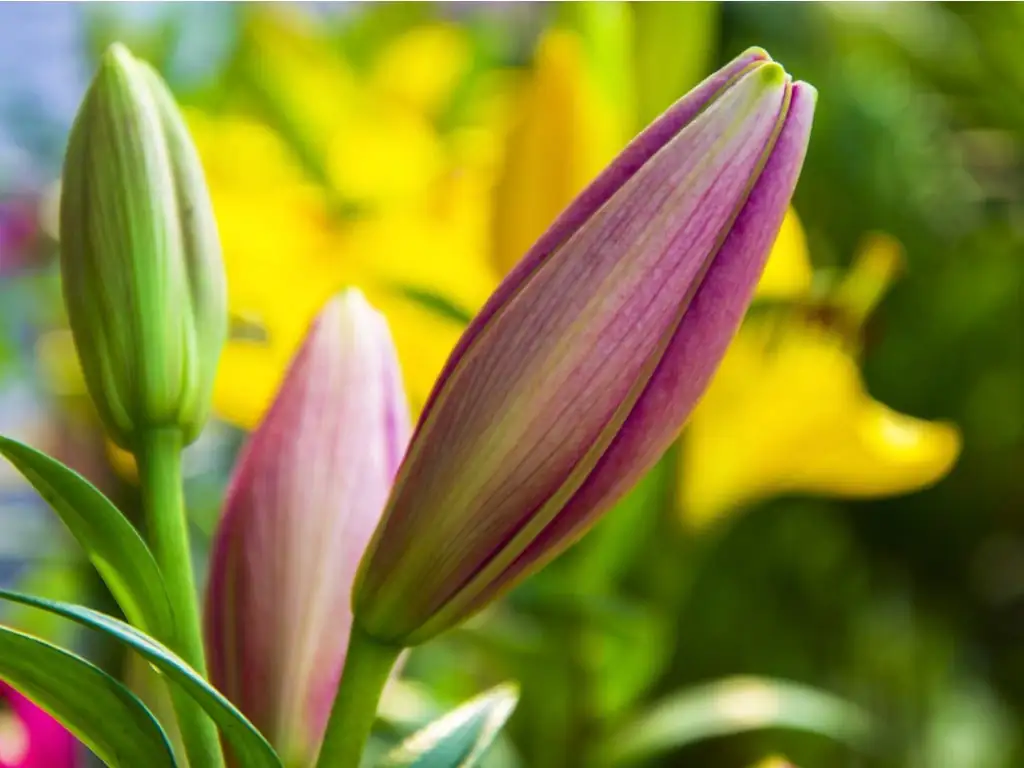
- Potting mix: Light, airy, and fast-draining. Avoid soggy, water-retentive media.
- Drainage: Unplug saucers after watering; lilies resent wet feet.
- Light: Bright exposure, with afternoon shade in hot climates.
- Winter: Keep pots protected and on the dry side. Resume gentle watering only as growth reactivates.
Pests and diseases: Prevent, then treat
- Common issues: Aphids (can spread mosaic viruses), lily leaf beetle (where present), nematodes; and Botrytis, leaf spot, wilt, and bulb rot.
- Prevention essentials:
- Sharp drainage and watering at the base.
- Good spacing and airflow; avoid crowding.
- Keep flowers dry; don’t mist open blooms.
- Remove infected leaves/debris promptly.
- Treatments: Use locally approved insecticidal soap/horticultural oil for soft-bodied pests and labeled fungicides if disease pressure persists.
Safety and indoor display notes
- Cats: True lilies are extremely toxic to cats—pollen, petals, leaves, and even vase water. Keep completely out of reach and seek urgent veterinary help if exposure occurs.
- Allergies: Fragrance and pollen can bother sensitive people. For indoor vases, remove anthers to curb scent intensity and prevent stains.
- Ethylene sensitivity: Keep cut lilies away from ripening fruit to extend vase life.
Symbolism and “flower language”
Lilies have signified purity, renewal, and devotion for millennia—think Greek myths of Hera’s milk (purity, rebirth) and the white “Madonna lily” in Christian iconography. In Chinese culture, lilies are beloved in weddings and gifting, with the bulb’s layered scales evoking “百年好合” (a hundred years of harmonious union). Modern flower language assigns colors extra nuance—white for rebirth and purity, pink for admiration and abundance, orange for confidence, yellow for gratitude, and red for passion—but remember these meanings are cultural stories we attach to a flower’s beauty, not rules written in the petals.
Quick zone-by-zone timing guide (4–8)
- Zone 4–5
- Planting: Early fall (best) or early spring.
- Emergence: Spring.
- Bloom: Late spring to summer (earlier types first).
- After bloom: Deadhead; taper watering as foliage yellows.
- Winter: Ensure drainage; mulch after ground cools. Protect pots from hard freezes.
- Zone 6
- Planting: Fall (best) or early to mid-spring.
- Emergence: Early to mid-spring.
- Bloom: Late spring through summer, depending on type.
- After bloom: Deadhead; reduce watering as leaves fade.
- Winter: Ground is fine if well-drained; shelter containers.
- Zone 7–8
- Planting: Late fall to early winter (best), or late winter to early spring.
- Emergence: Late winter to early spring in warm microclimates.
- Bloom: Late spring through summer; provide afternoon shade in heat.
- After bloom: Deadhead; begin the dry-down for dormancy.
- Winter: Good drainage is still the make-or-break; shield containers from freezes.
Finally, one classic lily trick worth repeating: “heads in the sun, feet in the shade.” Let those stems and leaves bask in bright light, but keep the root zone cool with mulch or low companions. Do that—and keep your watering and feeding in step with the seasons—and your lilies will reward you with towering stems and unforgettable blooms year after year.


