
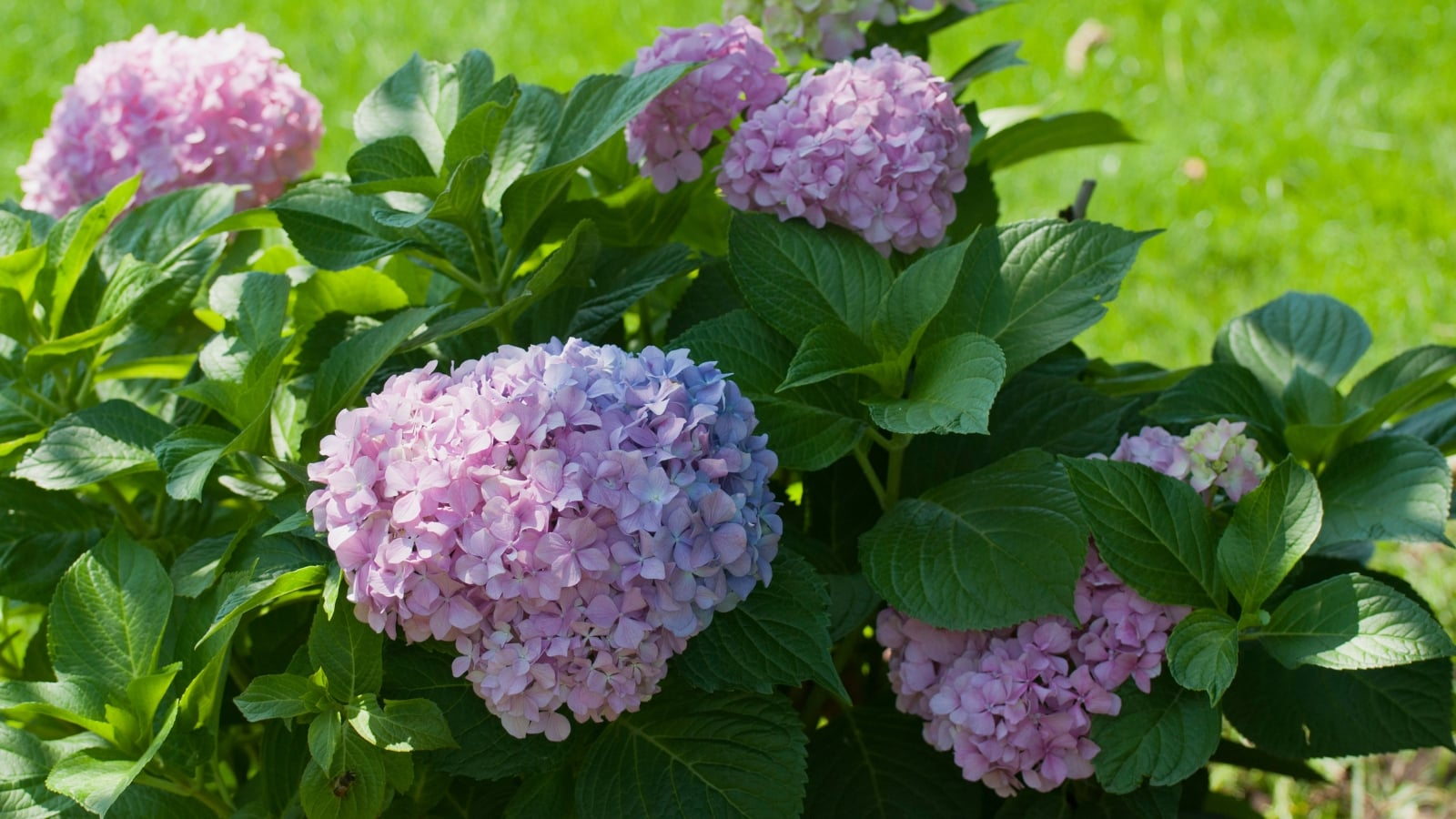
Bigleaf hydrangea (Hydrangea macrophylla) is a creature of rhythm—set your calendar to its seasons and it will repay you with generous, color-shifting blooms. Here’s a concise, practical year-round plan that hits the essentials: when to feed, exactly when to prune, how to shield buds from cold snaps, how to keep moisture steady in summer, and the prime pest-watch windows.
H2: Late Winter to Early Spring (February–April)
H3: Pruning moments
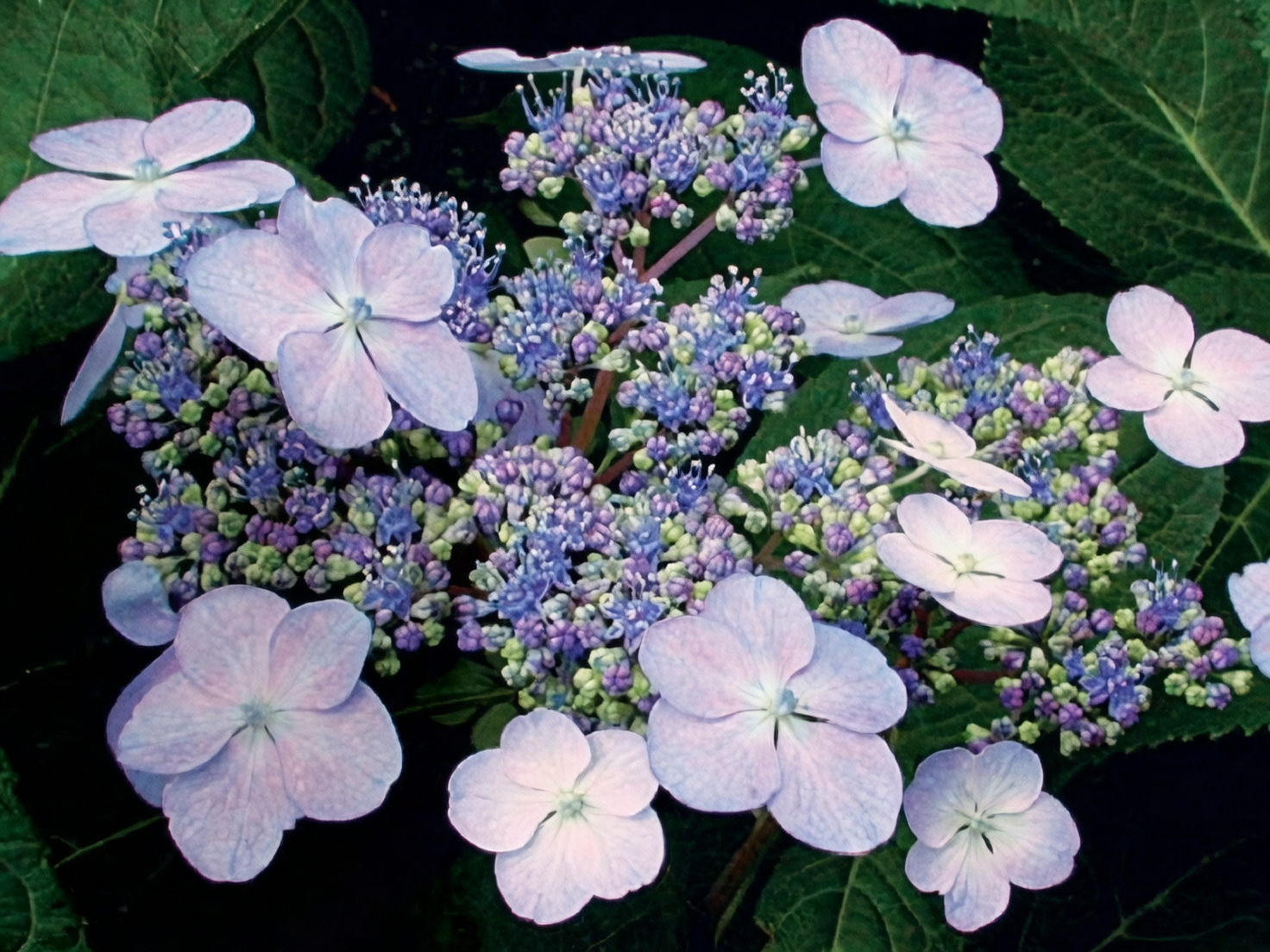
- Do: Clean-up only. Snip out winter-killed tips and broken wood. Stop there.
- Don’t: Hard-prune living stems. Many bigleaf hydrangeas bloom on old wood, so heavy cuts now can erase this year’s flowers.
H3: Feeding window opens
- Start feeding as growth resumes. For in-ground shrubs, apply a balanced fertilizer once in spring (and again in early summer if needed). For container plants, use a dilute, balanced or acid-forming fertilizer every two weeks in the growing season.
- Thinking of color-tuning? Apply aluminum sulfate for bluer tones in acidic soil or garden lime to nudge pink/red tones—only if appropriate for your soil and cultivar. Color changes take time.
H3: Bud and freeze insurance
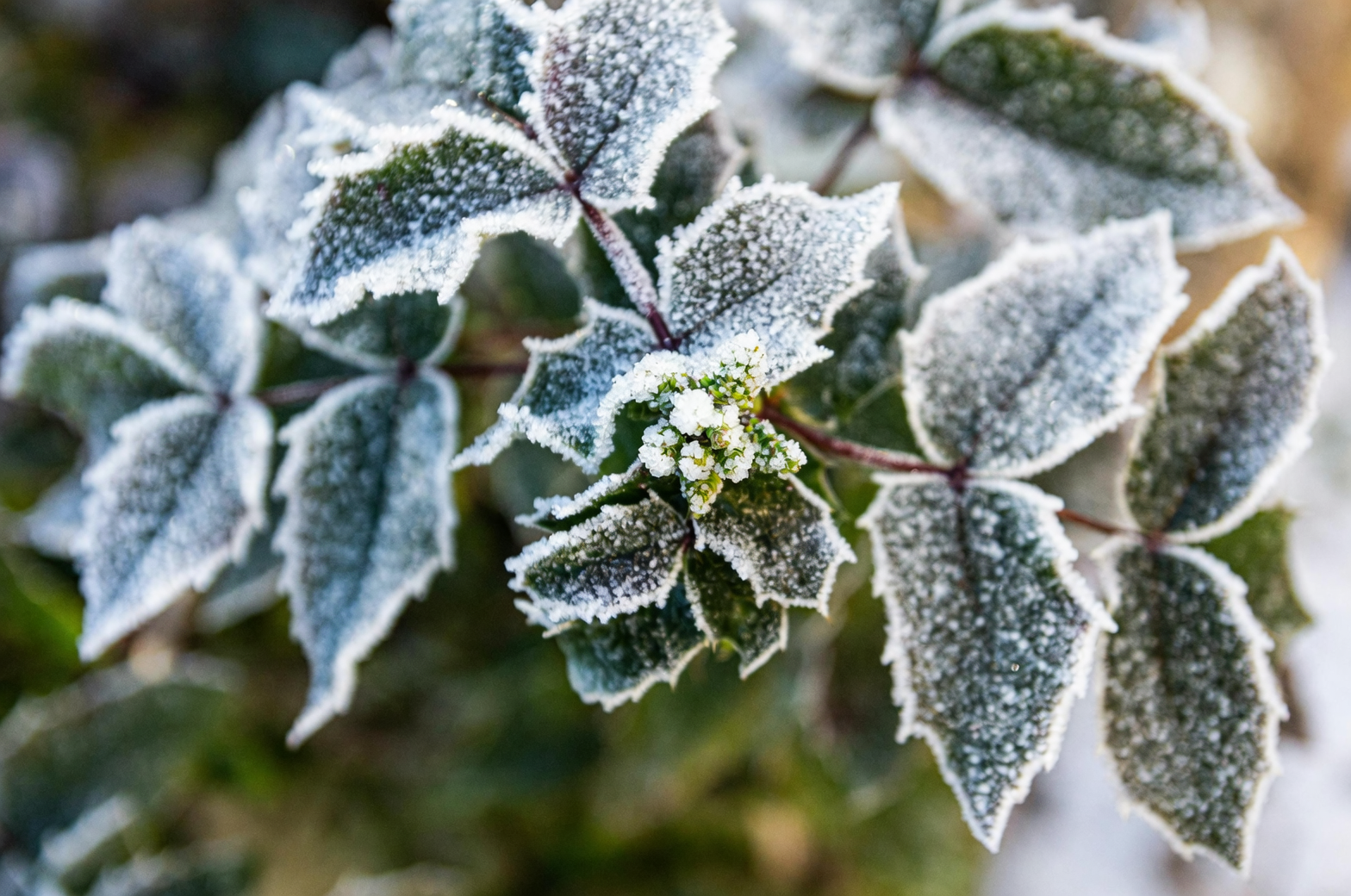
- Late frosts still happen. If buds are swelling and a freeze is forecast, drape with frost cloth or burlap overnight and remove in the morning.
- In exposed sites, consider a temporary windbreak (burlap barrier) to keep drying winds from nipping tender buds.
H3: Moisture management
- Resume regular watering as the soil thaws. Keep the root zone evenly moist, never swampy.
- Top up mulch to 5–7 cm (2–3 in), keeping it off the stems. Mulch evens out moisture and buffers spring temperature swings.
H3: Pest watch
- Early watchlist: aphids and leaf spots. Rinse aphids off with a firm water spray; follow with insecticidal soap if needed. Water at soil level to help prevent fungal leaf spots.
H2: Late Spring to Early Summer (May–June)
H3: Feeding sweet spot
- This is peak feeding time. Give in-ground plants their second and final light application in early summer if growth looks hungry. Continue gentle, regular feeding for container plants.
H3: Pruning, precisely timed
- Blooming on old wood? Deadhead and lightly shape right after the first flush of flowers fades. That’s your safe window before next year’s buds set.
- If your cultivar reblooms on new wood (check the plant tag or cultivar notes), you can be a bit bolder—but still avoid major cuts once summer advances.
H3: Moisture and shade for staying power
- Target 3–6 hours of sun with afternoon shade. In hot regions, bright morning sun plus dappled afternoon light is ideal.
- Water deeply 1–2 times per week; more often in heat waves or small containers. Mornings are best so leaves dry by evening.
H3: Pest and disease patrol
- Keep an eye out for thrips, aphids, and early powdery mildew. Increase airflow by gently thinning congested interior twigs. Avoid late-day overhead watering.
H2: High Summer (July–August)
H3: Ease off the fertilizer
- After about July, stop feeding. Stems need time to mature (harden) for winter bud survival.
H3: Moisture mastery in the heat
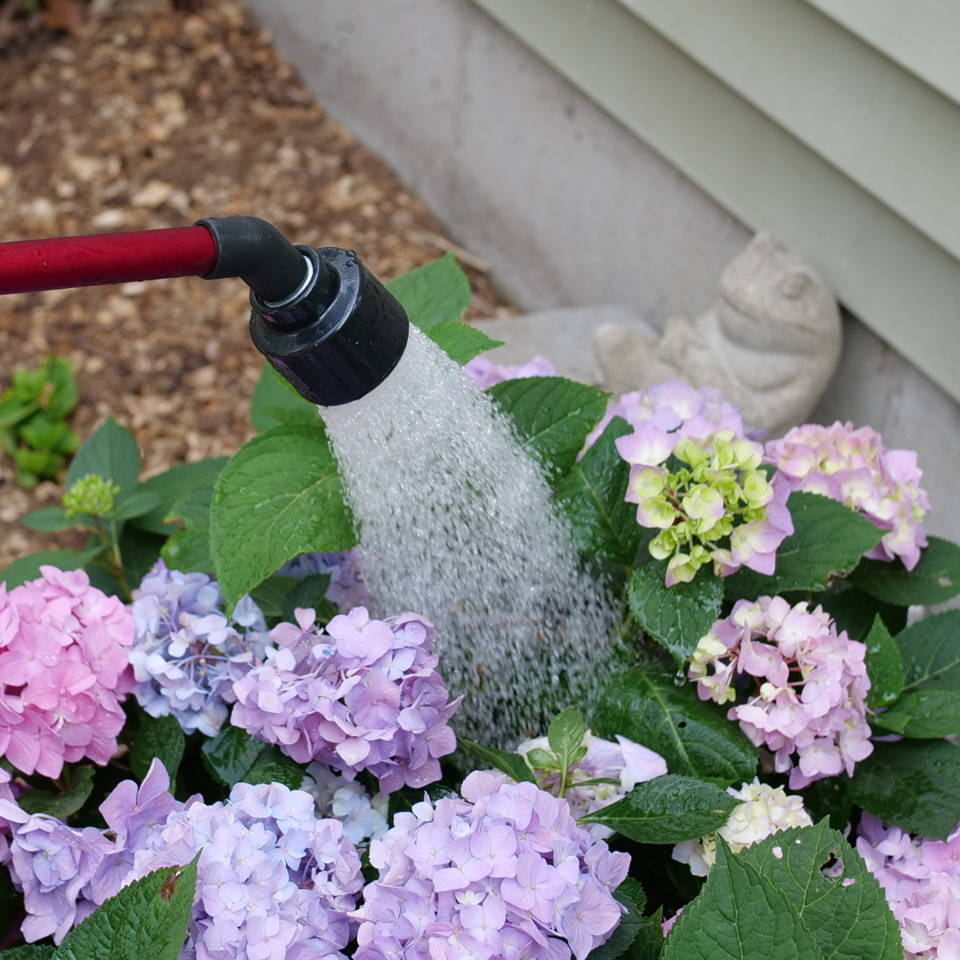
- Consistent moisture is the secret to unflagging blooms. Deeply soak, then allow the top few centimeters of soil to dry slightly before watering again.
- Re-mulch thin spots. In containers, consider light-colored pots or move to afternoon shade to keep roots cooler.
H3: Pruning caution
- Skip major pruning now. Deadhead to tidy only. Removing green stems now risks sacrificing next year’s buds.
H3: Prime pest season
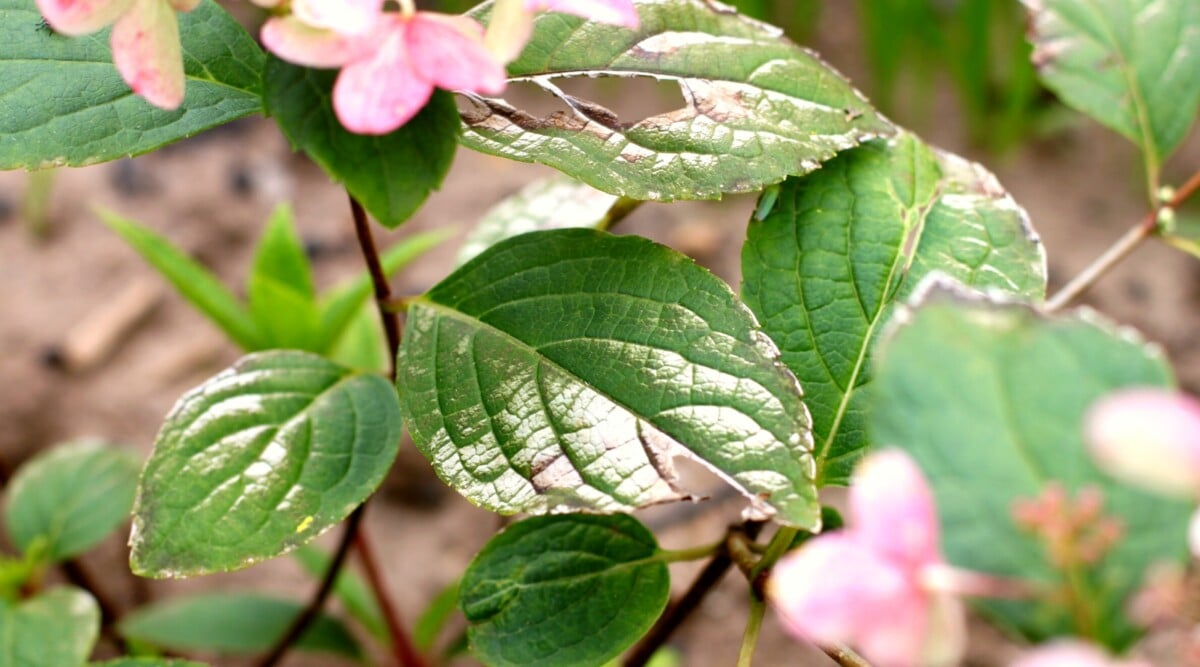
- Spider mites thrive in hot, dry spells—look for stippled, dusty leaves and fine webbing. Counter with a strong water spray and improved humidity/airflow; use insecticidal soap if needed.
- Japanese beetles often peak mid-to-late summer. Handpick in early morning. If pressure is heavy, use a labeled product carefully; avoid traps that lure more beetles into your yard.
- Continue scouting for leaf spots and anthracnose. Remove infected leaves and keep irrigation at the soil line.
H2: Late Summer to Fall (September–October)
H3: No more feeding, let wood ripen
- Hold fertilizer. Allow stems to prepare for winter; this supports better bud survival.
H3: Watering taper, not drought
- Maintain even moisture as temperatures cool, then gradually reduce. Never let the root ball go bone-dry—especially in containers.
H3: Bud preparation and early frosts
- If an early cold snap threatens, cover at night to protect forming buds.
- Consider leaving the last flush of blooms in place; the dried heads can help buffer the buds below.
H3: Cleanup and airflow
- Remove heavily spotted leaves from the plant and ground to shrink disease carryover. Good fall hygiene pays dividends next spring.
H2: Late Fall to Winter (November–January)
H3: Bud protection before hard freezes
- Mulch: Add a 5–7 cm (2–3 in) blanket around the base (not against stems) to buffer freeze–thaw cycles.
- Cage-and-leaf method (great for cold/windy sites): Tie the shrub loosely, encircle with hardware cloth or burlap, and gently stuff with dry leaves or straw. Remove in early spring.
- In severe wind, create a burlap windbreak on the windward side.
H3: Container care
- Buds are more cold-sensitive than wood. Move pots to a sheltered spot (against a wall, unheated porch/garage with cool light) before hard freezes. Water sparingly—don’t let the root ball fully dry out.
H3: Light winter pruning only
- If snow or ice snaps a branch, prune the break cleanly. Otherwise, wait. Major pruning waits until after flowering next year.
H2: Quick At‑a‑Glance Calendar
- February–March: Inspect winter damage; prune dead/broken wood; refresh mulch; prepare frost cloth.
- April: Begin feeding; adjust soil for bloom color if desired; repot container plants if rootbound.
- May–June: Keep evenly moist; light shaping right after the first bloom flush; second (and final) in-ground feed if needed.
- July: Stop fertilizing; provide afternoon shade and steady water; deadhead to tidy only.
- August: Peak pest watch—mites and beetles; maintain mulch and deep watering schedule.
- September: No feeding; gradual watering taper; clean up diseased foliage.
- October: Protect against early frosts; consider leaving dried flower heads as bud caps.
- November–January: Mulch, cage-and-leaf, or burlap in exposed sites; shelter containers; water just enough to prevent complete dry-outs.
H2: Regional and Variety Tweaks
- Climate: In cooler zones, bigleaf hydrangea flowers are most reliable in USDA Zones 6–9 with winter protection for buds. In hot-summer climates, lean into morning sun and afternoon shade plus generous mulch to prevent scorch.
- Variety note: Many bigleafs bloom mostly on old wood; some modern rebloomers add flowers on new wood. Confirm your cultivar before any heavy pruning.
H2: Pro Tips That Pay Off All Season
- Morning watering only—wet leaves overnight invite mildew.
- Space and thin lightly for airflow; dense canopies trap humidity and encourage disease.
- Keep soil rich, well-drained, and consistently moist; hydrangeas dislike both drought and waterlogging.
- Mildly toxic if ingested—treat as ornamental and keep leaves/flowers away from pets and children.
Set these seasonal beats on your calendar and your Hydrangea macrophylla will reward you with lush foliage and long-lasting pom-pom or lacecap blooms—cool blues, rosy pinks, or classic whites—right when the garden needs them most.