

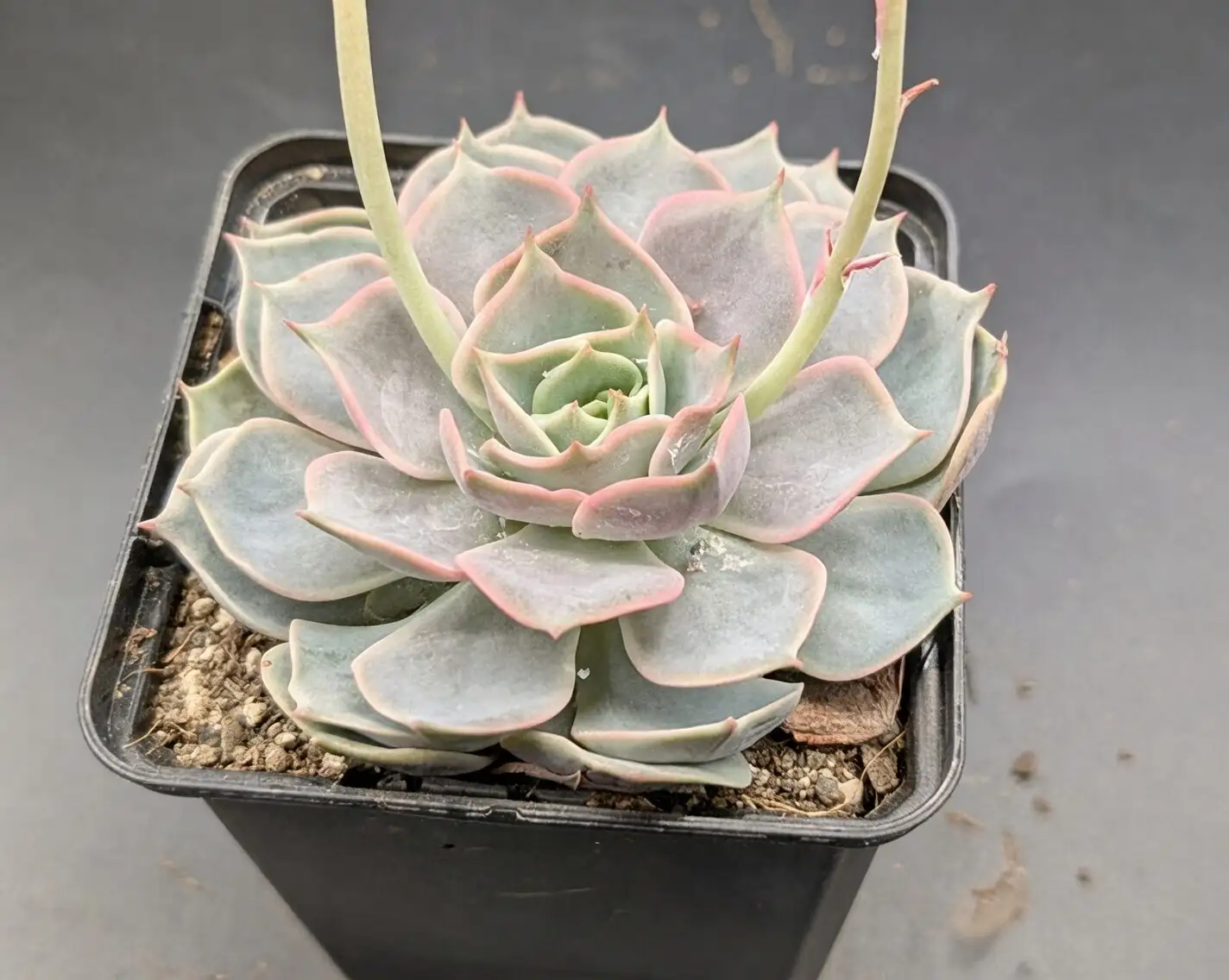
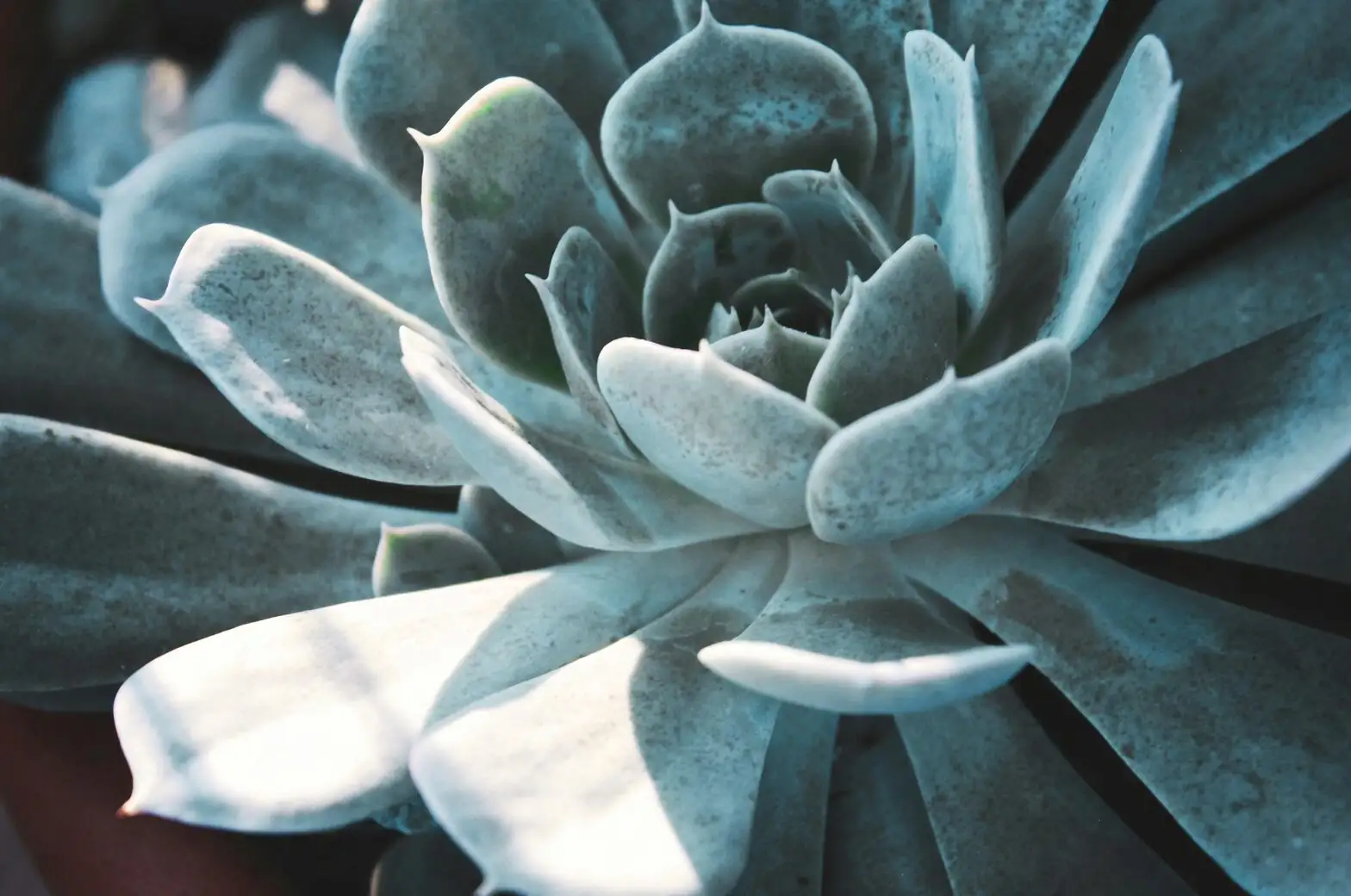
Picture a small, perfectly symmetrical gray rosette that suddenly launches a constellation of pink‑to‑red, starry blossoms on tall, branching wands. That’s Echeveria “Meililian” (美丽莲): compact, drought-tolerant, and—when you get the seasons right—surprisingly dramatic. Here’s your practical, season-by-season playbook to keep it tight, colorful, and blooming.
Meet “Meililian” at a glance
- Family: Crassulaceae (genus Echeveria; cultivated ornamental)
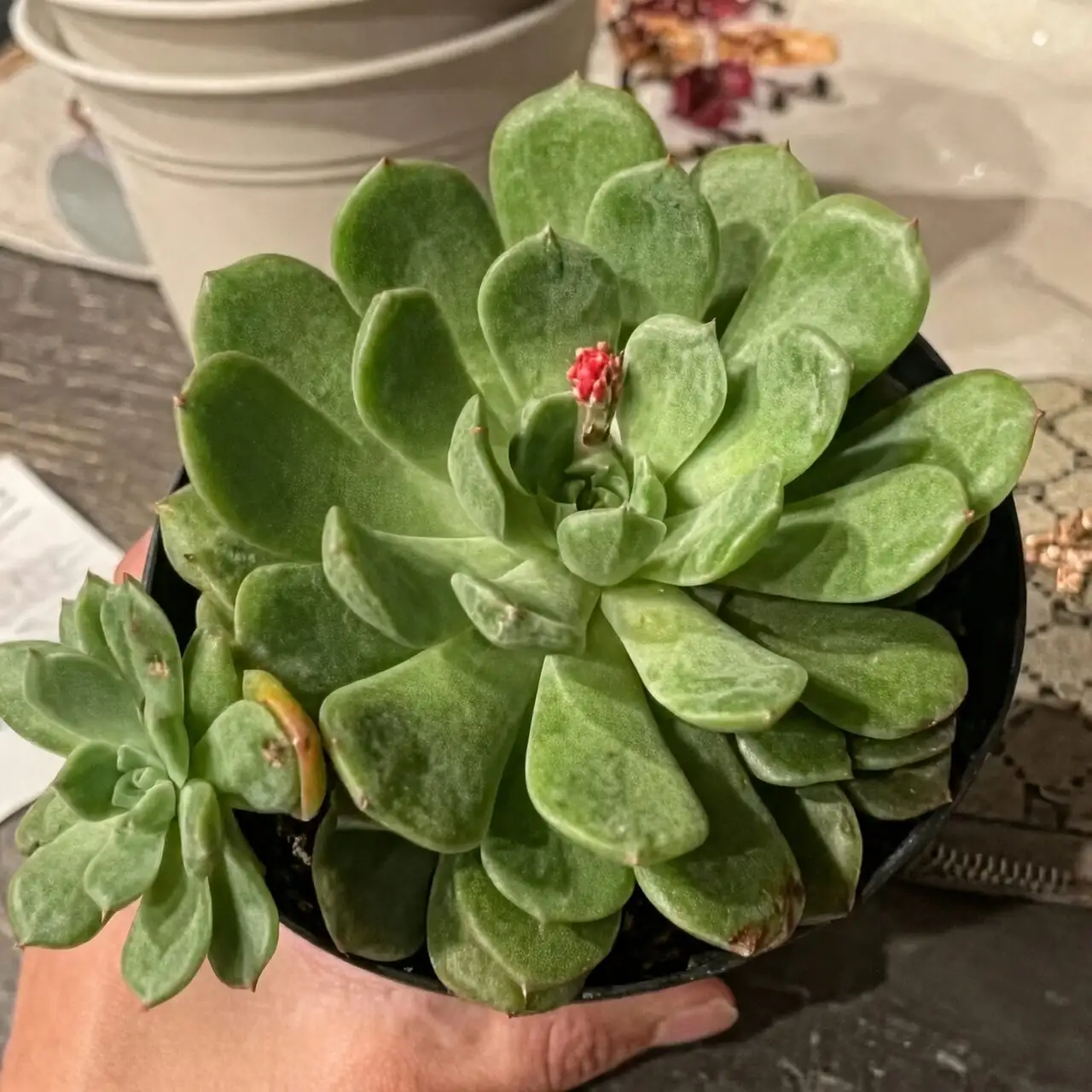
- Look: Tight rosette of thick gray to dark-gray leaves with paler margins; color deepens in stronger light
- Size: About 15 × 10 cm (6 × 4 in); flower stalks can tower several times higher than the rosette
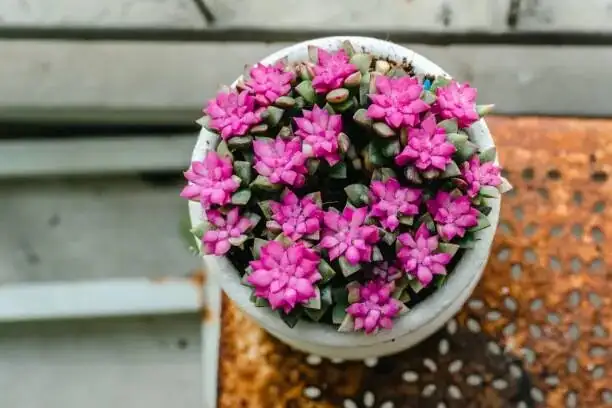
- Flowers: Vivid pink to red, star-shaped, in airy clusters on branched stalks
- Bloom window: Typically spring to early summer (best with strong light)
- Pace: Slow-growing, tidy, and forgiving—so long as you keep water and drainage in check
The year at a glance
- Spring: Ramp-up—more light, resume soak-and-dry watering, first light feeds; watch for budding stalks
- Summer: Light management—sun for color and bloom, with gradual acclimation and heat-aware watering
- Autumn: Taper—reduce fertilizer and watering frequency; keep light strong
- Winter: Cool, bright, and dry—rest period with minimal water; no feeding
—
Spring ramp-up (growth restarts, buds form)
Aim: Wake gently, build strength, and set the stage for flowers.
- Light
- Move to full sun or very bright partial sun, increasing exposure gradually over 10–14 days to avoid scorch.
- South- or west-facing windowsills indoors work beautifully.
- Water
- Switch to a soak-and-dry rhythm: water deeply, then wait until the mix dries completely.
- Never leave water sitting in the rosette.
- Feeding
- First light feed of the year once you see active growth: a balanced liquid fertilizer at 1/2 strength.
- This cultivar needs very little—think 2–3 light feeds total from spring through early autumn.
- Stalk watch
- Tall, branched stalks are your green light: the plant has energy and is in bloom mode.
- While buds develop, one of your light feeds can coincide with stalk elongation for support.
- Airflow and hygiene
- Keep air moving and tidy any dried lower leaves to discourage mealybugs.
—
Summer light management (color deepens, flowers peak)
Aim: Strong light for color and blooms, without heat stress.
- Sun strategy
- Full sun to bright partial sun is ideal; acclimate if moving outdoors.
- In heat waves, give brief afternoon shade or increase airflow to prevent sun scorch.
- Watering rhythm
- Still soak-and-dry, but intervals may shorten in heat. Always verify the mix is bone-dry before rewatering.
- Morning watering helps leaves dry quickly.
- Feeding (if needed)
- One more half-strength feed if growth is steady. Skip if the plant looks lush and flowering is complete.
- After the show
- Once the pink‑red, starry flowers fade, snip stalks at the base. This tidies the plant and redirects energy to the rosette.
—
Autumn taper (slow down gracefully)
Aim: Bank health for winter rest.
- Light
- Keep it bright; shorter days make every photon count.
- Water
- Lengthen the dry-down between waterings as temperatures ease. The rosette should feel firm, not taut or squishy.
- Feeding
- Last light feed of the year early in autumn, then stop. Overfeeding now softens growth and complicates winter rest.
- Pre-winter check
- Ensure pot and mix drain fast; reduce any saucer time to zero.
- Clean up any dead leaves at the base.
—
Winter cool-dry rest (tight growth, stress color)
Aim: Bright light, cooler temps, and very sparse water.
- Temperature
- Prefers 10–27°C (50–81°F) overall; for winter, cooler and bright is best. Absolutely protect from frost.
- Outdoors year-round only in USDA Zones 10–11.
- Water
- Water very sparingly—just enough to prevent extreme shriveling.
- No fertilizer.
- Light
- The brighter, the better in winter. A sunny windowsill keeps the rosette compact and colorful.
—
Flower stalks: when to feed, when to deadhead
- When you see tall, branched stalks forming in spring, it’s a cue that light and watering are on point. You may give a single half-strength feed as buds elongate if you haven’t already fed that season.
- After the flowers fade, deadhead by cutting stalks at the base. This reduces energy drain and preserves the rosette’s symmetry.
—
Everyday care staples
- Sunlight: Full sun to bright partial sun; acclimate to avoid scorch. More light = deeper gray coloration and better bloom.
- Soil: Very fast-draining succulent/cactus mix. If using regular potting soil, amend heavily with grit, pumice, or coarse sand.
- Water: Deep soak, then let dry completely. Avoid standing water in the rosette.
- Humidity: Low humidity and good airflow are ideal.
- Placement: A bright south- or west-facing window indoors; a sunny, warm spot outdoors in suitable climates.
—
Repotting and propagation
- Repotting
- Only when root-bound—typically every 2–3 years.
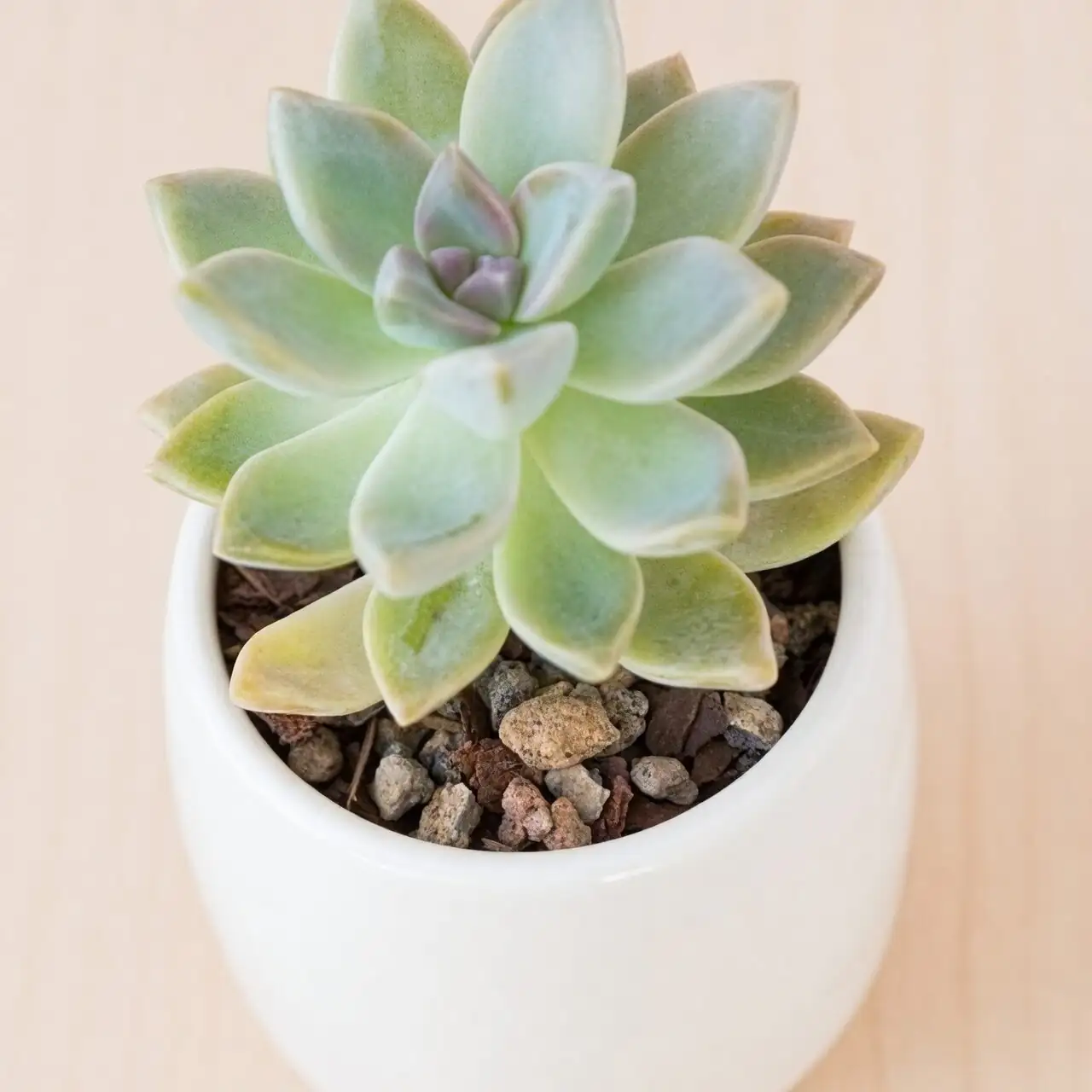
- Use a small pot (about 10–12.5 cm / 4–5 in) with drainage holes and a very gritty mix.
- Propagation
- Leaf cuttings or offsets.
- Let cut ends callus before placing on dry, well-draining mix.
- Mist lightly or water sparingly only after roots begin to form.
—
Troubleshooting quick guide
- Bottom leaves soft or dropping widely
- Likely overwatering or dense soil. Let the mix dry fully, increase airflow, and repot into a grittier mix if needed.
- Leggy, stretched rosette
- Insufficient light. Move to brighter conditions gradually; future growth will tighten.
- Mealybugs or scale
- Dab with cotton swabs dipped in alcohol or use appropriate insecticidal soap. Improve airflow and keep the crown dry.
- Rot risk
- Prevent with fast drainage, a soak-and-dry schedule, bright light, and no water left in the rosette.
- Safety
- Generally considered non-toxic, though sap may mildly irritate sensitive skin. Discourage pets or kids from chewing leaves.
—
Styling and display
- Looks stellar in small bowls or dish gardens—its compact symmetry and dark-gray leaves pop against pale gravel.
- Group multiples for a “constellation” effect; when flowering, the airy, branched stalks read like pink‑red fireworks above the arrangement.
—
Symbolism and story
Echeverias often symbolize resilience, calm balance, and a quiet, refined beauty—steady and symmetrical most of the year, then unexpectedly spectacular in bloom. This “flower language” is a modern, interpretive tradition shaped by succulent growers rather than a historical canon, yet it fits “Meililian” perfectly: poised, patient, and ready to dazzle when conditions align.
—
Seasonal checklist (pin this above the pot)
- Spring: Brighten light gradually; resume soak‑and‑dry; first half‑strength feed; support budding stalks; keep crown dry.
- Summer: Maintain strong light; manage heat with airflow/brief shade; optional one more light feed; deadhead after blooms.
- Autumn: Keep bright; extend dry-downs; final light feed early; tidy the base leaves; ensure fast drainage for winter.
- Winter: Cool, bright, and very dry; zero fertilizer; water only to prevent severe shrivel; guard from frost.
With this rhythm—bright sun, deep but infrequent drinks, minimal feeding, and a cool-dry pause—Echeveria “Meililian” will stay compact and composed, then hoist those tall, branched, starry fireworks right on cue.