

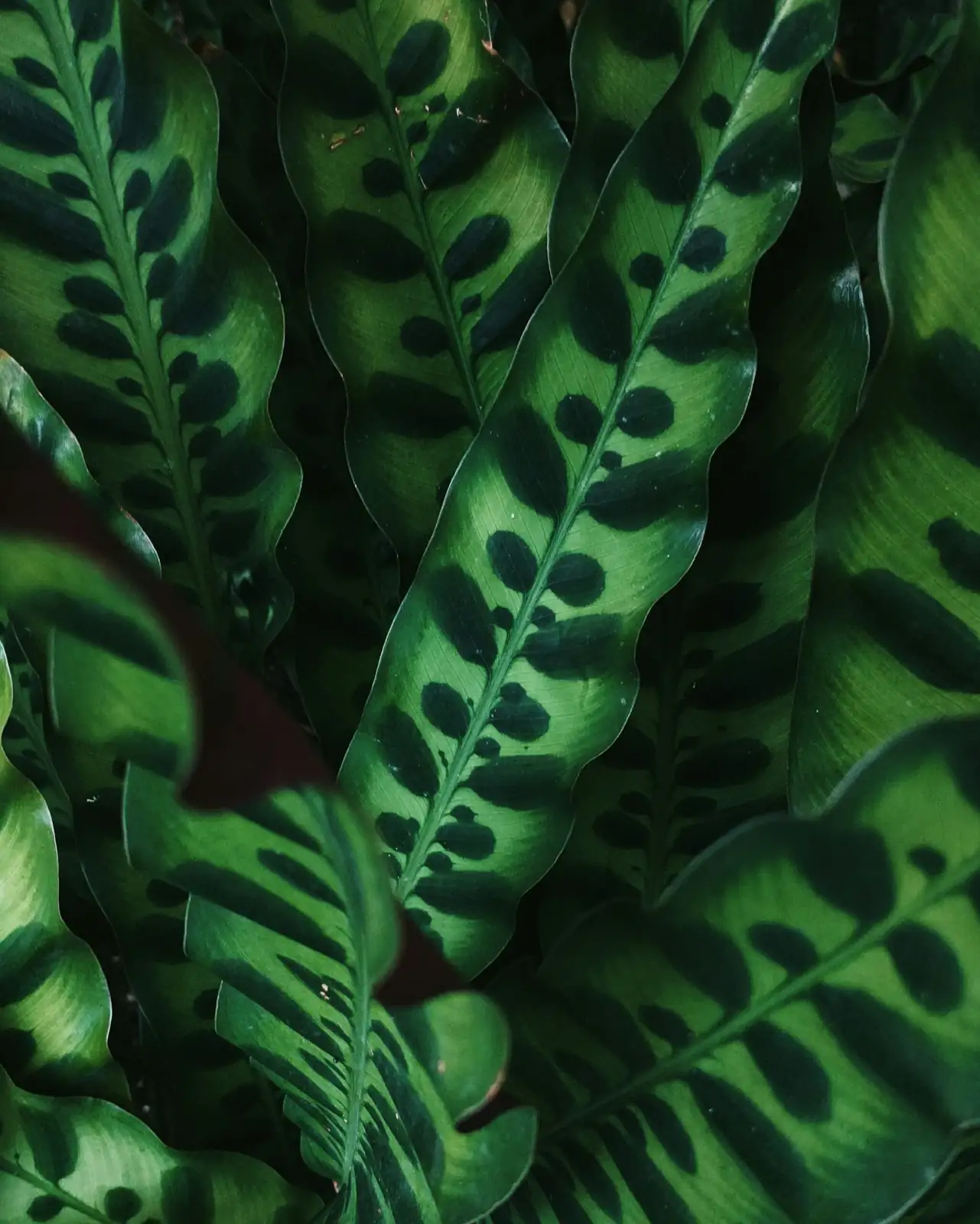
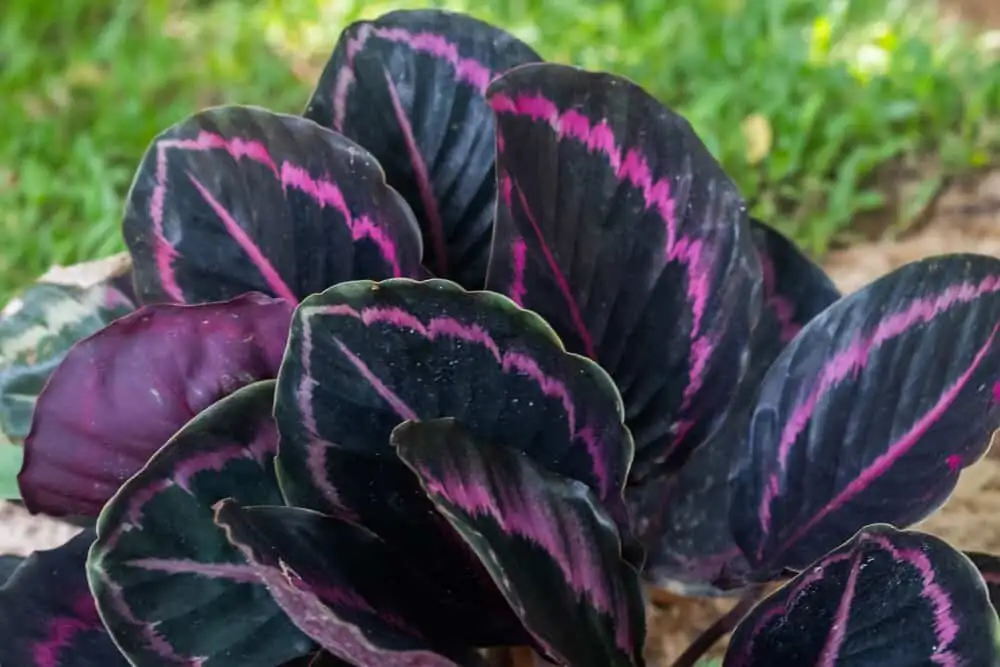
Imagine a plant that greets the morning like a work of living art—broad, oval leaves brushed with soft pinks and silvery greens, then flipped at dusk to reveal a deep wine-red underside. That’s Goeppertia roseopicta, the rose-painted calathea: a warm-loving, humidity-hungry forest beauty that thrives when you mimic its gentle tropical rhythms. Here’s a month-by-month care calendar that makes those rhythms easy—and rewarding.
Note: Months below follow the Northern Hemisphere. In the Southern Hemisphere, shift the calendar by six months.
First, a quick vibe check (the essentials)
- Light: Low to medium light or bright, indirect light. Think 50%–70% shade if you’re near a sunny window; an east window is often perfect. Filter strong south light with a sheer curtain.
- Temperature: Ideally 18–24°C (64–75°F). Keep it above 8°C (46°F) in winter and avoid below 5°C (41°F). In heat waves, aim to stay under 32°C (90°F) with good airflow and added humidity.
- Humidity: 60%–70% is the sweet spot. Dry air plus bright light equals crispy edges—so humidifiers, pebble trays, and plant clusters are your allies.
- Soil: Loose, moisture-retentive but free-draining. A peat/coco base with perlite and/or coarse sand keeps the mix evenly moist, not soggy.
- Watering rhythm: During active growth, water when the top 2–3 cm (0.8–1.2 in) of mix feels dry. Reduce in winter as growth slows. Always drain excess.
- Feeding: From roughly May–September, feed every 2 weeks with a gently diluted, balanced houseplant fertilizer. Pause in winter unless you see steady new growth.
- Size and habit: A tidy, clumping plant about 30–60 cm (12–24 in) tall and wide indoors.
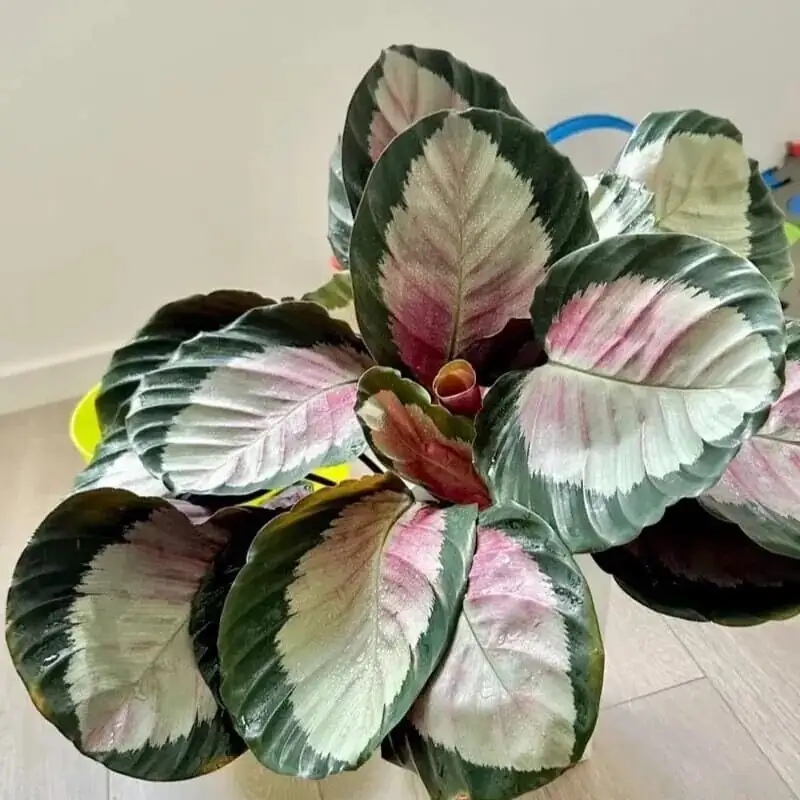
Month-by-month care calendar
January
- Keep it cozy: Aim for 18–24°C (64–75°F) and above 8°C (46°F) at night. No cold drafts.
- Water sparingly but steadily: Let the top 2–3 cm dry between waterings. Growth is slow now.
- Humidity boost: Heating dries air—use a humidifier or a pebble tray to stay near 60%–70%.
- No fertilizer yet.
February
- Prep for spring: Check if the plant is rootbound or if the mix has compacted—repotting season is near.
- Groom: Wipe leaves to remove dust and improve photosynthesis; inspect undersides for scale or mealybugs.
- Keep watering modest; don’t let the mix go bone dry.
March
- Repot and refresh: Move up one pot size if rootbound; use a loose, moisture-retentive, free‑draining mix.
- Divide if needed: Late spring to early summer is ideal for division; each section should have roots and several leaves.
- As light increases, water a bit more frequently while still honoring that top 2–3 cm dryness test.
April
- Growth wakes up: Maintain bright, indirect light (a sheer curtain near a south window works).
- Even moisture: Don’t swing from parched to soggy—steady is best.
- Start feeding lightly if new growth is active; full program begins next month.
May
- Peak season kicks in: Feed every 2 weeks with a balanced, diluted fertilizer.
- Shade and shine: Provide 50%–70% shade from direct sun to protect those painted leaves.
- Check rhythm: Thoroughly water, drain well, and avoid standing water in saucers.
June
- Summer mode: Highest growth. Keep humidity up (60%–70%) and air moving.
- Heat savvy: If temperatures climb, increase humidity and airflow; avoid hot, direct midday sun.
- Maintenance: Rotate the pot weekly for even coloring and shape.
July
- Keep it cool-ish: Try to stay under 32°C (90°F). Never let the mix stay waterlogged.
- Pest patrol: Inspect leaf undersides for scale and mealybugs. Wipe and treat early if needed.
- Consistency counts: Water when that top layer dries; don’t let the whole root zone dry out.
August
- Tidy up: Remove tired or damaged leaves at the base to keep the clump neat and improve airflow.
- Moisture watch: Warm rooms = faster drying. Humidity support remains essential.
September
- Last call for feeding: Continue every 2 weeks through the end of the month, then taper off.
- Transition: As days shorten, watering intervals lengthen slightly—still aim for evenly moist, not soggy.
October
- Humidity matters more: Indoor heating returns; keep that 60%–70% target to prevent crispy edges.
- Stop fertilizing unless growth is clearly active.
- Light check: Pull back from direct sun but keep the plant bright and filtered.
November
- Winter rhythm: Slower growth = slower watering. Never let it sit wet for long stretches.
- Draft defense: Keep away from cold windows, exterior doors, and AC/heat blasts.
December
- Gentle maintenance: No feeding; keep warmth steady and humidity high.
- Lighting assist: If it’s gloomy, move closer to bright, indirect light (or use a soft, full-spectrum grow light positioned to avoid leaf scorch).
- Celebrate the color: Those deep purple undersides look spectacular at eye level.
Seasonal deep-dives
Spring: Repot, divide, and restart feeding
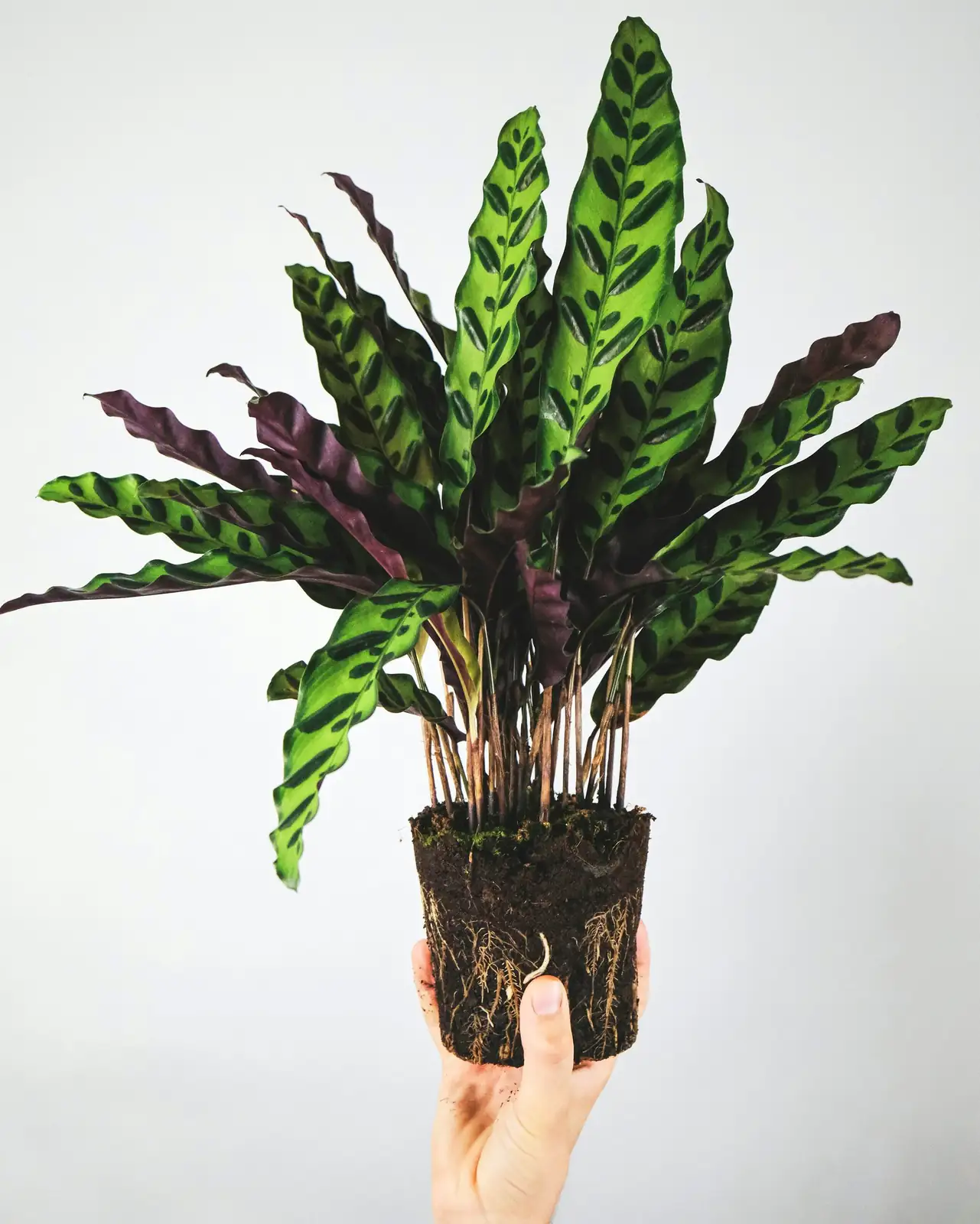
- When to repot: In spring, especially if roots circle the pot or the mix has broken down. Size up gradually—no giant jumps.
- The right mix: A peat/coco base with perlite and/or coarse sand. The goal is springy, airy, and moisture-holding without being heavy.
- Division made simple:
1) Unpot and gently tease apart the clump.
2) Make sections with established roots and several leaves (aim for robust root clusters).
3) Pot divisions immediately. If a section is small, start it in a lightly moist sand/perlite blend to establish, then move to regular mix.
- Feeding: As growth picks up (May–September), feed every 2 weeks with a gently diluted, balanced fertilizer—avoid splashing onto leaves.
Summer: Shade and steady moisture
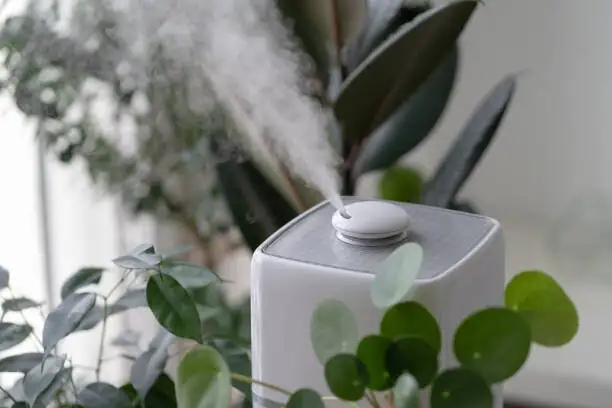
- Light: 50%–70% shade and bright, filtered light. East-facing windows are ideal; filter south light with sheers.
- Water: Thorough soak, then drain—water again when the top 2–3 cm dries. Humidity support is as important as watering.
- Heat strategy: Keep below 32°C (90°F) with airflow; maintain humid conditions to preserve leaf edges and color.
Autumn: Humidity boosts and gentle tapering
- Air gets drier indoors: Increase humidifier runtime, refresh pebble trays, and group plants.
- Watering: Slightly less frequent, still evenly moist—never let the plant sit in cold, soggy mix.
- Watch the leaves: Yellowing or crisping often signals low humidity, too much direct sun, or chills. Adjust environment first, then fine-tune watering.
Winter: Warmth, restraint, and calm air
- Temperature: Stay above 8°C (46°F) and ideally 18–24°C (64–75°F). Keep away from radiators and drafty sills.
- Watering: Go easy; growth slows. Let the top 2–3 cm dry before watering, and promptly drain any excess.
- Pause feeding: Resume in spring when growth returns.
Troubleshooting by leaf signal
- Crispy edges or scorched patches: Usually too much light and/or low humidity. Increase shade and humidity; avoid direct midday sun.
- Sudden yellowing: Often a mix of stress—chilly temperatures, low humidity, or excess direct light. Move to bright, indirect light, keep warm (18–24°C / 64–75°F), raise humidity to 60%–70%, and maintain evenly moist soil without waterlogging.
Pests and diseases: A calm, consistent routine wins
- Usual suspects: Mealybugs and scale, often hiding on leaf undersides.
- Treatment toolkit:
- Rinse and wipe leaves, then apply a mild soapy spray (spot-test first).
- Repeat every 5–7 days for several rounds to break pest cycles.
- Leaf spot/blight: More likely in overly wet conditions with stale air. Improve airflow, avoid wet foliage overnight, and remove affected leaves promptly.
Pruning and shaping
- Remove yellowing or damaged leaves by cutting at the base.
- Light thinning (especially in summer) improves airflow and keeps the clump lush and tidy.
Placement ideas
- Indoors near an east window or a south window filtered by a sheer curtain.
- Keep away from hot/cold drafts and vents. Living rooms, bedrooms, and home offices suit it well.
- Not frost hardy—treat as a houseplant unless you live in a reliably frost-free climate (about USDA Zone 11–12).
Pet safety
- Generally considered non-toxic to cats and dogs. Chewing any plant may still cause mild stomach upset, so place thoughtfully.
A bit of backstory, symbolism, and fun
- Botanical note: Many plants sold as “calathea” have been reclassified as Goeppertia; you’ll still see both names on tags. This species hails from northwestern Brazil’s warm, humid forests.
- Symbolism: Celebrated for quiet beauty and “living art” appeal. As a prayer-plant relative, it echoes gentle daily rhythms—the leaves subtly change position from day to night, a whisper of the forest indoors.
- Fun to notice: Those richly colored purple-red undersides glow when the plant sits at eye level; new leaves unfurl quickly in warm, humid, evenly moist conditions.
Quick answers to common questions
- What should I do right after bringing a new plant home?
- Give it bright, filtered light (a sheer-curtained window is perfect), keep the soil lightly moist, and boost humidity right away. Hold off on regular fertilizing until you see fresh growth and the plant settles in.
- My rose-painted calathea leaves are turning yellow—why?
- Most often: chilly temperatures, dry air, or too much direct sun. Move it to bright, indirect light, keep it warm (18–24°C / 64–75°F), raise humidity to 60%–70%, and water so the mix stays evenly moist without staying soggy.
Follow this calendar, and your Goeppertia roseopicta will repay you with richer color, faster unfurling leaves, and that signature dusk-and-dawn choreography—proof that a well-tuned routine turns care into quiet magic.