

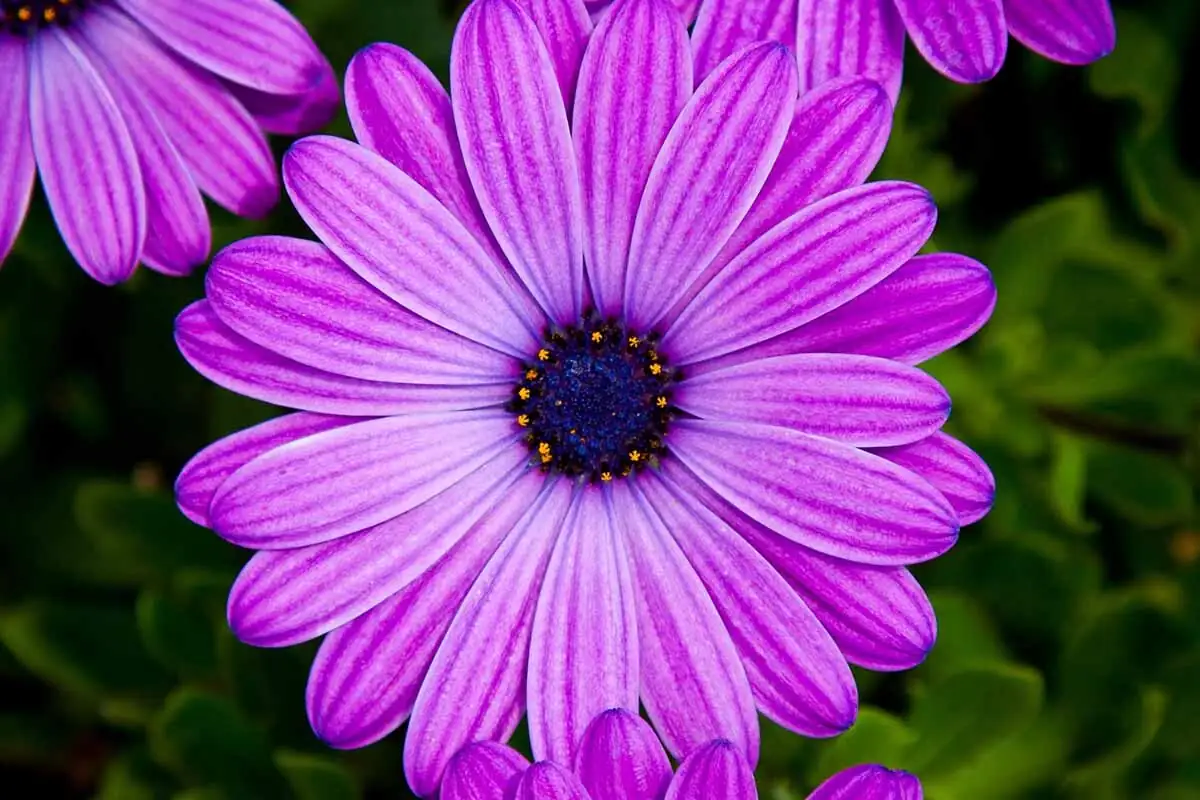
Meet the Falling Stars Cape Daisy (Osteospermum ecklonis): a compact, mounding sparkler from South Africa’s Cape region with soft, sky-blue daisy blooms and a darker “eye” that makes every flower look like a tiny piece of good weather. Give it sun and sharp drainage, then follow a simple, seasonal rhythm—plant, feed, snip, and snooze—and you’ll enjoy a remarkably long color run from early spring into fall, with an early encore after a cool, bright winter rest.
Below is your easy, gardener-tested calendar—from spring plant-out to winter dormancy—plus the exact feeding cadence, strategic cutbacks after flushes, and the bright-cool overwintering trick that sets you up for first-in-line spring color.
H2: Get to Know Your Plant at a Glance
- Botanical name: Osteospermum ecklonis (Asteraceae)
- Also called: Falling Stars Cape Daisy, African Daisy, Blue-Eyed Daisy
- Habit and size: Compact, mounding to spreading; typically 20–45 cm tall and 30–60 cm wide
- Flowers: Sky to pale blue daisies with a contrasting eye; prolific from early spring through fall, especially in cool-to-mild weather
- Best conditions: Full sun (6+ hours), well-drained sandy or loamy soil
- Temperature sweet spot: 10–24°C (50–75°F); protect from hard frost
- Hardiness: USDA Zones 9–11; elsewhere treat as an annual or overwinter indoors frost-free
H2: A Simple, Season-by-Season Calendar
H3: Late Winter to Early Spring (Indoors or Under Cover)
Goal: Wake, refresh, and prep for a strong spring start.
- Light and temperature: Place in the brightest spot you have, kept cool at 10–15°C (50–59°F). This “bright-cool” combo prevents leggy growth and conserves energy for early blooms.
- Water: Lightly. Allow the top 2–3 cm (about 1 inch) of mix to dry between waterings.
- Repotting: If roots circle the pot or mix looks tired, repot into a free-draining blend (e.g., quality potting mix amended with perlite/grit). Move up just one pot size.
- First feed: Once you see active new growth, begin a half-strength, balanced liquid fertilizer every 2–4 weeks.
- Pinch to bush: Lightly pinch soft tips to encourage branching and more buds later.
H3: Spring Plant-Out (After Frost Risk Passes)
Goal: Establishment and a quick bloom ramp-up.
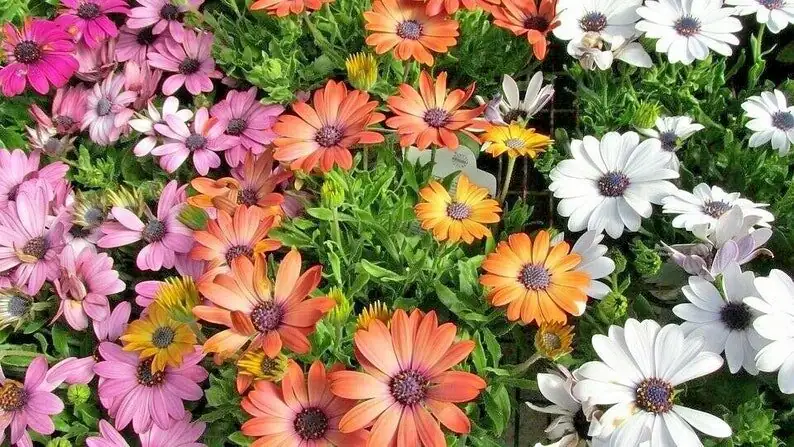
- Hardening off: Acclimate plants outdoors over 7–10 days—gradual increases in sun and air.
- Placement: Full sun is your bloom engine; containers, front-of-border beds, or a sunny patio are ideal.
- Soil: Well-drained, moderately fertile. If your soil holds water, raise the bed or plant in containers.
- Spacing: 30–45 cm apart (12–18 inches) to allow airflow and a tidy mound.
- Watering: Soak thoroughly at planting, then let the top 2–3 cm dry before the next drink. Never let pots sit in saucers of water.
- Feeding cadence: Continue half-strength balanced liquid fertilizer every 2–4 weeks. That’s plenty—this plant dislikes heavy feeding.
- Grooming: Start deadheading as soon as spent flowers appear. It’s the simplest way to keep fresh buds coming.
H3: Early Summer (First Big Flush)
Goal: Keep flowers coming and shape the plant for round two.
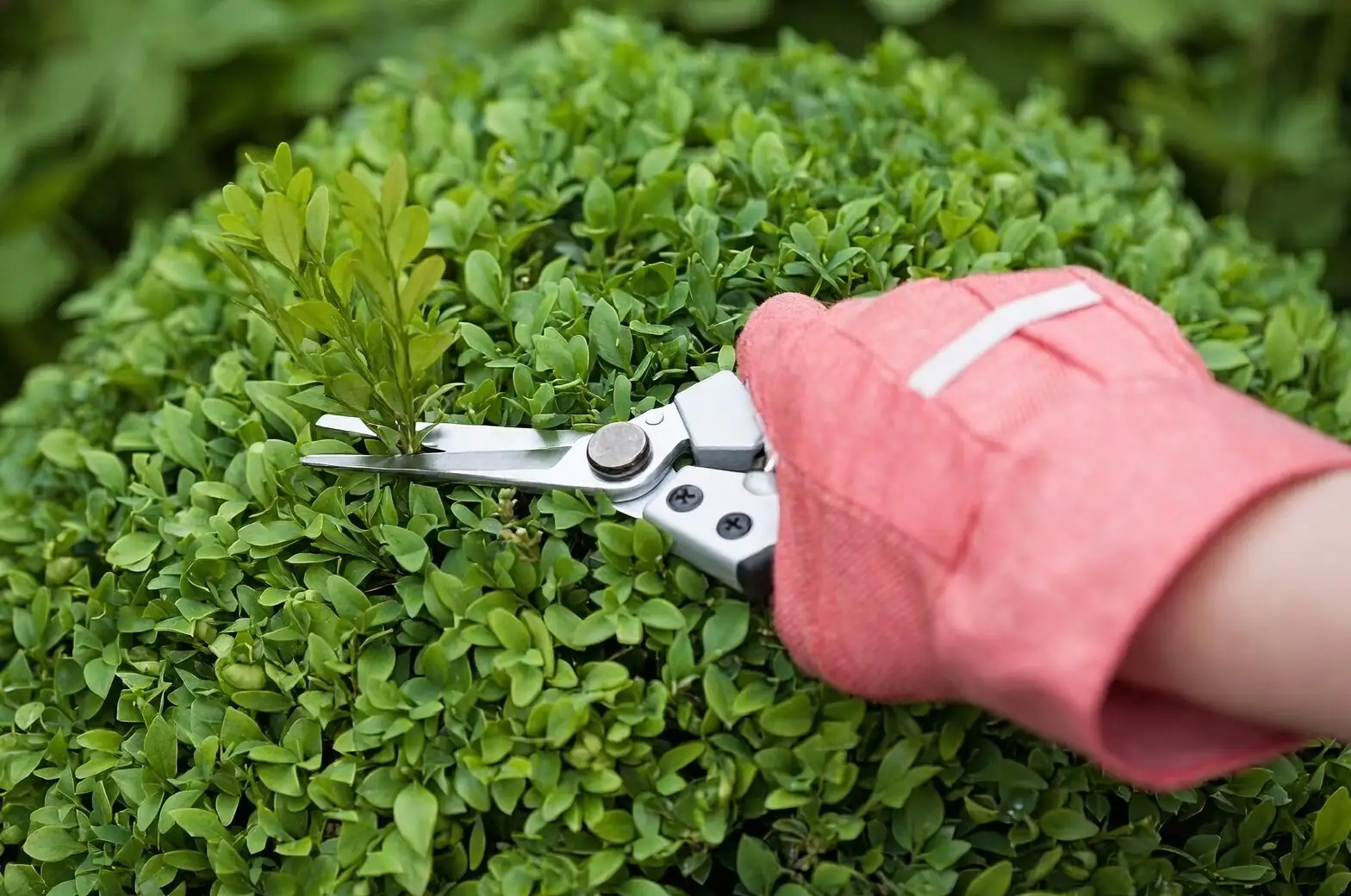
- Strategic cutback after the flush: When the first large wave of blooms wanes, shear the plant back by about 20–30% (snip just above leafy nodes). This tidies any leggy bits and triggers a fresh surge of growth and buds.
- Feed lightly after pruning: One half-strength feeding the following week helps power regrowth. Stick to that 2–4 week rhythm; avoid overdoing nitrogen (it can push leaves at the expense of flowers).
- Watering: More frequent in heat, especially for containers. Still let the surface dry between waterings.
- Airflow: Good circulation supports nonstop flowers and discourages pests.
H3: High Summer Heat (When Bloom May Pause)
Goal: Help the plant ride out heat and reset for late-summer bloom.
- Expect a lull: Osteospermum often take a short break in intense heat. Stay patient—blooms bounce back as nights cool.
- Sun and shade: Keep full sun where possible, but in extreme heat, containers can be shifted to morning sun with bright afternoon light to reduce stress.
- Water/feeding: Maintain steady moisture without sogginess; don’t increase fertilizer to “force” flowers during the lull.
- Light tidy: A modest trim (10–20%) plus consistent deadheading keeps mounds compact and ready to explode again with the first cool spell.
H3: Late Summer to Early Fall (Prime Encore)
Goal: Capitalize on cooler nights for a generous second season.
- Deadhead like clockwork: Keeps fresh color cycling.
- Second strategic cutback: After a heavy late-summer/early-fall flush, another 20–30% shear can prompt a final fantastic round of buds.
- Feeding: Ease off; you can stretch to every 3–4 weeks or stop entirely as nights cool and growth slows.
- Take cuttings: Softwood cuttings root easily now—insurance plants for next year and a cost-free way to multiply your favorites.
H3: Late Fall
Goal: Wind down growth and prep for winter.
- Reduce watering: Keep just-barely moist; never wet or bone-dry for long.
- Stop feeding: Allow the plant to coast into dormancy.
- In Zones 9–11: Provide protection from cold snaps; avoid waterlogged soil.
- In colder zones: Move containers indoors before frost to a bright, cool site (10–15°C/50–59°F).
H2: Bright-Cool Overwintering That Reboots Early Spring Color
Think of winter as a gentle power-nap, not total sleep.
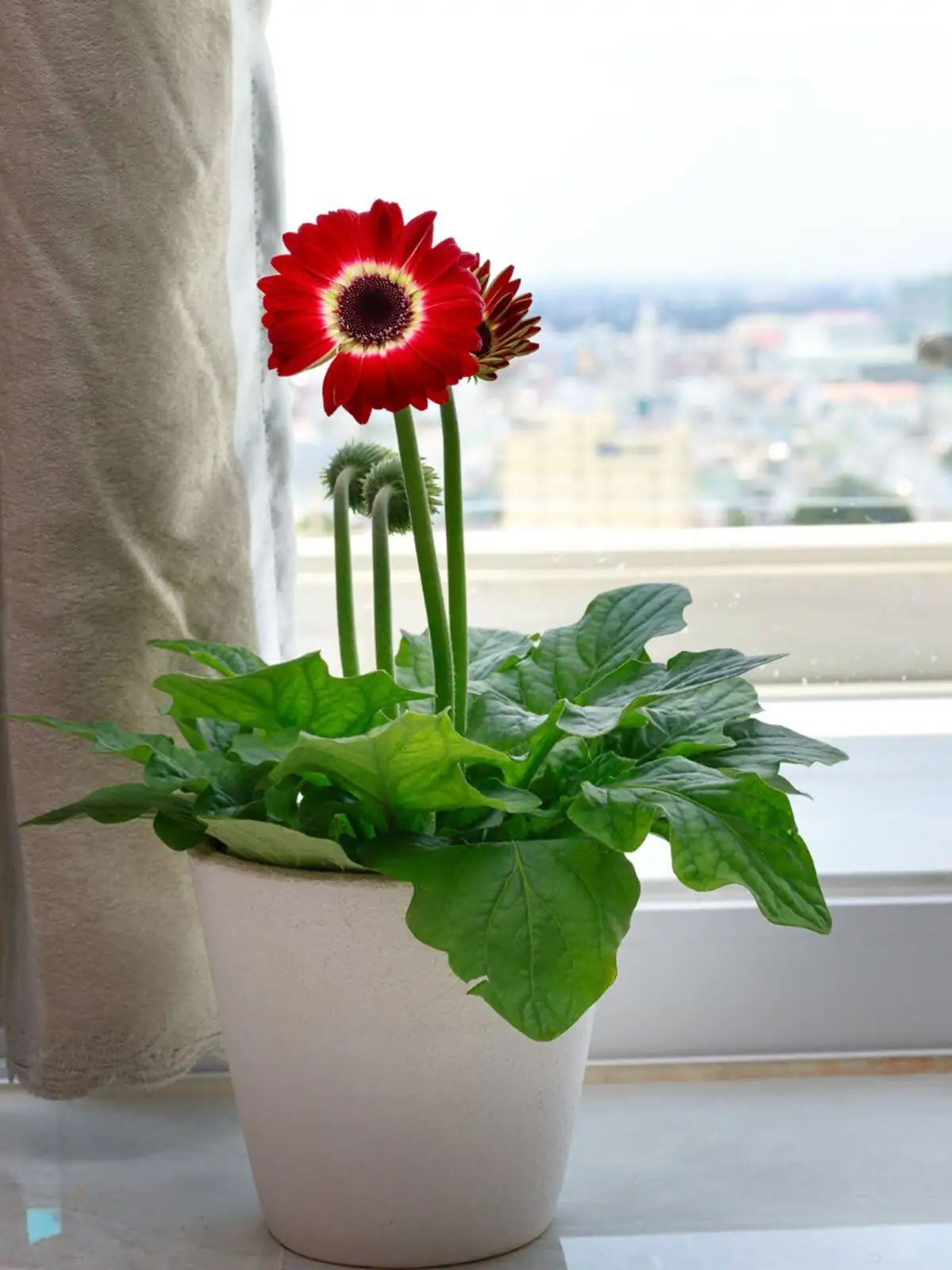
- The setup:
- Light: The brightest window, sunroom, or unheated greenhouse you have.
- Temperature: 10–15°C (50–59°F). This is the sweet spot—bright and cool.
- Potting mix: Excellent drainage is nonnegotiable. Add perlite or horticultural grit if needed.
- Pre-winter prune: Reduce the plant by about one-third to neaten and conserve energy. Remove any diseased or crossing stems.
- Water sparingly: Allow the top 2–3 cm of mix to dry before rewatering. Never leave in standing water.
- Feeding: Pause feeding in winter’s low light.
- Pest check: Inspect every few weeks; treat aphids, whiteflies, spider mites, or thrips promptly with insecticidal soap or horticultural oil.
- Late-winter wake-up: As day length increases, increase watering slightly, resume half-strength feeding every 2–4 weeks, and pinch soft tips to set the stage for a dense, early bloom.
H2: The Cutback Playbook (How Hard, How Often, Why)
- Light grooming, always: Deadhead spent blooms and snip stragglers to keep shape.
- After a big flush: Shear by 20–30% to just above leafy nodes. This signals “grow again,” leading to tighter branching and a fresh round of buds in 2–4 weeks (timing depends on temperature).
- Tools and timing: Use clean, sharp shears; prune in the cool of morning; follow with a light watering and one half-strength feed the next week.
H2: Feeding Cadence Made Easy
- Active growth (spring through summer): Balanced liquid fertilizer at half strength every 2–4 weeks. Or use a slow-release product per label instructions.
- Fall: Reduce or stop feeding as growth slows.
- Winter: No feeding in low light.
- Pro tip: More fertilizer doesn’t mean more flowers. In fact, heavy nitrogen skews the plant leafy rather than floriferous.
H2: Water and Soil—Set the Stage for Success
- Watering rhythm: Drench, then let the top 2–3 cm dry. Containers dry faster—check with a finger before you water.
- Drainage, drainage, drainage: Osteospermum dislike “wet feet.” Elevate pots and empty saucers.
- Soil: Moderately fertile, well-drained sandy or loamy soil. Over-rich, soggy mixes encourage rot and fewer flowers.
H2: Light and Temperature Targets
- Sun: Aim for 6+ hours daily to fuel continuous flowering.
- Temperature: Best growth and bloom in 10–24°C (50–75°F). Heat can trigger a bloom pause; flowering rebounds with cooler nights.
- Frost: Protect from hard frost. In colder zones, overwinter indoors, bright and cool.
H2: Containers vs. Ground—Quick Tips
- Containers:
- Mix: Quality potting mix cut with perlite or grit (about 20–30%) for fast drainage.
- Pot: Only one size larger at repotting to avoid excess wet mix.
- Placement: Sunny patios, balconies, or front steps—the more light, the better.
- Ground:
- Site: Full sun, open air, and a spot that never puddles.
- Amend: Add grit or sand if your soil is heavy.
H2: Propagation and Refreshing the Display

- Softwood cuttings (spring–summer/fall): Take 7–10 cm nonflowering tips, strip lower leaves, dip in rooting hormone (optional), and insert into a free-draining medium. Keep bright, not hot, and just moist. Rooting is typically quick.
- Seeds: Possible, but named forms may not come true—cuttings are your reliable route to clones.
H2: Troubleshooting Cheatsheet
- Lots of leaves, few flowers:
- Not enough sun; too much nitrogen; skipped deadheading; high heat lull.
- Fix: Move to brighter light, resume deadheading, trim lightly, stick to modest feeding.
- Wilting or yellowing in wet soil:
- Likely overwatering or poor drainage; risk of root/crown rot.
- Fix: Improve drainage, let surface dry between waterings, repot if needed.
- Pests (aphids, whiteflies, spider mites, thrips):
- Signs: Sticky residue, distorted growth, speckled leaves.
- Fix: Strong light and airflow; treat with insecticidal soap or horticultural oil; repeat as directed.
- Leggy growth:
- Cause: Low light or overdue shearing.
- Fix: Move to sun; perform a 20–30% trim to tighten the mound.
H2: Smart Buying and Companion Ideas
- Choosing plants:
- Look for compact, bushy growth, fresh green leaves, and plenty of unopened buds.
- Avoid yellowing foliage, soggy media, or visible pests (check leaf undersides).
- Companions:
- Think sun-lovers with lean-soil tolerance and fine textures: lavender, Russian sage, and blue fescue make great partners in containers or at the front of borders.
H2: Safety, Symbolism, and Fun Facts
- Safety: Not widely reported as toxic to people or pets, but any plant can cause mild stomach upset if chewed—best to discourage nibbling.
- Symbolism (flower “language”): Often linked to cheerfulness and optimism—no surprise given its sun-seeking faces and sky-tinted petals. Like many daisy kin, this meaning likely emerged from the flower’s bright, open form and long season of bloom—an enduring emblem of lightness and lift in the garden.
- Fun facts:
- Flowers often open wide in bright sun and close in low light or at night—little sun-dials that track your day.
- In mild coastal climates, plants can behave as short-lived perennials, blooming for months on end.
H2: One-Glance Care Calendar (Temperate Northern Hemisphere—adjust for your climate)
- February–March: Bright-cool indoor light; light watering; repot if needed; start half-strength feeding when growth resumes; pinch tips.
- April–May: Harden off; plant out after frost; full sun; steady watering; begin deadheading; half-strength feed every 2–4 weeks.
- June: First big flush; shear 20–30% after bloom wave; resume light feed; maintain airflow.
- July–August: Expect heat pause; keep evenly moist (not soggy); light tidy trim; hold fertilizer steady or reduce; manage pests.
- September: Cooler nights; bloom returns; deadhead often; optional second 20–30% cutback after heavy flush to prompt more buds.
- October: Keep flowering; reduce or stop feeding; water a bit less as growth slows.
- November: In cold zones, move indoors to bright-cool; prune lightly; water sparingly; no feed.
- December–January: Resting period; bright-cool, minimal water; pest checks. Late January/February, begin gentle wake-up: a little more water, resume half-strength feeding, pinch for branching.
H2: Why This Rhythm Works
- Bright-cool overwintering preserves plant energy while preventing stretch.
- Modest, regular feeding fuels flowers without pushing excess foliage.
- Timed shears after big flushes reset the plant’s bloom cycle, giving you repeat fireworks through the growing season.
Follow this calm, steady cadence and your Falling Stars Cape Daisy will behave like the garden’s reliable optimist—opening sky-blue eyes to every sunny day from spring’s first jacket-optional afternoons straight through the mellow light of fall.