

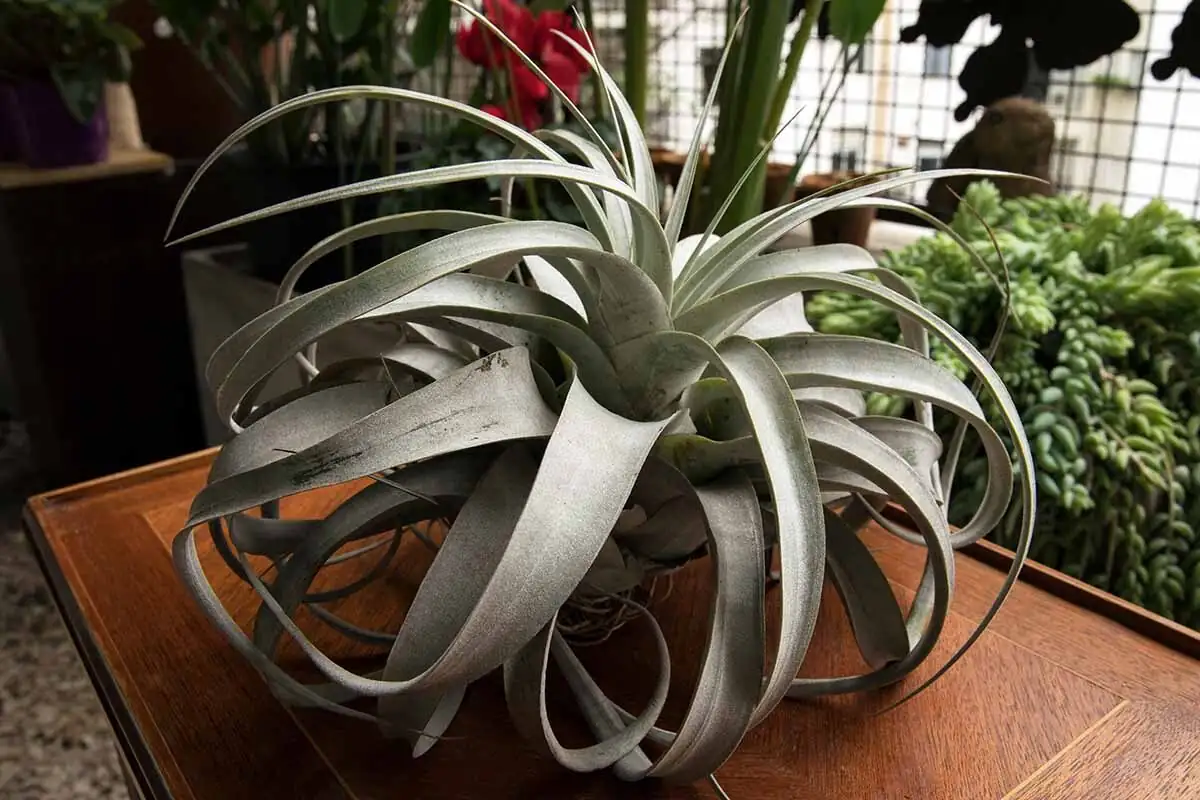
The King of the Air Plants is a sculpture that happens to be alive—broad, silvery leaves curl like ribbon into a tight rosette, all powered by light, fresh air, and quick sips of water. Master these rhythms month by month and Tillandsia xerographica will stay regal for years, eventually sending up a long-lasting flower spike with purple blooms and passing the crown to pups.
Key idea before we start: this species prefers thorough misting and fast drying over soaking. Think “morning dew that’s gone by lunchtime,” not “spa day.”
Quick profile (so you know the knobs to turn)
- Light: Bright with some direct sun; east window or filtered south light. Avoid deep shade and harsh, all-day sun.
- Temperature: 15–30°C (59–86°F); never below 10°C (50°F); frost-free only.
- Humidity: 40–60% with excellent airflow. High humidity is fine if drying is quick.
- Water style: Early-day thorough mist, then dry fully within ~4 hours. In very dry homes, add a brief rinse (5–10 seconds). Reserve any soaking for severe dehydration, and keep it brief.
- Fertilizer: 1/4-strength bromeliad/air-plant formula every 2–4 weeks in active growth; rinse with plain water occasionally to prevent buildup.
- Mounting: No soil. Mount on wood/rock or place in an airy holder; avoid closed containers that trap moisture.

Month-by-month care calendar
Northern Hemisphere timing; in the Southern Hemisphere, shift six months.
January
- Light: Maximize brightness—move to the brightest window you have (east/south). A sheer curtain is fine if midday is intense.
- Water: Mist once weekly; in brighter/warmer rooms, 2x. Ensure it dries in ~4 hours.
- Feeding: Skip or feed at 1/4-strength once this month only if light is strong and growth active.
- Climate tweaks:
- Dry home: Add a 5–10 second lukewarm rinse after one mist this month; run a fan gently nearby after watering.
- Humid regions: Not typical now; just prioritize airflow.
February
- Light: Same as January; rotate the plant for even shape.
- Water: Mist 1–2x/week; always in the morning.
- Feeding: Optional 1/4-strength once this month if growth is steady; otherwise wait for spring.
- Climate tweaks:
- Dry home: If tips crisp, increase to 2 mists/week plus one quick rinse mid-month.
- Humid regions: Ventilation is still key—never let moisture linger in the rosette.
March
- Light: Days lengthen; introduce a touch more morning sun if available.
- Water: Mist 2x/week.
- Feeding: Begin the active-season routine: 1/4-strength once this month.
- Climate tweaks:
- Dry home: Add a brief rinse every other week if leaves feel soft or curl very tightly.
- Humid spring: Use a fan after each watering; avoid evening moisture.
April
- Light: Bright and airy, filtered midday sun; consider a bright, sheltered patio in frost-free climates.
- Water: Mist 2x/week; shake excess moisture from the rosette so it dries quickly.
- Feeding: 1/4-strength once this month.
- Climate tweaks:
- Dry home: If indoor heat still runs, add one extra light mist on the sunniest week.
- Humid spring: Water early, maximize cross-breeze or a small circulating fan.
May
- Light: Strong but filtered; a few hours of gentle morning sun is excellent.
- Water: Mist 2–3x/week in warm rooms; keep the 4-hour dry-down rule.
- Feeding: 1/4-strength once this month.
- Climate tweaks:
- Dry home: 2 mists + 1 quick rinse weekly may be perfect; watch that it still dries fast.
- Humid late spring: Reduce to 1–2 mists/week if the plant stays plump; increase airflow.
June
- Light: Peak brightness; outdoors in warm, frost-free zones is great—bright shade with moving air.
- Water: Mist 2x/week in average homes; up to 3x in hot, dry conditions.
- Feeding: 1/4-strength once this month; rinse with plain water the following week to prevent buildup.
- Climate tweaks:
- Dry heat: Add one 5–10 second rinse every 1–2 weeks; never let water sit in the crown—shake and tilt to drain.
- Humid summer: Cut to 1–2 mists/week; prioritize air movement. Water only early morning.
July
- Light: Bright, indirect with dappled morning sun. Avoid harsh midday scorch.
- Water: Similar to June—2x/week, adjusting with temperature and airflow.
- Feeding: 1/4-strength once this month.
- Climate tweaks:
- Dry heat: If leaves feel papery, one brief emergency soak (5–10 minutes max) may help—then shake well and dry fast. Use sparingly.
- Humid summer: If the plant isn’t fully dry within 4 hours, reduce frequency and move to breezier shade.
August
- Light: Maintain bright exposure; rotate weekly to keep the rosette symmetrical.
- Water: 2x/week mist in normal conditions; 1–2x/week in humid areas.
- Feeding: 1/4-strength once this month.
- Climate tweaks:
- Dry heat: Quick rinse every other week plus misting can replace any need to soak.
- Humid summer: Consider a small desk fan on low for 1–2 hours after each watering.
September
- Light: Sun angle softens—let in a little more morning sun.
- Water: Step down slightly: 1–2 mists/week.
- Feeding: 1/4-strength once this month, then prepare to taper.
- Climate tweaks:
- Dry home returning: If indoor heat starts up, keep two mists/week.
- Humid late summer: Keep airflow high; never water in late afternoon/evening.
October
- Light: Bright windowsill; harvest season light is weaker—avoid deep-set shelves.
- Water: Mist once weekly; in bright, warm rooms, 1–2x.
- Feeding: Optional light feed at 1/4-strength if growth continues; otherwise pause.
- Climate tweaks:
- Dry home: Add a quick rinse mid-month if tips brown.
- Humid climates: Usually easing now—maintain the 4-hour dry rule.
November
- Light: Pull as close to the window as possible; an east/south exposure is ideal.
- Water: Mist once weekly; ensure warm, moving air after.
- Feeding: Skip this month unless the plant is very bright and still actively growing.
- Climate tweaks:
- Dry home: One extra light mist on the sunniest week; watch for mineral spots if your tap water is hard.
- Humid regions: Typically minimal adjustments; avoid crowding plants.
December
- Light: The “hungry light” month—clean the window glass and keep curtains open by day.
- Water: Mist once weekly.
- Feeding: Usually skip; resume in spring.
- Climate tweaks:
- Dry holiday homes: Brief 5–10 second rinse once mid-month if leaf tips crisp, plus gentle airflow to dry.
- Humid areas: Rare now—just keep that fast dry-down.
Watering technique that keeps rot away
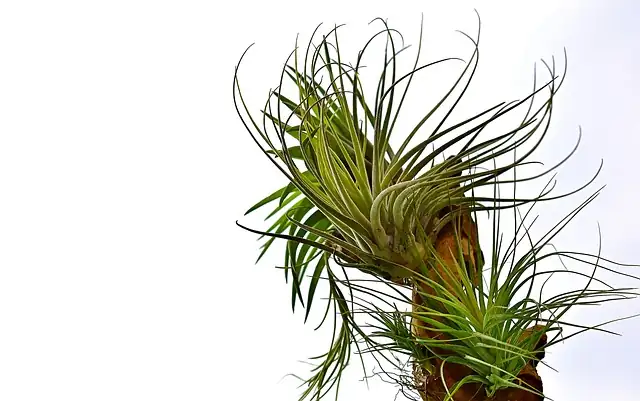
- Morning only: Water early so the plant dries by mid-day.
- Method: Thoroughly mist until leaves glisten and just begin to drip. In very dry homes, add a quick 5–10 second rinse under lukewarm water.
- Aftercare: Shake the rosette and tilt it upside down briefly to drain; aim a fan past (not directly blasting) the plant for excellent airflow.
- Drying deadline: Aim for completely dry in about 4 hours.
- Emergency dehydration: If leaves feel very soft and curl tightly or look hollow, use a brief 5–10 minute soak once, then revert to mist-and-dry. Always ensure rapid drying afterward.
- Water quality: Rain, distilled, or filtered water helps prevent mineral spots and brown tips.
Feeding, simplified
- What: Bromeliad/air-plant fertilizer at 1/4 strength.
- When: Every 2–4 weeks in active growth (roughly March–September); monthly is plenty for xerographica.
- How: Add to one of your regular mistings. Follow with a plain-water rinse on a later watering day to prevent buildup.
- Skip: Fertilizing in low light/winter or if the plant is stressed. Light drives growth—fertilizer only supports it.
Light tuning without guesswork
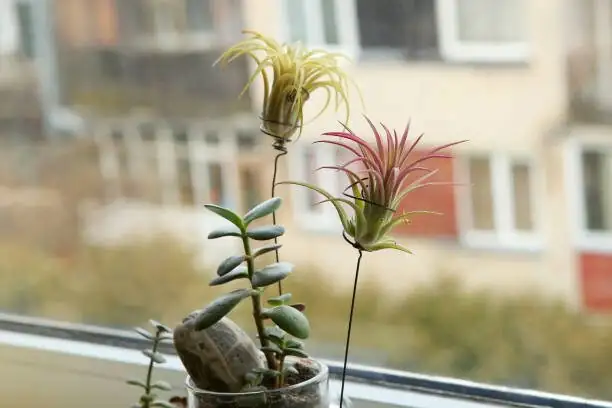
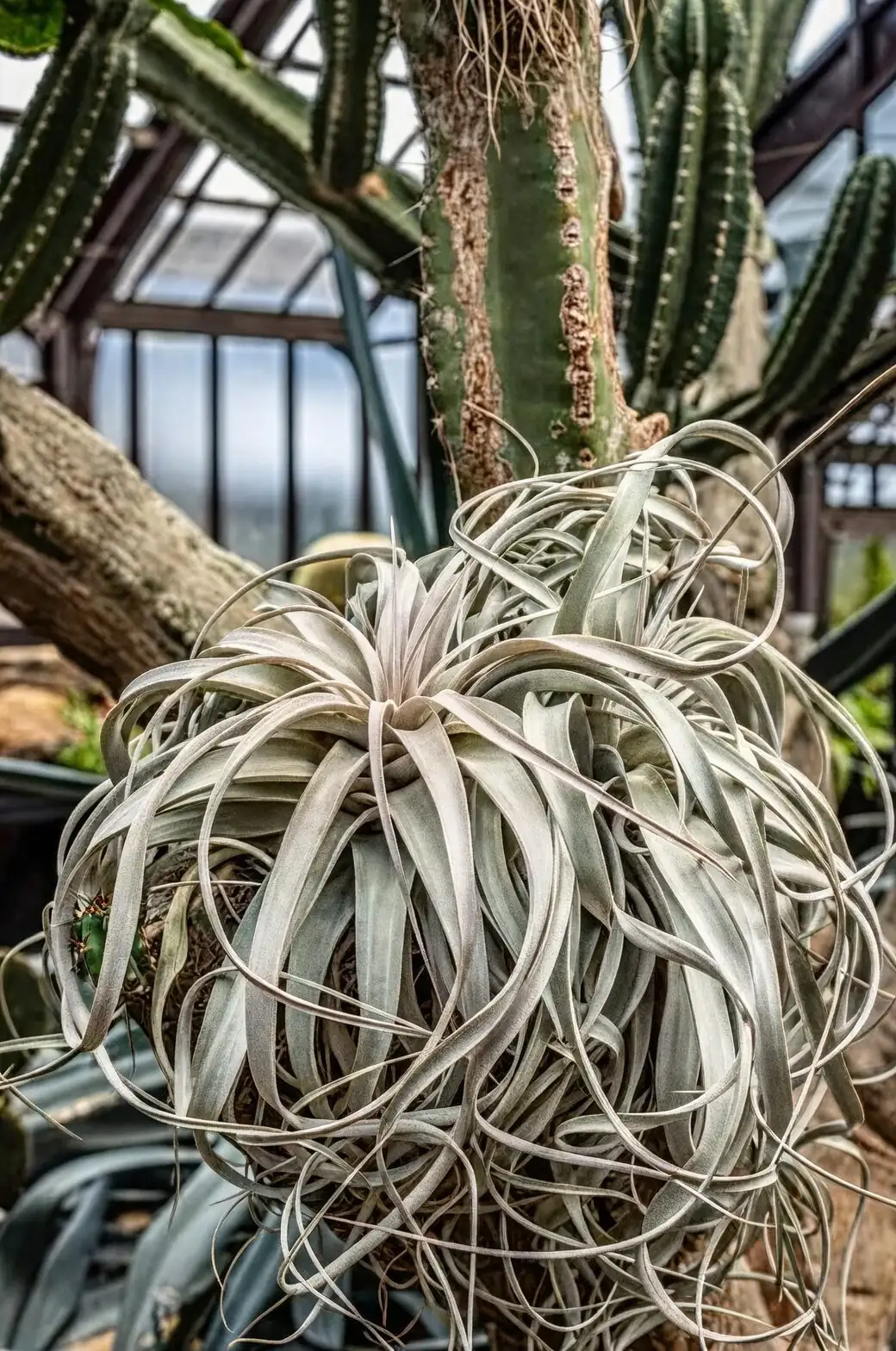
- “Just right” looks like: Firm, silvery leaves; slow, steady growth; tidy curls.
- Too little: Greener, softer leaves and looser rosette—move closer to light.
- Too much: Bleached or scorched patches—filter midday sun and add some distance.
- Best placements: East window; bright south window with sheer curtain; shaded, airy patio in frost-free climates.
Seasonal moves and temperature safety
- Outdoor summers: Only in warm, frost-free zones. Give bright shade, excellent airflow, and morning watering with fast dry-down.
- Cold snaps: Bring indoors well before nights dip to 10°C (50°F). Never expose to frost.
- Winter indoors: Keep away from cold window drafts; add airflow after watering.
After flowering and pups
- The flower spike can be long-lasting, and the small purple tubular blooms are the bonus. Afterward, the mother rosette naturally slows while producing offsets (“pups”).
- Let pups grow to 1/3–1/2 the size of the mother before gently separating, or keep them attached for a dramatic clump.
Troubleshooting at a glance
- Browning tips: Air is very dry or water is mineral-heavy. Slightly increase misting, switch to rain/filtered water, and keep light bright with airflow.
- Mushy base or sour smell: Stayed wet too long—trim off truly dead tissue, improve airflow, and switch to morning-only misting.
- Pests (mealybugs/scale): Dab with 70% isopropyl alcohol on a cotton swab; increase airflow. Avoid oil-heavy sprays on air plants.
A note on meaning and mystique
This species is often associated with resilience and minimalist beauty—thriving without soil, broadcasting strength through restraint. Its silver armor of trichomes both protects and nourishes, a reminder that elegance can be highly functional.
Give Tillandsia xerographica bright light, quick drinks, and lively air, and it will repay you with sculptural poise all year—no pot required.