

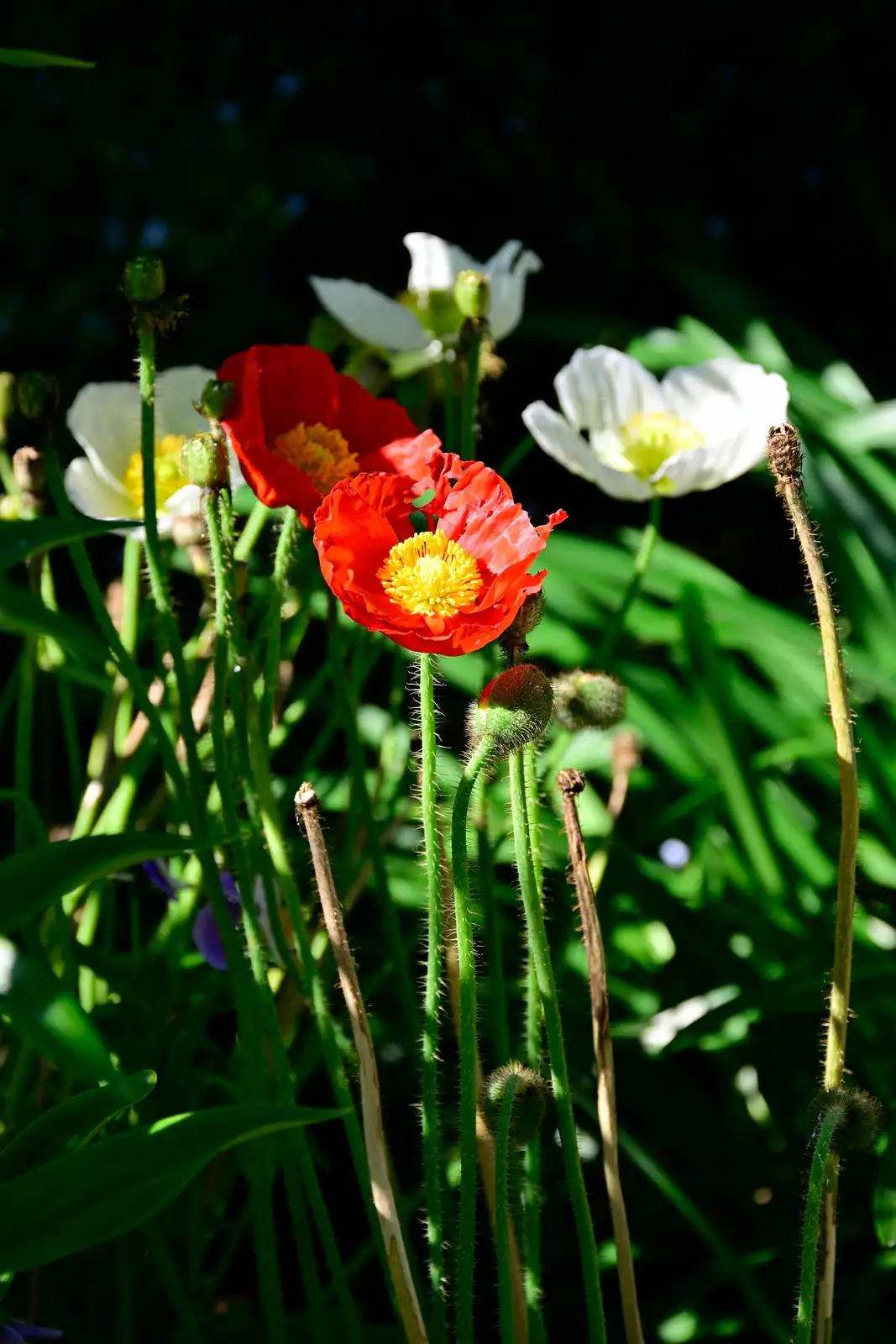
Think of poppy anemone (Anemone coronaria) as a cool-season firework: elegant ferny foliage, then big, poppy-like blooms in electric reds, blues, pinks, and whites—perfect for beds, borders, rock gardens, and balcony pots. It thrives in bright, mild weather and takes a natural summer siesta. Use this month‑by‑month action plan to sync with its rhythm: even moisture while growing, monthly feeding, a phosphorus–potassium boost at budding, June lift and divide (and sow fresh seed), summer shade, and winter care on the dry side.
Note: Months assume a temperate Northern Hemisphere schedule. In the Southern Hemisphere, shift by six months; in very mild/wet or very cold regions, lean more on containers and impeccable drainage.
H2: The quick gist: how poppy anemone likes to live
- Origin and habit: A Mediterranean, tuberous perennial in the buttercup family (Ranunculaceae). Active in cool, bright weather; rests in summer heat and may pause in harsh winter cold.
- Light: Full sun for sturdy stems and strong flowering; tolerates partial shade. Provide 50–60% shade during hot spells.
- Temperature: Ideal 15–20°C (59–68°F). Dislikes hot, humid conditions.
- Soil: Fertile, free-draining mix—think leaf mould/compost + rich loam + coarse sand.
- Water: Evenly moist during stem extension and bloom; never waterlogged. Keep drier (not bone-dry) in winter dormancy.
- Feeding: Monthly dilute organic liquid feed in active growth; add one bloom-time P–K boost when buds first show.
- Pots: 12–15 cm (4.7–5.9 in) pots, 3 tubers per pot. Plant 1.5 cm (0.6 in) deep in pots, 5–7 cm (2.0–2.8 in) in beds.
- Cut-flower note: Many long-stemmed and double cultivars are stellar in vases. Avoid wetting open blooms to keep petals pristine.
H2: Month-by-month action plan
H3: August
- Plan and prep
- Choose a bright, airy site with excellent drainage; for pots, blend leaf mould/compost + loam + coarse sand.
- Stock up: Select firm, plump tubers at least 6 cm (2.4 in) in circumference; buy fresh seed in intact packaging if you plan to sow.
- Hygiene option: Many growers disinfect tubers before planting by soaking in a labeled fungicide solution (often used around 1:1000 when specified). Air-dry before storage or pre-soak.
H3: September
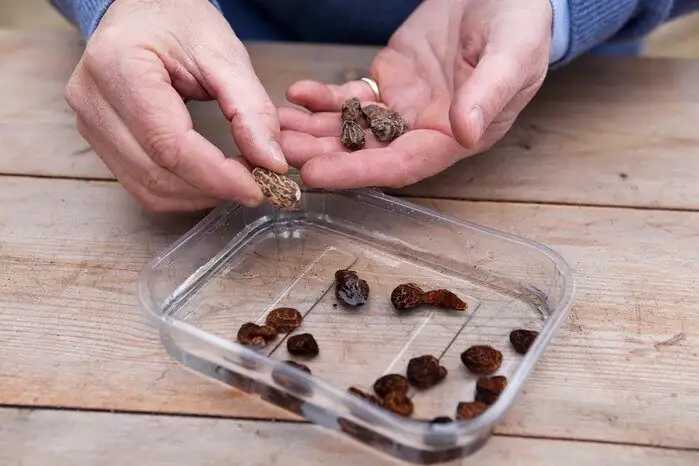
- Wake and hydrate the tubers
- Pre-soak tubers to rehydrate (in moist sand or water) before planting for more even sprouting.
- Plant in pots or well-drained beds. Depth: 1.5 cm in pots; 5–7 cm outdoors.
- After planting, water lightly to settle the mix. Avoid heavy early soakings—overwatering now can stall or rot tubers.
H3: October
- Cool-season kick-off
- Place pots in bright light (east- or south‑facing windowsill/balcony) or sunny, airy outdoor sites.
- Watering: Keep the surface just drying between waterings. Increase slightly as leaves appear.
- Feeding: Start monthly dilute organic liquid feed.
H3: November
- Build foliage, set the stage
- Maintain even moisture (never soggy). Good airflow prevents gray mold.
- Continue monthly feeding.
- Light: Full sun is best; partial shade is tolerable if light is bright and crisp.
H3: December
- Steady growth in cool light
- Water when the potting surface dries slightly; avoid water sitting in saucers.
- If indoors is dry, lightly mist foliage (never open flowers) to keep leaf edges happy.
H3: January
- Buds soon: keep conditions even
- Maintain bright light and gentle airflow. Prevent cold + wet: in frosty, wet climates, shelter pots from prolonged saturation.
- Monthly feed continues.
H3: February
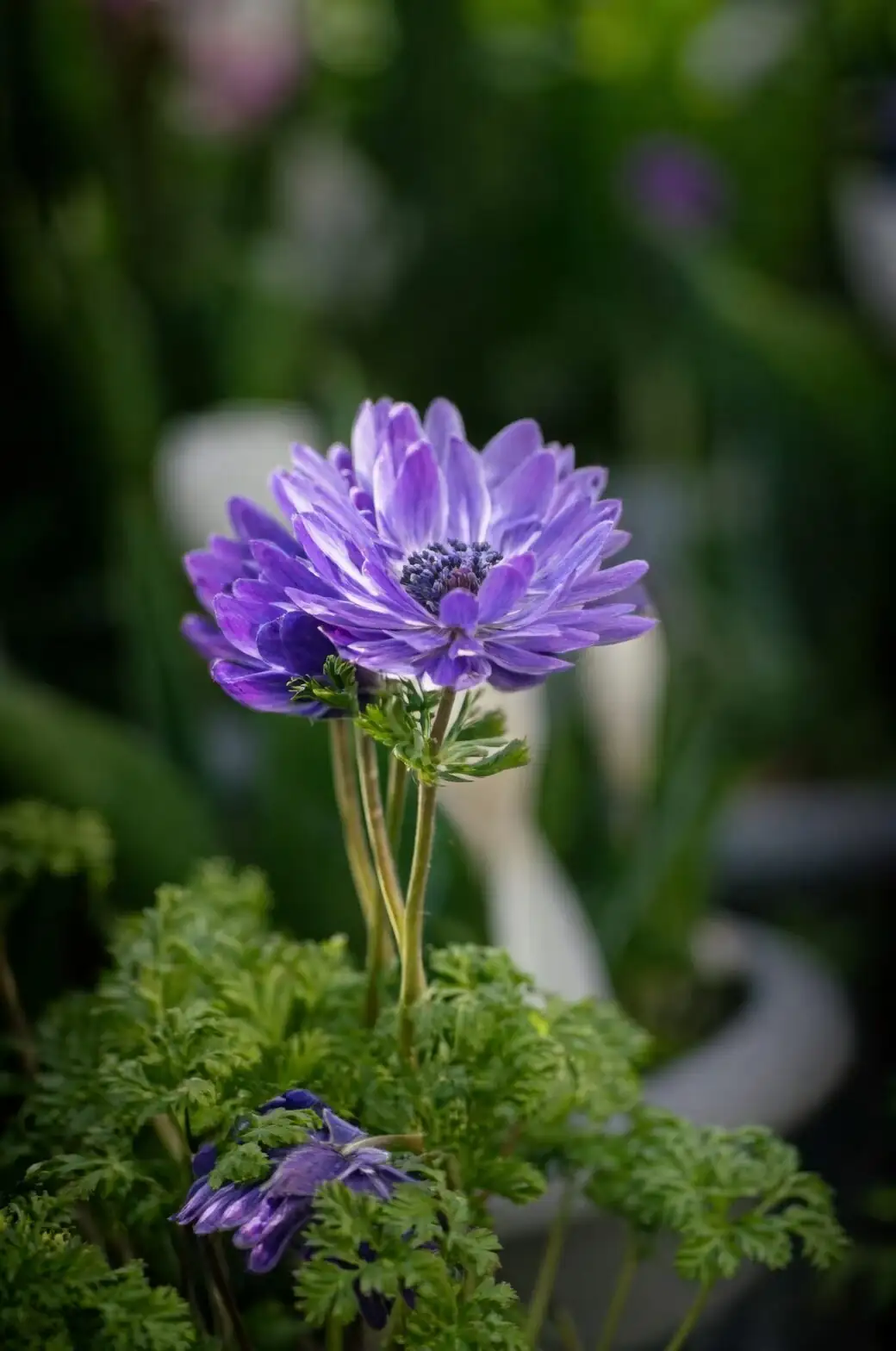
- The bud moment (add the P–K boost)
- When first buds/flowers appear, give a one-time phosphorus–potassium‑forward boost (for instance, a bloom formula around 15‑15‑30) to support flowering and tuber development.
- Watering: Even moisture is crucial now—do not let plants swing from dry to drenched.
- Avoid spraying water on open blooms.
H3: March
- Peak bloom care
- Deadhead promptly if not saving seed—this extends display and helps the tubers bank energy.
- Continue balanced monthly feeding; maintain even moisture and excellent drainage.
H3: April
- Sustained flowering and stamina
- Keep stems sturdy with strong light. Weak, stretched growth usually means not enough sun.
- Monitor for aphids on flowering stems; rinse off or use integrated controls. Maintain airflow to deter Botrytis and rust.
H3: May
- Wind-down, seed decisions
- As flowering tapers, choose whether to let some heads mature for seed or keep deadheading to strengthen tubers.
- Begin easing off water slightly as foliage naturally starts to tire—but don’t snap to drought.
H3: June
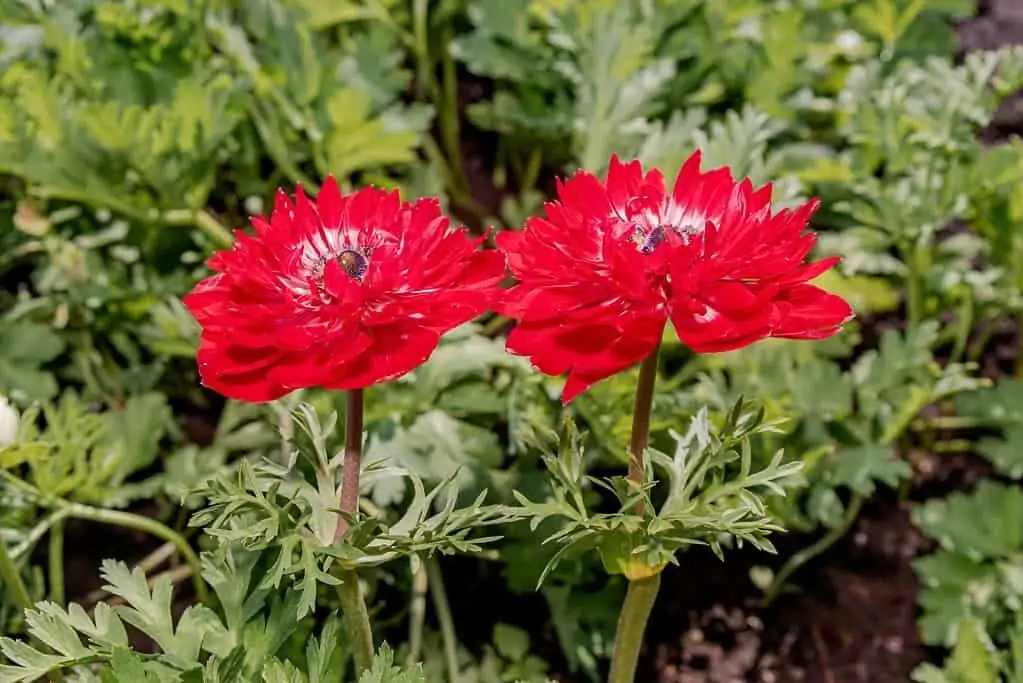
- Lift, divide, and sow fresh seed
- When foliage dies back, lift tubers. Divide if clumps are crowded.
- Storage: Keep cleaned tubers in dry sand in a cool, shaded, ventilated place.
- Seed time: Seeds ripen now and are best sown fresh. Rub them with sand (they’re a bit hairy) to separate, then sow thinly in a fine-textured medium; cover very lightly.
- Germination: 15–20°C (59–68°F), usually 3–6 weeks. Keep evenly moist and bright—high heat can stall seedlings. Seedlings often take 2–3 years to reach flowering size.
H3: July
- Summer siesta management
- Tubers naturally rest in heat. Provide 50–60% shade for any lingering foliage or nearby plantings; keep stored tubers dry.
- In beds, ensure drainage is faultless through summer thunderstorms. For pots out of flower, keep just barely moist.
H2: Watering made foolproof
- After planting dry tubers: Water lightly the first one or two times; increase gradually only once growth is underway.
- Active growth and bloom: Keep the medium evenly moist—check frequently during bright, breezy weather.
- Rainy spells outdoors: Prioritize drainage and avoid standing water.
- Winter: Keep pots on the dry side; cold + wet invites tuber rot.
H2: Feeding that fits the rhythm
- Monthly during active growth: A dilute, well‑rotted organic liquid feed (compost- or oilcake-based).
- Bud/early flower: One additional P–K‑forward boost (e.g., 15‑15‑30).
- No feed during summer dormancy or deep winter rest.
H2: Planting and potting cheat sheet
- Pots: 12–15 cm diameter, plant 3 tubers per pot at ~1.5 cm deep. Use a fertile, free‑draining mix (leaf mould/compost + rich loam + coarse sand).
- Beds: Plant 5–7 cm deep in open, well-drained soil; a sunny site gives the strongest stems. Tolerates partial shade.
- Placement: Bright, airy spots—east‑ or south‑facing windowsills/balconies indoors; sunny, well‑drained borders or courtyards outdoors.
H2: Troubleshooting and plant health
- Climate stress
- Heat and humidity: Expect summer dormancy; provide shade and airflow.
- Winter wet: The top killer of tubers—grow in raised beds or containers where drainage is impeccable.
- Diseases to watch
- Rust, gray mold (Botrytis), Sclerotinia—kept at bay by airflow, clean spacing, and avoiding soggy media.
- If disease appears, treat promptly with a suitable broad-spectrum fungicide as labeled.
- Pests
- Aphids on flowering stems: rinse off, encourage beneficial insects, or use a labeled insecticide such as imidacloprid where appropriate.
- Hygiene
- Consider a pre‑planting fungicidal dip (often used at ~1:1000 dilution when labeled) to reduce tuber-borne issues.
- Always avoid wetting open flowers; it shortens their perfect, satiny look.
H2: Propagation two ways
- Division
- Lift after dieback in June; divide and store tubers in dry sand, cool and shaded. Rehydrate (pre‑soak) before planting by early autumn for even sprouting.
- Seed
- Best sown fresh in June; mix seed with sand to spread thinly, cover lightly.
- Germinate at 15–20°C; seedlings emerge in 3–6 weeks.
- Patience pays: expect 2–3 years to first bloom; protect from high heat.
H2: Buying guide: what to look for
- Potted plants: Sturdy specimens no taller than 40 cm (16 in), with thick flower stems, deep green leaves, plenty of buds, and some open blooms with rich color.
- Tubers: Firm, plump, fresh; circumference ≥6 cm (2.4 in).
- Seed: Fresh, intact, well‑packaged from reputable suppliers (double‑packed is a plus).
H2: Cut flowers and display
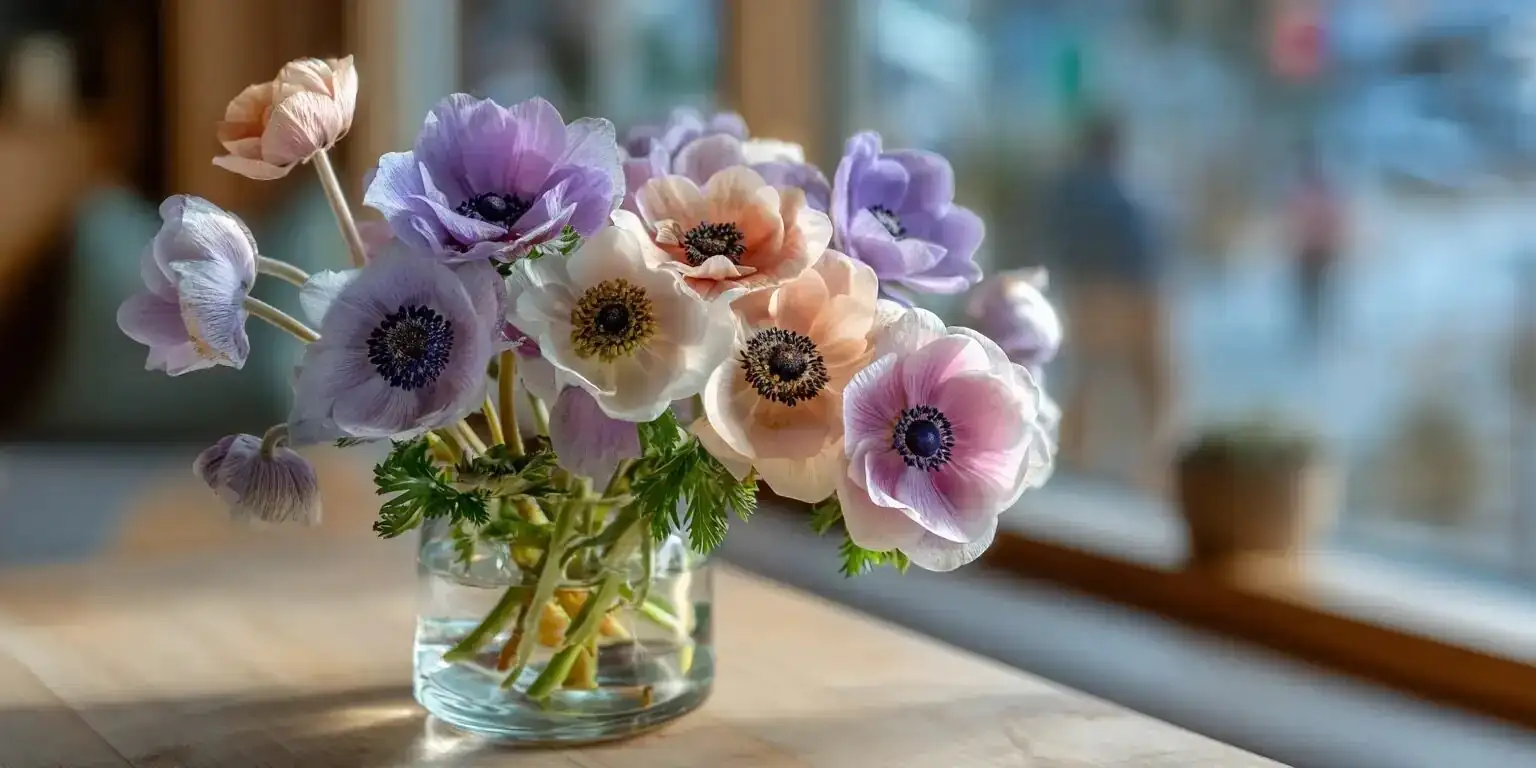
- Harvest when blooms are well‑colored and petals have just opened for best vase life from long-stemmed types.
- Keep arrangements out of direct sun and drafts; never splash water onto open petals.
H2: Safety
- Like many Ranunculaceae, sap may irritate skin and the plant is potentially toxic if eaten. Keep away from pets and children; wear gloves if you’re sensitive.
H2: Flower language, lightly unpacked
Poppy anemone is often linked with anticipation and protection—befitting a “windflower” whose buds bide their time, then open when mild spring breezes return. Historically popular around the Mediterranean and in European spring gardens, its short, brilliant season may also suggest the sweetness and swiftness of opportunity: act when conditions are right, then rest and renew.
H2: At-a-glance seasonal checklist
- Autumn to spring (active growth): Bright light; even moisture; monthly feeding; excellent airflow.
- Bud to bloom: One P–K boost; avoid wetting flowers; deadhead to prolong display.
- June: Lift/divide; store tubers dry and cool; sow fresh seed at 15–20°C.
- Summer: 50–60% shade in hot periods; keep stored tubers dry; ensure drainage after storms.
- Winter: Cool and bright; keep pots on the dry side—never cold and sodden.
Follow this rhythm and Anemone coronaria will reward you with that unmistakable, luminous spring show—precise care during growth, a timely June reset, a restful summer, and a gentle, dry winter set the stage for another year of wind-kissed color.