
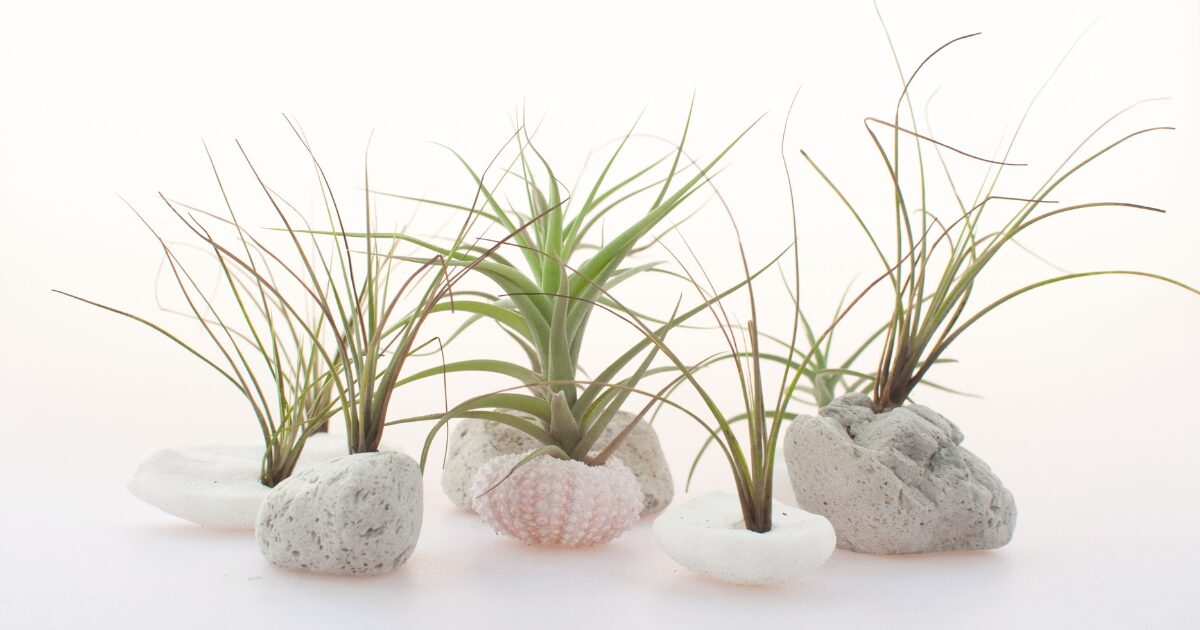
Meet the houseplant that rewrites all the rules: Tillandsia, the air plant. No pot. No soil. Just sculptural leaves, bright gentle light, regular water—and, above all, quick drying in fresh air. If you’ve ever wondered when to soak, when to mist, or how to keep these rosette gems happy through each season (and even while you travel), here’s your practical, no-fuss calendar.
Air-Plant Essentials at a Glance
- Light: Bright, indirect light to bright shade. Filtered morning sun is great; harsh midday sun behind glass can scorch.
- Airflow: Non-negotiable. After any watering, plants should dry within about 4 hours.
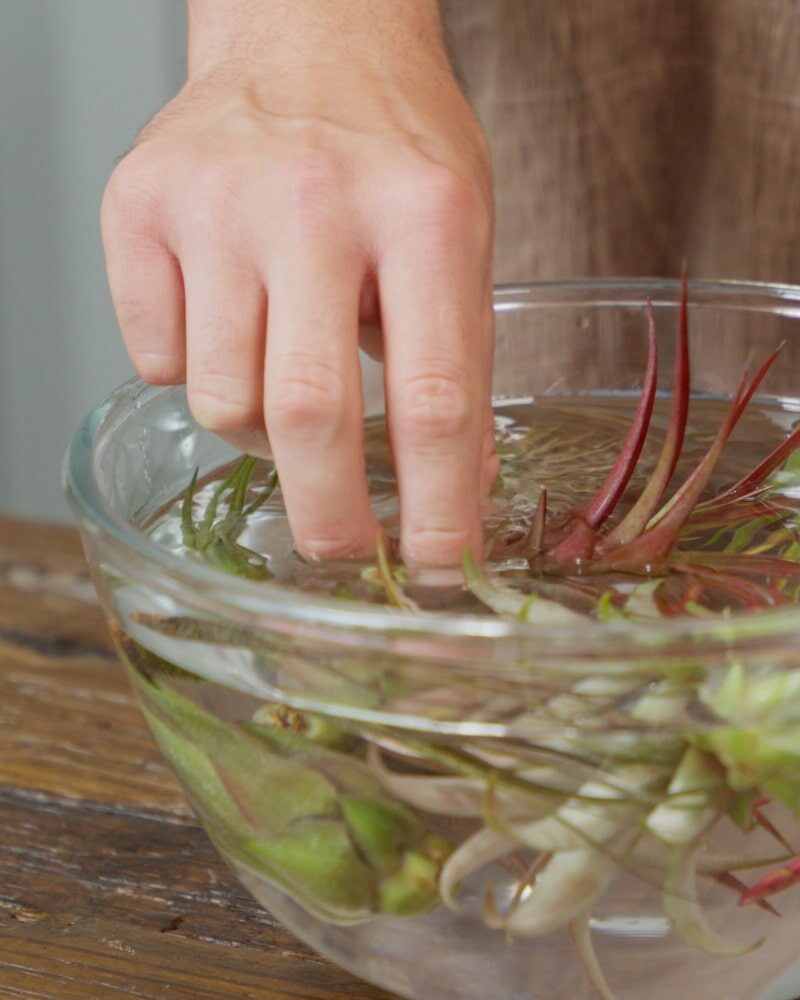
- Water: Soak about once weekly for 30–60 minutes; shake off excess and set upside down or on the side to drain. Add light misting between soaks in hot, dry rooms.
- Water quality: Rainwater, distilled, or low‑mineral water is best.
- Temperature: Aim for 15–25°C (59–77°F). Keep above ~10°C (50°F) in winter.
- Humidity: Moderate to high with ventilation (think 50–70%+ with a breeze—not a steamy, still terrarium).
- Feeding: Foliar feed lightly in active growth (bromeliad/orchid fertilizer at ~1/4 strength monthly). Rinse with plain water sometimes to prevent mineral buildup.
- Species tip: Gray/silvery plants (heavier trichomes) handle brighter light and drier air; greener, softer-leaved types prefer more humidity and gentler light.
The Indoor Grower’s Calendar
Spring: Ramp-Up and Reset
Spring lengthens days and wakes growth.
- Light
- Nudge plants closer to bright windows (east is ideal; set back from strong south/west).
- Acclimate gradually to a touch of gentle morning sun for gray-leaved species.
- Water
- Return to a steady rhythm: 30–60 minute soak weekly, then dry fast.
- Add 1–2 light mists between soaks if indoor air is heated or very dry.
- Feed
- Resume monthly foliar feeding at weak strength.
- Airflow
- Place a small oscillating or USB fan nearby on a low setting to keep air moving, especially after watering.
- Housekeeping
- Remove dead leaves to improve ventilation at the base.
- Refresh mounts and displays; keep plants removable so you can soak and dry them properly.
- Pups
- If last year’s bloomers have offsets, either leave pups attached to form clumps or separate when each pup is about 1/3–1/2 the size of the mother.
Summer: Heat and Airflow Management
The goal is to hydrate without letting heat and sun cook or rot the plant.
- Light and Heat
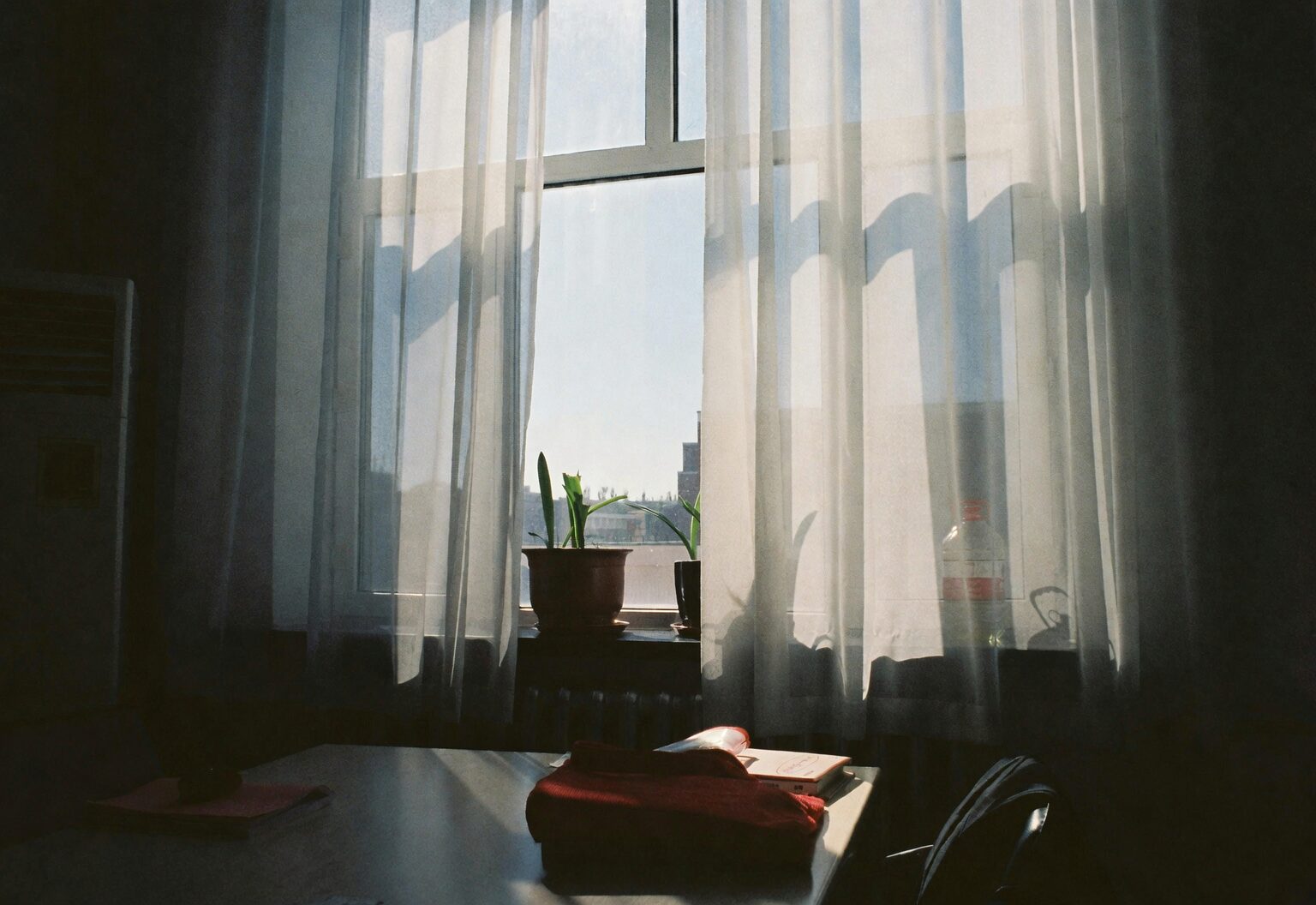
- Shield from harsh midday sun behind glass; a sheer curtain helps.
- Move plants slightly back from blazing windows or provide dappled light.
- Water
- Stick to morning soaks so they’re dry by midday heat.
- In extra‑hot, dry homes, keep the weekly soak but add light misting 2–3 times a week; watch that plants still dry within 4 hours.
- Keep flowers as dry as possible; rinse rather than submerge blooming rosettes.
- Feed
- Optional low‑dose feeding every 2–4 weeks can help growth and pup formation—keep it weak.
- Airflow
- Cross‑ventilate with open windows where safe, plus a fan. Good airflow is your best insurance against rot in humid heat.
Autumn: Tapering for Shorter Days
Ease them into winter mode.
- Light
- Days shorten—slide plants a bit closer to bright windows.
- Water
- Begin spacing soaks to every 7–10 days, watching the plant: rolled/curling leaves and dullness mean it’s time to water.
- Feed
- Reduce or pause fertilizing by late autumn.
- Prep
- Inspect for mealybugs/scale; clean up spent bloom stalks once dry; re‑secure loose mounts.
Winter: Low‑Light, Low‑Risk Strategies
Cooler, dimmer air means slower drying—adjust to avoid rot.
- Light
- Use your brightest window (east, or a south window set back). Consider a full-spectrum light for 12–14 hours if your space is gloomy.
- Temperature
- Keep most types above ~10°C (50°F). Avoid cold drafts and blasts from heater/AC vents.
- Water
- Soak less often—every 10–14 days is typical—always in the morning.
- Dry within about 4 hours. Use a gentle fan after watering.
- Mist sparingly; never let moisture sit deep in the crown overnight.
- Feed
- Pause or greatly reduce feeding. Rinse with plain water once in a while to keep leaf surfaces clean.
Travel Playbook: Hydrated, Quick-Drying, and Low-Stress
Before You Go (24–48 hours ahead)
- Deeply hydrate
- Give each plant a 45–60 minute soak, shake well, then dry fully in bright, airy light.
- Stage the environment
- Move displays to bright, indirect light with steady airflow (near a fan on a timer).
- Group plants on a mesh rack or open tray so air can circulate underneath.
- Gentle humidity boost (without wetting crowns)
- Set a cool‑mist humidifier on a smart plug to run brief cycles (e.g., 10–20 minutes, 2–3 times a day) plus a small fan to move air. Aim for ~50–60% RH, not “steamy.”
- Do not
- Do not seal plants in bags or enclosed globes “to keep moisture in.” Stagnant, wet air invites rot.
- Do not pack sphagnum moss tightly around crowns or let wet materials touch the plant.
If You’ll Be Gone 3–7 Days
- The pre-trip soak + timed humidity + airflow is often enough.
- If a friend will check in, ask for one light mist midweek (no soaking), and remind them to keep blooms mostly dry.
If You’ll Be Gone 1–3 Weeks
- Recruit a plant sitter for one proper watering:
1) Soak 30–45 minutes.
2) Shake off water; place plants upside down/on their sides.
3) Run a fan; ensure they’re dry within ~4 hours.
- For blooming plants: ask them to rinse gently instead of submerging.
- Reduce stress by slightly lowering ambient light intensity (pull plants a bit back from the brightest pane) and keeping temperatures on the cooler end of the comfortable range—both slow water loss.
- Xeric, silver‑leaf species with heavy trichomes will ride out longer gaps better than soft, green types.
Home Again: Rehydration
- If leaves are curled or tips crispy, do a normal soak (30–60 minutes), dry fully, then repeat a few days later. Avoid marathon dunks; consistency beats extremes.
Display Smarts That Supercharge Airflow
- Choose open mounts
- Cork bark, driftwood, wire cradles, or shells are great—just avoid sealing plants in tight or glassy spaces.
- Keep them removable
- Use soft ties, fishing line, or a dab of removable floral adhesive so you can unmount for soaking.
- Drying rigs that work
- A mesh shower caddy, wire cooling rack, or slatted shelf plus a small fan makes an excellent drying station.
- Orientation matters
- After soaking, place plants upside down or on their sides so water drains out of the crown and leaf bases.
Feeding, Growth, and the Bloom Cycle
- Feed lightly in active months
- Mist or soak with a weak bromeliad/orchid fertilizer about monthly; some growers use very low strength a bit more often in summer. Rinse with plain water now and then to prevent buildup.
- Bloom then pups
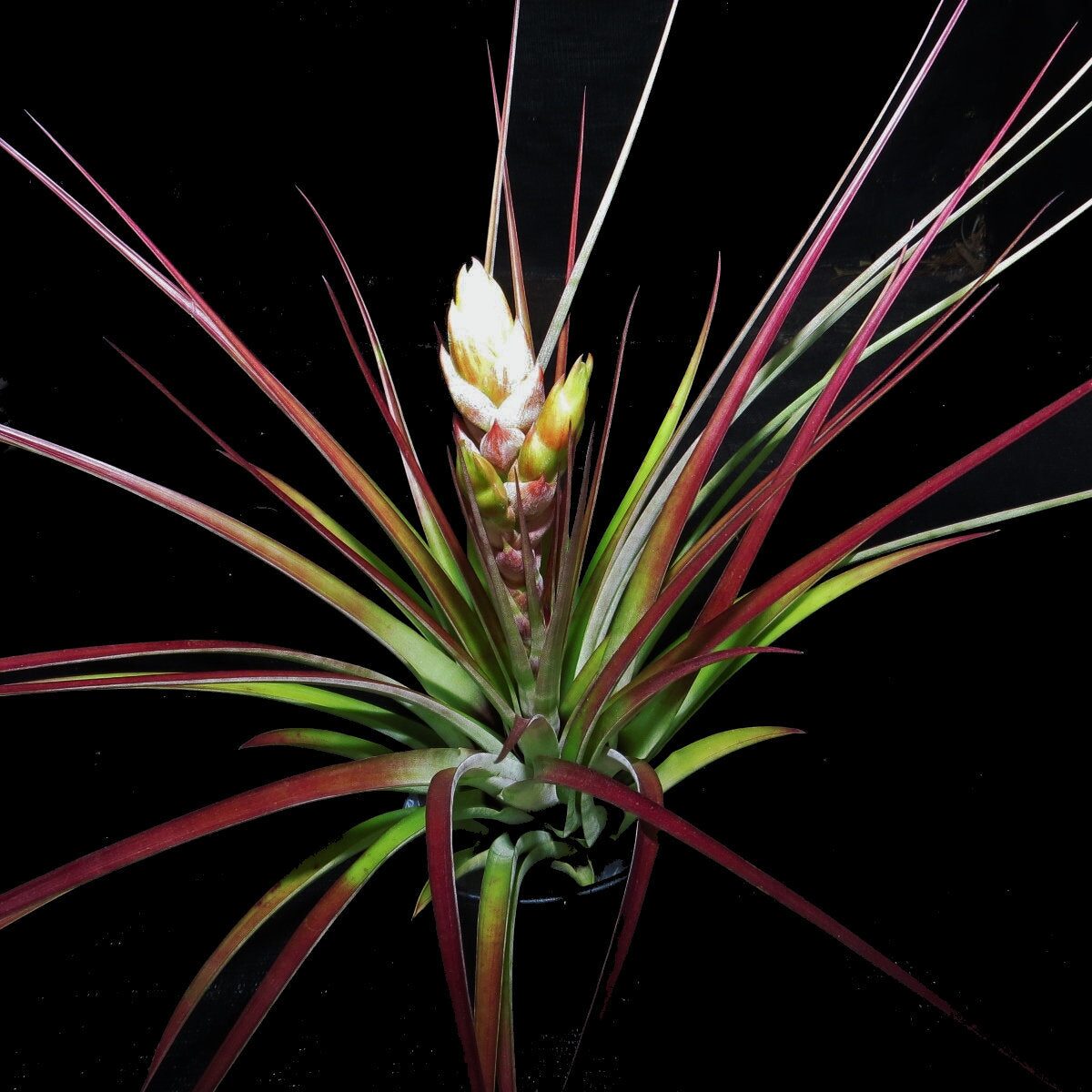
- Most species bloom once per rosette, often with vivid bracts and tubular flowers. The mother gradually declines while producing offsets (“pups”) that carry on.
- Pup choices
- Leave pups attached for a fuller clump, or separate when 1/3–1/2 the mother’s size.
Quick Troubleshooting
- Thirsty signs
- Curled/rolled leaves, dull color, slight shriveling, crispy tips. Remedy: a proper soak and brighter, airy placement.
- Rot risks
- Soft, blackened base or crown; sour smell. Causes: staying wet too long, cool temps, still air. Remedy: trim mushy tissue, increase airflow/light, water less often—always dry within about 4 hours.
- Sunscald
- Pale, bleached, or brown patches on the sunward side. Remedy: pull back from harsh midday rays or diffuse with a sheer.
- Pests
- Mealybugs and scale are the usual suspects. Treat with insecticidal soap or careful dabs of diluted isopropyl alcohol; keep crowns from staying wet afterward.
- Safety
- Generally non‑toxic to people, cats, and dogs—though curious nibblers can rough them up.
Species Style Guide (Why Some Seem Easier)
- Silvery/gray, heavily trichomed types (often called “xeric” Tillandsia) like brighter light and shrug off dry air better.
- Greener, softer‑leaf types prefer humidity and brighter shade. They’ll reward you with lusher growth if you keep the air moving and water rhythm steady.
Symbolism and the “Flower Language” of Air Plants
Air plants often symbolize freedom and resilience—rootless rosettes that thrive by living lightly, adapting from rainforests to deserts. You’ll also see creativity and even “perfection” associated with their neat, geometric forms. While modern “flower language” is more poetic than scientific, it fits Tillandsia well: their minimalist beauty and resourcefulness inspire displays that feel artful and alive. Let that story guide your styling—hang a clump like a floating sculpture, or let a mother-and-pup cluster embody continuity and quiet endurance.
Where They Come From (And Why It Matters at Home)
Tillandsia hail from across the Americas—from the southern/southeastern United States through Mexico, Central America, the Caribbean, and deep into South America. Some clutch tree branches in misty forests; others sunbathe on rocks in arid zones. That range explains the spectrum of forms—and why your greyer, fuzzier plants bask closer to light while greener ones prefer humidity and gentler rays.
—
Grow by rhythm instead of rules: bright filtered light, a weekly soak with quick drying, a light hand with fertilizer, and conscious airflow. Tweak the cadence with the seasons, stage a smart travel setup, and your air plants will repay you—with color, pups, and that effortlessly sculptural presence that makes a room feel curated and calm.