

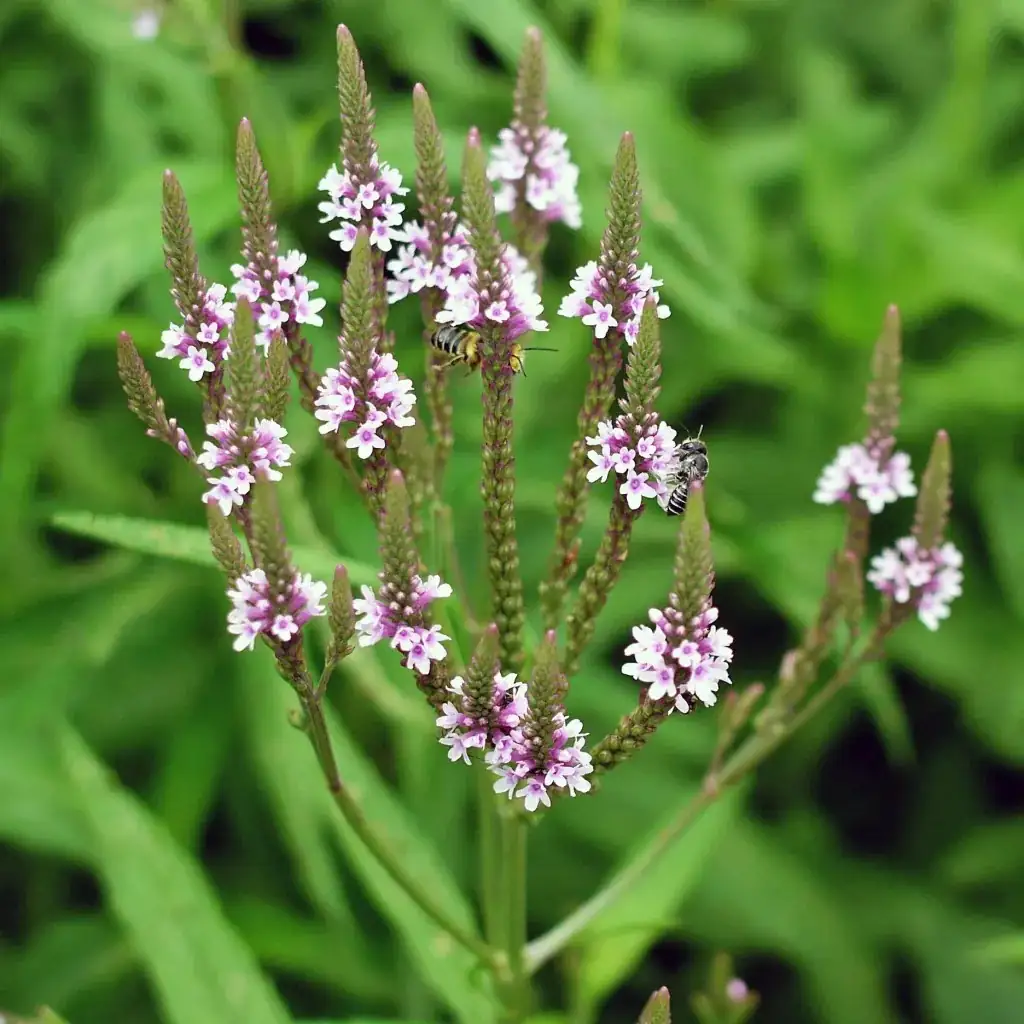
Vervain looks modest at first glance—just a sprig of tiny mauve to blue‑purple flowers on a slender, square stem. But lean in, and this old-world herb becomes a master storyteller. It speaks in the hush of temples and the bustle of medieval markets, in Victorian parlors and modern apartments. In the language of flowers, Verbena officinalis whispers two striking messages: “pray for me” and “you have bewitched me.” Few plants hold sanctity and sorcery in such perfect, paradoxical balance.
Meet Common Vervain (Verbena officinalis L.)
- Family: Verbenaceae; Genus: Verbena
- Native range: Europe; now widely naturalized across temperate to tropical regions worldwide
- Habit: Upright perennial herb (often short‑lived), airy and meadow‑like; square stems
- Flowers: Tiny, two‑lipped blooms in mauve to blue‑purple on slender terminal and axillary spikes
- Season: Late spring to early fall (May–October), with summer peaks
- Loved by: Pollinators and gardeners who favor low‑maintenance, long‑blooming companions
- Also known as: Common Vervain, European Vervain, Holy Herb, Herb of the Cross, Simpler’s Joy, Wild Hyssop, and more. (Many “vervain/verbena” common names float between species in this group—regional traditions blur those lines.)
Think of vervain as the countryside cousin to courtly flowers: quietly elegant, steadfast, and storied—equally at home edging a sunny border or tucked into a wildflower meadow.
How a Wild Herb Learned to Speak: The Making of a Flower Language
Victorian floriography—the art of sending secret messages with blooms—was never a single, universal code. It was a patchwork of printed dictionaries, personal traditions, and older folklore repurposed for the drawing room. Vervain’s long-standing reputation as a sacred, protective herb made it a natural candidate for layered meanings.
As those earlier legends filtered through Victorian sensibilities, vervain crystallized into two unforgettable phrases:
- Pray for me: a quiet appeal for intercession, comfort, and peace.
- You have bewitched me: a confession of enchantment—part admiration, part surrender to spellbinding charm.
These dovetail with broader associations commonly linked to vervain: peace, protection, loyalty, trust, and justice. The plant’s dual message captures a uniquely human truth: we crave both safekeeping and wonder.
“Pray for me”
Vervain has been carried to altars and thresholds for centuries. As a floral token, it says:
- I seek your guidance, solace, or solidarity.
- I honor your integrity and steadiness (the plant’s lore with justice and trust resonates here).
- Hold me in your thoughts; keep this space at peace.
Offer a posy with vervain when words feel heavy—during exams, recovery, difficult decisions, or times when another’s steady presence makes all the difference.
“You have bewitched me”
Just as old charms named vervain a guardian against maleficence, they also credited it with disarming allure. In Victorian exchange, a sprig could flirt without impropriety:
- You fascinate me; I’m under your spell.
- Your presence transforms the ordinary—like magic slipping into daylight.
- I’m drawn to you in ways I can’t quite explain.
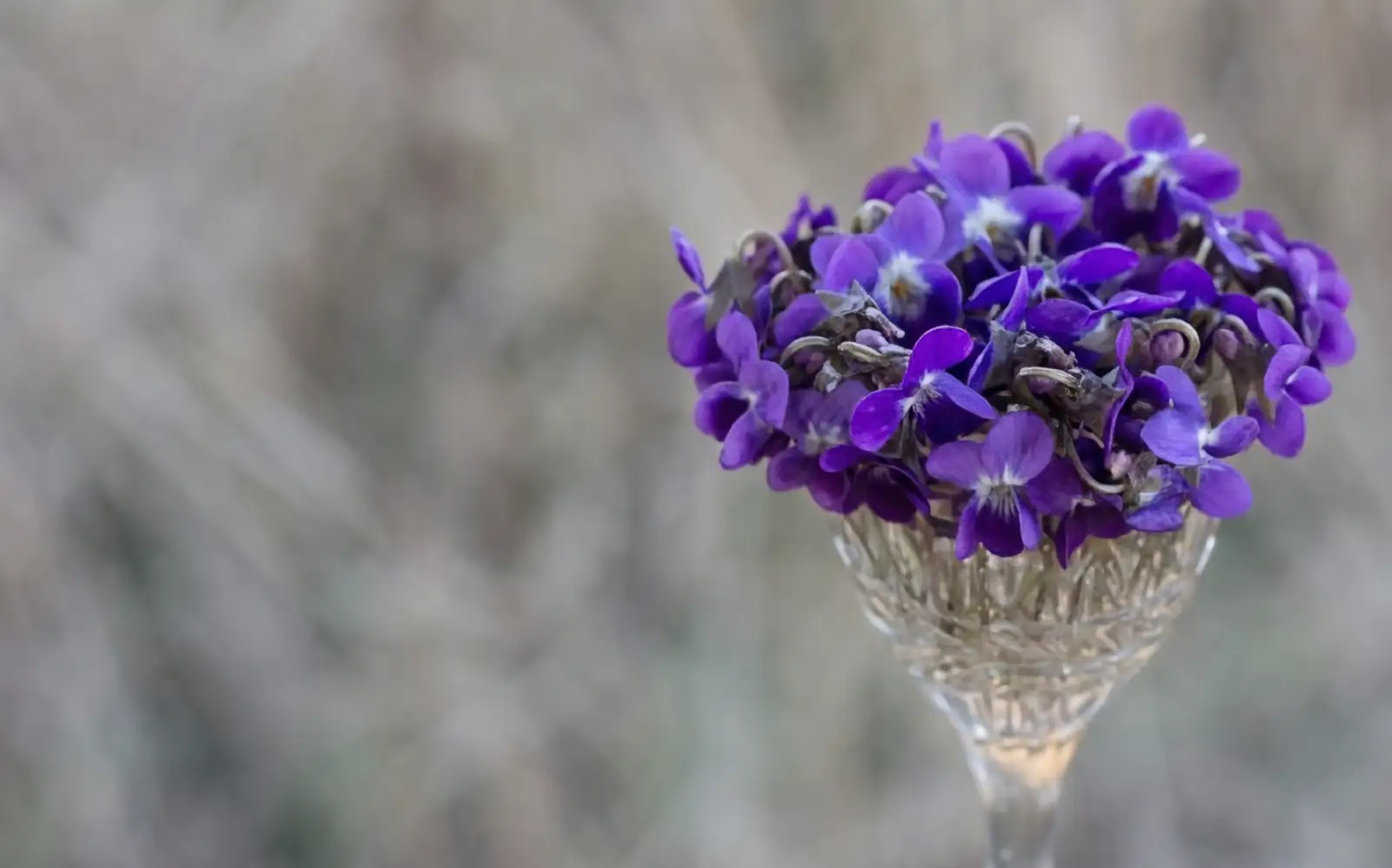
Pair with subtle companions—violets for modesty, rosemary for remembrance—to keep the message artful, not overblown.
Roots that Run to Temples and Crossroads
Vervain’s symbolic vocabulary springs from a deep ritual past:
- Ancient Egypt: Revered as “Tears of Isis,” tying the plant to sacred mourning and renewal.
- Classical Rome (and echoes in Greece): Used to purify altars and sacred spaces; associated with love and rites of Venus; the very word “verbena” traces to sacred boughs carried in ceremonies.
- Celtic traditions: Valued by druids for divination and protection.
- Christian-era Europe: Folklore says vervain helped staunch the wounds of the Crucifixion—hence Holy Herb and Herb of the Cross. Through the medieval period, it was hung over doors, worn in sachets, or sprinkled at thresholds to ward off evil and break curses.
Across centuries, vervain moved fluidly between prayer and protection—sanctifying spaces while safeguarding those who entered.
Modern Meaning: Charms, Feng Shui, and Contemporary Gifting
Today, vervain’s aura feels surprisingly current—calming, clarifying, and subtly enchanting. Here’s how that translates into modern life.
Protective Charms and Everyday Rituals
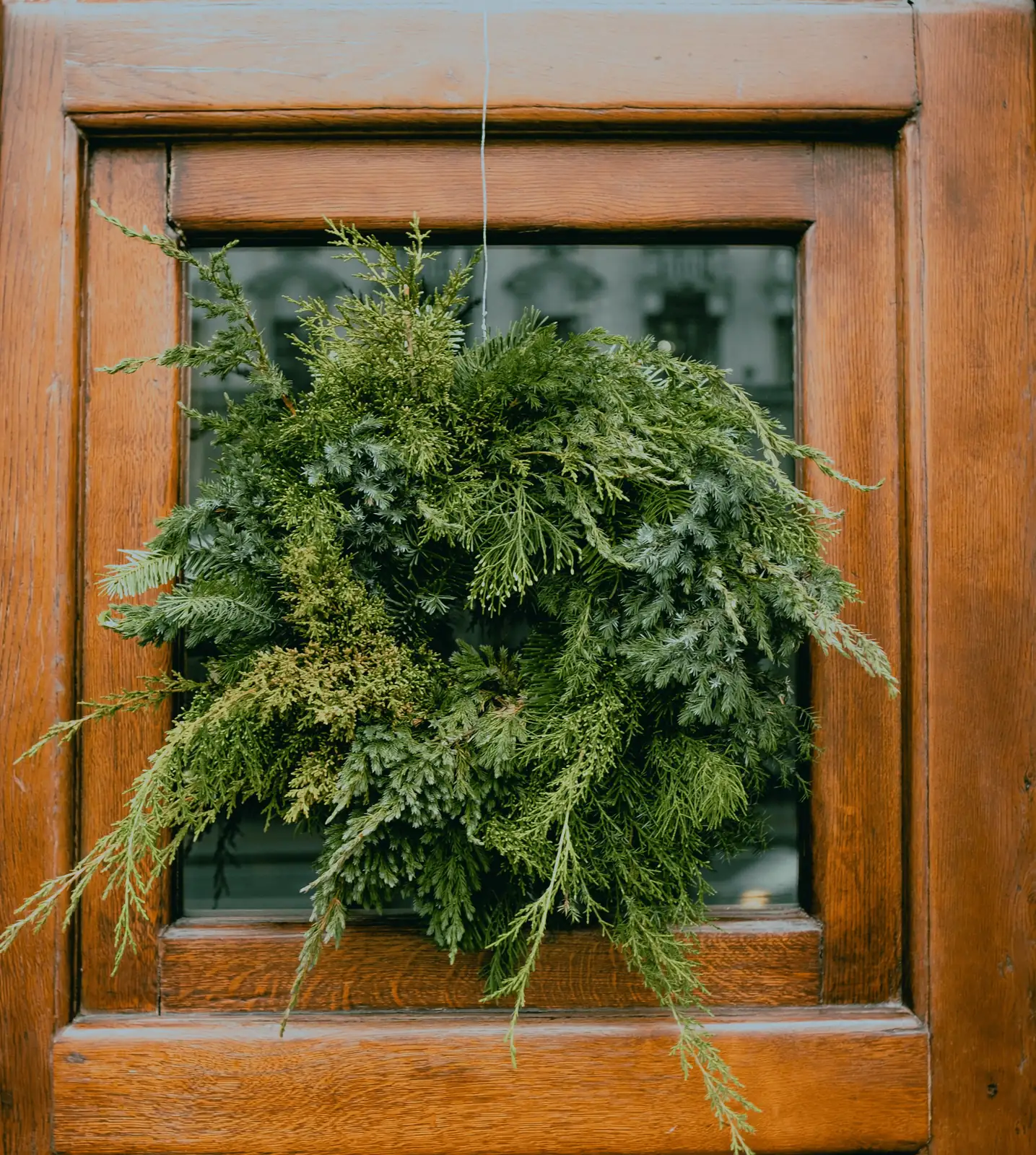
- Doorway sprigs or wreath work: A nod to medieval practice—welcome in peace, keep out discord.
- Travel talisman: A tiny dried sachet in a bag for journeys or new chapters in life.
- Focus and calm: Place near a study desk or meditation nook to symbolize clarity and steady nerves.
- Cleansing gestures: A light scattering (dried) before a housewarming or post-conflict reset—symbolic, gentle, and tradition-rich.
Tip: Combine with rosemary (remembrance), bay (victory), or lavender (calm) for a well-rounded protective blend.
Feng Shui Placements
While feng shui evolves with context, vervain’s “peaceful protection” and spiritual resonance make it a natural choice for these areas:
- Entryway: As a living threshold guardian—invite good qi, filter out frazzle.
- Knowledge & Wisdom (Northeast): Supports study, prayer, and contemplative work.
- Health (Center): Signals equilibrium and gentle healing traditions.
- Helpful People & Travel (Northwest): Encourages guidance, guardianship, and smooth passage.
Practical placement notes:
- Light: Aim for 6–8 hours of direct sun.
- Potting: Use a well-draining mix; avoid soggy soil.
- Aesthetic: Earth-toned or natural-fiber containers underscore grounding energy. For a Northwest placement, a metal-accented pot can harmonize with that sector’s element.
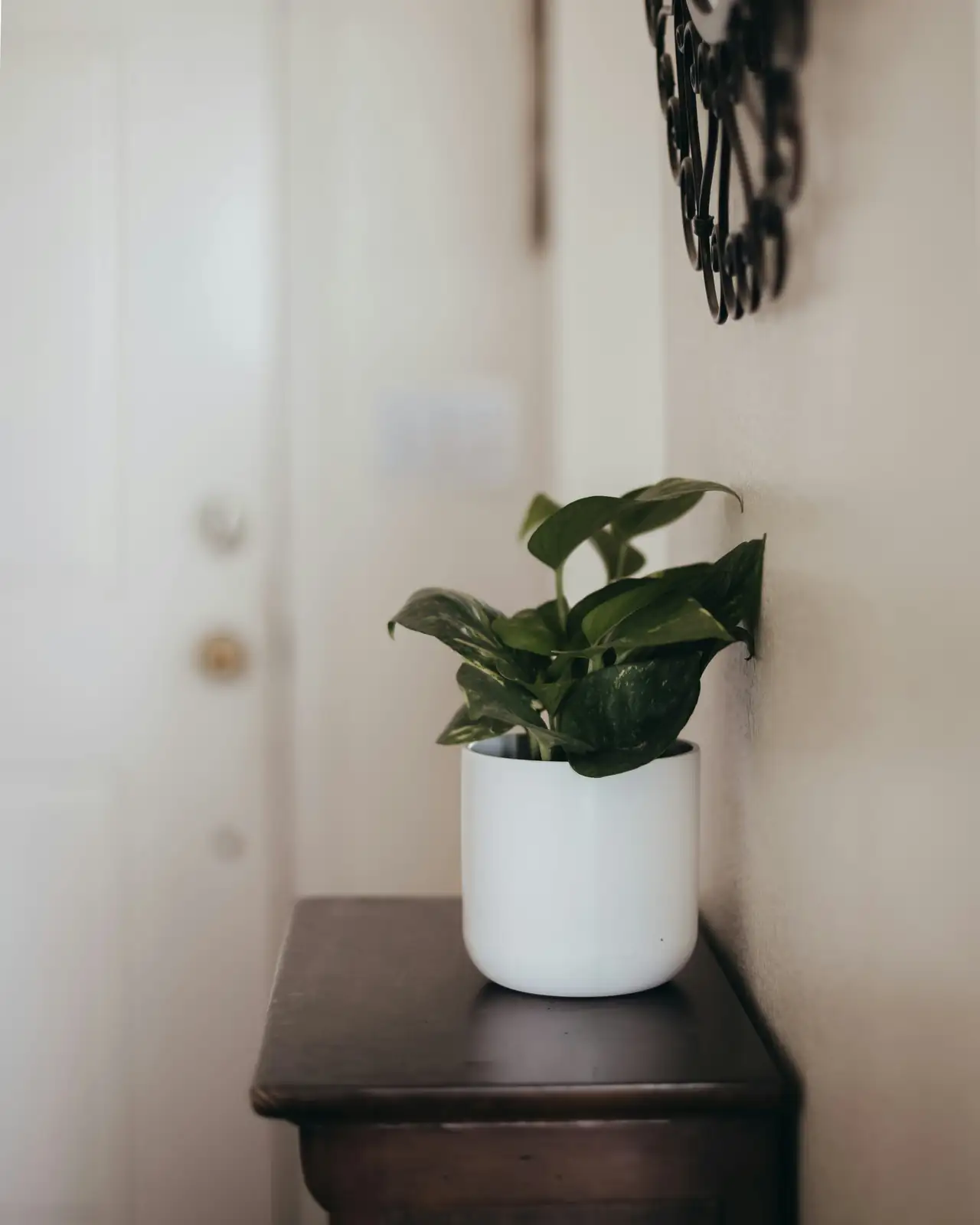
Vervain’s usual flower color—mauve to blue‑purple—leans spiritual and serene. In many feng shui traditions, purple nods to higher purpose and, in some contexts, prosperity—making southeast corners another thoughtful option if light is excellent.
Gift-Giving Meanings
- For solace and solidarity: “Pray for me” or “I’m holding you in good thoughts.” Ideal for exams, recoveries, or life crossroads.
- For quiet romance: “You have bewitched me”—tender, intriguing, and tastefully old-fashioned.
- Housewarmings and new ventures: A living symbol of protection, peace, and trust.
- Gratitude to mentors or advocates: Honors loyalty, fairness, and moral steadiness.
Pairings to amplify the message:
- Peace and protection: Vervain + olive foliage + lavender
- Bewitching charm: Vervain + jasmine or sweet pea (soft romance) + myrtle (lasting love)
- Justice and trust: Vervain + oak leaves (fortitude) + white lisianthus (sincerity)
Color Whispers, Even on a Tiny Bloom
Common vervain wears mostly mauve to blue‑purple:
- Purple: Reverence, spiritual connection, dignified admiration
- Blue: Calm, clarity, and soothing presence
If you encounter cultivated verbena in other hues, color meanings shift accordingly—but for Verbena officinalis, think chapel skylight and twilight hedgerow: serene, reflective, quietly enchanted.
Bringing Vervain into Your Space (Quick Grower’s Notes)
- Sun: Full sun is best (6–8 hours daily).
- Soil: Well-draining, moderately fertile; often happy in slightly limey ground; pH roughly 5.8–7.2.
- Water: Even moisture while establishing; then moderate—avoid wet feet.
- Hardiness: Often perennial in warmer temperate zones; can behave as a short‑lived perennial or reseeding annual in colder/wet winters.
- Care: Deadhead to prolong bloom; shear lightly if lanky; cut back in late winter/early spring to refresh growth.
- Propagation: Readily from seed; also from stem cuttings or division. It may self-seed where content.
Bonus: Pollinator-friendly and low maintenance—an easy way to weave folklore into a living landscape.
A Quick Symbolic Checklist
- Core meanings: Peace, protection, loyalty, trust, justice
- Victorian floriography: “Pray for me”; “You have bewitched me”
- Ancient thread: Sacredness, purification, ritual use across Egypt, Rome, and Celtic practices
- Medieval and folk traditions: Protective charms, curse-breaking, thresholds
- Modern life: House protection, mindful study spaces, feng shui harmonizing, heartfelt gifting
A Note on Safety
As an ornamental, vervain is generally low-risk. Traditional medicinal use is well documented, but internal use during pregnancy has long been cautioned against. Keep curious pets from chewing, and consult a professional if ingestion is a concern.
Final Thought
Some plants shout their meanings. Vervain prefers to murmur. It puts a hand on your shoulder and reminds you to breathe; then, with a wink, it slips a little magic into your pocket. In one direction, it says “pray for me”—a request for peace and presence. In the other, “you have bewitched me”—an admission that wonder is welcome here. Grow it, gift it, or hang a sprig by your door, and let this holy hedge-witch of a herb keep watch over your everyday enchantments.


