

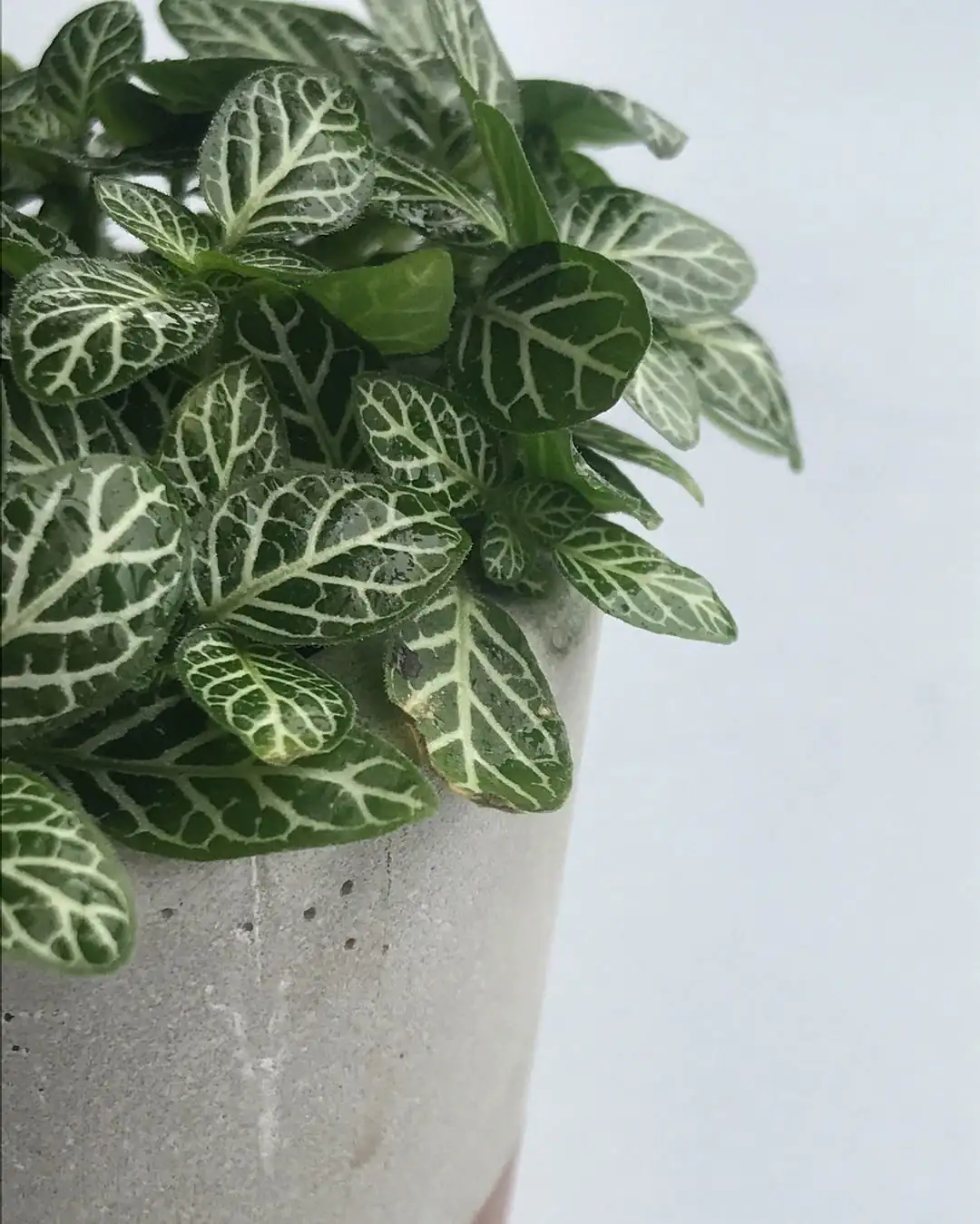
If your nerve plant (Fittonia albivenis) has thrown a dramatic faint or started dropping leaves, don’t panic—this rainforest beauty is expressive but forgiving. Use this quick, friendly troubleshooting flow to tell overwatering from cold stress, tighten up drainage, fine-tune the light, and decide when to repot or pinch for a fast, fuller recovery.
Fast diagnosis: overwatering vs. cold stress (and the classic “faint”)
Start with your fingertips and a thermometer.
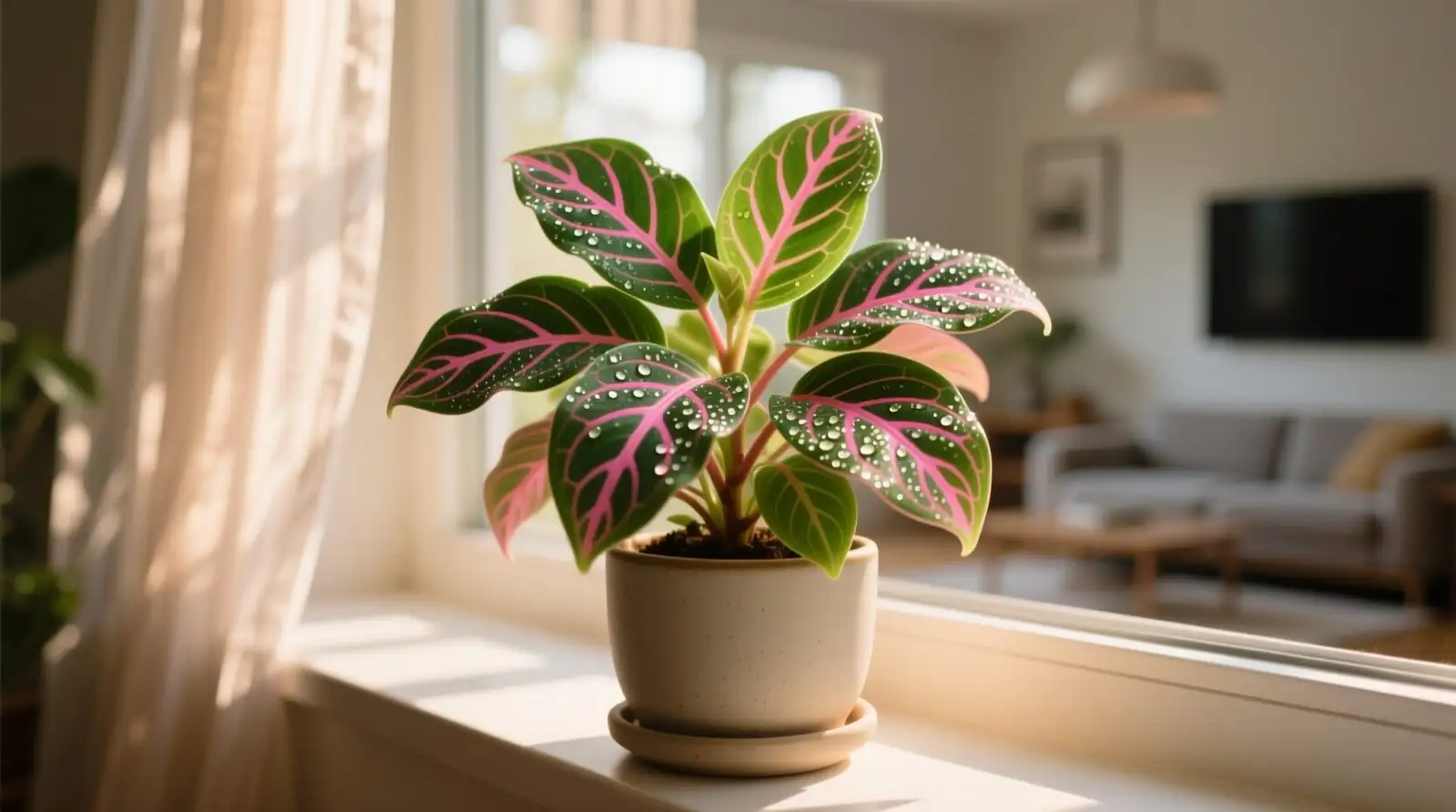
- Step 1: Check the top 1–2 cm (0.4–0.8 in) of soil
- Bone-dry and the pot feels feather-light? That’s the famous Fittonia “faint.” Water thoroughly and it often perks up within hours. Repeated dry-outs, however, cause stress.
- Cool, heavy, or soggy mix with a sour smell? Yellowing or limp leaves plus fungus gnats point to overwatering/poor drainage.
- Evenly moist soil but leaves collapsing after a draft, with yellowing or dark translucent patches? Suspect cold stress.
- Step 2: Check temperature and placement
- Ideal: 18–25°C (64–77°F). Try to stay above 15°C (59°F); below about 13°C (55°F) Fittonia can sulk, drop leaves, or collapse.
- Hot/cold blasts from AC, heaters, or drafty windows are common culprits.
- Step 3: Inspect roots if overwatering is likely
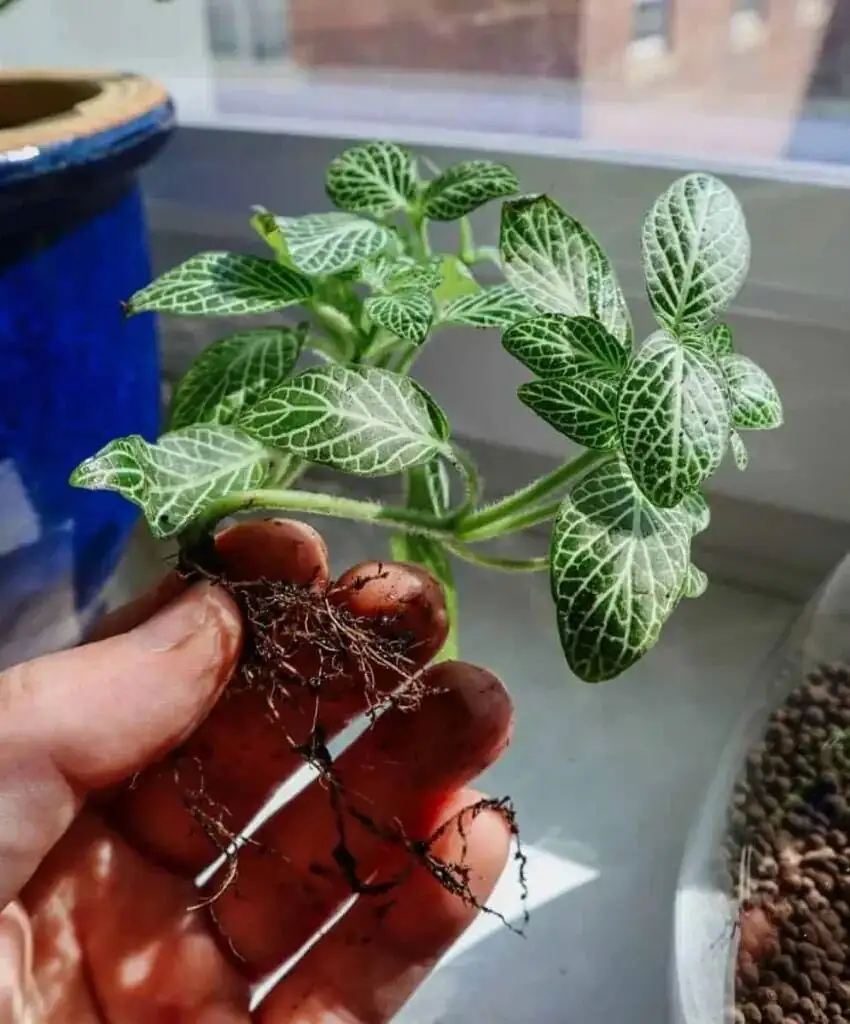
- Healthy roots are firm and pale. Brown, mushy, or foul-smelling roots = rot.
What to do next:
- If underwatered: Soak the rootball thoroughly. If it’s very dry and water runs through, water, wait 10–15 minutes, and water again so the mix actually rehydrates.
- If overwatered: Unpot, trim rotted roots, repot in a fresh, airy mix, and let excess drain. Resume a “moist, never soggy” rhythm.
- If cold-stressed: Move to a warmer, draft-free, bright-indirect spot immediately and hold off on heavy watering until growth looks steady.
Drainage and pot check: the silent difference-maker
Fittonia loves moisture but not prolonged wet feet.
- Must-haves
- A pot with drainage holes—no exceptions. If you love a decorative cover pot, keep the nursery pot inside and tip out any standing water.
- An airy, moisture-retentive mix: peat/coco houseplant blend + perlite (and optionally a little coarse sand). Keep it fluffy to reduce rot risk.
- Right-size home: commonly 7.5–12 cm (3–4.7 in) wide. Oversized pots stay wet too long.
- Red flags
- Water lingering in the saucer
- Gnat party (often a sign of perpetually wet mix)
- Soil that compacts and repels water
Quick fix: Repot in spring, moving up just one size (about 2–5 cm / 1–2 in wider), or refresh tired soil in the same pot.
Light tweaks that calm the leaf drama
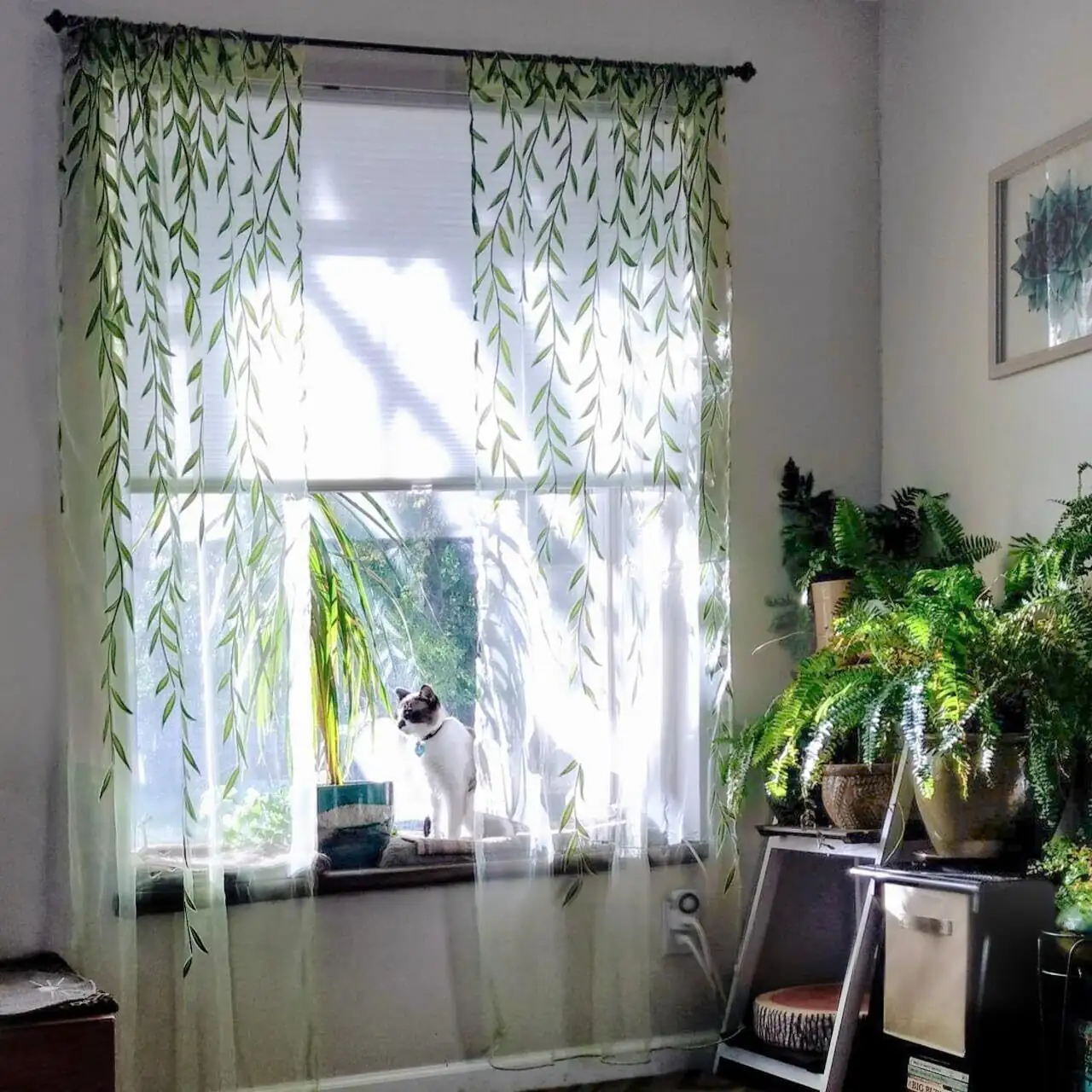
- Sweet spot: Bright, indirect light to partial shade.
- Best placements: An east window, or set back from a south/west window behind a sheer.
- Signs you should adjust
- Faded color or leggy stems: Needs more brightness (still filtered).
- Scorched patches or crispy veining: Too much direct sun—pull it back.
In winter: Move closer to the light or add a sheer-bright spot to prevent stretch.
Humidity and airflow: rainforest vibes, not a swamp
- Aim for 60%+ humidity for lush, crisp leaves. Bathrooms, kitchens, and terrariums are prime real estate.
- Easy boosts: Pebble tray with water (pot on top, not sitting in it), a small humidifier, grouping plants.
- Misting: Optional—do it early in the day and avoid leaving foliage wet overnight.
- Add gentle airflow (not drafts) to reduce rot risk.
When to repot, refresh… or go hydro
- Repot timing: Spring, every 1–3 years, or when roots circle, mix smells sour, or water lingers too long.
- For instant fullness: In a 12–15 cm (4.7–5.9 in) pot, plant 3–5 small Fittonias as a lush cluster.
- Curious about water culture? Fittonia can grow in water:
- Rinse soil from roots, keep in bright indirect light.
- Change water every 7–10 days during active growth.
- During propagation, add very diluted hydroponic nutrients about every 2 weeks and keep solution off the leaves.
Pinch for a fuller, faster recovery
Fittonia is a natural creeper; pinching transforms it into a plush cushion.
- How to pinch
- Snip soft tips just above a node to encourage branching.
- Remove lanky, stretched stems and re-root them as cuttings for a thicker pot.
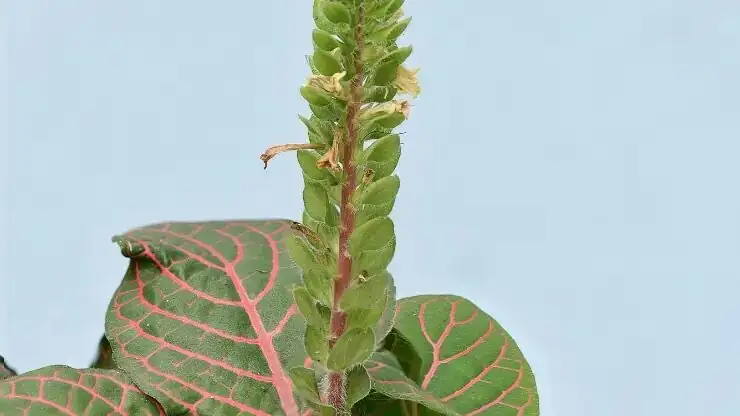
- If flower spikes appear, many growers remove them to focus energy on foliage.
- Propagation perks
- Tip cuttings 5–10 cm (2–4 in) root in water or a moist mix in about 2–3 weeks at 20–24°C (68–75°F).
- You can also “layer”: pin a trailing stem to the soil until it roots, then clip and pot.
The quick flow (save this!)
1) Touch-test the top 1–2 cm of soil.
- Dry? Thorough soak now, then keep evenly moist.
- Wet/sour? Triage for rot, repot into an airy mix, and ensure firm drainage.
2) Check temperature and drafts.
- Keep 18–25°C (64–77°F); above 15°C (59°F). Move from cold windows, AC blasts, and heater vents.
3) Evaluate light.
- Bright, indirect. Increase light if leggy; reduce direct rays if leaves scorch.
4) Raise humidity.
- Target 60%+. Use pebble trays or a humidifier; morning mist only.
5) Shape up.
- Pinch tips for bushiness; remove flowers if you prefer leaf power. Re-root leggy pieces.
6) Consider a spring refresh.
- Repot up one size or simply renew the mix; cluster plants for instant fullness.
Pro-level rescue cues
- Root rot triage
- Symptoms: Mushy stems, brown roots, persistent yellowing in wet soil.
- Action: Trim to healthy tissue, sterilize tools, repot airy, water sparingly until rebound, keep warm.
- Crispy edges: Low humidity or too much sun?
- Low humidity: Crispy margins with otherwise normal color—raise humidity.
- Sun scorch: Patches that look bleached/burned—pull back from direct light.
- Leggy growth
- Cause: Insufficient light.
- Fix: Brighter indirect light, pinch back, and replant tip cuttings for density.
- Pesky pests (often in dry air)
- Watch for spider mites, mealybugs, scale, aphids, and fungus gnats.
- Treat early with insecticidal soap or horticultural oil; repeat per label. Improve humidity and airflow to deter mites.
- Fungus gnats? Let the top layer dry slightly between waterings and use sticky traps; check drainage.
Everyday rhythm that prevents repeat drama
- Water: Keep evenly moist—never soggy, never bone-dry. Water when the top 1–2 cm feels slightly dry.
- Feeding: Light, balanced liquid fertilizer at half strength every 2–4 weeks spring through autumn; ease up in winter.
- Climate: Warm and draft-free. Aim for 18–25°C (64–77°F) and 60%+ humidity.
- Placement: Bright, indirect light; bathrooms, kitchens, terrariums, and bright shelves are perfect.
- Gentle handling: Leaves bruise easily; avoid rough contact.
A quick note on size, style, and symbolism
- Habit: Low-growing, creeping, and spreading—great for small pots or trailing slightly (30–60 cm/12–24 in with age if unpinched).
- Look: Deep to light green ovals with vivid pink, white, or red “nerves”—true living artwork.
- Symbolism: Often associated with vitality and living art, thanks to its hand-painted veining and ability to bounce back from a dramatic wilt.
Safety and terrarium stardom
- Pet-friendly: Generally non-toxic to cats and dogs, though nibbling any plant can upset tummies.
- Terrarium ace: Thrives in steady humidity and filtered light—just ensure a well-draining substrate and avoid waterlogging.
With warm, bright-indirect light, consistent moisture, and a pinch here and there, your nerve plant will trade theatrics for lush, velvety growth. Once you dial in drainage and temperature, Fittonia becomes the easiest “fussy” plant you’ll ever grow.