
Primroses are spring’s little trumpets, all color and optimism—until the leaves start yellowing and the show stalls. If your Primula is sending distress signals, here’s a fast, field-tested way to tell whether you’re looking at chlorosis, overwatering, drought, heat stress, or iron deficiency—and how to set things right, right now.
60‑second triage for yellowing Primula
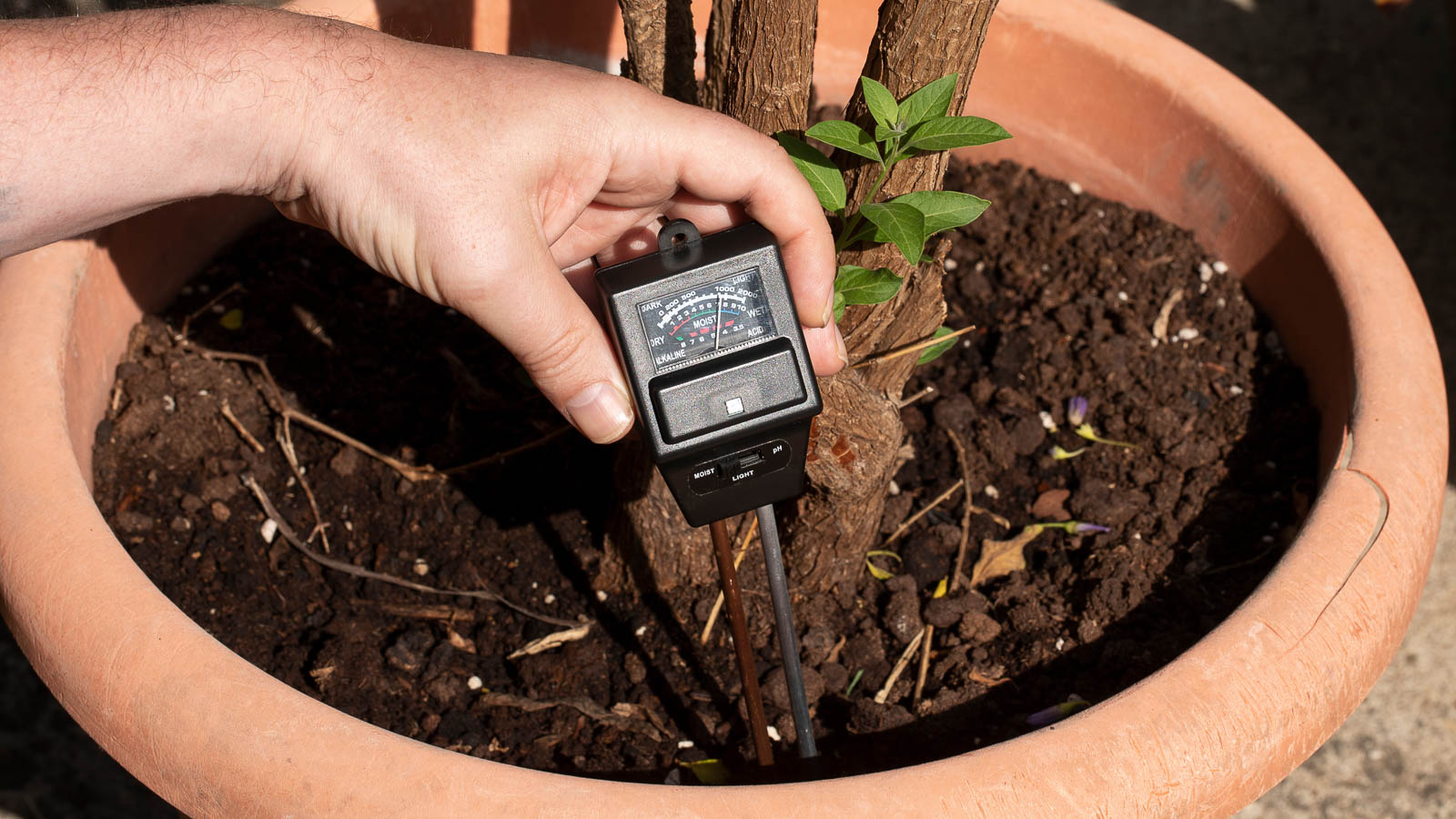
- Touch the soil:
- Sopping, heavy, smelly, or algae/gnat-prone = overwatering/poor drainage.
- Bone-dry, soil pulling from pot edges, pot feels feather‑light = drought.
- Evenly moist but plant is limp in the midday sun and perks up in evening = heat/light stress.
- Read the leaf pattern:
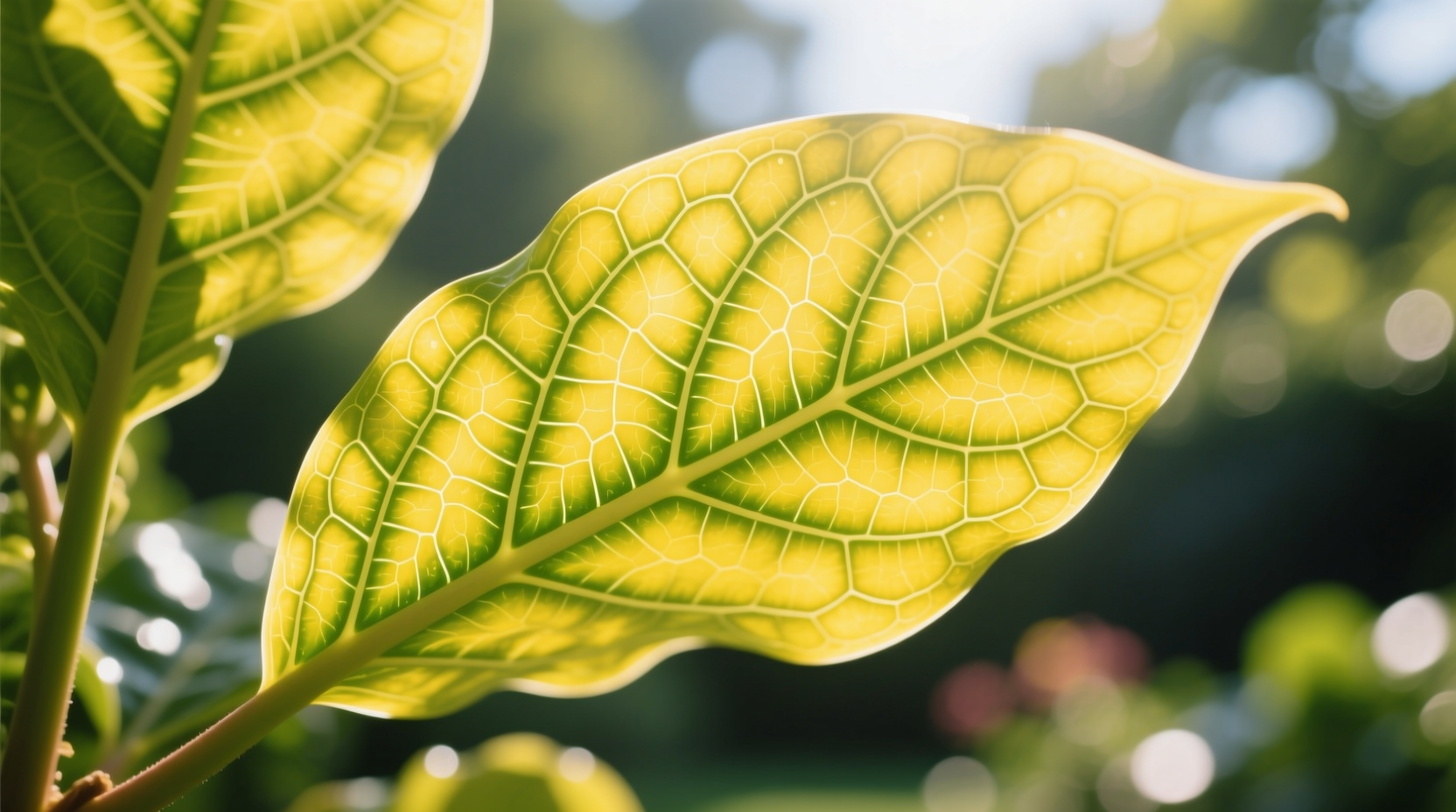
- Newest leaves pale with green veins (interveinal) = iron chlorosis.
- Oldest leaves uniformly yellow = likely a general nutrient shortage (often nitrogen).
- Check the weather and placement:
- Primula prefers cool: nights around 10–15°C (50–60°F); days ideally below 27°C (80°F). Hotter than that or harsh midday sun? Expect stress.
- Confirm the container:
- Must have drainage holes. Primula needs moist but never waterlogged soil. Crowns should sit at soil level, not buried.
Now, let’s run a quick diagnostic flow and jump straight to fixes.
Quick diagnostic flow (with immediate actions)
Step 1: Is the soil too wet or too dry?
- If saturated or sour-smelling (overwatering/poor drainage):
- Immediate fix
- Tip out any standing water. Empty saucers within 15 minutes of watering.
- Aerate: Gently poke a few pencil-holes in the soil to improve air exchange.
- If roots are brown and mushy, repot now:
- Unpot, trim rotted roots with sterilized scissors, and replant into a fresh, humus‑rich, well‑draining mix. Keep the crown at soil level.
- Choose a pot with large drainage holes. Consider adding perlite/pine bark to a compost/leaf‑mold base.
- Resume watering only when the top 2.5 cm (1 in) is dry.
- Prevention
- Water evenly, not constantly; Primula likes consistently moist, never soggy soil.
- In the ground, ensure good drainage; in containers, avoid dense, compacted media.
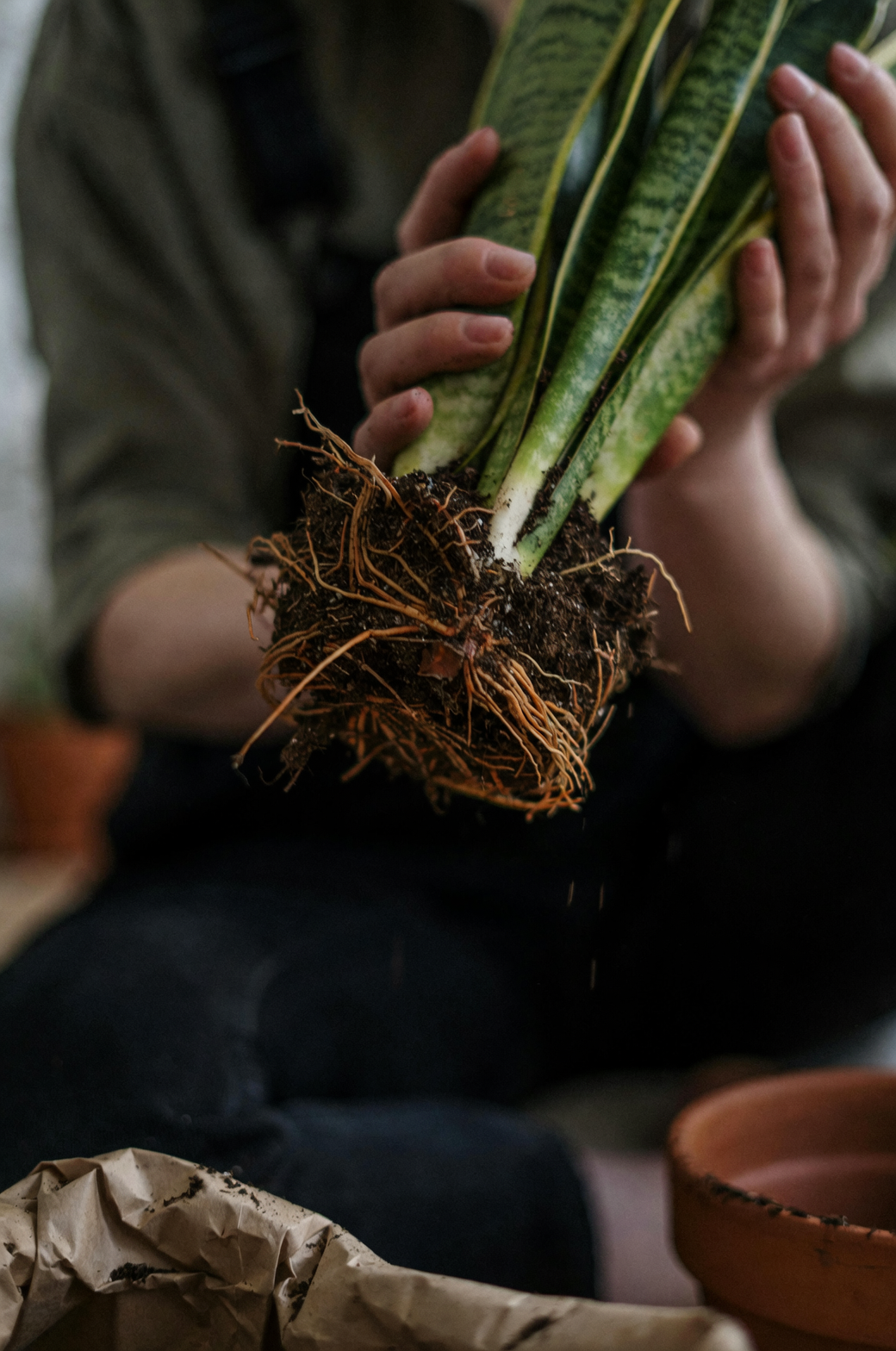
- If parched and pulling from pot edges (drought):
- Immediate fix
- Bottom‑water: Set the pot in a tray of water for 15–20 minutes, then drain thoroughly.
- Mulch lightly with leaf mold/compost to slow evaporation.
- Prevention
- Water when the top 2.5 cm (1 in) is dry in containers.
- In beds, supply roughly 2.5 cm (1 in) of water per week during dry spells.
Step 2: Is heat or light the stressor?
- Signs: Midday flop that recovers in evening; scorched edges; bleached patches; flower buds browning or dropping.
- Immediate fix
- Move to partial or full shade, especially afternoon shade in warm climates.
- Keep days below 27°C (80°F) when possible; indoors, a cool, bright spot away from heaters is ideal.
- Increase ambient humidity (pebble tray, group plants) without wetting the crown.
- Prevention
- Primula is a cool‑season star. In hot zones (often 9+), treat it as a spring display or give strong summer protection.
Step 3: Is it chlorosis (nutrient uptake vs. supply)?
- Interveinal chlorosis on the newest leaves = iron deficiency pattern.
- Uniform paling on older, lower leaves = general nutrient deficiency (often nitrogen).
If it looks like iron deficiency
- Why it happens
- Primula prefers slightly acidic soil (pH ~5.5–6.5). Alkaline mixes, compacted or soggy roots, and cold, poorly aerated soils can block iron uptake even when iron is present.
- Immediate fix
- Drench with a chelated iron product (EDDHA is the most effective across pH ranges). Follow label rates.
- Improve root conditions the same day:
- Loosen compacted soil; repot if media is exhausted.
- Ensure excellent drainage and steady, not cold‑soggy moisture.
- For a quick cosmetic green‑up, a foliar iron spray can help while root issues are corrected.
- Prevention
- Use humus‑rich, well‑draining, slightly acidic soil (compost/leaf mold is perfect).
- If your tap water is alkaline, alternate with rainwater.
- Avoid chronic overwatering that reduces root oxygen.
If it looks like a general nutrient shortage
- Immediate fix
- Feed at half‑strength with a balanced liquid fertilizer every 2 weeks during active growth and bloom.
- Prevention
- Refresh or top‑dress with compost in spring and fall; divide crowded clumps to keep roots vigorous.
Step 4: Root and crown check
- Healthy roots are firm and white to tan. Mushy, brown, foul roots = rot.
- Immediate fix: Trim and repot as noted above; keep crown at soil line and never let water pool in the rosette.
- If the crown is buried or mulched heavily against it, lift the plant slightly and pull mulch back.
Step 5: Reassess in one week
- After corrections, new growth should emerge greener and sturdier.
- Persisting interveinal chlorosis? Re‑check pH and drainage; repeat chelated iron once as directed.
- In heat waves, prioritize temperature and shade over fertilizer—feed gently once conditions cool.
Symptom snapshot: how to tell them apart fast
- Overwatering/poor drainage
- Soil wet; leaves can be yellow and limp, sometimes translucent; may wilt despite wet soil; fungus gnats or algae on surface; roots smell sour.
- Drought
- Soil dry; leaves droop and edges crisp; plant perks up quickly after watering.
- Heat/light stress
- Midday wilt and evening recovery; scorched margins; faded flowers; buds blast.
- Iron chlorosis
- Newest leaves pale with green veins; older leaves relatively greener.
- Nitrogen deficiency
- Older leaves uniformly yellow; overall plant a bit stunted/pale.
Fast rescue recipes
- The cool‑down move
- Relocate to bright, indirect light with afternoon shade. Indoors, aim for 10–15°C (50–60°F) nights and cool days.
- The perfect drink
- In containers: water when top 2.5 cm (1 in) is dry, soak thoroughly, then drain completely.
- In beds: maintain steady moisture; avoid extremes.
- The soil reset
- Mix: fine compost or leaf mold for moisture retention + perlite/bark for drainage. Slightly acidic pH (5.5–6.5).
- The smart feed
- Half‑strength balanced liquid every 2 weeks in bloom; ease off in heat.
- The tidy‑up
- Deadhead spent blooms to keep energy on flowering and fresh foliage. Remove yellowing leaves to boost airflow.
Preventive routine for consistently happy Primula
- Light: Partial to full shade; more sun is okay only in cool climates.
- Temperature: Keep days under 27°C (80°F) and nights around 10–15°C (50–60°F).
- Humidity: Moderate to high; avoid hot, dry drafts.
- Water: Evenly moist, never sodden. Excellent drainage is non‑negotiable.
- Soil: Humus‑rich, moisture‑retentive yet free‑draining; slightly acidic.
- Seasonal care:
- Spring: Peak bloom—steady moisture, gentle feeding, frequent deadheading.
- Summer: Shade and cool roots; some types pause or go semi‑dormant in heat.
- Fall: Divide crowded clumps; top‑dress with compost.
- Winter: Mulch outdoors in cold regions; indoors keep cool, bright, and away from heaters.
- Containers: Divide/repot about annually to refresh soil and prevent binding.
When yellowing means “someone’s snacking” or “a fungus moved in”
- Pests to watch
- Aphids, mealybugs, whiteflies; spider mites in hot, dry spells; slugs/snails chewing leaves and flowers.
- Action: Rinse off soft pests, use insecticidal soap on foliage undersides, hand‑pick slugs, and improve airflow.
- Diseases to avoid
- Leaf spot, powdery mildew, botrytis, and root rots (phytophthora).
- Action: Water at soil level, space plants, remove affected tissue promptly, and never keep the crown waterlogged.
Safety note
Primroses can be toxic to humans and pets, and the sap may irritate sensitive skin. Wear gloves when dividing or trimming, and keep plants out of reach of children and animals.
A quick nod to meaning and heritage
Primula—named from Latin “prima,” meaning “first”—ushers in spring across the Northern Hemisphere. In Victorian floriography, primrose symbolized first love and the tender plea “I can’t live without you.” As with most flower language, these meanings reflect cultural fashion more than botany, but they do capture the plant’s true spirit: the first, cheering color after a long winter.
—
Bottom line: Keep Primula cool, shaded, and steadily moist in a rich, well‑drained mix. Read the yellowing—wet vs. dry, scorch vs. chlorosis—take the matching immediate step, and your spring herald will sing again.