
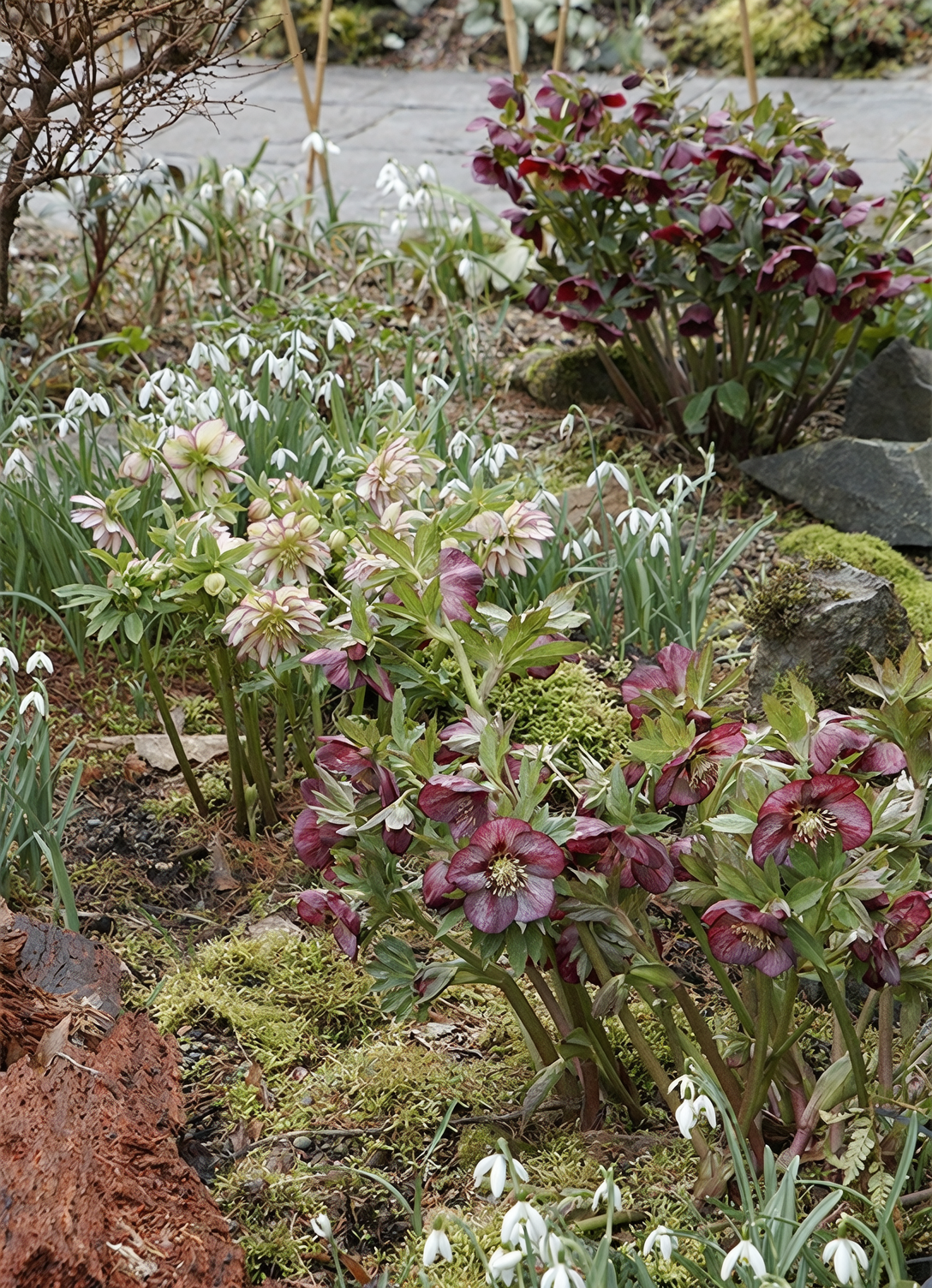
Picture a shaded border that greets you in late winter with a breath of perfume—tiny, velvety blooms peeking from heart-shaped leaves while hellebores nod above and fern fronds unfurl in slow motion. That’s the quiet magic of Sweet Violet (Viola odorata): a low, softly spreading perennial that turns dappled light and cool corners into scented, storybook spaces.
Meet Sweet Violet in a Design-First Snapshot
- Habit and size: Low, matted ground cover, 5–15 cm (2–6 in) tall, spreading gently by stolons.
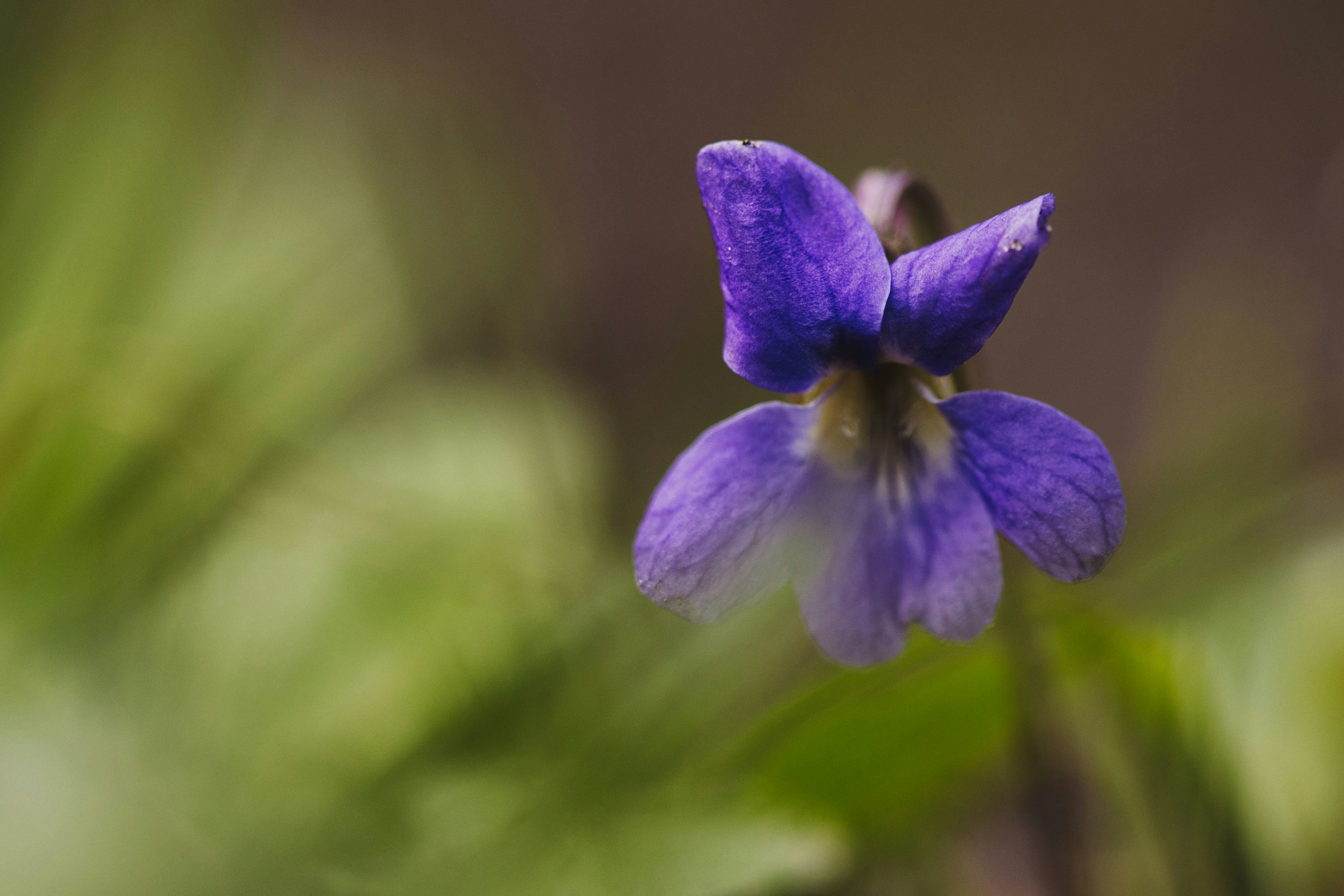
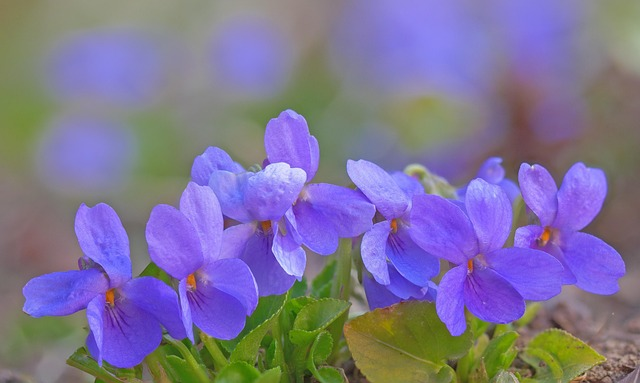
- Look: Deep green, heart-shaped leaves; small purple-to-violet-blue flowers (also white or pale lavender in cultivated forms), often lightly nodding with a classic spur.
- Season: Early spring star (March–May), sometimes a light encore in autumn.
- Scent: Famously sweet. A curious note—beta-ionone makes the fragrance “disappear” briefly after a good sniff, then return later.
- Best sites: Partial to full shade, ideally dappled woodland light; cool, evenly moist, humus-rich soil.
Layered Shade: Dappled Borders That Breathe
Violets are the velvet underlay that lets your shade ensemble shine. They tuck in at the feet of hellebores, primroses, ferns, and early bulbs to stitch the show together from late winter through spring.
The Hellebore + Violet Backbone
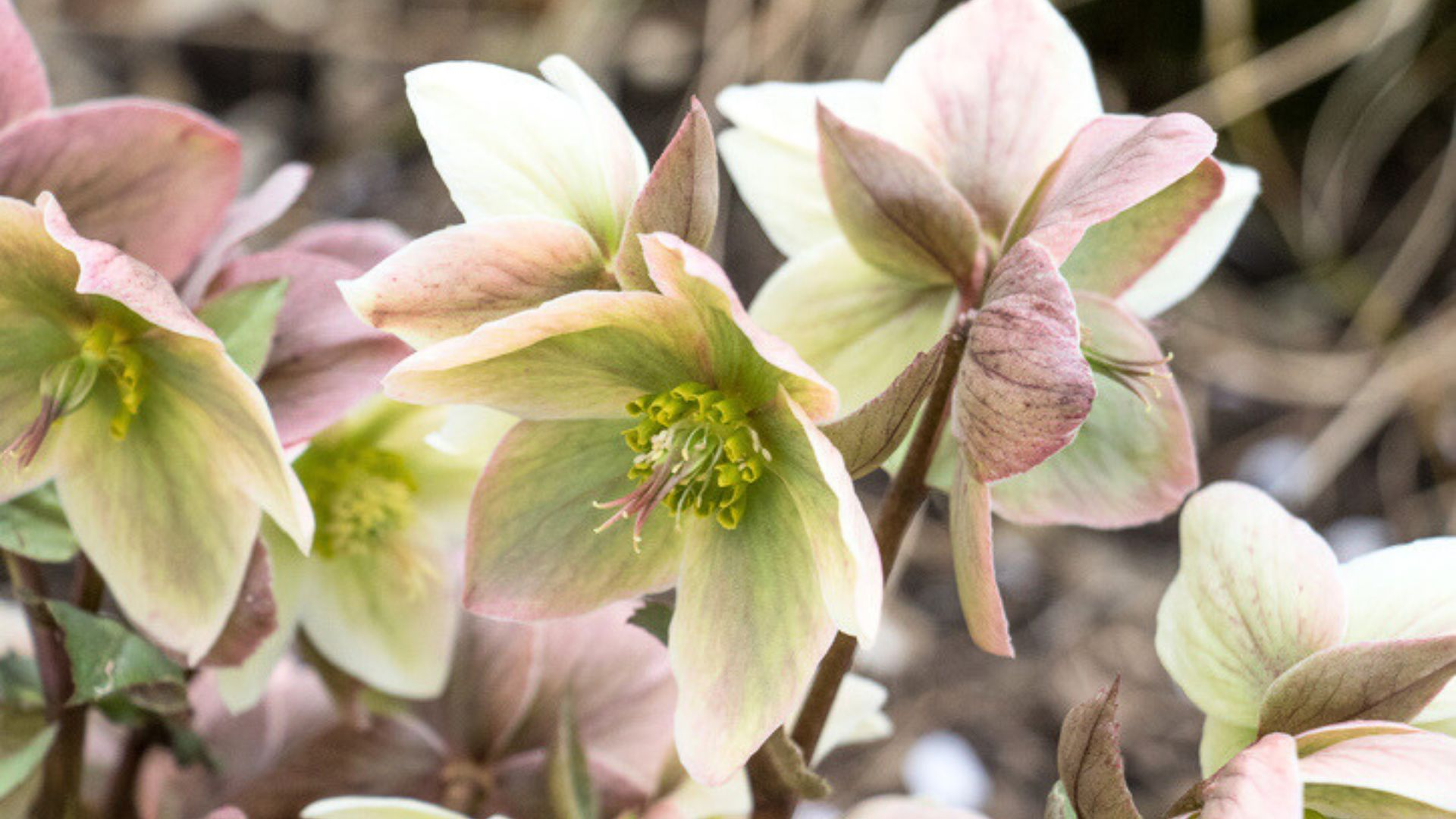
Hellebores (Helleborus) stand tall while violets carpet the base—perfect for winter-to-spring transitions.
- Choose hellebores for your climate window:
- Lenten rose (H. x hybridus): Spring bloom, hardy roughly USDA 4–9.
- Christmas rose (H. niger): Earlier bloom, hardy roughly USDA 3–8.
- Placement rhythm:
- Set hellebores in loose triangles 45–60 cm (18–24 in) apart.
- Drift Sweet Violet around them at 15–20 cm (6–8 in) centers; keep violets 20–30 cm (8–12 in) from hellebore crowns to avoid root disturbance.
- Texture lift:
- Weave in ferns (for lace), primroses (for bright cups of color), and a low wave of spring bulbs (for sparkle).
Woodland Quartet: Ferns, Primroses, and Early Bulbs
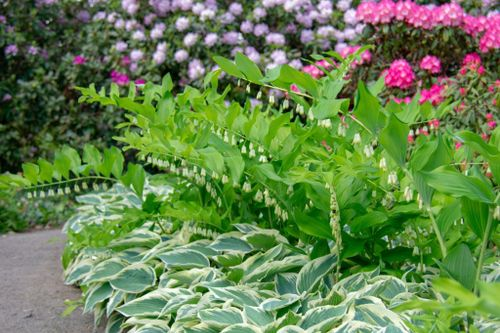
- Ferns (e.g., lady fern, soft shield fern): Add vertical fronds that rise as violets finish peak bloom—great for covering any heat-snooze in mid-summer.
- Primroses (Primula vulgaris and kin): Their jewel-toned rosettes echo violet hues and keep the color chatty at knee height.
- Bulbs for a soft crescendo under hellebores:
- Snowdrops, crocus, muscari, Anemone blanda, winter aconite, and miniature daffodils create a “sparkle layer” above the violet leaves.
- Tuck bulbs between hellebore clumps and violet drifts, allowing 5–8 cm (2–3 in) from violet crowns so both can spread.
Under Trees and Shrubs: Let the Light Do the Work
Under deciduous canopies, violets catch early spring light before leaves flush, then enjoy cool shade later—prime conditions for repeat fragrance.
- Establish with leaf mold or compost for humus-rich soil.
- Pair with hellebores and evergreen ferns so there’s structure when violets rest in high summer heat.
Edging That Sings (And Smells) in Spring
Turn paths and terrace rims into scented ribbons.
- Spacing for a tidy line: 10–15 cm (4–6 in) apart along the edge; they’ll knit into a soft, 10–20 cm (4–8 in) band.
- Containment tricks:
- Install discreet edging (metal/plastic strip set flush with soil) where you want the violet carpet to pause.
- Thin or divide in autumn to keep edges crisp and airflow high.
- Design tip: Run a single row of violets in front of primroses or miniature daffodils for a two-tone, two-height border that carries from late winter into spring.
Container “Scentscapes” for Porches and Patios
Violets excel in cool containers where you pass frequently—near doors, on steps, or beside a bench.
Potting Basics
- Light: Bright shade to dapple; morning sun is fine in cool weather.
- Mix: Rich yet free-draining; add leaf mold or compost.
- Water: Keep evenly moist; water at soil level or bottom-water to keep foliage dry and discourage mildew.
- Feeding: Light, steady nutrition—compost top-dress or dilute liquid feed every 10–15 days during active growth.
Three Ready-to-Plant Recipes
1) The Woodland Teacup (30–35 cm/12–14 in bowl)
- 5–7 Sweet Violet plugs around the rim
- 3–5 muscari bulbs tucked between
- 3 primroses as a mid-ring
- Finish with moss and a scattering of grit for a “found in the forest” look
2) The Hellebore Halo (40–45 cm/16–18 in pot)
- 1 hellebore as the anchor
- 7–9 violets at the skirt
- 5–7 miniature daffodils for sunny sparks
- Rotate the pot so the most floriferous face greets your path
3) Fern & Violet Mist (long trough)
- Alternating pockets of dwarf evergreen fern and violets
- Thread a line of snowdrops for an early glimmer, then let ferns take the summer stage
Pro tip on perfume: If the scent seems to vanish after your first inhale, it’s that beta-ionone trick—give it a few minutes and the fragrance returns.
Planting and Spacing Guide
- Soil: Fertile, humus-rich, well-drained; pH 6.0–7.0.
- Light: Partial to full shade; happiest in dappled woodland light. Avoid hot, harsh sun.
- Temperature and zones: Cool growers, ideal around 15–20°C (60–70°F). Hardy in USDA Zones 3–9; can tolerate down to about -15°C (5°F).
- Spacing:
- Groundcover drifts: 15–20 cm (6–8 in) centers; tighter (10–15 cm/4–6 in) for quick coverage or edging.
- From hellebore crowns: 20–30 cm (8–12 in).
- Depth: Plant at the same depth as in the pot; keep crowns just at soil level.
Care to Keep the Carpet Lush
- Watering: Consistent moisture, never sodden. Let the surface dry slightly between waterings.
- Feeding: Spring top-dress with compost or balanced slow-release fertilizer; optional light liquid feed in growth, with a touch more P/K during flowering.
- Grooming: Deadhead to tidy and encourage bloom; thin congested mats in autumn for airflow.
- Summer note: In heat, plants may pause or look tired—keep roots lightly moist and let ferns/host companions cover the lull.
- Propagation: Divide in spring or autumn; peg down runners; or start from seed (they also self-sow via discreet cleistogamous flowers).
- Pests/disease: Watch for aphids, spider mites, slugs/snails. Improve airflow and avoid overhead watering to prevent powdery mildew and leaf spot; remove affected leaves promptly.
Edible, Gentle, and Family-Friendly
- Edible parts: Flowers and young leaves—lovely fresh, candied, or in teas and desserts.
- Safety: Generally non-toxic to people and pets.
- Caution: Avoid eating the roots; they can cause nausea or vomiting.
Symbolism and a Note on Flower Language
Violets have long stood for modesty, devotion, and remembrance—ideas rooted in classical myth and later popularized by Victorian floriography, where coded bouquets conveyed sentiments. Purple blooms suggest loyalty; white forms whisper innocence. Think of them less as rigid “rules” and more as cultural poetry that adds depth to your plantings. A favorite historical vignette: Napoleon reportedly kept pressed violets from Josephine’s grave in a locket—proof that a small flower can carry a lifetime of meaning.
Quick Designer’s Cheat Sheet
- Build bones with hellebores; carpet with Sweet Violet.
- Stitch in primroses for color and ferns for texture.
- Sparkle the surface with early bulbs.
- Edge paths at 10–15 cm (4–6 in) spacing for a fragrant ribbon.
- Use containers at nose height for the best scent experience.
- Divide lightly each autumn to keep the perfume flowing and the mats fresh.
Sweet Violet turns ordinary shade into a living perfume strip—humble in stature, generous in feeling. Plant it where you’ll brush past, and let your borders exhale.