

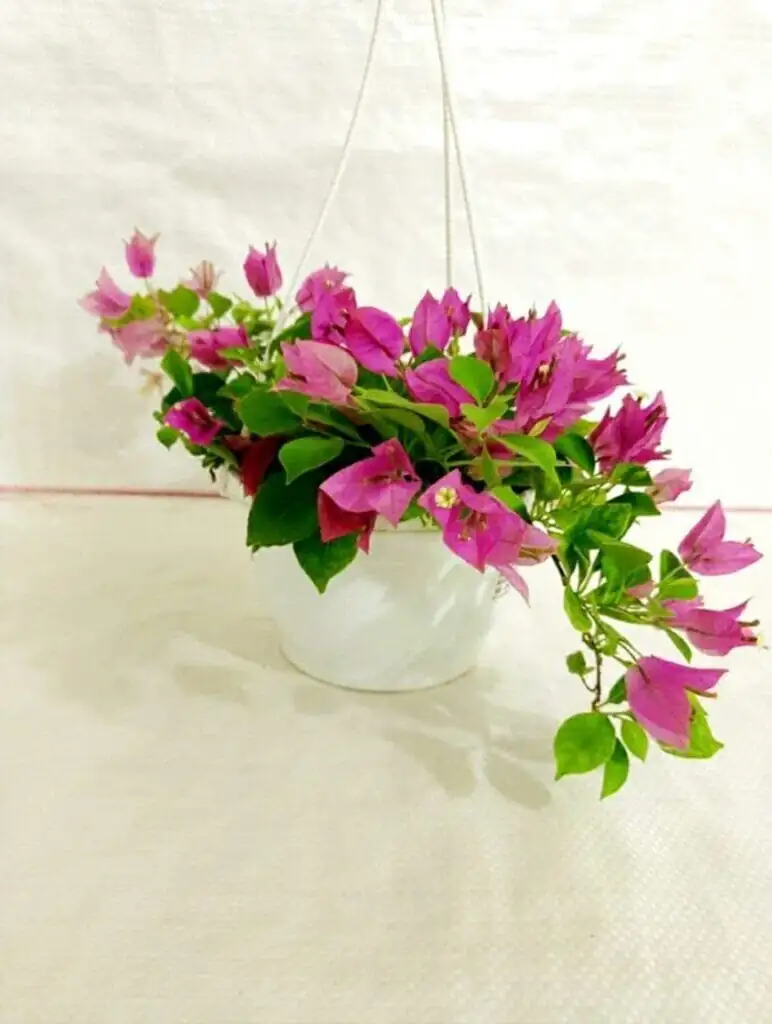
What if your bougainvillea could shrug off winter like a seasoned traveler, resting just enough to burst into spring with a riot of color? With the right light, lean watering, smart pest prevention, and a few microclimate tricks, Bougainvillea glabra and the common hybrids (like Bougainvillea × buttiana) can glide through cold-climate winters indoors and be primed for spectacular spring flushes.
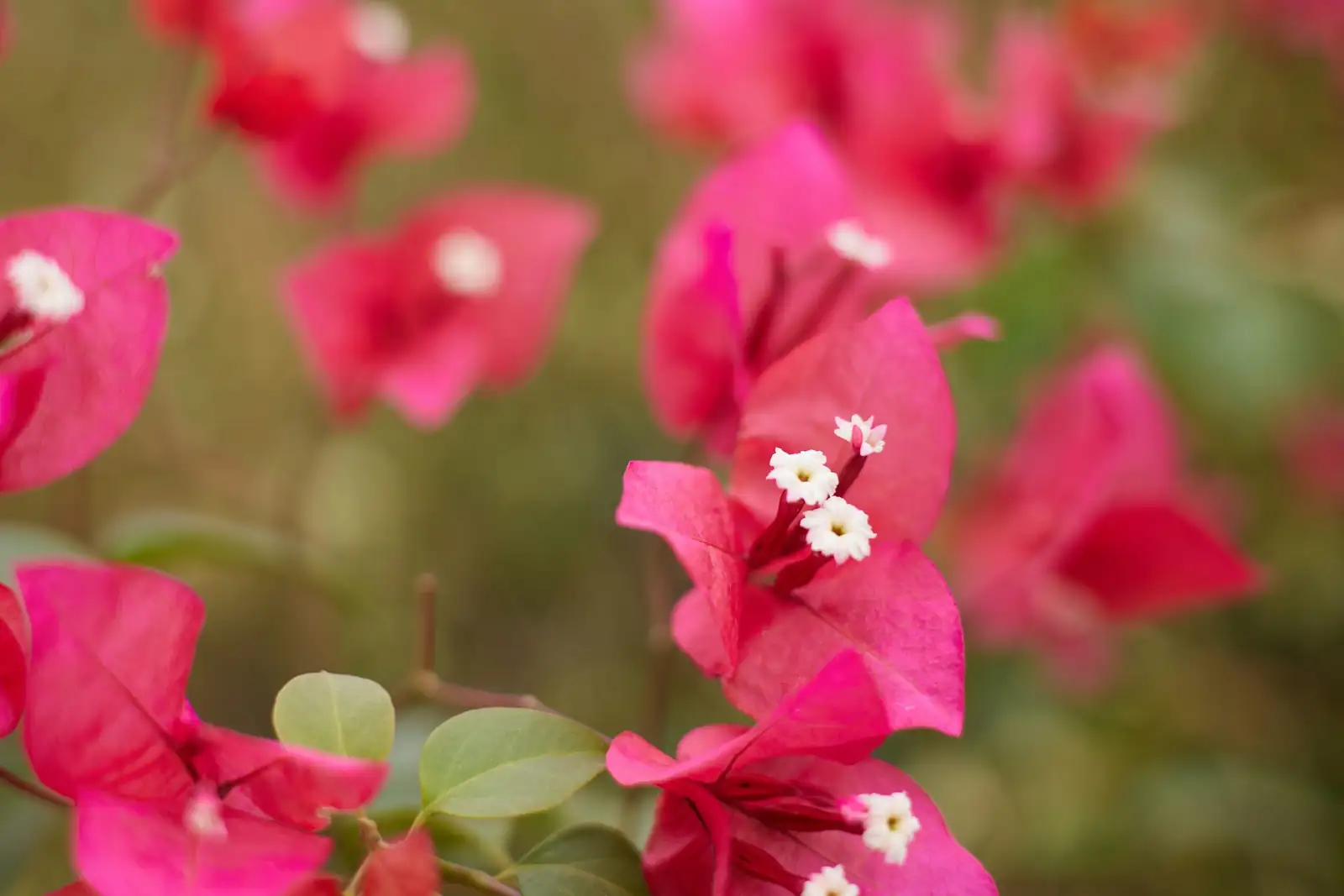
Bougainvillea is a sun-loving, woody climber from South America, adored for its papery, vivid “petals” (bracts) that surround tiny creamy-white flowers. It’s not frost-hardy—so in USDA Zones colder than 10–11, winter is all about bright, dryish, protected, and steady.
Below is your cold-climate survival playbook.
Know your plant, know your winter strategy
- Growth habit: A scrambling, often thorny shrub-vine you can train on a hoop, trellis, wires, or a warm wall. In containers, it often sits nicely around 1.5 m × 1.5 m with training; in warm climates outdoors it can reach 1.5–6 m.
- Sun rules everything: Aim for 4–6+ hours of direct sun daily; 6+ is ideal. Shade equals legginess, leaf/bract drop, and minimal blooms.
- Temperature comfort zone: Best growth roughly 15–30°C (59–86°F). For winter safety, keep it above about 7–10°C (45–50°F). Many indoor growers maintain 10–26°C (50–79°F).
- Soil and potting: Fast-draining, airy mix with added coarse sand/grit. Bougainvillea often blooms better slightly root-restricted—don’t over-pot.
The cold-climate survival playbook
Brightest-window strategies (light is your winter lifeline)
- Park it in a south- or west-facing window or sunroom. Clean the glass and pull screens for maximum intensity.
- Angle for sun: Tilt or train on a hoop/trellis so foliage faces the light pane. Rotate the pot every 7–10 days to keep growth even—but avoid dramatic weekly flips when in peak color, which can trigger bract drop.
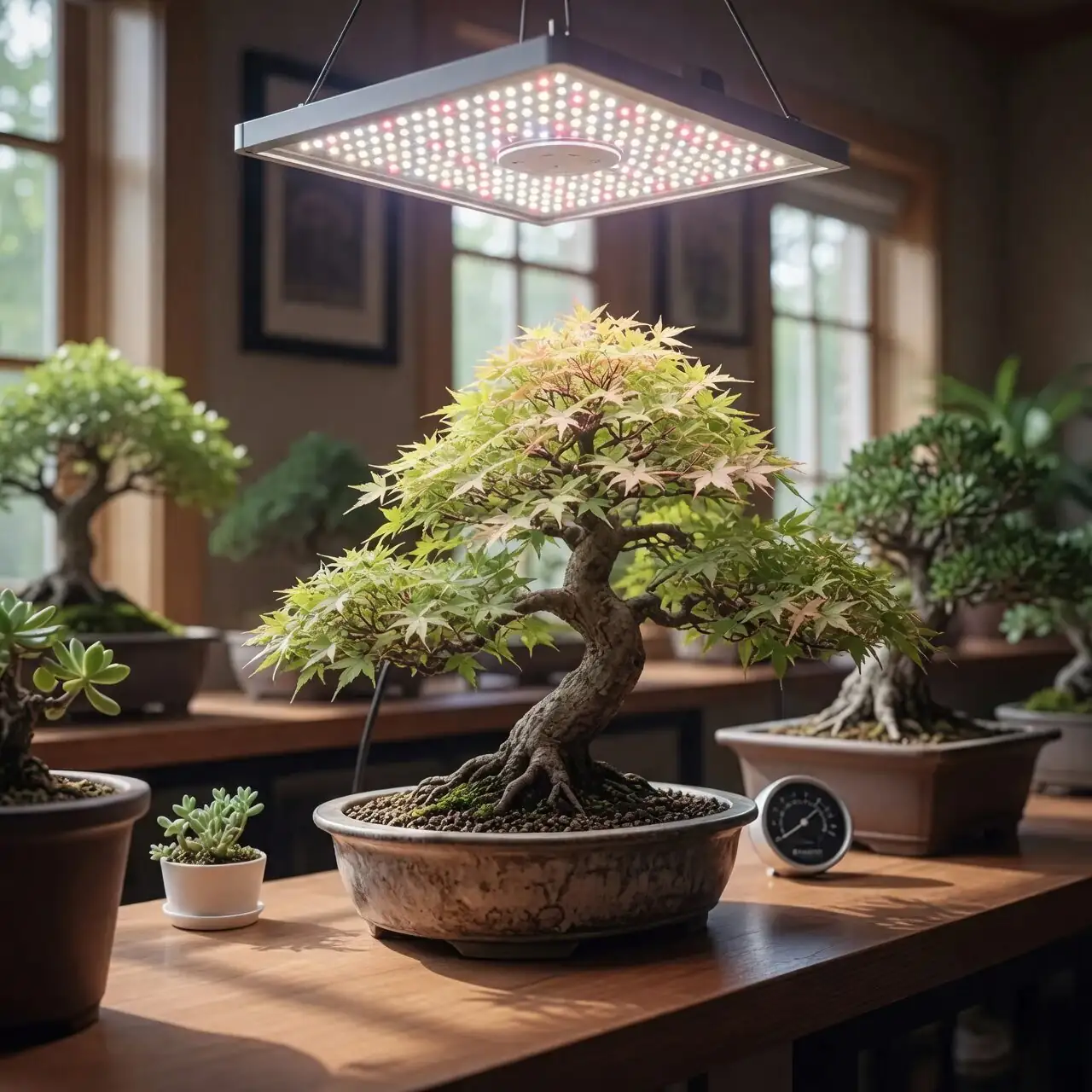
- Reflect and boost: A white or reflective board behind the plant bounces light onto the interior canopy. If your latitude or building aspect starves it of sun, add a full-spectrum LED grow light (set 6–12 in/15–30 cm above the canopy, 10–12 hours daily), keeping good airflow.
- Spring transition: As days lengthen, you can extend light hours first, then slowly ramp up water and feeding. Move outdoors only after frost risk has passed, with a 10–14 day hardening-off period.
Temperature and microclimates (steady wins)
- Safe winter range: Keep above 7–10°C (45–50°F). Many plants winter nicely at 10–15°C (50–59°F) in very bright light; warmer rooms are fine if light is strong and watering is lean.
- Reduce shock: Avoid cold drafts from leaky windows, sudden night chills, or placement near heating vents. A sheer curtain can buffer drafts without blocking much sun.
- Warm wall, cool roots: Place the pot near a warm interior wall, but keep it off cold floors with a wood trivet or foam pad. Avoid radiators/space heaters that create hot–cold swings.
- Bract longevity tip: Cooler, bright conditions can help bracts persist longer. If color is peaking, a steady 10–15°C (50–59°F) with excellent light and gentle airflow can hold the show.
Lean winter watering (the make-or-break move)
- The rule: Water deeply, then let the mix dry further than you would in summer. Constantly damp soil invites root rot and bract/leaf drop.
- How dry is “dry enough”? In winter, allow the top half (or more) of the potting mix to dry before rewatering. The pot should feel noticeably lighter. Use a wooden skewer as a dipstick—if it comes up mostly clean and dry, it’s time to water.
- Technique: Water in the morning with room‑temperature water. Drench until excess drains; empty saucers promptly. Never leave the pot standing in water.
- Controlled “dry-down” for spring buds: A brief, careful period of slightly drier soil can nudge bud formation. Don’t let it severely wilt; think “firmly thirsty,” not “crispy.”
Soil, pots, and drainage that forgive small mistakes
- Use a sharply draining mix: Quality potting medium with 20–40% coarse grit, pumice, or coarse sand. Large drainage holes are non-negotiable.
- Slightly root-bound is good: Step up only one size when repotting in spring. Mature plants often prefer a spring top-dress (refresh the top few centimeters of mix) rather than bigger pots.
- Pot position: Pot feet keep roots off cold surfaces and improve drainage/airflow.
Feeding: stay lean now, prime for flushes later
- Winter: Pause feeding.
- Spring to early autumn: Feed regularly but avoid nitrogen-heavy programs. Use a balanced-to-bloom plan that leans higher in potassium—either monthly with a bloom-leaning formula (e.g., 15‑15‑30) or every two weeks with balanced feed, switching every third feed to a higher‑K bloom support. A one-time monopotassium phosphate boost during peak bloom can intensify color. Too much nitrogen = leaves, not bracts.
Pruning and training for tight quarters
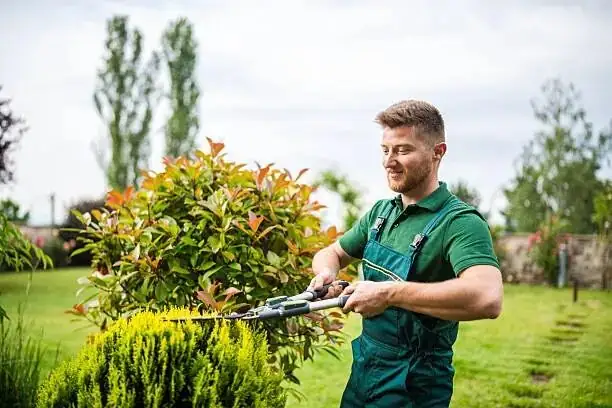
- Before bringing indoors: Lightly tidy—pinch or trim overly long, soft shoots to keep a compact frame. Tie stems to a hoop, trellis, or wires to prevent window-side flopping.
- After flowering: Prune side shoots to keep shape; remove dead, weak, or crowded wood. Older, woody plants may need occasional rejuvenation pruning in the growing season.
- Safety: Wear gloves—sap can irritate and the thorns mean business.
Pest prevention in dry, heated air
Indoor winter air can be dry—great for spider mites, not for plants.
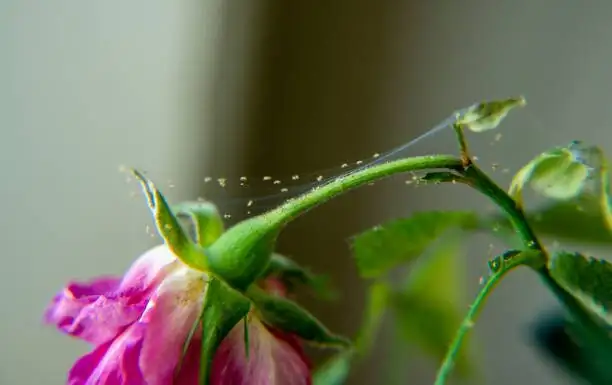
- Early warning signs:
- Spider mites: Tiny speckling on leaves, fine webbing.
- Mealybugs/scale: Cottony tufts or bumps on stems and leaf nodes; sticky honeydew.
- Aphids: Clusters on tender tips.
- Prevention:
- Bright light, airy placement, and proper drying cycles keep tissues firm and less inviting.
- Gentle airflow: a small fan on low, not blasting, to discourage mites and mildew.
- Clean leaves: A soft wipe keeps dust down (mites love dusty leaves).
- Moderate humidity bump: A pebble tray nearby is fine, but avoid stagnant, overly damp air. Don’t mist the bracts—water spots can mar the display and raise disease risk.
- Treatment:
- Start with physical removal: swab mealybugs with cotton and 70% isopropyl alcohol; rinse mites off in a lukewarm shower, shielding the soil.
- Follow with horticultural oil or insecticidal soap per label. Repeat at 7–10 day intervals until clear.
- Quarantine newcomers; inspect weekly, especially undersides and nodes.
Bract drop triage: why it happens and how to minimize it
Common triggers indoors:
- Not enough direct sun
- Overwatering or poor drainage
- Sudden temperature swings or cold drafts
- Abrupt relocation or frequent repositioning
- Very dry, stagnant air (mites), or ethylene from ripening fruits/veggies nearby
Stabilize the environment:
- Give maximum direct light, steady temperatures, and a consistent orientation to the window during bloom.
- Water only after the mix dries further; never keep it constantly wet.
- Keep it away from ripening produce and from heater blasts.
- Accept a little adjustment drop after the indoor move—it often rebounds with stable care.
Prime-time spring plan (from late winter onward)
- Light rises first: As days lengthen, maintain bright light or extend grow-light hours.
- Water next: Increase watering frequency modestly as drying speeds up.
- Feed for blooms: Restart a balanced-to-bloom, higher-potassium plan.
- Repot or top-dress: In spring, repot young plants if root-bound (one size up) or top-dress mature ones; keep the mix free-draining.
- Train and tie: Direct new shoots along your support. Pinch lightly to encourage branching.
- Move outdoors after frost: Harden off over 10–14 days in increasing sun and breeze.
Quick cold‑zone toolkit
- South- or west-facing window (cleaned glass)
- Full-spectrum LED grow light + timer
- Reflective board/white foam behind plant
- Pot feet or trivet; foam pad for cold sills
- Coarse grit/pumice for potting mix
- Wooden skewer moisture check
- Horticultural oil/insecticidal soap; cotton swabs; sticky traps
- Lightweight trellis/hoop and soft ties
- Thin gloves + pruners (thorns, irritant sap)
- Small oscillating fan on low for airflow
Safety note
Bougainvillea’s sap can irritate skin and eyes, and thorn pricks hurt. Ingestion may cause GI upset. Wear gloves when pruning/training and keep out of reach of children and pets.
A quick nod to meaning and mood
Bougainvillea often symbolizes passionate color, warm welcome, and celebration—the plant equivalent of hanging a bright banner to greet friends. The “flower language” sentiment springs less from ancient lore and more from its modern, exuberant presence across sunny doorways, patios, and streetscapes. Indoors in winter, think of it as storing confetti for the first big party of spring.
With sun-first thinking, lean winter watering, airy placement, and a few clever microclimate tweaks, your bougainvillea can coast through the cold and explode into color when warmth returns. Keep it bright, keep it drier, keep it steady—and get ready for that spring cascade of papery brilliance.