

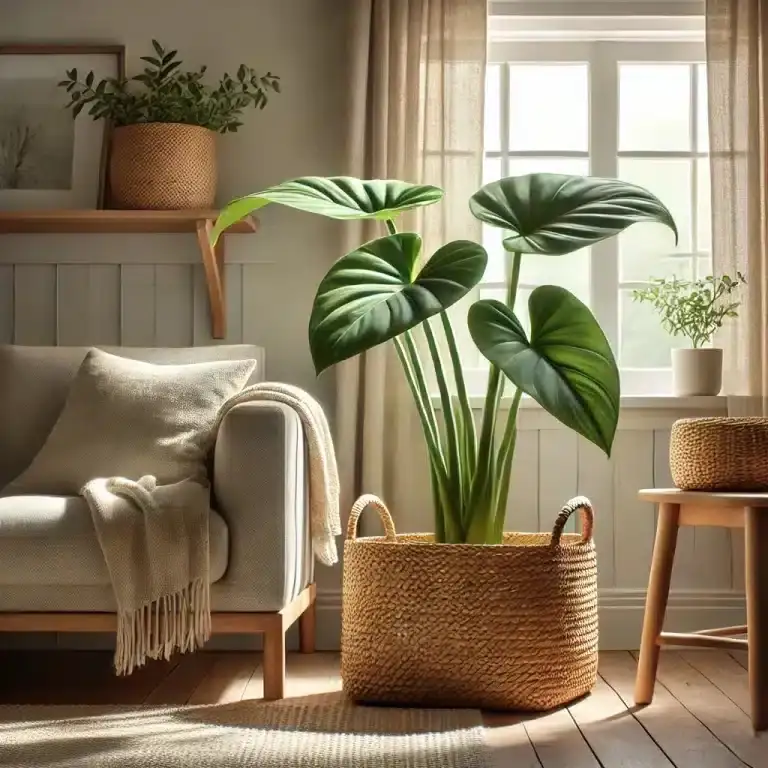
If Alocasia had a day planner, it would be color‑coded by seasons. These jungle icons—often called Elephant’s Ear—are driven by warmth, light, and humidity. Learn their rhythm and you’ll know exactly when to pour, when to pause, and when to split a crowded clump without drama. Here’s your month‑by‑month playbook to keep Alocasia spp. thriving, from spring surges to winter slowdowns.
Know the rhythm first
- Growth pattern: In warm, bright, humid months, Alocasia can push a new leaf about weekly. As days shorten and temps cool, growth slows or many varieties rest (some even drop most leaves). Don’t panic—that’s normal dormancy behavior.
- Light: Bright, indirect light—about 3–5 hours of filtered brightness daily. Avoid harsh direct sun that scorches.
- Temperature: Sweet spot is 60–85°F (15–29°C). Keep it above 60°F (15°C), away from drafts and sudden swings.
- Humidity: 65%+ is ideal (50% minimum). A humidifier beats misting.
- Watering baseline: Keep evenly moist, never soggy. Water thoroughly when the top 2–3 inches (5–8 cm) dry. Empty the saucer after 30 minutes.
- Soil: Airy, moisture‑retentive but fast‑draining aroid mix, slightly acidic (pH 5.5–6.5). Think peat/coco with chunky orchid bark and perlite.
- Feeding: During spring–summer active growth, feed 1–2× per month at half strength (balanced liquid like 20‑20‑20), or use slow‑release every 6–8 weeks. Pause in winter.
- Repot/divide: Spring to summer, during active growth.
- Safety: Toxic to people and pets (calcium oxalate). Wear gloves when pruning; keep out of nibbling range.
Tip on timing: The schedule below assumes a temperate Northern Hemisphere indoor grower. If you’re in the Southern Hemisphere, flip the seasons by six months. If you’re in the tropics with steady warmth and light, expect a gentler, less dramatic cycle.
Your year‑round toolkit
- Aroid potting mix and perlite/orchid bark for tweaks
- Moisture meter or your finger; a consistent watering can
- Humidifier or pebble tray; hygrometer to monitor RH
- Balanced liquid fertilizer or slow‑release pellets
- Pruning shears, disinfectant, and gloves (sap can irritate)
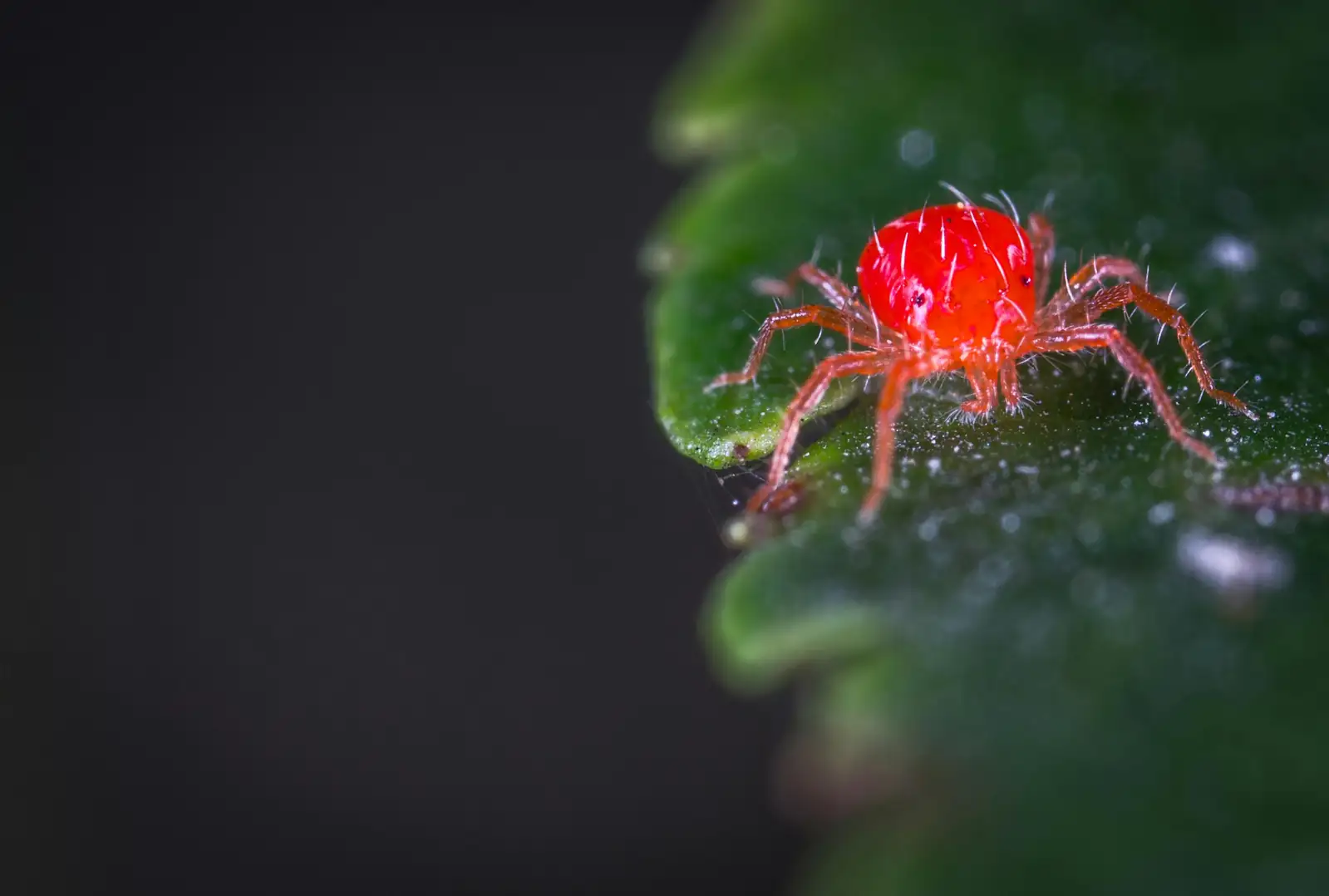
- Sticky traps and neem/insecticidal soap (spider mites love Alocasia)
- A grow light for short, dark winter days
The month‑by‑month Alocasia playbook
January
- Water: Sparingly. Check every 10–14 days; water only when the top 2–3 inches are dry. Aim for “lightly moist,” never wet.
- Feeding: None.
- Light/Temp: Keep above 60°F/15°C; scoot closer to bright windows or add a grow light to offset short days.
- Humidity: Raise to 55–65%+ to combat dry heating.
- Tasks: Dust leaves for max photosynthesis; monitor closely for spider mites (dry air magnet). No repotting.
What to expect: Little to no new growth; a leaf or two may yellow and retire. This can be normal.
February
- Water: Similar to January; adjust only if light increases and soil dries faster.
- Feeding: Still pause.
- Prep: Inspect roots through drainage holes; plan spring repot/division if crowded.
- Tasks: Clean tools, refresh top 1 inch of exhausted potting mix without disturbing roots.
March
- Water: Increase gradually as days lengthen. Resume the “water when top 2–3 inches are dry” rule.
- Feeding: Restart at half strength, 1× this month.
- Repot/Divide: Prime time. Move up 1–2 inches (2.5–5 cm) in pot width for small plants; 2–4 inches (5–10 cm) for large types. Divide offsets so each has roots and a growth point.
- Light: Bright, indirect; east or west windows are great.
- Tasks: Rotate the pot 90° weekly for even growth; start a weekly leaf‑wipe routine to deter pests.
April
- Water: Consistent, thorough soaks with good drainage.
- Feeding: 1–2× this month at half strength.
- Humidity: Hold 60–70% to fuel fast leaf expansion.
- Tasks: Flush the pot with plain water once this month to prevent fertilizer salt buildup. Remove any winter‑damaged leaves.
May
- Water: Faster uptake now; stay attentive to the top 2–3 inches dryness cue.
- Feeding: Keep 1–2×/month or apply slow‑release pellets (6–8 week window).
- Outdoor summering (optional, USDA 10–12 or warm months): When nights stay above 60°F/15°C, acclimate outdoors in bright shade over 7–10 days—no direct midday sun.
- Tasks: Stake if large leaves lean; check for tight roots if growth seems stalled.
June
- Water: Peak thirst. Evenly moist, never waterlogged. Empty saucers.
- Feeding: Maintain schedule.
- Humidity: 65%+ ideal. Watch for crispy edges if RH dips.
- Pests: Spider mites are public enemy #1—inspect undersides weekly; treat early with insecticidal soap or neem.
- Tasks: Light pruning of yellowed leaves. Excellent window for any last repots.
July
- Water: Heat speeds drying—don’t let the mix swing bone‑dry to sopping. Consistency prevents droop.
- Feeding: Steady but modest; half‑strength is safer than strong doses.
- Water quality check: If tips brown and you use hard tap water, switch to distilled or let tap sit 24 hours before use.
- Environment: Protect from AC drafts and harsh sun.
August
- Water: Still consistent; heat may start to wane late month.
- Feeding: This is often the last “full” feeding month; aim for your final 1–2 half‑strength feeds now.
- Tasks: Groom older leaves; keep rotating the pot for symmetry. Hold off on division until next spring unless necessary.
September
- Water: Begin to taper. The top layer will dry more slowly—adjust frequency, not volume, to avoid chronic dampness.
- Feeding: Reduce to 1× at half strength early month, then stop by month’s end.
- Indoors return (if summered outside): Bring in before nights drop below 60°F/15°C. Quarantine 2 weeks; check for pests.
- Light: Move a little closer to windows as the sun weakens.
October
- Water: Less frequent. Still follow the 2–3 inch dryness rule, but expect longer intervals.
- Feeding: Stop.
- Tasks: Remove spent or yellowing leaves with clean cuts at the base; wear gloves. Consider a grow light if rooms are dim.
November
- Water: Sparing, just to prevent a prolonged bone‑dry mix. Think “sips,” not “gulps.”
- Feeding: None.
- Environment: Keep warm and stable; no repotting.
- Expectation setting: Some varieties drop several leaves. Focus on the health of rhizomes/tubers, not leaf count.
December
- Water: Minimal, on the plant’s schedule, not the calendar’s—only when the top 2–3 inches are dry.
- Feeding: None.
- Tasks: Wipe leaves, check for mites, and enjoy the architectural silhouette. Start a wishlist for spring repotting or new cultivars.
Seasonal troubleshooting at a glance
- Yellowing leaves
- Common causes: Overwatering, chronic damp soil, low light, cold stress, nutrient fatigue.
- Fix: Brighten light (indirect), let top inches dry between waters, keep warm, resume balanced feeding in spring.
- Droop or wilt
- Check soil first: Too dry or too wet. Soggy roots = limp leaves; drought = limp + crisp edges.
- Root check: If there’s a sour smell or black mushy roots, trim and repot into airy mix.
- Brown edges or tips
- Often low humidity, strong sun, or mineral‑heavy water. Raise RH, filter light, improve water quality.
- Pests
- Spider mites, mealybugs, scale, aphids. Wipe leaves, isolate, treat with insecticidal soap or neem; repeat weekly until clear.
Repotting and division, demystified
- Best window: Spring through early summer, when growth is active.
- How big a jump: 1–2 inches wider for small plants; 2–4 inches for large floor specimens.
- Mix: Slightly acidic, chunky aroid blend—peat/coco + orchid bark + perlite. You want moisture held in particles, not in airless sludge.
- Division: Unpot, expose rhizomes/tubers, separate offsets with their own roots and a growth point. Pot divisions snugly, keep warm and humid, and water evenly.
Light and placement cheatsheet
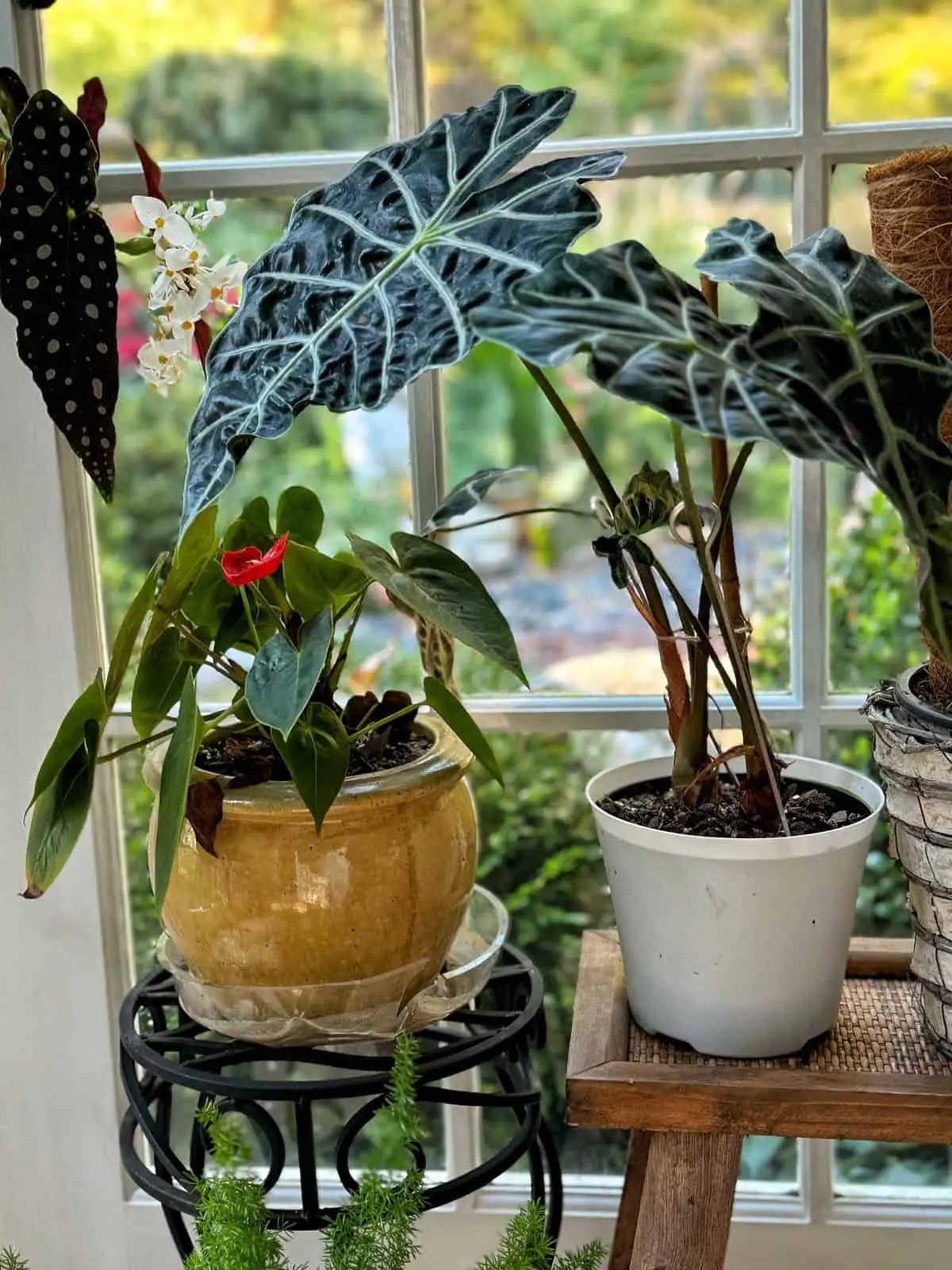
- Indoors: Near bright east or west windows with filtered light. Avoid direct noon beams.
- Bathrooms/kitchens: Great if bright; humidity helps.
- Grow lights: A lifesaver in winter—aim for bright, indirect intensity for 10–12 hours.
A note on flowering and looks
Alocasia may produce the classic aroid spathe‑and‑spadix bloom (yellow to yellow‑green), but many indoor plants skip flowers and pour energy into leaves—exactly what we grow them for.
Symbolism, “flower language,” and what it really means
Across modern decor and some Feng Shui traditions, Alocasia is linked with resilience, prosperity, and career momentum—those bold, upright leaves do feel like a plant that “stands tall.” Unlike historical, codified flower languages tied to specific blooms, these meanings are contemporary cultural readings rather than ancient lore. Enjoy the symbolism as a personal reminder of growth—but let the plant’s actual needs guide your care.
Quick safety brief
Elephant’s Ear (Alocasia spp.) is toxic if chewed or swallowed; sap can irritate skin and eyes. Keep away from pets and children, wear gloves when pruning, and wash hands afterward.
The calm in winter: why not to panic
Dormancy for many Alocasias means:
- Slower or paused growth
- Fewer or no new leaves
- Occasional leaf drop
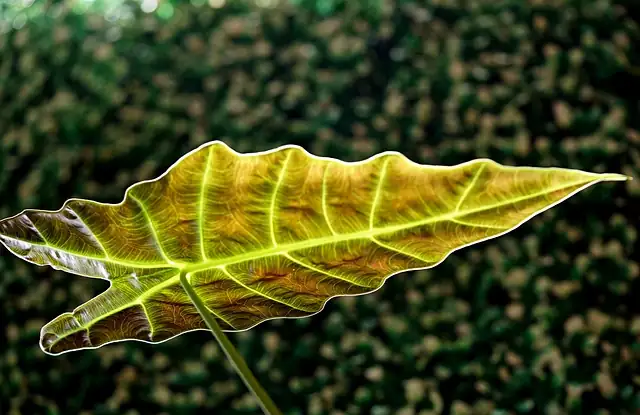
If the base (rhizome/tuber) is firm and the potting mix stays lightly moist in warmth and bright, indirect light, your plant is simply resting. Keep it above 60°F/15°C, stop feeding, water sparingly, maintain humidity—and be ready. Once spring light returns, so will those dramatic leaves.


