

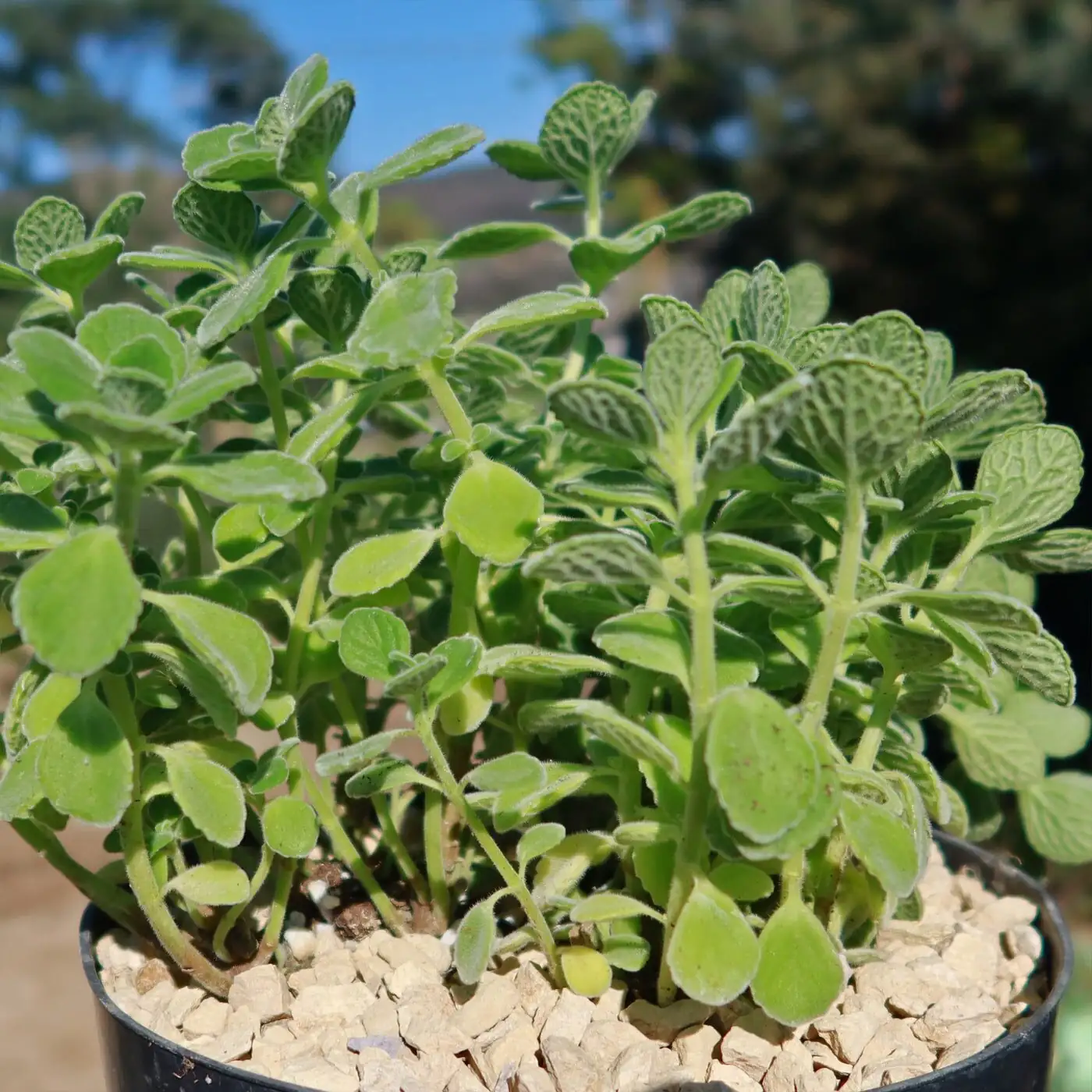
If your Vicks plant (Plectranthus hadiensis var. tomentosus) could talk, it would beg for two winter favors: keep me warm and keep my feet dry. Its velvety, menthol-scented leaves may feel a bit succulent, but don’t be fooled—this is a warmth-loving mint relative that sulks in cold drafts and collapses in soggy soil. Here’s your seasonal survival plan to outsmart winter: brightest-window tactics, a drier watering rhythm, and a gentle pause on feeding.
Meet your plant, know its winter weak spots
- What it is: A compact, fuzzy-leaved member of the Lamiaceae with a fresh, “Vicks-like” aroma. Often sold under the horticultural name Plectranthus tomentosa; you’ll keep it happiest by treating it as a warm, bright-light houseplant.
- Origin and vibe: Southeastern Africa. Naturally bushy and free-branching; semi-succulent in bright light, thinner-leaved in low light.
- Cold line: Keep above 10°C (50°F). Frost and cold drafts are the enemy.
- Light sweet spot: Bright light with some gentle direct sun. East windows are excellent; south/southwest are great with light filtering. Avoid harsh midday scorch.
- Biggest winter pitfalls: Soggy soil + chilly air + dim corners = stem/root rot and sudden collapse.
The brightest-window playbook (so winter light works for you)
- Choose the right window:
- East: Ideal. Morning sun is gentle but energizing.
- South/Southwest: Fantastic if you sheer-filter midday rays to prevent scorch.
- West: Can work with light filtering; watch for hot afternoon beams on mild winter days.
- Position smartly:
- Nudge the plant close to the glass for brightness by day, then pull it 15–30 cm (6–12 in) back on very cold nights if panes get icy.
- Rotate a quarter-turn weekly for even growth and thicker leaves.
- Boost brightness without burn:
- Clean the glass (it matters more than you’d think).
- Add a white wall, pale backdrop, or reflector opposite the window to bounce light.
- Short days? A small LED grow light on a 10–12 hour timer can backstop gloomy spells.
Draft defense: warmth without stuffiness
- Keep your Vicks above 10°C (50°F); a cozy 18–24°C (65–75°F) is even better.
- Avoid the “wind tunnel” zones: leaky windows, outer doors, AC vents.
- Buffer cold panes with a sheer curtain at night; use a simple clip-on thermometer near the pot to catch sneaky dips.
- Ensure gentle airflow (a nearby, low-setting fan across the room is fine) to prevent stale, damp air—but don’t blow cold air directly onto the plant.
The right winter dry-down rhythm (your anti-rot routine)
Think “even moisture, never soggy,” then dial it drier for the cold season. No fixed calendar—go by the pot and the plant.
- Before you water:
- Let the top of the mix dry first. In cool rooms, allow a deeper dry-down: the top 2–5 cm (1–2 in) should be dry to the touch.
- Lift the pot. A noticeably lighter pot signals it’s time; a heavy pot means wait.
- Check the feel of stems and leaves. Semi-firm is normal. Limp with a very light pot usually means it’s truly thirsty; limp with a heavy pot screams overwatered roots.
- How to water in winter:
- Water thoroughly until it just runs from the drainage holes.
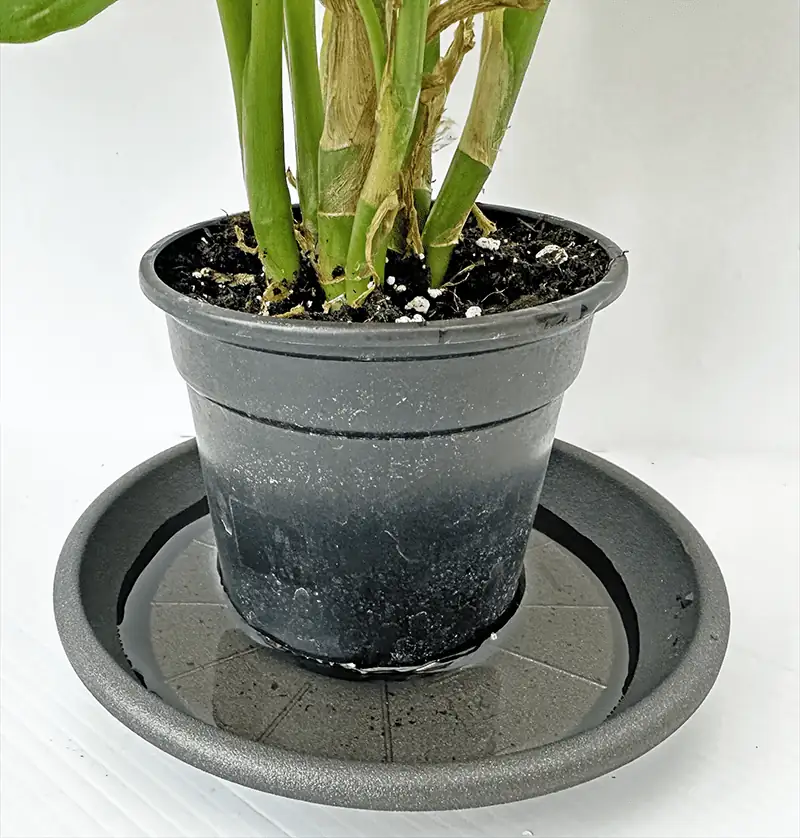
- Immediately empty the saucer; never let it soak.
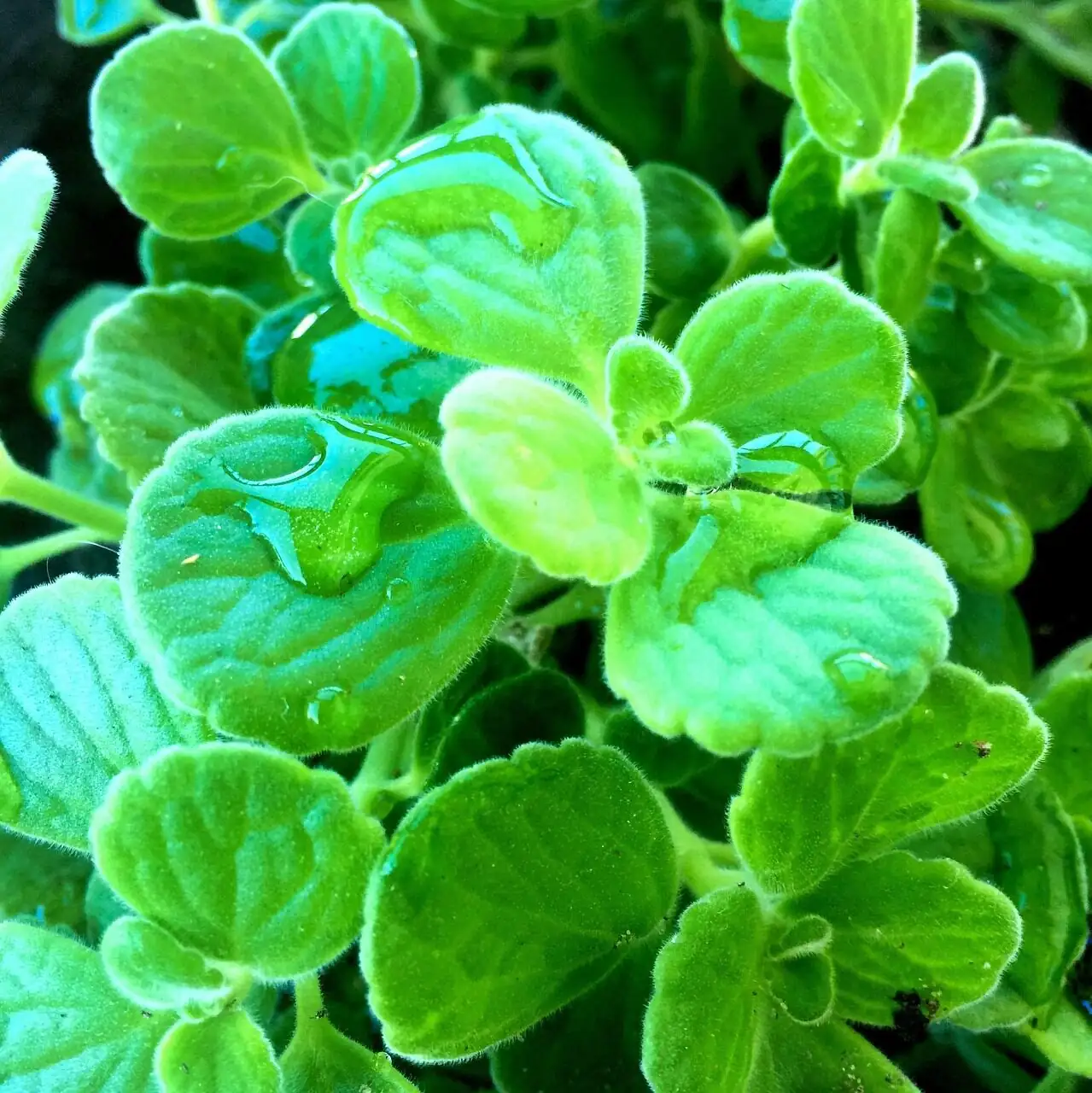
- Water in the morning with room‑temperature water and avoid wetting the fuzzy leaves.
- The “rescue soak” (use sparingly in winter):
- If it droops from hidden dry pockets (light pot, peat repelling water), submerge the whole pot briefly until bubbles slow, then drain completely. This reset is especially useful in the growing season; in winter, deploy only as a one-off rescue, then lengthen the next dry period.
- Red flags:
- Yellowing, mushy bases or a sour smell = too wet for too long.
- Wrinkly leaves and crispy tips with a feather‑light pot = too dry for too long.
Feeding: dial it way down for dormancy
- Peak season (April–October): Feed about once per month with a balanced liquid houseplant fertilizer at label rate.
- Winter: Reduce or stop feeding. In most homes, pausing entirely keeps roots safer and avoids leggy, low‑light growth.
Mix, pot, and timing that save winter roots
- Potting mix: Fertile but fast-draining. Try a quality indoor mix (peat/coco base) amended with extra aeration like perlite, pumice, or coarse sand. Avoid heavy blends that stay wet.
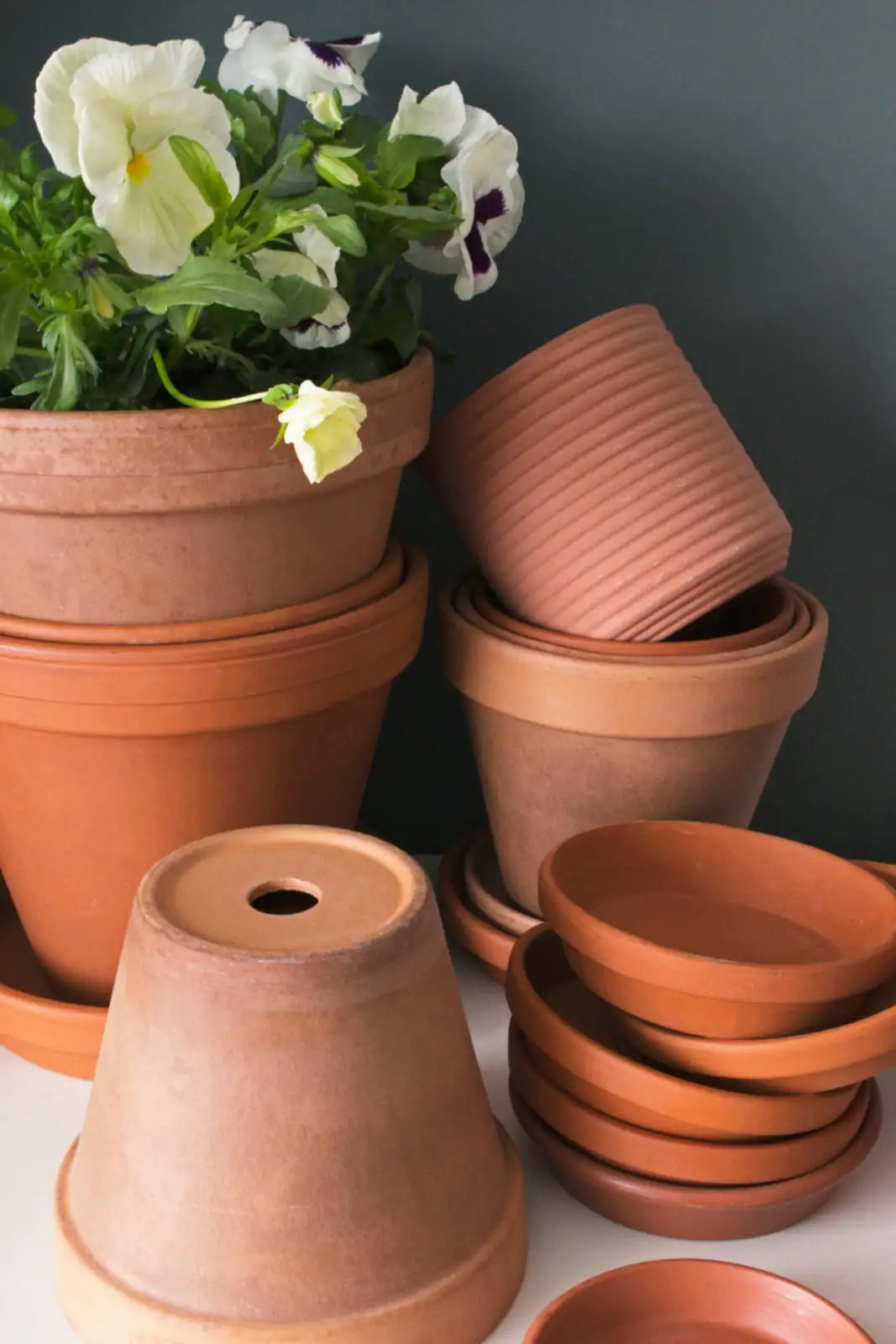
- Pot choice: Always use good drainage; unglazed terracotta helps excess moisture evaporate in cool months.
- Repot when: Spring. Skip midwinter repots unless it’s an emergency (e.g., severe rot).
Air, not a sauna: humidity and ventilation
- Average indoor humidity is fine. Pair moderate humidity with good airflow.
- Avoid persistently high humidity, wet leaves, and stagnant corners—especially if the mix is even slightly wet.
Quick winter calendar
- Late autumn: Shift to the brightest window; start stretching the dry-down. Check for pests as plants move indoors.
- December–February:
- Keep above 10°C (50°F); guard against drafts.
- Water sparingly: let the top layer go dry, then water thoroughly and drain.
- Pause fertilizer.
- Lightly pinch only if needed to keep it compact.
- Early spring: Increase light and water frequency gradually; resume monthly feeding; repot and take fresh cuttings if you want a fuller pot.
Troubleshooting your way through cold months
- Soggy soil, blackened stem bases: Unpot, trim rot, replant in a drier, airier mix; water less often; increase light and airflow.
- Leaves thinning and flattening: It’s craving more light. Move closer to an east or filtered south window.
- Sudden droop, light pot: Rehydrate thoroughly, then return to the longer winter dry-down.
- Crispy edges or sudden leaf drop: Likely cold drafts or extreme dry spells; adjust placement and rhythm.
- Pests (mealybugs, aphids, spider mites): Though the scent seems to help deter insects, stressed plants can still be targets. Isolate, wipe pests with cotton swabs dipped in alcohol, improve light and airflow, and correct watering.
Shape, scent, and small summer flowers
- Habit: Naturally bushy and branching; pinch tips at 8–10 cm (3–4 in) to keep a dense mound.
- Flowers: Small, mint‑family spikes in summer—pretty, but the fragrant, velvety leaves are the star.
- Propagation insurance: Tip cuttings root fast in warm, bright conditions—often within a week. Take a couple in spring to keep a backup and to refresh a leggy plant.
Symbolism and everyday uses
- Symbolism: Linked with freshness and comfort, thanks to that clean, menthol-like scent—often associated with a harmonious, happy home.
- Everyday use: A fragrant foliage plant for windowsills, desks, and patios. Many keep it near seating areas; its aroma is popularly believed to help deter insects.
- Safety note: Toxicity isn’t well documented. Treat it as a non-food ornamental; keep out of reach of pets and children, and avoid skin contact with crushed leaves if you’re sensitive.
Your winter cheat sheet
- Brightest window, with gentle direct sun and a sheer if needed.
- Keep warm; avoid drafts and frosty glass at night.
- Let the top layer of soil dry, then water thoroughly and drain—no tiny sips, no soggy saucers.
- Pause fertilizer until spring.
- Favor airflow over added humidity, and keep leaves dry.
Get these four levers right—light, warmth, dry-down, and restraint with feed—and your Vicks plant will breeze through the chilly months, ready to puff out fresh, scented growth the moment spring returns.