

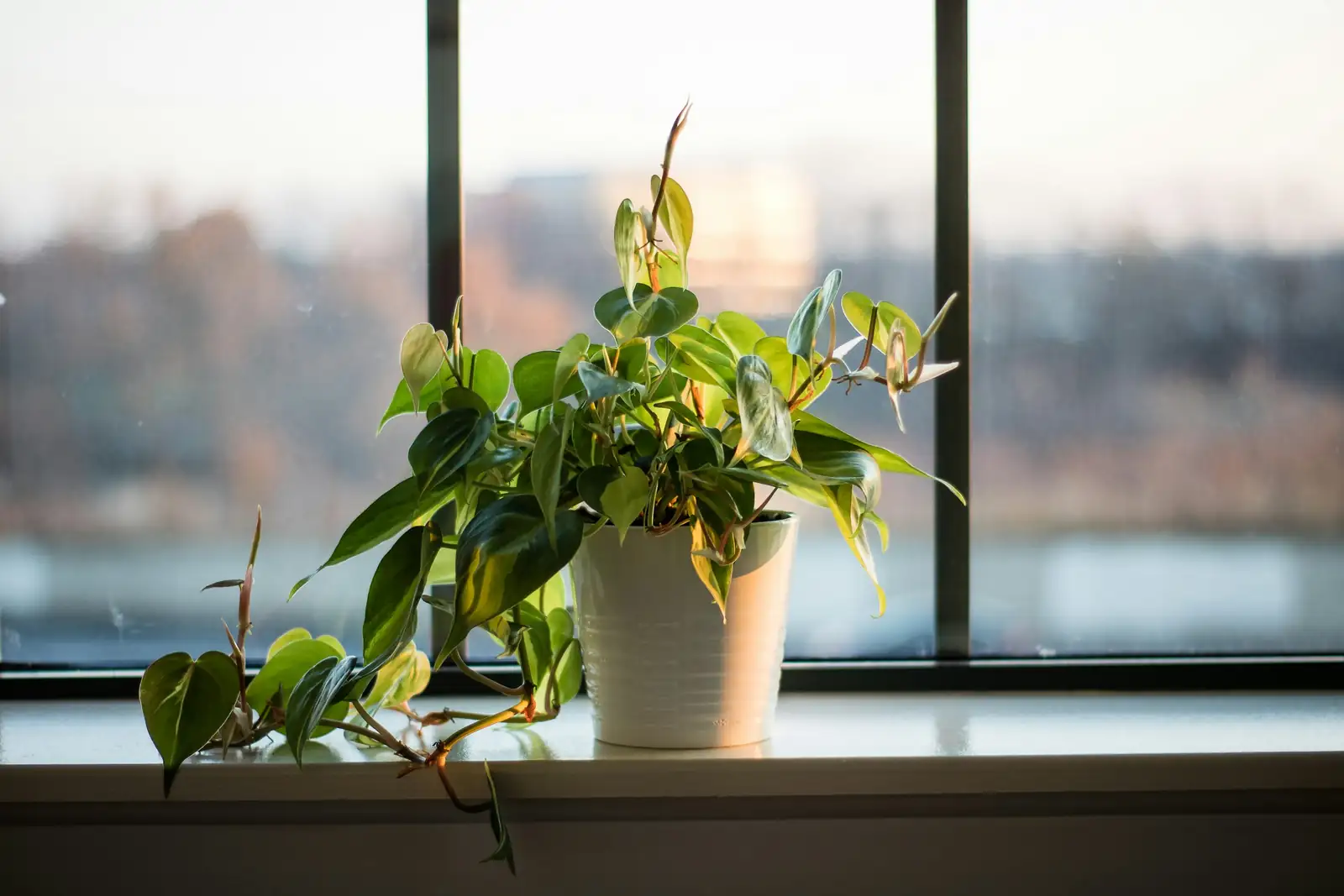
Imagine brushing past a low, feathery herb on your kitchen windowsill and catching a warm “appley” fragrance—like sunshine and comfort in one breath. That’s chamomile. Whether you grow the taller, tea‑heavy German chamomile (Matricaria chamomilla) or the soft, mat‑forming Roman chamomile (Chamaemelum nobile), you can keep plants compact, fragrant, and happy on bright windows or under LEDs with gritty soil, careful watering, and active airflow. Here’s your cozy, kitchen‑and‑balcony game plan.
Meet the two stars: German vs. Roman (choose your vibe)
- German chamomile (Matricaria chamomilla)
- Upright, branching annual: 15–60 cm (6–24 in) tall
- Famous for tea harvests and essential oil (distilled oil turns deep blue)
- Readily self‑seeds if you let some blooms mature
- Roman chamomile (Chamaemelum nobile)
- Low, creeping perennial: 20–30 cm (8–12 in) with runners that can root
- Perfect as a fragrant groundcover, edging, or soft drape over pot rims
- Fewer flowers than German, but wonderfully aromatic and ornamental
Tip: Want jars of blossoms for drying? Choose German. Want a plush, green, scented mat in a pot or along a balcony step? Choose Roman.
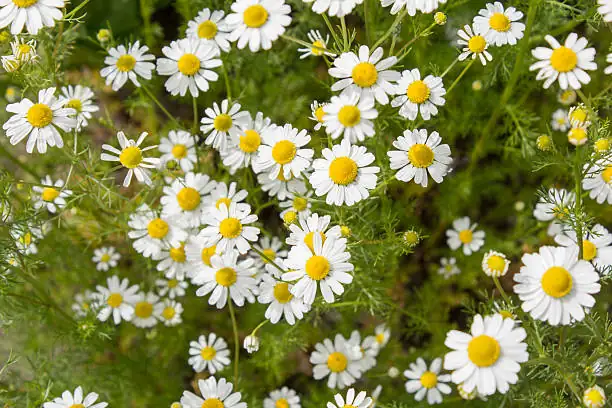
Light: bright windows or LEDs for sturdy, compact plants
- Sunlight:
- Full sun is best: aim for 6–8 hours/day. On hot balconies, a touch of afternoon shade prevents scorch and keeps blossoms fresh.
- Indoors with LEDs:
- Run full‑spectrum lights 12–14 hours/day.
- Keep the fixture close enough for intensity (generally 20–30 cm/8–12 in above the foliage) but not so close that leaves feel hot.
- Signs you need more light:
- Stretchy, floppy stems, pale growth, sparse flowering.
- Bonus for balconies:
- Real sunshine + moving air = sturdier stems and richer aroma.
Airflow: the quiet hero against mildew and rot
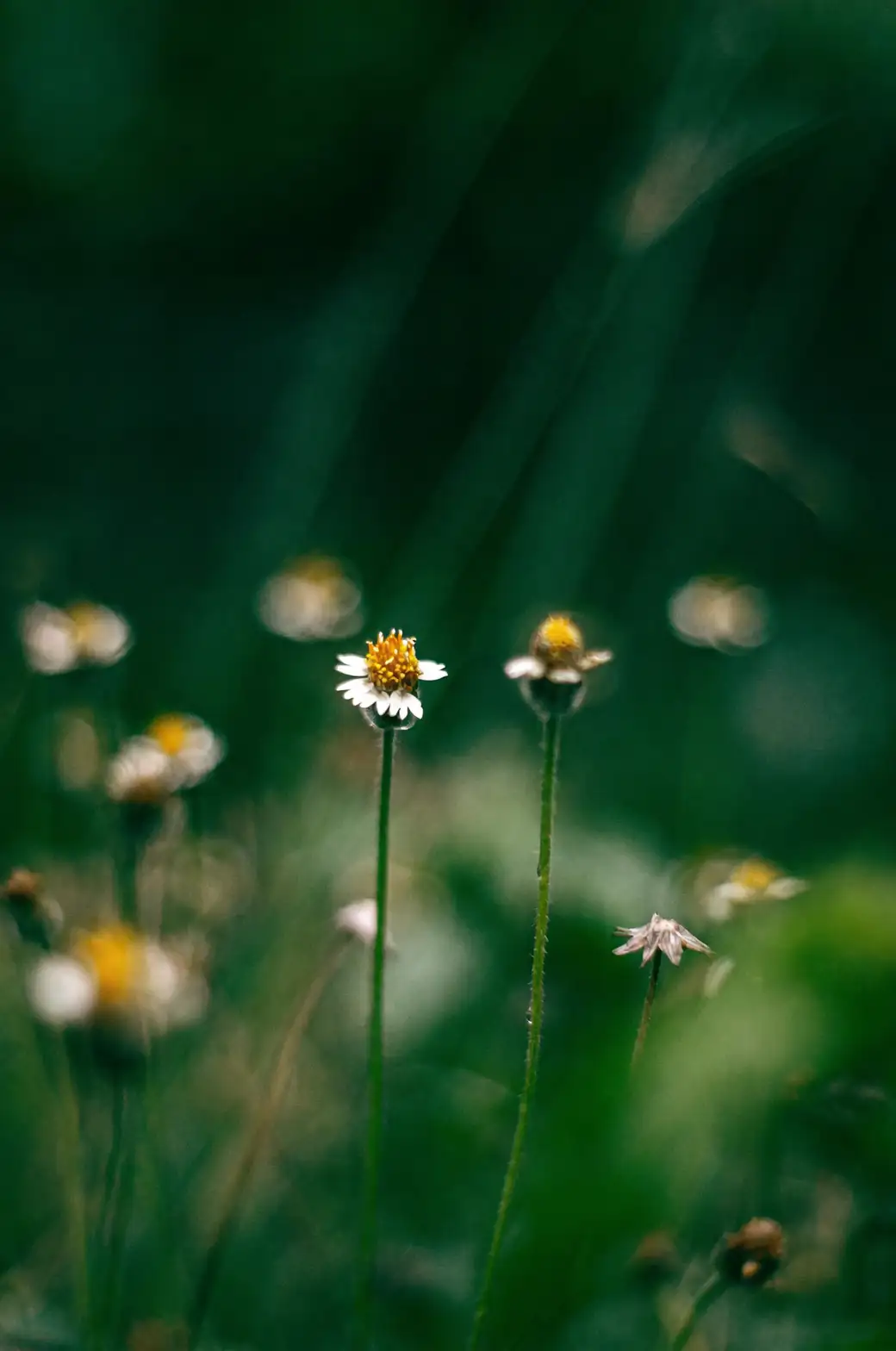
- Keep air moving. An oscillating fan on low (or regular window ventilation) discourages powdery mildew, botrytis, and leaf spots.
- Space plants so leaves dry quickly after watering or harvest.
- Avoid cramming plants directly against cold windows where condensation lingers.
Soil: a gritty, lean mix that roots adore
Chamomile likes well‑drained, loose soil—neutral to slightly alkaline. For pots:
- DIY gritty blend:
- 40% high‑quality potting mix
- 30% perlite or pumice
- 20% coarse horticultural sand
- 10% well‑finished compost
- Optional: a pinch of garden lime if your mix trends acidic
- Pots and drainage:
- Use containers at least 15 cm (6 in) deep with generous drainage holes.
- Add a mesh or a shard over holes to keep grit from escaping.
Why “lean”? Too‑rich soil = floppy stems and fewer flowers.
Water: steady while young, then “sips not soaks”
- Establishment:
- Provide roughly 2.5 cm (1 in) of water per week equivalent while young, then ease off.
- Ongoing rhythm:
- Let the topsoil dry slightly between waterings; never keep chamomile soggy.
- Water more during hot spells; reduce sharply in cool seasons.
- Technique:
- Water at the base in the morning; avoid routinely wetting foliage.
- In small pots, lift test: water when the container feels noticeably lighter.
Feeding: minimal is magical
- Chamomile is a light feeder. In containers, a diluted, balanced, water‑soluble feed about once a month is plenty.
- Too much fertilizer = lush, floppy growth and fewer blooms.
Compact, fragrant growth habits (your pruning playbook)
- Pinch young tips to encourage branching.
- Deadhead spent blooms to keep flowers coming.
- If stems get leggy mid‑season, shear plants back to about 10 cm (4 in). This tidy haircut triggers bushier regrowth and a fresh flush of buds.
- Keep temperatures mild—15–20°C (59–68°F) is the sweet spot for sturdy, aromatic growth. Plants can ride out heat up to about 38°C (100°F) if you keep soil draining and avoid waterlogging.
Sowing and propagation (small seeds, big payoff)
- From seed:
- Best windows: spring (around March) or fall (around September) in mild‑winter areas.
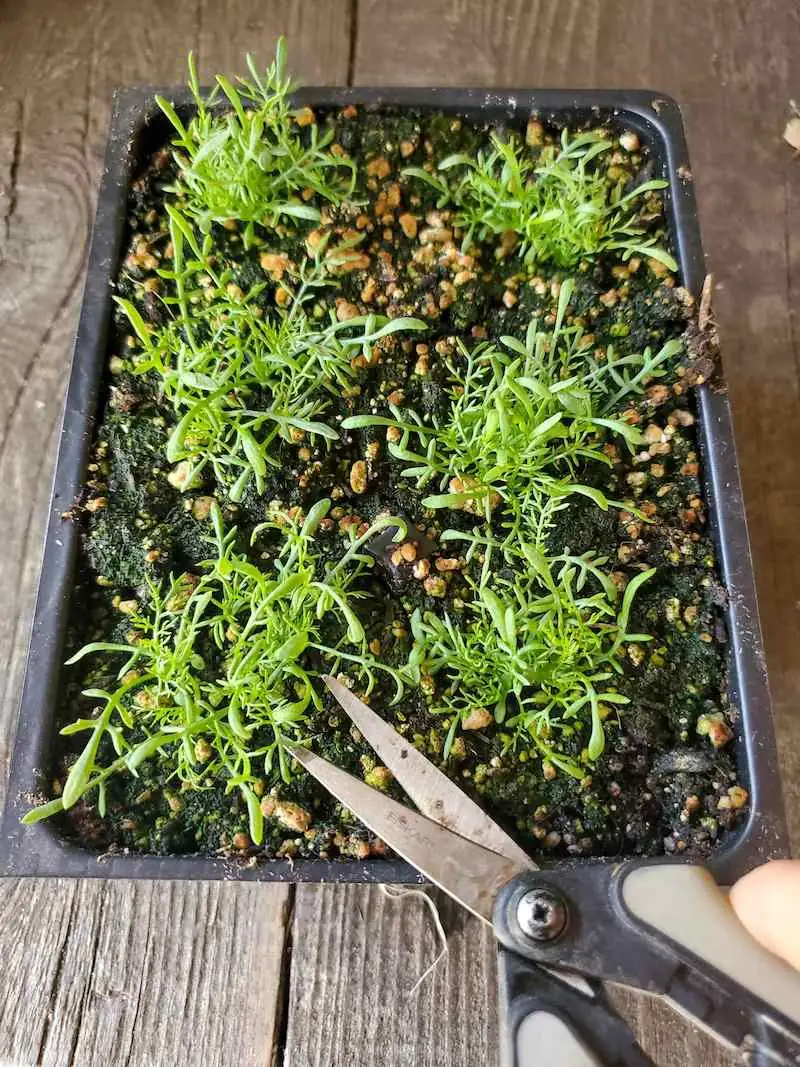
- Seeds need light to germinate. Press onto the soil surface; don’t bury.
- Keep evenly moist; germination often in 7–14 days.
- Transplant seedlings when they’re 5–8 cm (2–3 in) tall.
- Roman chamomile also from division:
- In early spring, lift and separate rooted runners to refresh tired clumps or make new pots.
- Note: German chamomile often self‑seeds—handy in beds or cracks between paving where you’ll welcome volunteers.
Indoors vs. balcony setup
- Kitchens and bright windows:
- South or west exposure is ideal. Turn pots weekly for even, compact growth.
- Use a small fan or crack a window after watering or harvest days.
- Balconies and patios:
- Full sun with a nudge of afternoon shade in hot climates.
- Choose sturdy, well‑drained pots that won’t tip in wind; Roman chamomile can spill gracefully over edges.
- Hardiness:
- Grown across USDA Zones 2–9 (often as an annual in colder zones).
- Roman chamomile is commonly hardy to about Zone 4; German chamomile doesn’t overwinter in freezing conditions.
Flowering, harvest, and aroma
- Bloom season:
- Spring to midsummer (often May–July), with 2–3 flushes under good care.
- A flowering run can last about 50–65 days; individual blooms form over ~20–25 days.
- How to harvest:
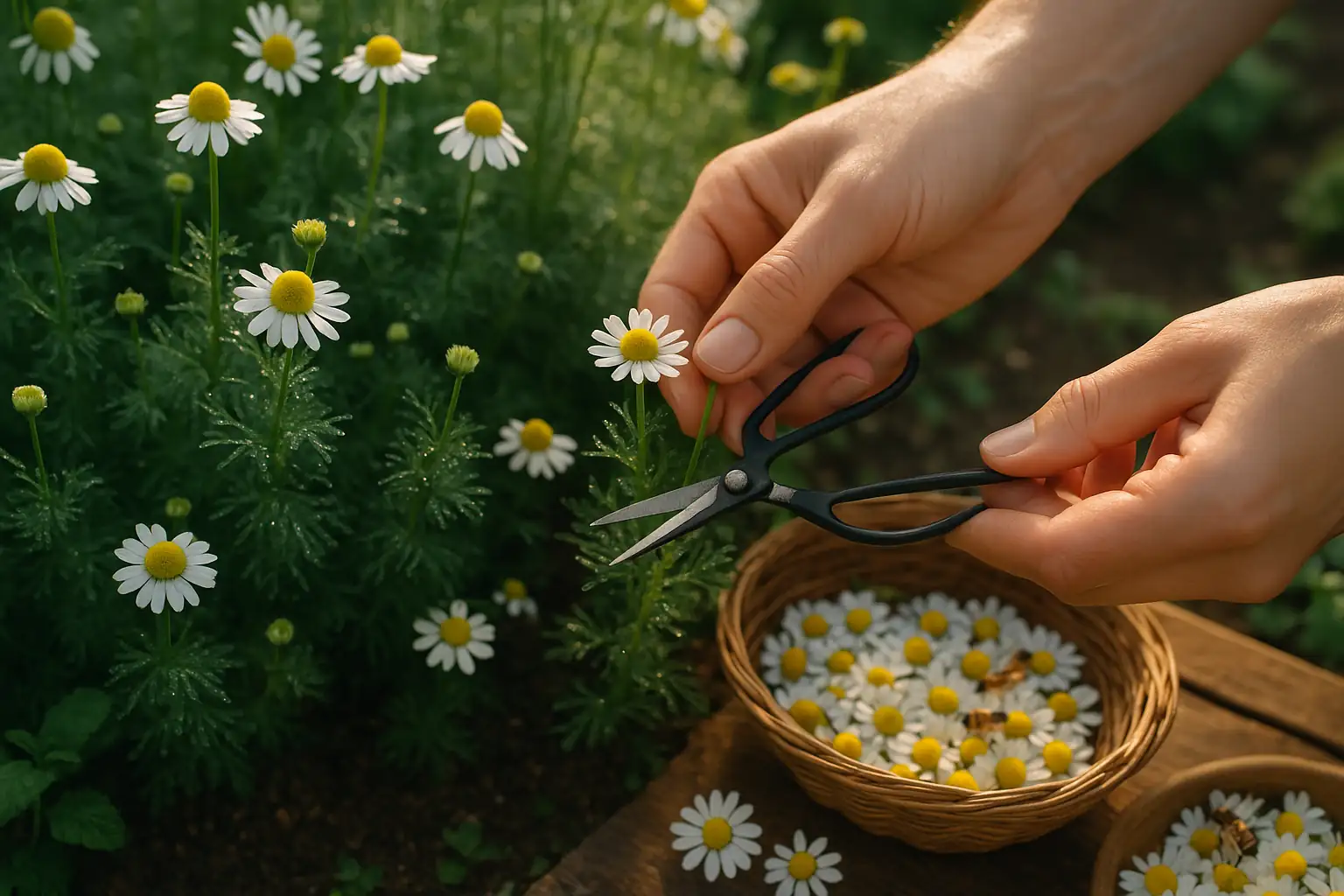
- Pick flower heads when fully open and fragrant. Morning harvest after dew dries is ideal.
- Frequent picking encourages more blooms.
- Drying:
- Spread in a single layer on screens or paper in a warm, airy, shaded spot until crisp.
- Store in airtight jars away from light for maximum aroma.
Troubleshooting: quick fixes for cozy spaces
- Floppy, stretched plants:
- Increase light, trim back to 10 cm (4 in), feed less, improve airflow.
- Yellowing or rot at base:
- You’re overwatering or the mix is too tight. Repot into gritty soil; water only when topsoil dries.
- Powdery mildew or leaf spot:
- Improve airflow, avoid overhead watering, thin crowded stems. Remove affected leaves promptly.
- Few flowers:
- More sun, leaner soil, lighter feeding, regular deadheading.
Pests and easy prevention
Chamomile is usually trouble‑light, but indoors you may see:
- Aphids, thrips, or leafminers
Prevention and control:
- Quarantine new plants for 2 weeks.
- Rinse foliage with a strong, gentle spray in the sink or shower.
- Use yellow sticky cards to monitor pests (especially thrips).
- At first sign of trouble, apply insecticidal soap or neem oil, repeating per label.
- Keep leaves and soil from staying wet for long; increase airflow to deter disease.
Calendar snapshot
- Spring (Mar–May): Sow, plant out, and pinch for bushiness. First flowers begin.
- Summer (Jun–Aug): Peak bloom; deadhead and shear lightly after a big flush. Provide a touch of afternoon shade in extreme heat.
- Fall (Sep–Nov): Great sowing window in mild climates; harvest and dry late blooms; collect seed.
- Winter (Dec–Feb): Roman chamomile rests; protect from harsh winds. German chamomile generally finishes as an annual.
Safety notes
- Generally considered non‑toxic, but it can trigger allergic reactions—especially if you’re sensitive to daisies/ragweed (Asteraceae).
- Possible contact dermatitis in sensitive individuals.
- Use extra caution with concentrated extracts/essential oils, during pregnancy, for very young infants, and if taking anticoagulant medications.
A little history, a lot of charm
Chamomile has been beloved since antiquity—Ancient Egyptians linked it with the sun, Greeks and Romans praised it for calm and comfort, and medieval Europeans scattered it on floors so fragrance released with every step. That old saying that chamomile “spreads best when trodden” suits Roman chamomile’s groundcover habit perfectly.
Flower language and symbolism (where feelings meet folklore)
“Flower language” or floriography bloomed in the Victorian era and has been reshaped by modern herbals and garden culture. Chamomile’s meaning—comfort, gentle healing, and resilience—tracks with real‑world traits:
- Comfort: its sweet, apple‑like perfume and tradition in soothing teas.
- Resilience: it stays cheerful in lean soils and forgiving conditions, often blooming again after a good trim.
It’s less a rigid code than a poetic shorthand that echoes centuries of everyday experience with the plant.
Quick start: your compact chamomile kit
- Light: sunniest window or a full‑spectrum LED 12–14 hours/day
- Pot: 15 cm (6 in) deep, fast drainage, gritty mix
- Water: let topsoil dry slightly; never soggy
- Air: gentle fan or open window for a few minutes daily
- Care: pinch early, deadhead often; monthly light feed
- Pick: harvest fully open blooms; dry in airy shade
Grow it lean, light, and breezy—and your chamomile will reward you with tidy mounds of feathery foliage, a steady sparkle of white‑and‑gold daisies, and that cozy “ground‑apple” scent that turns kitchens and balconies into little pockets of calm.


