

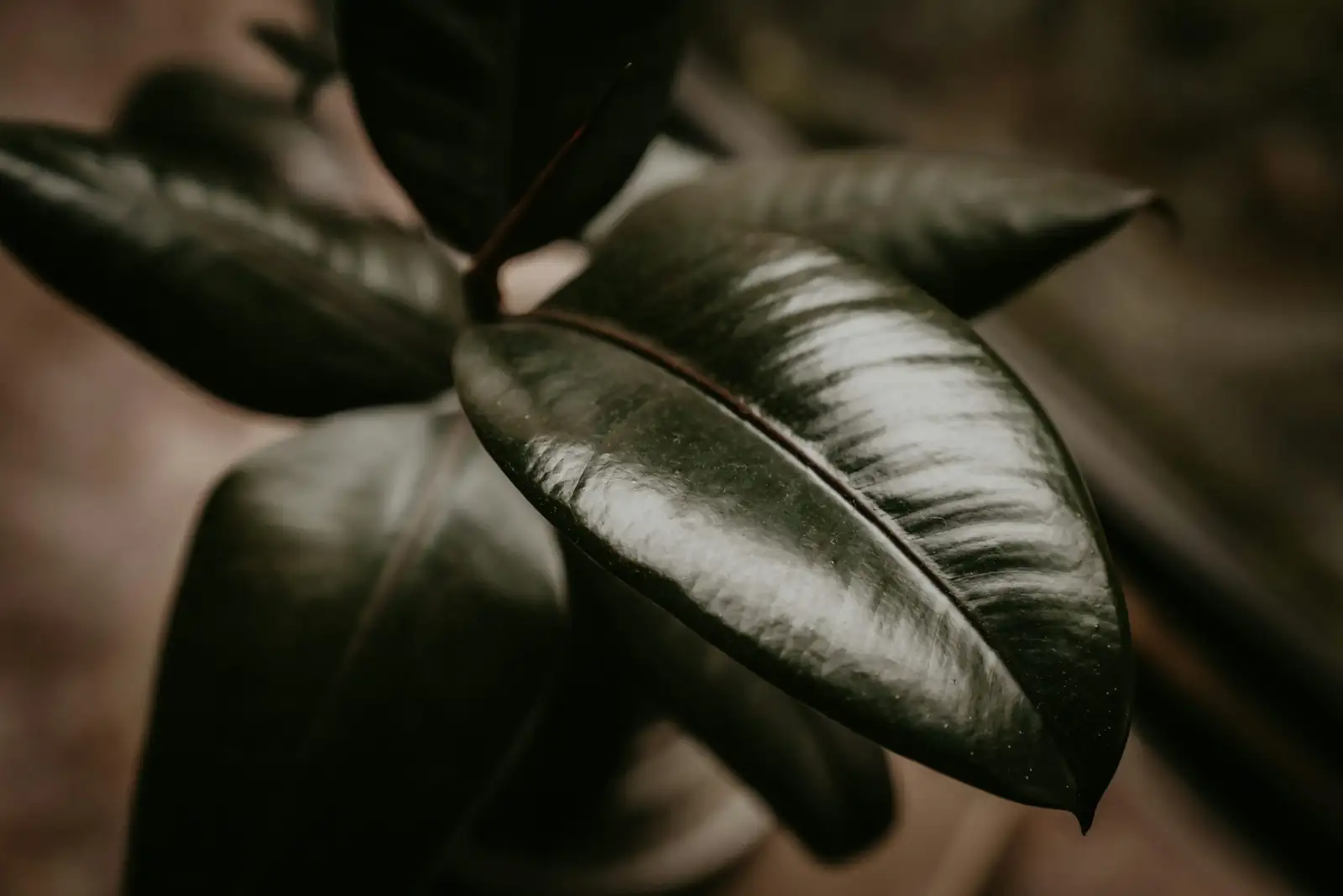
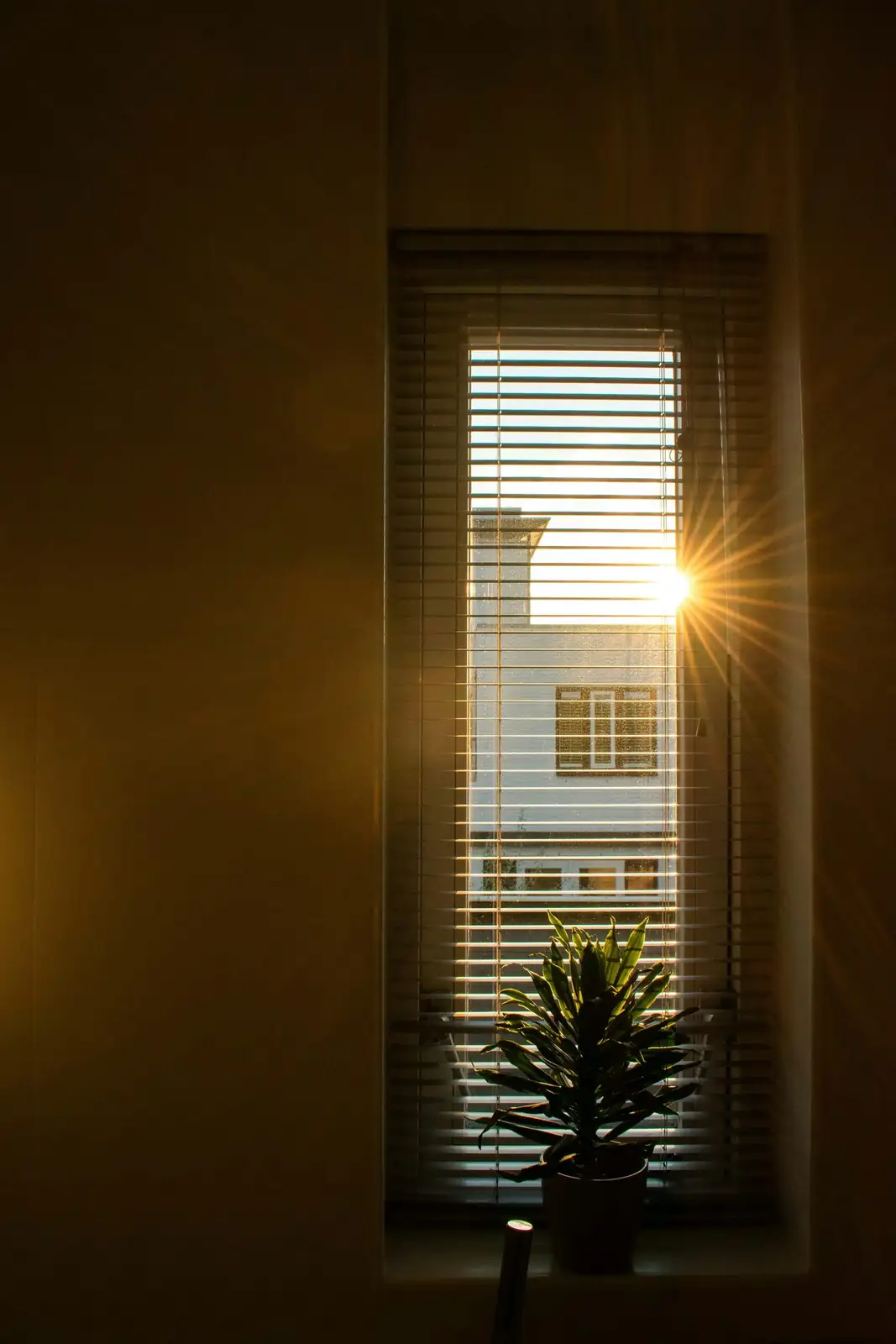
If your Iron Cross Begonia (Begonia masoniana) has gone from show-stopping to so-so—leaves paling, the dark “cross” turning wishy-washy—you’re not alone. This rhizomatous begonia is famously dramatic about three things: light, watering, and warmth. Dial those in, and those heart-shaped, rough-as-sandpaper leaves spring back with bold contrast.
Below you’ll find a clear, do-this-now troubleshooting guide: how to set perfect light intensity, exactly how far to place it from windows, and a foolproof watering rhythm you can trust year-round.
First, decode the fade: why leaves go pale
- Not enough light: Colors dull, the cross mark fades, and stems may stretch.
- Too much harsh sun: Markings “bleach” and leaf tissue can scorch or look tired and washed out.
- Overwatered roots: Constantly wet mix suffocates roots; foliage looks flat, pale, or limp.
- Cold drafts or chills: Below about 13°C (55°F) can stall color and encourage rot.
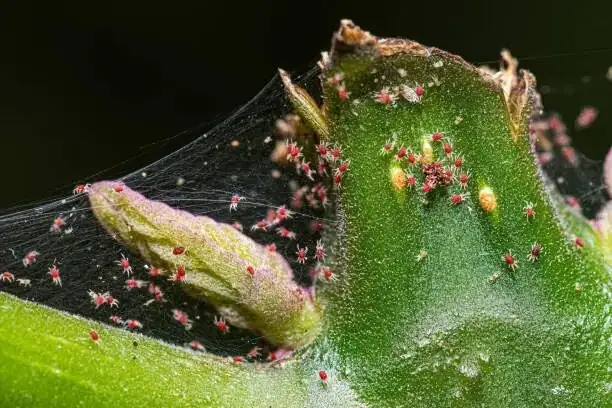
- Pest stippling: Spider mites and thrips can create a speckled, faded look.
- Natural aging: Old leaves lose punch; evaluate new growth for true color.
Tip: Always read the newest two to three leaves. If fresh growth has strong contrast, you’re on the right track.
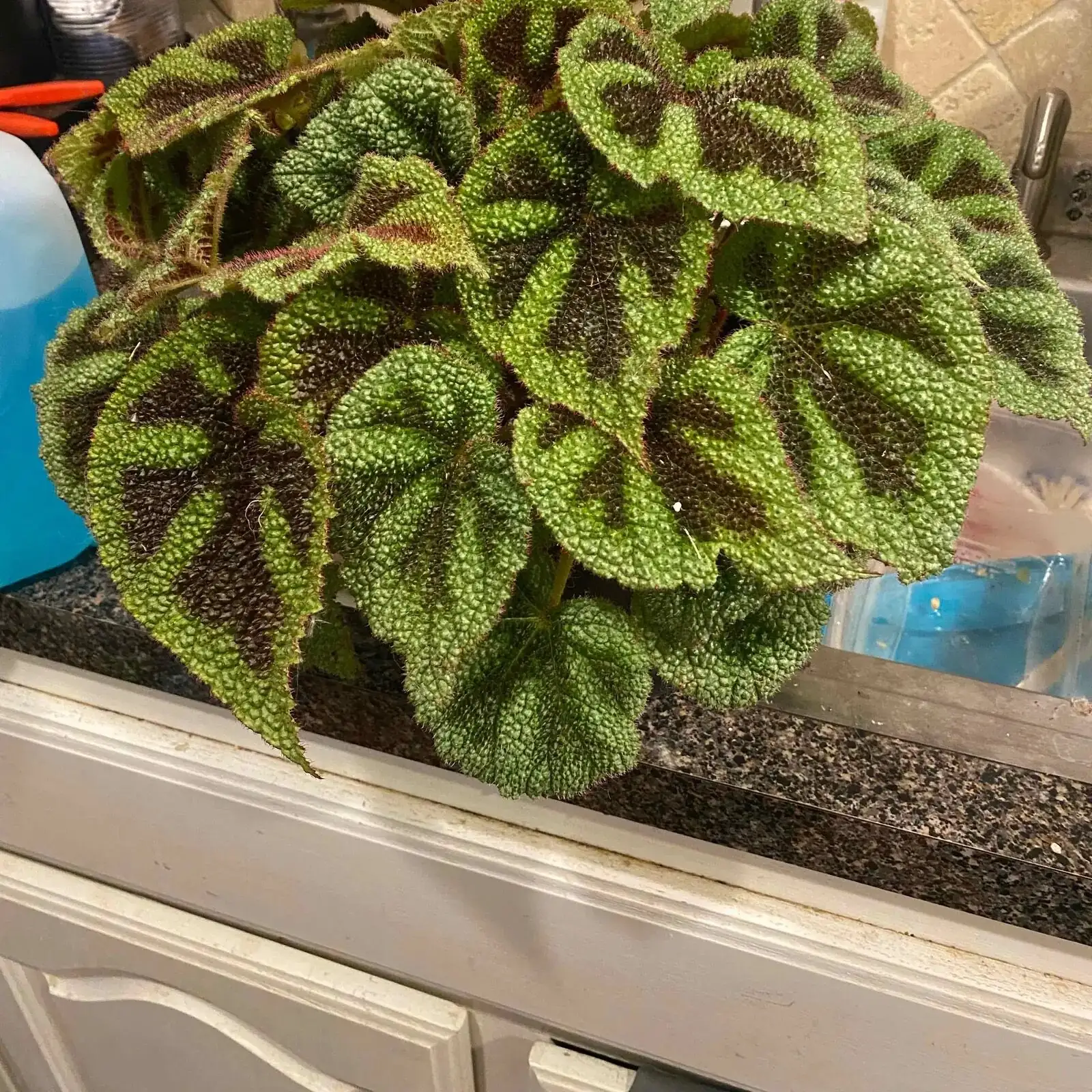
Get the light right (this is the big fix)
Iron Cross Begonia wants bright, indirect light—enough to power deep green and wine-brown markings, without the midday sting that bleaches or crisps.
Target light intensity (easy, no-meter and with-meter)
- Shadow test: Hold your hand 20–30 cm above the plant at midday. A soft but defined shadow = ideal. Fuzzy/no shadow = too dim; crisp razor edges = likely too intense.
- With a lux app: Aim roughly 1,000–4,000 lux for most of the day. Brief morning sun is usually fine; avoid strong midday beams that spike beyond ~6,000–8,000 lux for long stretches.
Window-by-window placement (actionable distances)
- East window: 0–60 cm (0–2 ft) from the glass. Morning sun is gentle and boosts color.
- North window: Right on the sill to 30 cm (0–1 ft). This is the dimmest exposure; move closer to the glass to keep markings bold.
- South or West window: 1–2 m (3–6 ft) back, or behind a sheer curtain. Direct midday/afternoon sun can fade and scorch.
- Grow light option: A full-spectrum LED 25–35 cm (10–14 in) above the leaves for 12–14 hours can substitute for a dim window. Keep airflow gentle to prevent mildew.
Light changes should be gradual—shift the plant closer a bit every few days so leaves acclimate without stress.
The foolproof watering rhythm
Think “evenly moist, never soggy.” The rhizome hates wet feet but also dislikes bone-dry droughts.
Your 3-step rhythm (set it once, then trust it)
- Calibrate the dry-down
- Water thoroughly (see step 2), note the date.
- Check daily with your finger: when the top 2–3 cm (about 1 in) feels dry, note how many days passed. That number is your current interval.
- Water the right way, every time
- Water early in the day, soil-only (keep leaves dry).
- Add water until it runs from the drain holes; discard saucer water after a few minutes. Never let the pot sit in water.
- Adjust by season and conditions
- Brighter/warmer = faster dry-down (often every 5–7 days in spring–summer).
- Cooler/darker = slower (often every 7–14+ days in winter). Always defer to the dry-top test over the calendar.
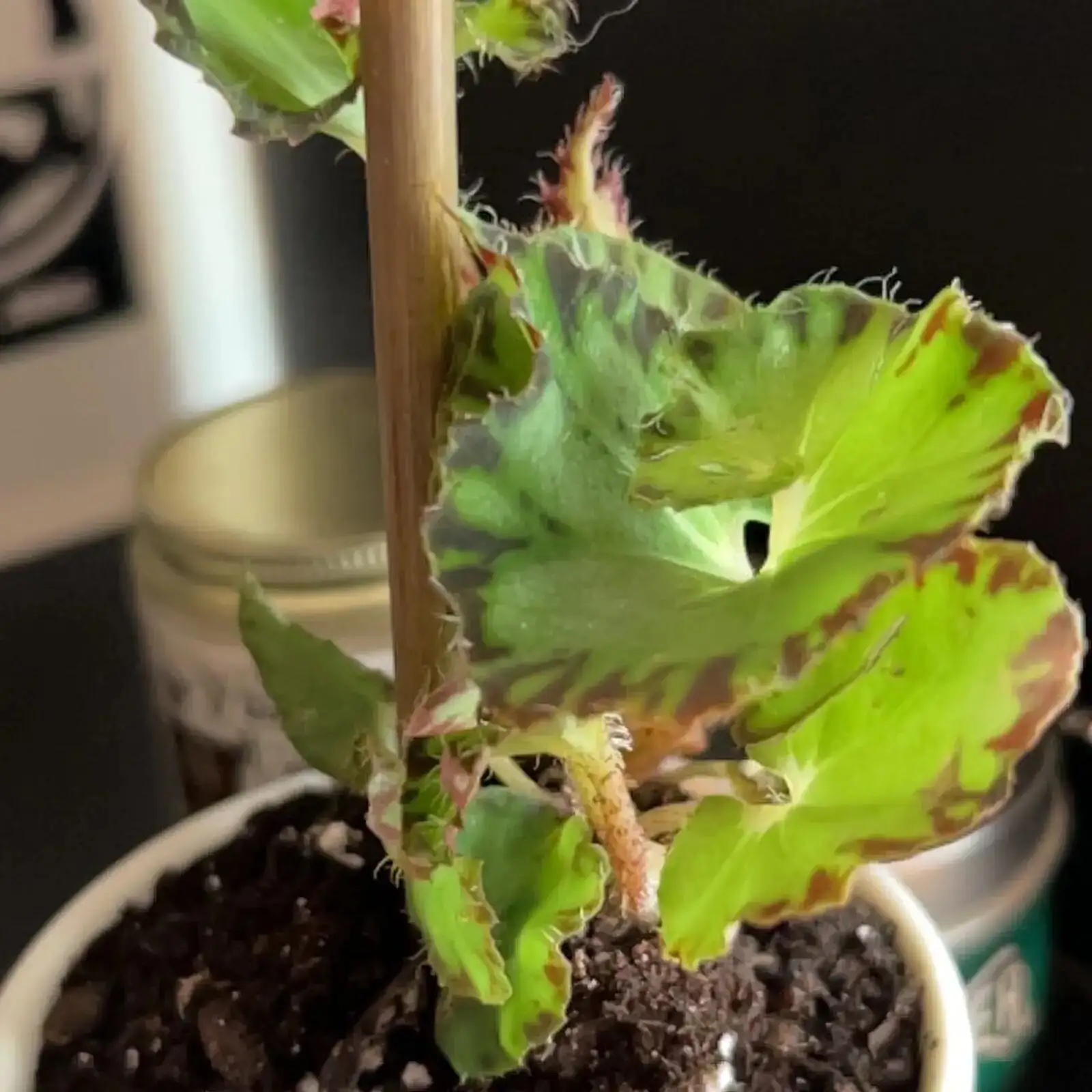
Extra reliability boosters:
- Potting mix: Use a loose, airy, fast-draining blend—think peat/coco base + perlite + a pinch of fine bark. This keeps the rhizome safe from rot.
- Pot shape: A shallow, wider pot suits its spreading rhizomes and helps the mix dry evenly.
- Weight cue: Lift the pot when freshly watered and when due again—your hands will quickly learn “heavy vs. light.”
Quick recovery plan for washed-out markings
- Day 1: Improve light, don’t blast. Move closer to an east or north window, or set back from a south/west window behind a sheer. Aim for that soft, defined hand shadow.
- Day 1: Pest check. Inspect leaf tops/undersides and stems for mites, thrips, or mealybugs. Treat with insecticidal soap or horticultural oil; ensure gentle airflow.
- Next watering: Stay with the dry-top rule. Thorough soak and full drain. If you’ve been overwatering, let the top dry slightly longer than usual, then resume your new rhythm.
- Feeding nudge (growing season): Use a balanced fertilizer at 1/4–1/2 strength every 2–4 weeks. Don’t overdo it—too-strong feed can stress foliage.
- Environment tune-up: Keep 18–27°C (64–81°F) and humidity around 50–70% with ventilation. A bright bathroom can be perfect if there’s good airflow.
Expect new leaves to show improved contrast within a few weeks. Old pale leaves won’t “re-ink,” so judge success by fresh growth.
Placement recipes you can copy
- Low-maintenance color keeper: Bright east window, 30 cm (1 ft) back; sheer curtain optional. Water when the top 2–3 cm dries.
- South/west workaround: 1.5 m (5 ft) back plus a sheer. Rotate the pot a quarter turn every week for even color.
- Shade-leaning room: Right on a north sill or add an LED grow light overhead. Keep the air moving gently.
Pro tips that lock in bold color
- Humidity with airflow: 50–70% keeps edges from crisping. Use a humidifier or pebble tray (pot above, not sitting in water). Avoid regularly wet leaves, especially late day.
- Tidy trims: Remove tired or damaged leaves at the base to channel energy into fresh, vividly marked growth.
- Repot rhythm: Every 1–2 years in spring, or when the rhizome crowds the pot. Fresh, airy mix = brighter, crisper foliage.
- Warmth matters: Keep it cozy and away from cold drafts. Below 13°C (55°F) invites trouble.
Fast FAQs for paler leaves
- Are my leaves sun-bleached? If the plant sits in intense midday/afternoon sun (especially west/south), yes—move it back 1–2 m or use a sheer.
- Can low light do this too? Absolutely. Colors fade and stems stretch. Move closer to an east/north window or add a grow light.
- Should I mist it? Light, occasional misting is okay, but consistent leaf-wetness invites spotting or mildew. Humidifier > misting for this one.
- Is it safe for pets? Keep out of reach. It’s toxic to cats and dogs if chewed (insoluble calcium oxalates can irritate the mouth).
A note on names, origins, and symbolism
- Names: Commonly sold as Iron Cross Begonia (also seen as Mason’s Begonia or Brazilian Begonia). Despite that nickname, it hails from southern China to Vietnam and is now widely grown worldwide for its unforgettable foliage.
- Symbolism: In modern houseplant culture, it’s linked with individuality and the appreciation of unique beauty—fitting for a plant stamped with a one-of-a-kind cross and a rugged, tactile leaf surface.
With just-right light, the correct distance from the window, and a steady watering rhythm, Begonia masoniana will bring back that high-contrast, iron-cross bravado—no drama required.