

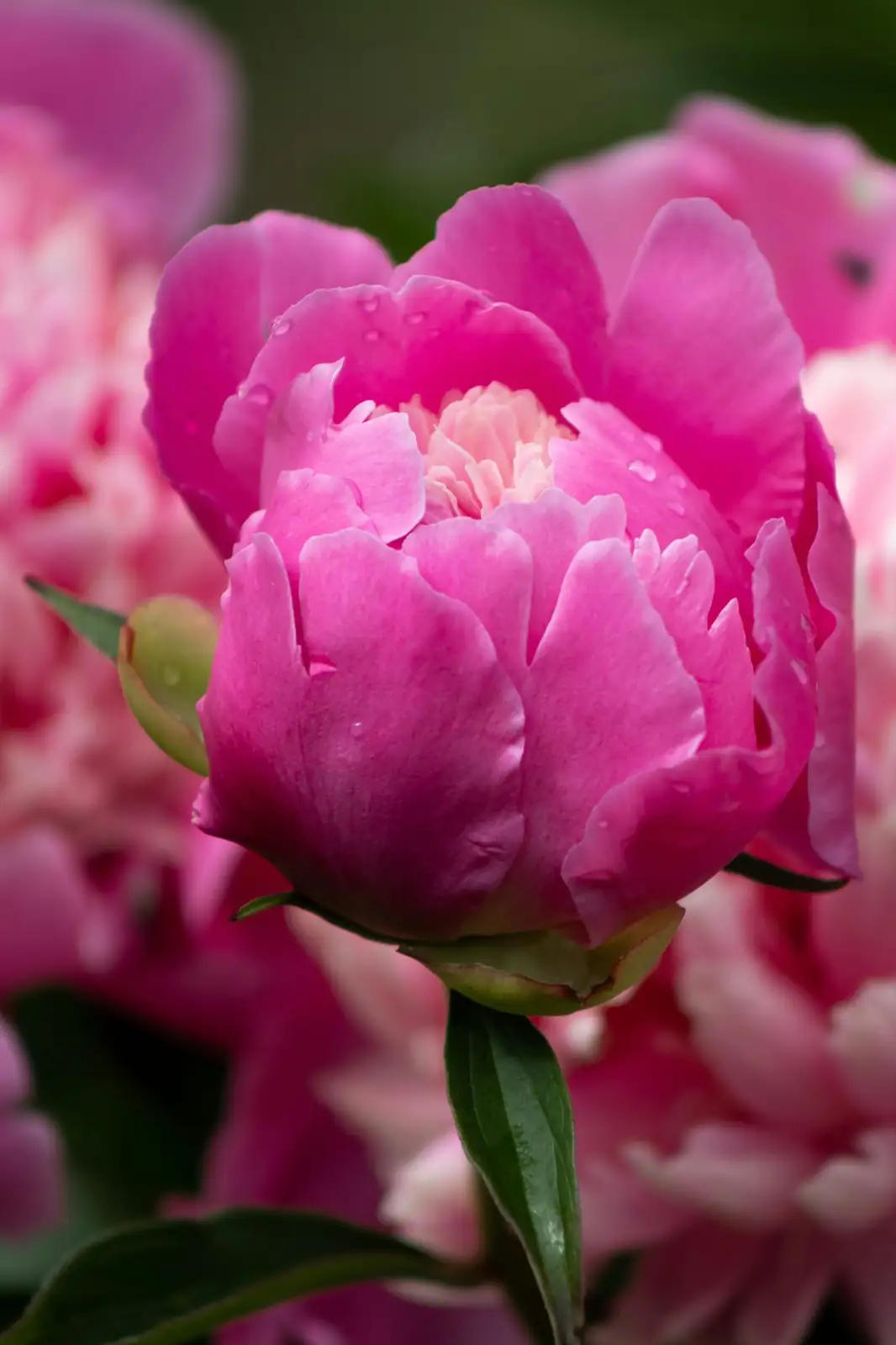
Few plants promise more than Chinese peony (Paeonia lactiflora)—big, rose-like blooms, perfume on cool mornings, and a clump that can outlast gardeners if you treat it right. When flowers fizzle, though, the fix is usually straightforward. Use this crisp, field-tested troubleshooting list to get your peony back to peak performance.
Troubleshooting your Paeonia lactiflora: 8 common bloom-busters and how to fix them
1) Planted too deep
- What goes wrong
- Peonies are particular about planting depth: bury the buds (“eyes”) too deep and flowering stalls, sometimes for years.
- What to check
- Gently scrape back soil at the crown in dormant season. If the eyes sit well below the soil line, you’ve found your culprit.
- The fix
- Replant only while dormant (mid‑autumn to winter). Set the eyes level with the soil surface or just barely below it; in very cold regions, add a light winter mulch rather than burying deeper. Ensure the site is fertile, deep, and free-draining.
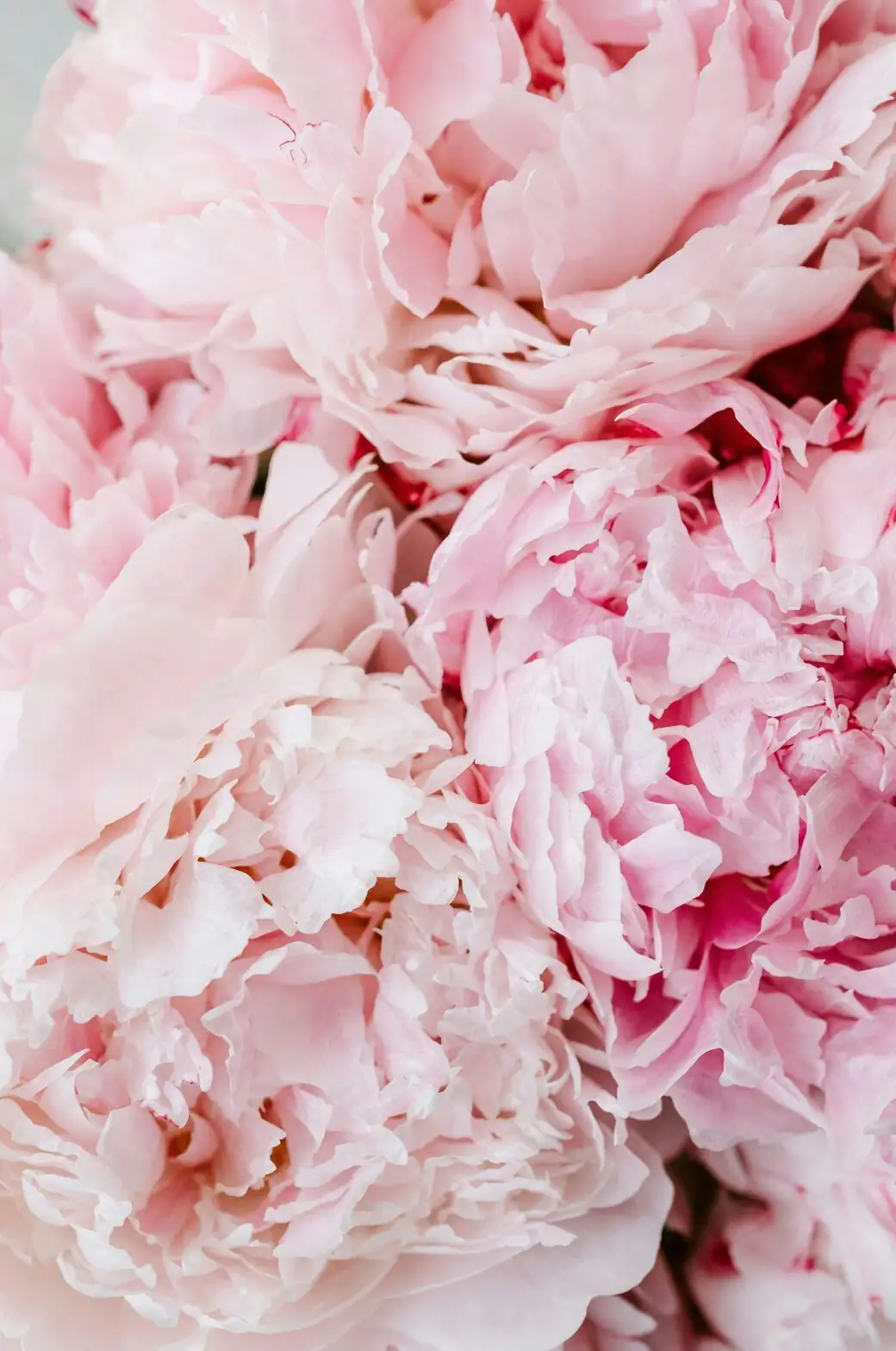
2) Low sun
- What goes wrong
- Less than about six hours of direct sun leads to lanky stems and meager or aborted buds—especially once nearby trees leaf out.
- What to check
- Track sun patterns through late spring. Shade that arrives after buds form can still halt bloom.
- The fix
- Choose full sun for strongest stems and maximum flowers. In hot-summer climates, morning sun with light afternoon shade prevents heat stress without sacrificing bloom. If moving the plant, wait for dormancy.
3) Nutrient imbalance (too much or too little)
- What goes wrong
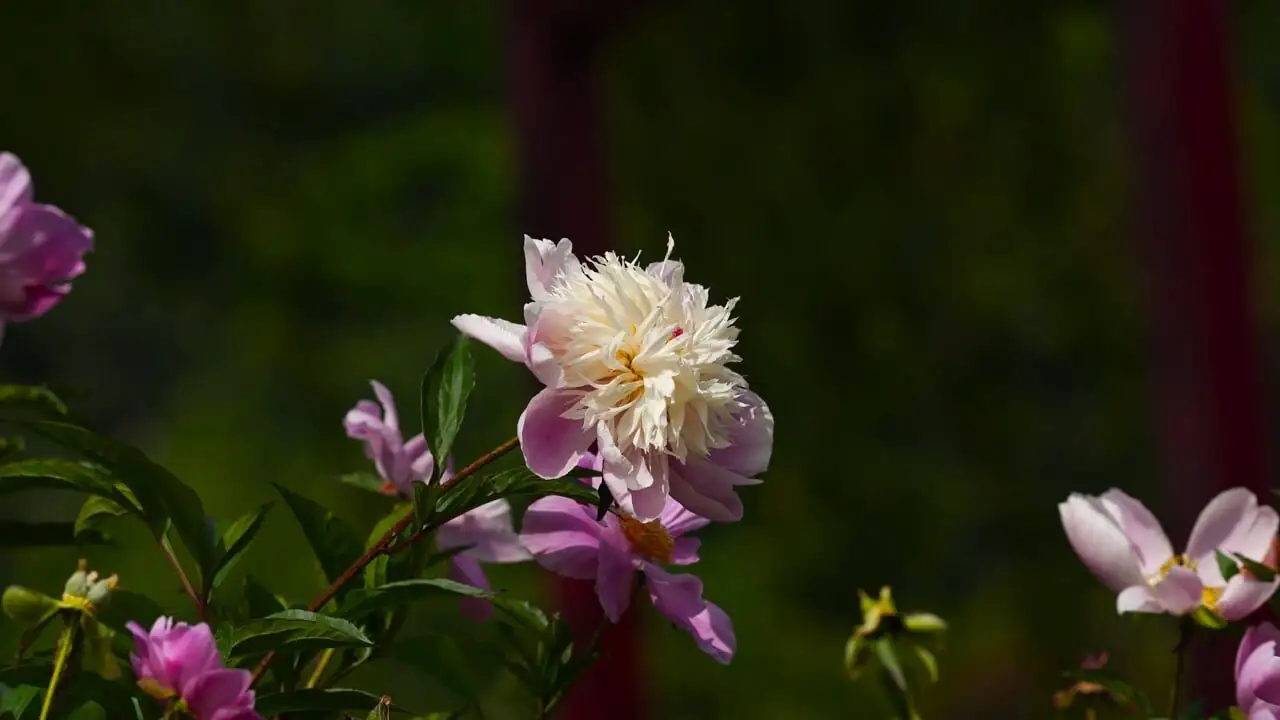
- Overfeeding—especially stray lawn fertilizer high in nitrogen—pushes leaves at the expense of flowers. Underfeeding starves bud development.
- What to check
- Foliage that’s lush but bloomless hints at excess nitrogen; pale, weak growth suggests deficiency. A basic soil test is invaluable.
- The fix
- Side-dress with compost and feed 2–3 times during the growing season with well‑rotted organic fertilizer or a gentle liquid feed. Around bud formation, pivot to a bloom‑leaning formula higher in phosphorus and potassium. Keep any amendments off the crown, and avoid smothering it under thick compost. If soil trends strongly alkaline or saline, improve with organic matter and drainage rather than piling on fertilizer.
4) Recent disturbance (planting, moving, dividing)
- What goes wrong
- Peonies dislike upheaval when they’re actively growing; spring-time moves or rough divisions can pause flowering a season or two.
- What to check
- Did you plant, repot, or divide in spring? Were divisions small or missing plump buds?
- The fix
- Do all planting/division in autumn through winter. Each division should carry about 3–5 healthy eyes and stout, undamaged storage roots. Replant promptly, water in, and then leave it alone—peonies reward patience.
5) Drought stress—especially at bud stage
- What goes wrong
- Dry spells during spring and early summer cause “bud blast” (buds crisp and fail) or undersized flowers.
- What to check
- Soil that swings from parched to flooded; surface crusting; wilting by midday.
- The fix
- Aim for “evenly moist, never soggy.” Water deeply at the base, then let the top inch dry slightly before the next watering. Mulch lightly to steady moisture and keep roots cool, but never pack mulch against the crown. Ensure excess water drains away quickly after rain.
6) Heat waves and hot summers
- What goes wrong
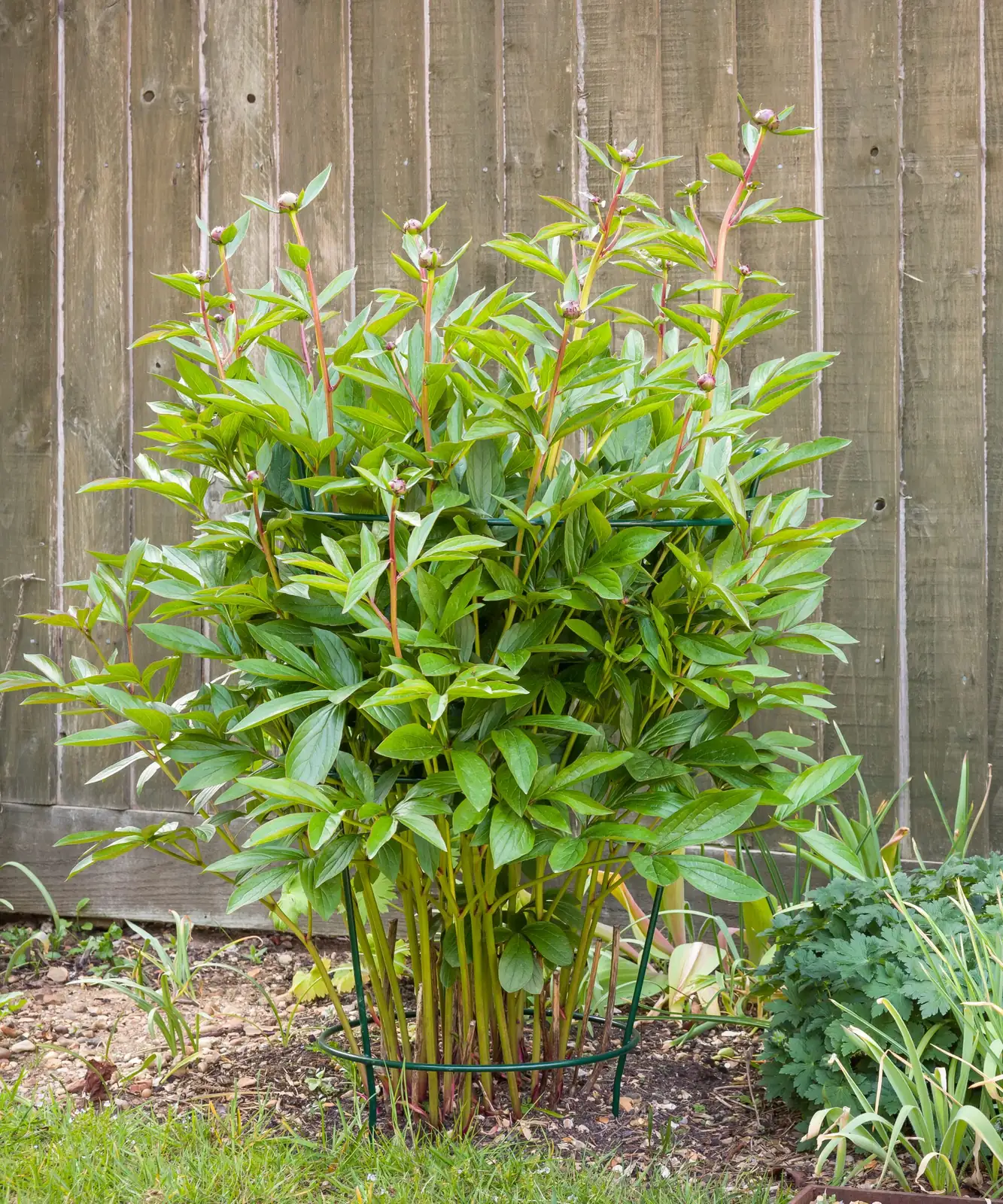
- Prolonged high heat saps vigor and can dull color, scorch edges, or abort buds. Peonies perform best with cool to moderate summers.
- What to check
- Afternoon scorch, repeated midday wilt, or blooms that shatter quickly in heat spikes.
- The fix
- In hot regions, site for morning sun and airy, light afternoon shade. Water early in the day, keep mulch modest to cool soil, and add temporary shade during extreme heat. Container-grown plants may benefit from a lighter-colored pot and a cooler exposure.
7) Crowding and competition
- What goes wrong
- Packed clumps and encroaching shrubs steal light, nutrients, and airflow—inviting leaf spots and weakening bloom.
- What to check
- Stems leaning for light, reduced flower count, and foliage that stays damp inside the clump.
- The fix
- Space peonies 60–90 cm apart for airflow. Keep them away from the greedy root zones of large trees. If a clump is clearly congested, divide during dormancy and reset healthy pieces with proper spacing and planting depth.
8) Post‑bloom care mistakes
- What goes wrong
- Cutting foliage too early starves the roots and reduces next year’s buds. Leaving spent blooms and old stems can harbor disease.
- What to check
- Were stems cut back in midsummer? Is last year’s debris still at the crown?
- The fix
- Deadhead promptly after flowering (unless you’re saving seed) to redirect energy belowground. Keep healthy foliage intact through autumn; only when it yellows, cut stems to ground level and clear debris. When harvesting for the vase, leave several sets of leaves on each stem to keep the plant’s “solar panels” working.
Rapid diagnostics at a glance
- Lots of leaves, few flowers: too much nitrogen, not enough sun, or planted too deep.
- Buds form but dry up: drought during bud swell, sudden shade, or heat stress.
- Stems flop and look thin: low sun or crowding; sometimes overfertilized, soft growth.
- Plant sulks after a move: recent disturbance during active growth—give it a full year.
A smart, low-fuss seasonal routine
- Late winter to early spring: Clear old debris. Ensure eyes are at or just below the surface. Full sun exposure set; no standing water.
- Spring to early summer (bud and bloom): Keep moisture steady; water at the base. Feed lightly, shifting to a bloom‑supportive formula. Provide light afternoon shade only in hot climates.
- Summer after bloom: Continue moderate moisture so the crown rebuilds reserves. Don’t shear foliage.
- Autumn: Deadhead if you haven’t. Once foliage yellows, cut to ground level and remove debris. If you must divide, this is the window.
- Winter (dormant): Water sparingly. In very cold areas, lightly mulch over the crown to buffer freeze‑thaw; remove the mulch as growth resumes.
Pro tips that prevent 90% of problems
- Drainage first: Peonies hate waterlogging—improve heavy soils with compost and coarse grit; raised beds help.
- Air matters: Site with good airflow to reduce leaf spot and crown issues; avoid tight corners with stale, muggy air.
- Hands off in spring: Resist the urge to lift, divide, or replant once shoots are rising.
Bonus checks (if you’re still stumped)
- Youth: New or small plants often need up to three years to produce abundant blooms.
- Chill: Peonies thrive with winter cold. In mild-winter areas, seek cultivars known to flower with limited chill and be extra strict about sun and drainage.
- Disease: Leaf spots and basal rots can follow persistently wet, stagnant conditions. Improve airflow, water at the base, and remove infected debris promptly. Look for telltale white mycelium at the base if southern blight is suspected.
A quick note for cut-flower lovers
- Harvest at the “marshmallow bud” stage—buds soft with color showing—and you’ll get top-tier vase life. Always leave enough foliage on the plant to recharge the roots.
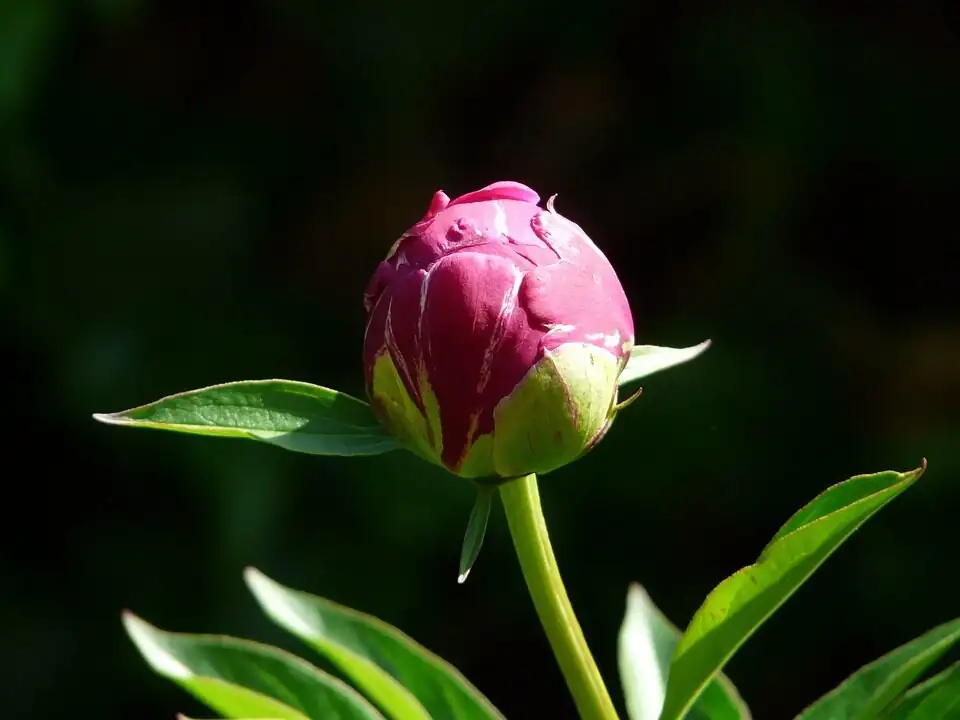
Chinese peony in brief
- Identity: Paeonia lactiflora (Chinese peony), family Paeoniaceae; an herbaceous perennial that dies back in winter and returns from its crown and fleshy storage roots.
- Size and season: About 60–100 cm tall, flowering from late spring into early/mid‑summer depending on cultivar and climate.
- Best setting: Fertile, deep, well‑drained loam; full sun; cool to moderate summers; evenly moist soil without sogginess.
Flower language, thoughtfully decoded
Peonies have long symbolized romance, affection, honor, prosperity, and a happy marriage—associations rooted in East Asian art, literature, and festival culture where sumptuous blooms signaled dignity and good fortune. The “language” here isn’t a rigid code but a cultural current: a peony in full bloom evokes completeness and generosity; a tightly packed, fragrant double suggests luxury and devotion. Knowing the origins makes the symbolism richer without turning it into a rulebook—give peonies when you want to celebrate love and abundance, and let their history do the whispering.
With the crown at the right depth, sunshine on the leaves, and a cool, well‑drained root run, Paeonia lactiflora will repay you for decades—often improving each year if you simply let it be.