

Think of a tiny, living firework that sits on your windowsill, changes color when the light turns up, and quietly grows a ring of mini-me’s after it blooms. Meet Earth Star (Cryptanthus bivittatus), a pint-sized bromeliad with big personality and a handful of delightful quirks that make plant lovers grin.
Meet the Earth Star (Cryptanthus bivittatus)
- Family: Bromeliaceae (the pineapple family)
- Origin: Eastern Brazil’s Atlantic Forest region, where it grows on the ground in warm, humid habitats
- Look: Wavy, lightly toothed leaves arranged in a flat, starry rosette; colors range from green to pink, red, orange, and purple, often striped
- Size: Usually about 15 × 15 cm (6 × 6 in) per rosette—compact and low-growing
- Flowers: Small, white, tucked into the center; grown mostly for foliage
- Vibe: Perfect for bright windowsills, dish gardens, and warm terrariums with ventilation
Quirk #1: A bromeliad without a bathtub
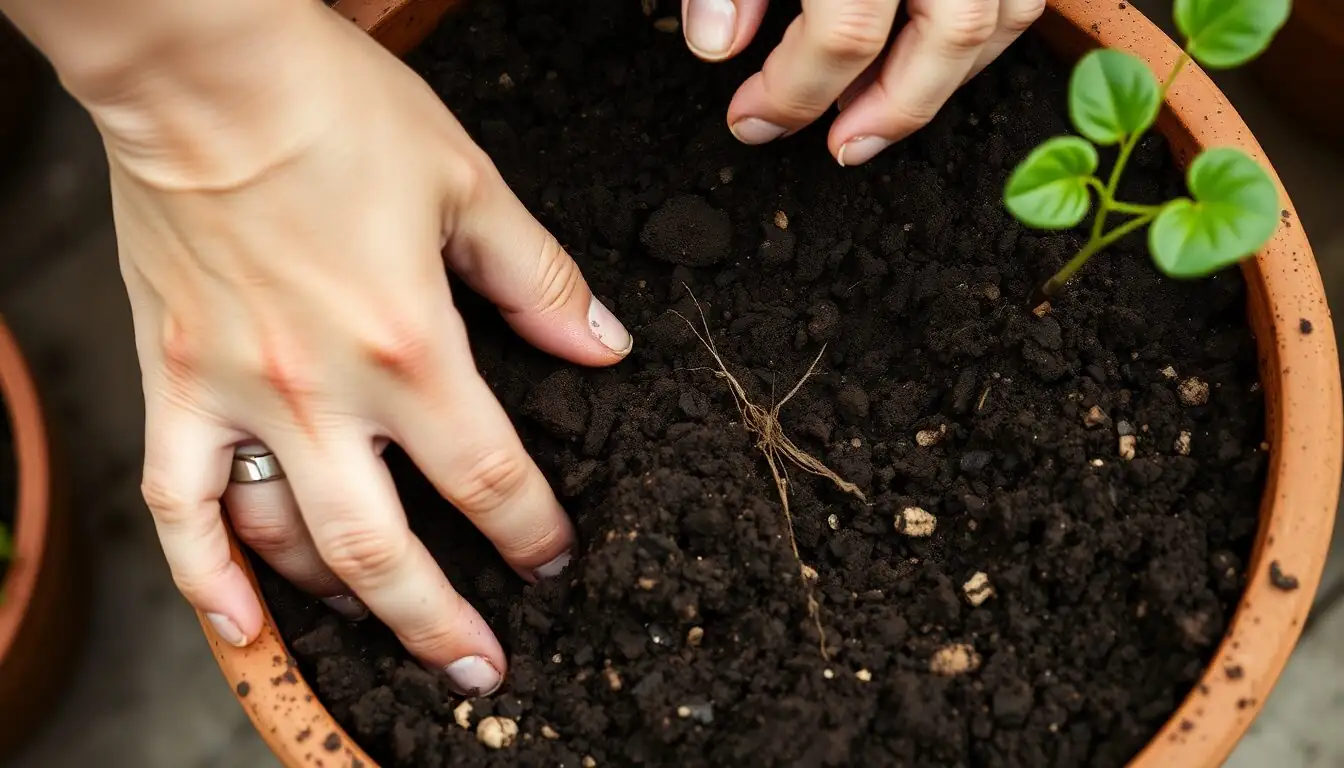
Many bromeliads hold water in a central “tank.” Earth Star doesn’t rely on that. Instead, it prefers water at the roots in a very airy, free-draining mix.
- What it wants: A bromeliad-style potting blend such as equal parts orchid bark, perlite, and coco coir (or a 1:1 mix of orchid mix and all-purpose potting mix).
- What to avoid: A soggy crown or heavy, wet soil. Always let excess water drain freely. Keep the crown from sitting in water to reduce rot risk.
Quirk #2: The color-shift superpower
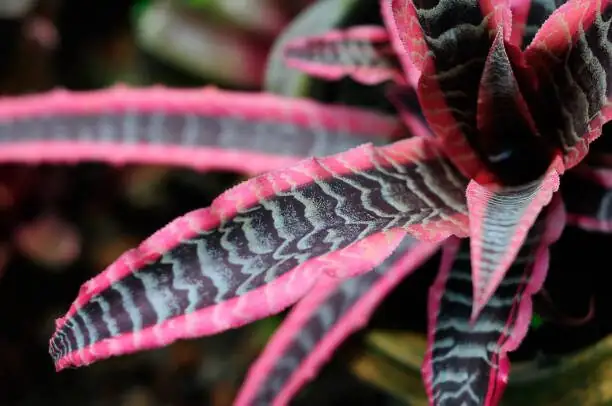
Earth Star is a light-reactive chameleon. Brighter light typically brings richer, showier reds and pinks; lower light turns foliage greener.
- Sweet spot: Bright light with some direct sun if acclimated. Indoors, a sunny windowsill is ideal.
- Pro tip: Morning or late-afternoon sun is gentler; strong midday summer sun can bleach or overheat leaves.
- Terrarium note: It can glow in a ventilated terrarium, but still craves brightness and airflow.
Quirk #3: The bloom-and-baby routine
The flowers are tiny and low in the rosette, but the real show begins afterward: the plant often redirects energy to make offsets (pups).
- What happens: After flowering (often spring–summer indoors), the mother rosette may slow down and start producing pups around her base.
- When to separate: Wait until a pup is about 1/3–1/2 the size of the mother and has roots.
- How to pot pups:
1) Gently twist or cut the pup free.
2) Tuck it into a small pot with an airy mix.
3) Keep just evenly moist (not soggy) as it settles in.
Quirk #4: Pocket-size planets
Earth Stars stay small and flat, like little galaxies of color on your shelf.
- Where they shine: Windowsills, small rooms, and mixed dish gardens where texture and contrast matter.
- Terrarium tip: They thrive in warm, ventilated terrariums; avoid stagnant, closed setups.
Quirk #5: A pet-friendly star
These are generally considered non-toxic to people and pets—great news for multi-species households.
- A small caveat: The sap can mildly irritate sensitive skin, and chewing any plant can cause stomach upset. Discourage nibbling.
Care in 60 seconds
- Light: Bright light; some direct sun is fine with gradual acclimation.
- Water: Spring–summer, keep the mix evenly moist but never soggy; in winter, water less (just barely moist).
- Best water: Rainwater or distilled water helps prevent mineral spots and keeps leaf color crisp.
- Humidity: Moderate is fine; higher humidity improves leaf quality. Mist with lukewarm rain or distilled water if air is dry.
- Temperature: 16–27°C (61–81°F). Avoid prolonged chills below ~10°C (50°F).
- Soil: Very airy and fast-draining (orchid bark + perlite + coco coir is excellent).
- Feeding: Spring through late summer, a balanced liquid fertilizer at 1/2 strength every 2–3 months. Too much fertilizer can wash out color.
- Hardiness: Not frost-hardy; outdoors only in warm climates (roughly USDA 10–11).
Buying and potting tips
- Pick a winner: Look for a tight, symmetrical rosette with firm leaves. Skip any plant with a mushy base, blackened center, or constantly wet crown.
- Pot size: A 10 cm (4 in) pot is just right for most rosettes.
- Repot rhythm: Every 2–3 years in spring, or sooner if the mix breaks down.
Watering, without the wobble
- Spring–summer: Evenly moist, never waterlogged. Drain thoroughly.
- Winter: Ease up—keep the mix just barely moist.
- Crown care: Don’t let water sit in the center; that’s an open invitation to rot.
- Water quality: Rain or distilled water keeps the foliage looking its brightest.
Light, explained like a color dial
- Want more pinks/reds? Increase brightness gradually, and offer gentle direct sun.
- Seeing bleaching or crispy patches? Too much intense midday sun—back off.
- Leaves stretching or color dulling to green? It needs brighter conditions.
Troubleshooting: read the leaves
- Washed-out color: Light is too low or you’re overfeeding.
- Bleached or shriveled spots: Midday sun scorch or overheating; shift to gentler light.
- Brown tips or spots: Minerals or fluoride in tap water; switch to rain/distilled.
- Mushy center or base: Crown/root rot from trapped water or heavy soil; repot into a freer-draining mix and improve airflow.
- Pests: Mealybugs, scale, or spider mites are the usual suspects—treat with insecticidal soap or horticultural oil and repeat as needed.
Terrarium and display ideas
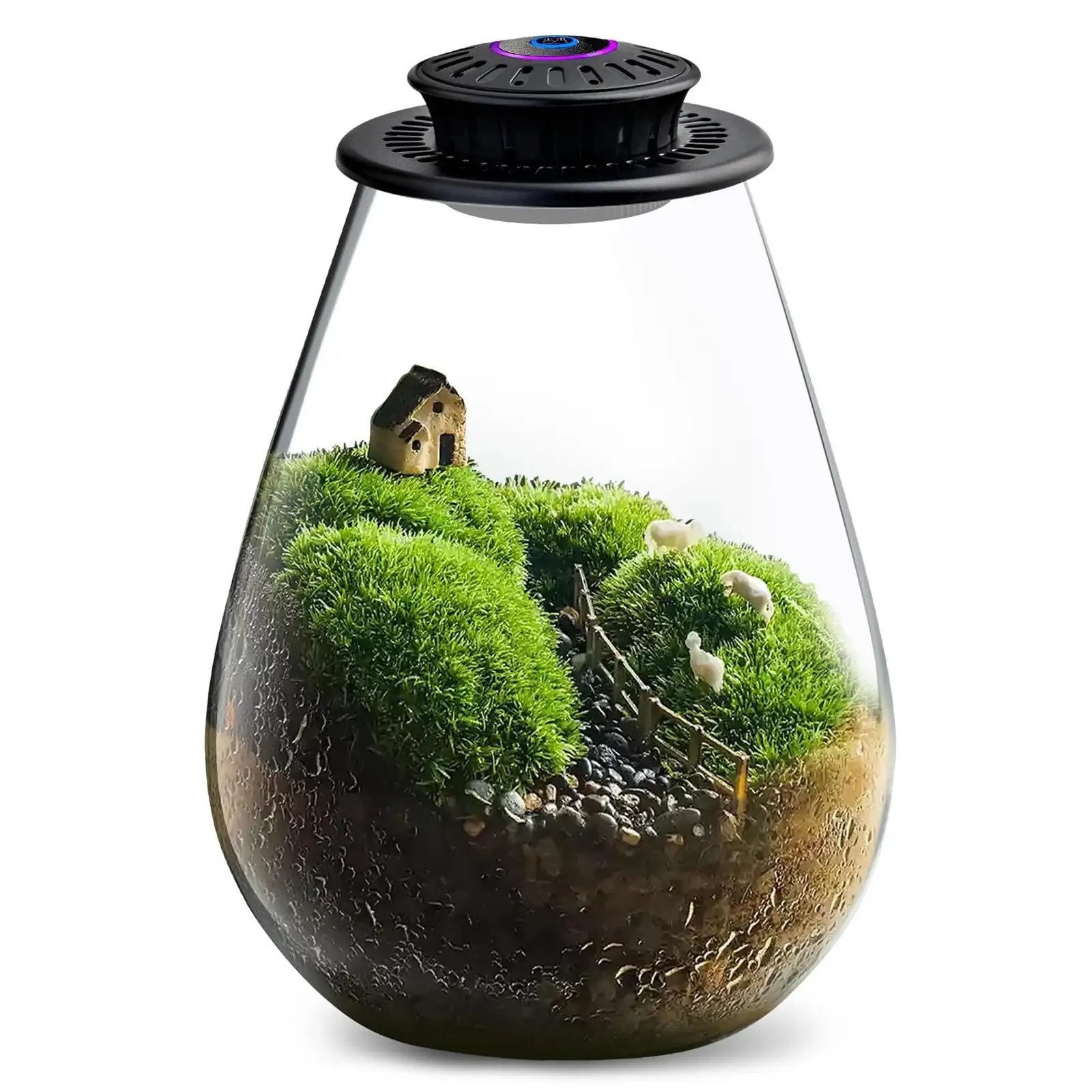
- Ventilated terrariums: Pair an Earth Star with airy companions and chunky substrate layers for drainage.
- Dish gardens: Contrast its rippled, starry leaves with upright succulents or fine-textured ferns (ensure everyone shares similar moisture needs).
- Windowsill stardom: Group different cultivars to create a constellation of stripes and colors.
Symbolism and “flower language”
Earth Star’s flat, radiating rosette and bold coloration give it a reputation for resilience and punchy, starburst energy—an emblem of small-but-mighty confidence. While Victorian “flower language” (floriography) assigned meanings to cut blooms, houseplants like Cryptanthus earn their symbolism more from modern collector culture and everyday observation: a grounded star that adapts to brighter light with even brighter color.
Quick FAQ
- What light does it prefer? Bright light; it can take some direct sun with acclimation. A sunny windowsill is ideal.
- How should I water it? In the growing season, keep the mix evenly moist with rain or distilled water; in winter, water sparingly so it’s just barely moist. Don’t let water pool in the crown.
- How often should I fertilize? Every 2–3 months from spring through late summer at half strength.
- Is it hard to keep alive? Not at all—give it bright light, a fast-draining mix, and never let it stay wet.
Earth Star in a nutshell: no central water tank, a knack for changing outfits under brighter light, a post-bloom pup parade, compact good looks, and a pet-friendly reputation. It’s a tiny terrestrial bromeliad with cosmic charm—and it’s ready to light up your windowsill.