

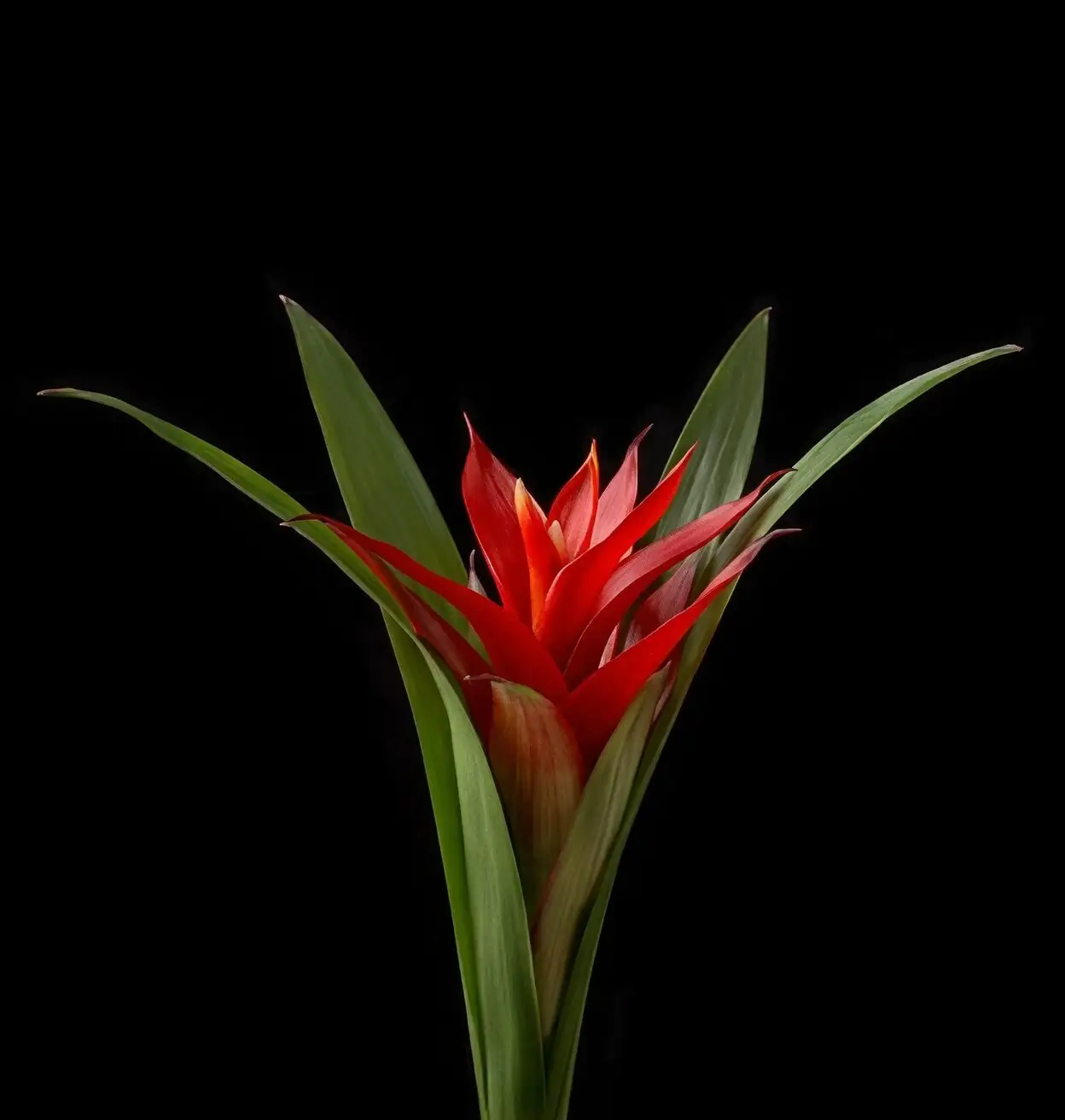
Picture a living torch glowing in the middle of your room—a neon spear that refuses to fade. That’s the magic of ornamental bromeliads like Guzmania, Vriesea, and Aechmea: sculptural rosettes, vivid color for weeks to months, and a wild backstory written with hummingbirds in the treetops.
Meet the “flower” that isn’t: bracts vs. true blooms
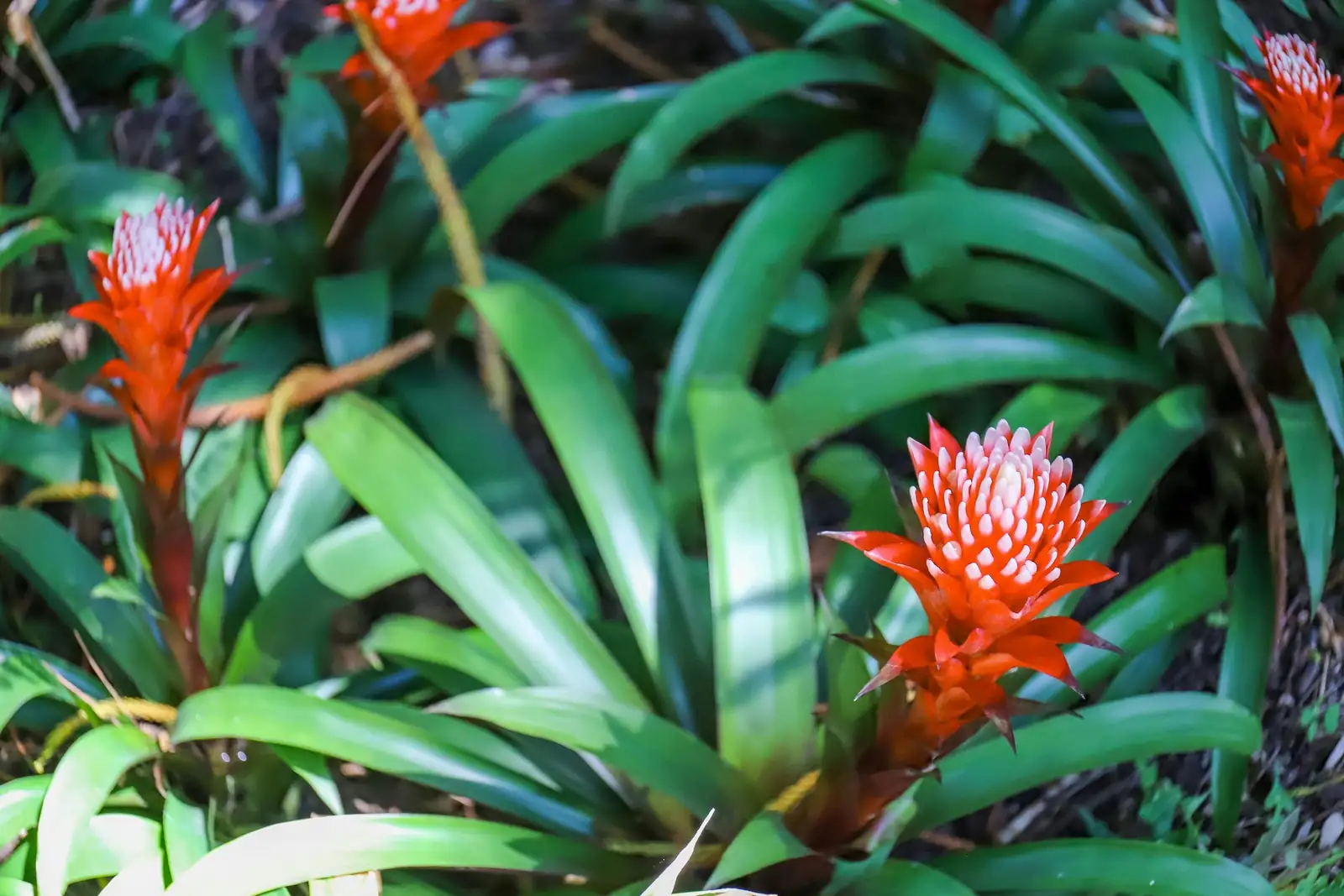
The show-stopper in most bromeliads is not a true flower at all. It’s a set of brilliantly colored bracts—modified leaves that act like a billboard.
- Bracts: Often red, orange, pink, or yellow, and famously long-lasting. These are the bold structures you notice first.
- True flowers: Small, short-lived blossoms that emerge from within or alongside the bracts. Blink, and you can miss them.
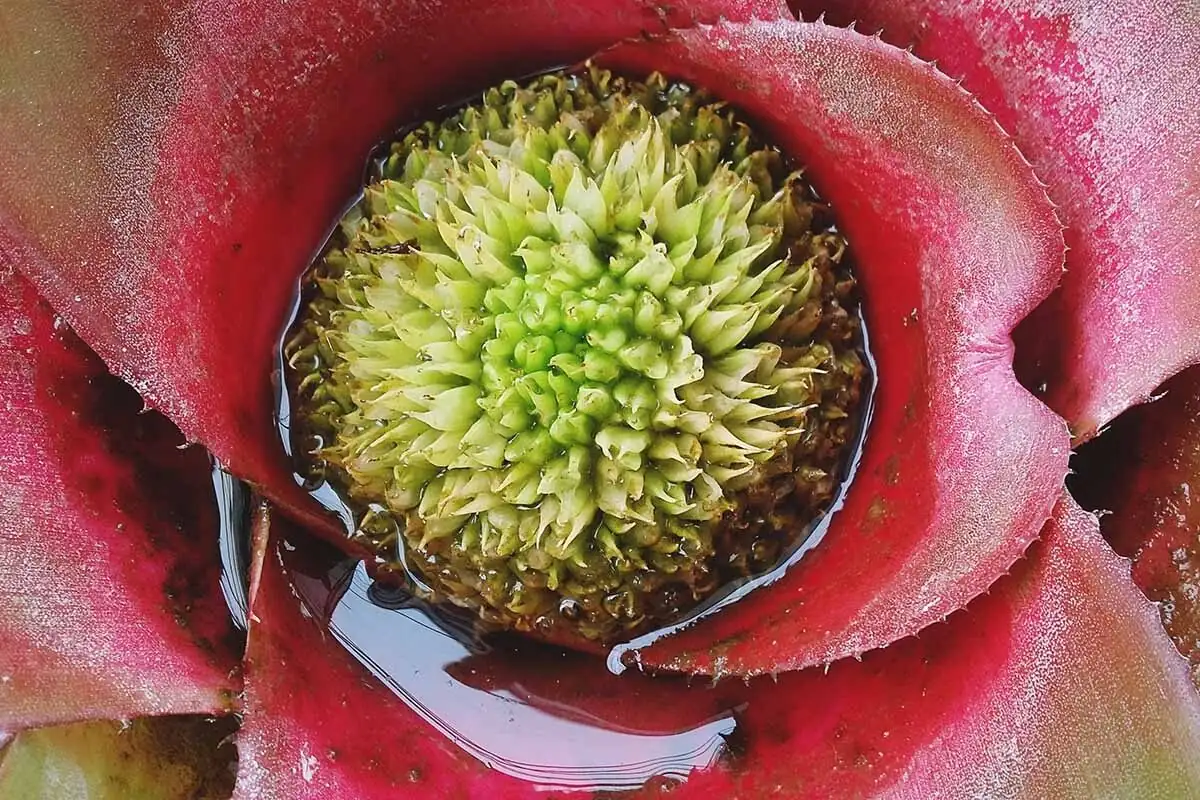
- Rosette design: Leaves form a tight, vase-like cup (a “tank” in many species) that can hold water.
- Life cycle: Many popular bromeliads are monocarpic. After the show, the mother rosette slowly declines—but not before producing pups (offsets) that carry on the lineage.
This bract-first strategy is why a “blooming” bromeliad seems to stay colorful for ages indoors: the eye-candy is structural and durable, while the ephemeral true flowers do their pollinator business and bow out.
Color alchemy: pigments, light, and staying vivid
What loads those bracts with color? Two main pigment groups take center stage:
- Anthocyanins: Responsible for reds, pinks, and magentas.
- Carotenoids: Fuel oranges and yellows.
Indoors, light is the dimmer switch for these pigments:
- Bright, indirect light keeps bract color intense and leaves healthy.
- A touch of gentle morning sun is fine; harsh midday sun can scorch leaves and bleach pigments.
- Too little light dulls the colors and can lead to stretched, floppy growth.
Feeding matters, too:
- Go easy. Overfeeding can dull bract color and stress sensitive roots.
- A balanced fertilizer at 1/4 strength every 4–6 weeks during active growth is plenty.
Temperature and humidity nudge color longevity:
- Ideal temperatures: 18–28°C (64–82°F). Keep them away from cold drafts and protect from temps below 10°C (50°F).
- Moderate to high humidity (around 50–70%) helps maintain sheen and reduces brown tips.
Designed for treetops, perfect for tabletops: the epiphyte advantage
Many Guzmania, Vriesea, and Aechmea are naturally epiphytic—perched on branches, not parasitic. Their roots grip bark more than they mine soil. Translate that to home care, and you get:
- A need for air around roots: Use a very free-draining, orchid-bark-based mix with perlite or similar. Avoid heavy, waterlogged potting soil.
- Sips, not soaks: Water lightly and let excess drain. Never let the pot sit in water.
- A “tank” that helps: If your plant forms a central cup, keep a small amount of clean water there and refresh it weekly so it doesn’t stagnate. In cooler, lower light periods, reduce or empty the cup to lower rot risk.
This treetop toolkit makes bromeliads surprisingly low-maintenance indoors—architectural, tidy, and happy in a bright corner.
Hummingbirds wrote the love letter
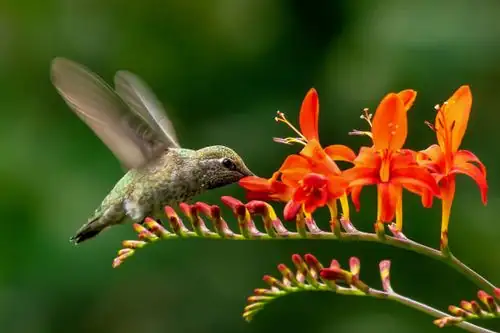
In their native tropical and subtropical Americas, many bromeliads evolved alongside hummingbirds. The script goes like this:
- Bracts act as high-contrast signposts in the forest’s dappled light, visible to fast-flying birds with superb color vision.
- True flowers, though small and short-lived, are often tubular and nectar-rich—perfect for a hovering pollinator.
- Epiphytic perches lift blooms right into hummingbird airspace.
Field studies show that some Aechmea species rely heavily on hummingbirds even when their flowers look understated. Indoors, you won’t host hummingbirds—but you’ll enjoy the same luminous bracts designed to broadcast “nectar here!” across a rainforest canopy.
Why this wild strategy shines indoors
- Long color without constant re-bloom: Bracts hold their glow for weeks to months, so you get a season of drama from a single inflorescence.
- Compact, sculptural habit: Rosettes read like living decor—no pruning gymnastics required.
- Forgiving care: Bright filtered light, a warm room, and an airy mix are enough for success.
- Water that minds itself: The central cup helps buffer brief lapses in watering.
- Pups for continuity: After the finale, offsets step onstage to keep your collection going.
- Generally pet- and people-safe: Non-toxic, though some species have spiny leaf margins—handle with care.
Light, water, and mix: your quick-start care
- Light: Bright, indirect light. Morning sun is gentle; screen off hot midday rays.
- Temperature: 18–28°C (64–82°F). Avoid chills below 10°C (50°F) and cold drafts.
- Humidity: 50–70% is ideal. Group plants or use a humidifier if tips brown.
- Watering:
- Potting mix: Water lightly and drain well; never let the pot sit in water.
- Central cup (if present): Keep a small amount of clean water; refresh weekly. Reduce/empty in cool, dim periods to prevent rot.
- Soil/mix: Very airy and free-draining—orchid bark with perlite is a great base.
- Feeding: Balanced fertilizer at 1/4 strength every 4–6 weeks during active growth. Less is more.
- Pruning: Remove spent bracts/flower spikes; trim brown tips. Gloves help with spiny margins.
- Propagation: Separate pups when they’re about 1/3–1/2 the size of the mother; pot into airy mix, keep warm and slightly humid until established.
- Repotting: Infrequent. Every 1–2 years if crowded or unstable. Use a small pot—bromeliads like a snug fit.
- Placement: Near an east- or north-facing window, or set back from a bright south/west window behind a sheer curtain. Bright bathrooms and kitchens can be perfect if the light is right.
- Hardiness: Not frost tolerant; best as an indoor plant except in reliably warm climates (roughly USDA Zone 10–12, depending on species).
Pro tip for bloom timing: Mature plants can sometimes be nudged to flower by exposure to natural ethylene—placing the plant (and a ripe apple) in a loose bag for a week or two—provided light and warmth are good. Patience is key: flowering follows maturity.
Troubleshooting and FAQs
- Why is my bromeliad’s “flower” lasting so long?
- Because the colorful part is a bract, not the true flower. Bracts can look great for weeks to months, even after the small true flowers are done.
- Do bromeliads die after flowering?
- Many do slowly decline after flowering (monocarpic), but they usually produce pups that take over.
- Can I keep water in the center cup?
- Yes—if your plant forms a tank. Keep a small amount of clean water and refresh weekly. In cooler or low-light conditions, reduce or empty the cup to lower rot risk.
- My bracts faded. What went wrong?
- Usually a light issue. Too little light dulls pigments; too much harsh sun can bleach them. Aim for bright, filtered light. Overfeeding can also muddy color.
- The plant base feels soft or smells sour.
- That signals rot. Improve drainage, empty or refresh the cup more often, and allow the mix to dry slightly between waterings.
- Pests to watch for?
- Mealybugs, scale, and spider mites—especially in dry indoor air. Increase humidity gently, maintain airflow, and treat early.
A closer look at the cast
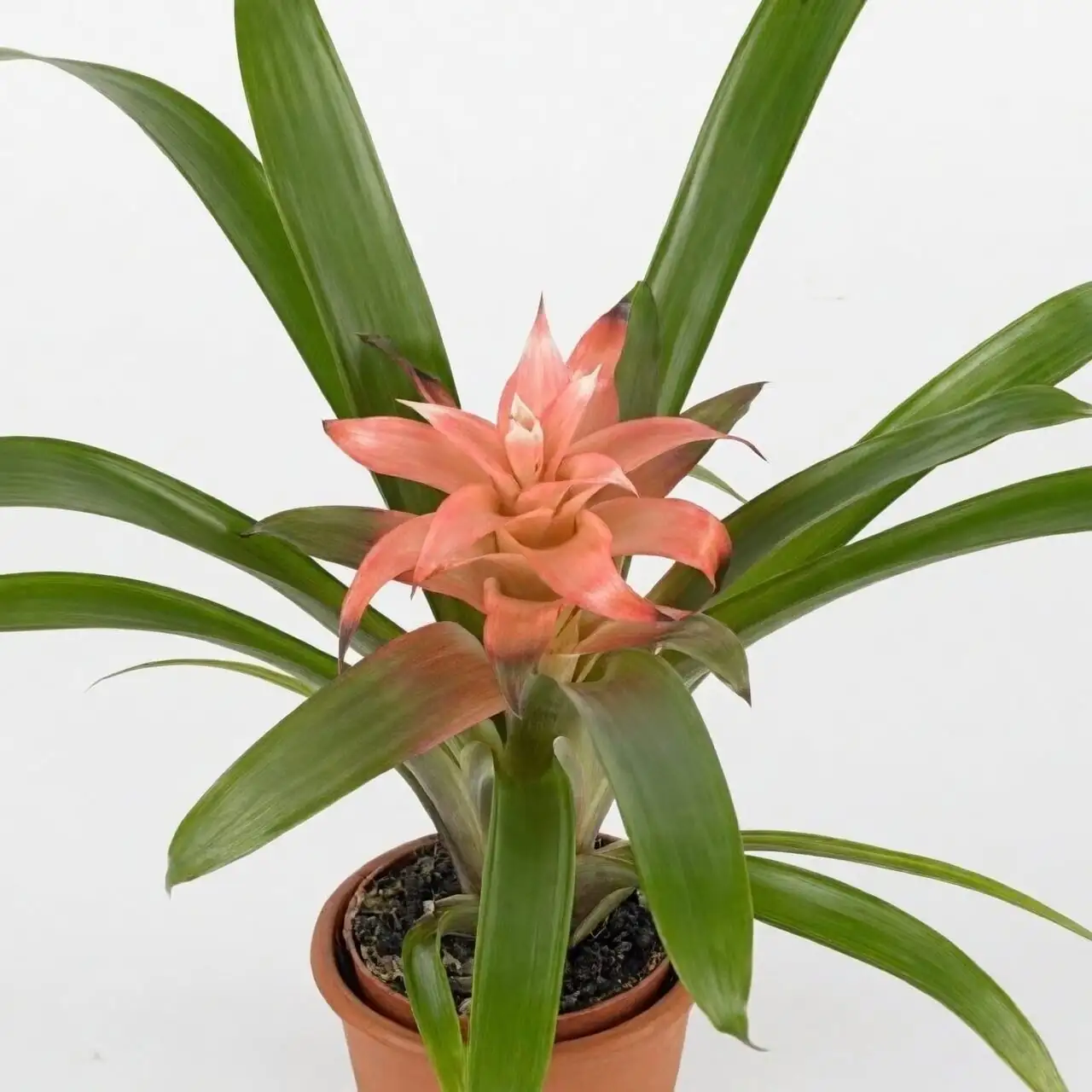
- Guzmania: Glossy leaves, smooth margins, and luminous bracts in reds, oranges, and yellows—classic interior stars.
- Vriesea: Often sword-like inflorescences (the famed “flaming sword”), dramatic yet refined.
- Aechmea: Architectural, sometimes with subtly banded, silvered leaves; some have mildly spiny margins and striking pink-to-red bracts.
Most stay comfortably in the 20–60 cm (8–24 in) range—perfect for desks, side tables, and grouped displays.
Symbolism and a splash of history
Bromeliads are native to the tropical and subtropical Americas, where many species evolved as canopy dwellers that collect rain and forest debris in their rosette “tanks.” In today’s homes, they’ve come to symbolize vibrant energy, hospitality, and tropical cheer—the same welcoming vibe that made their cousin, the pineapple, an emblem of warm reception. If you see “flower language” attached to bromeliads, think modern cultural shorthand more than ancient lore: the plant’s bold stance and generous, long-lived color naturally suggest welcome and celebration.
Why you’ll love living with them
- They ask for bright, filtered light—not a sunroom.
- Their color holds for the long haul.
- They’re tidy, architectural, and easy to combine with other plants.
- They’re generally non-toxic to people and pets; just mind the occasional spines.
From hummingbird beacons in rainforest canopies to neon sculptures on your shelf, bromeliads prove that great design travels well—especially when it starts with a brilliant bract.