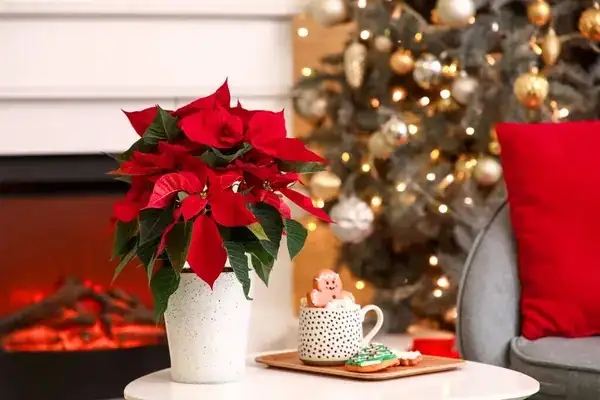
Step into any home in late November and you’ll likely spot it glowing from across the room: a starburst of crimson set against deep green. Euphorbia pulcherrima Willd.—the poinsettia, also called Christmas Flower, Christmas Red, Christmas Star, Lobster Flower, Mexican Flame Leaf, or Painted Leaf—has become the emblem of winter festivities. But beyond its show-stopping bracts (those “petal-like” leaves) lies a rich tapestry of stories and symbolism that shaped its modern flower language—from a humble Mexican miracle and Christian star imagery to East Asian 花语 that celebrates success and good fortune.
The plant that became a season
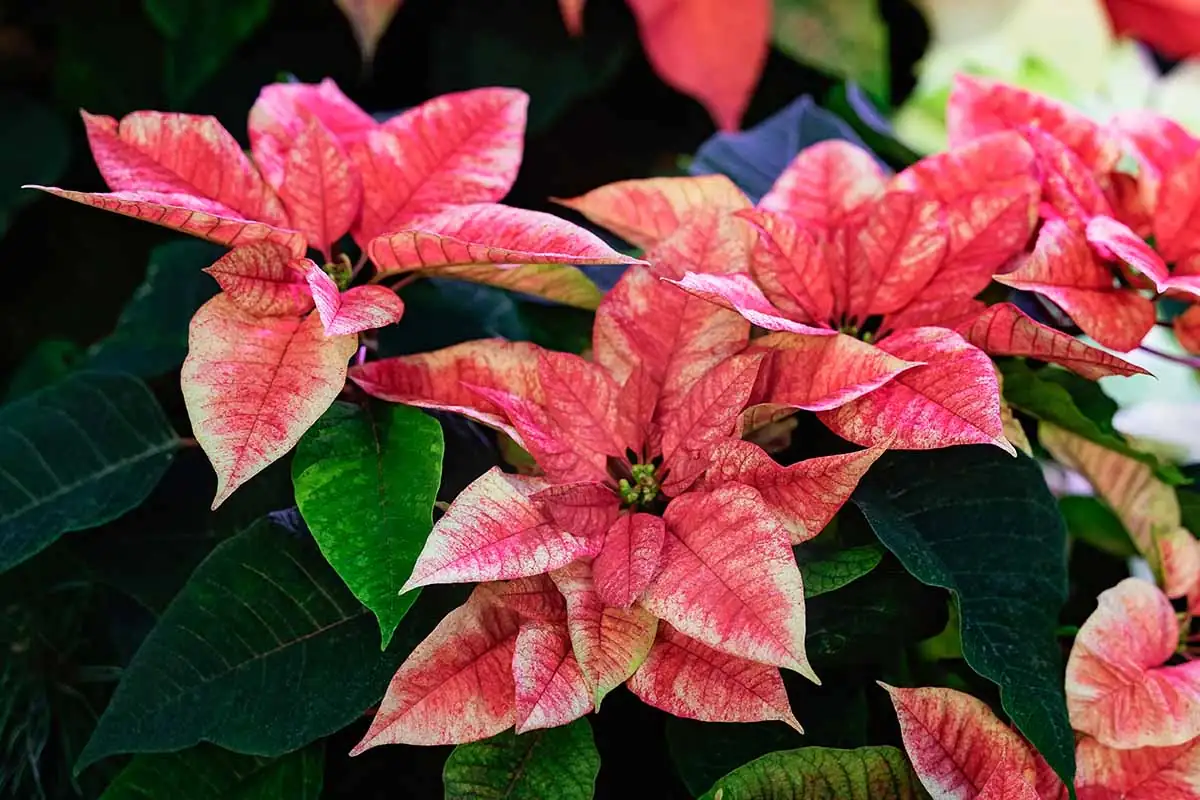
Native to Mexico and tropical America (especially around Taxco in southern Mexico), the poinsettia is a shrubby perennial outdoors in frost-free climates and a beloved houseplant elsewhere. Its display is a clever illusion: the real flowers are the tiny yellow-green centers (cyathia), while the colored bracts—most often red, but also pink, white, or marbled—create that unmistakable “Christmas star.”
How the flower language took root
A Mexican miracle of humble giving
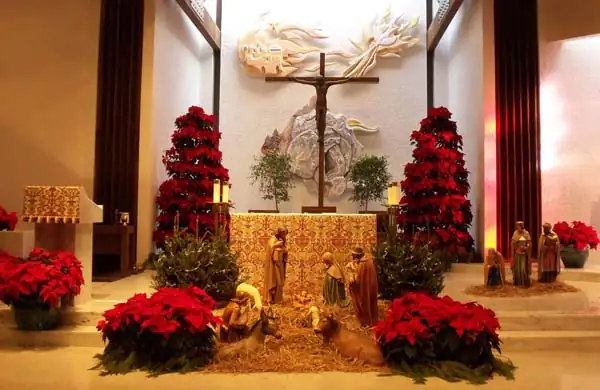
A cherished Mexican legend tells of a poor girl—often named Pepita—who brought a humble bundle of roadside weeds to a church nativity because she had no money for a gift. Laid before the altar, the weeds transformed into brilliant red “flowers.” That moment of heartfelt intention blossoming into beauty forever linked the plant with sincere devotion, generosity, and miracles born of modest gifts. In modern gifting, that story translates as: “From the heart, with joy.”
Star of Bethlehem: reading the bracts like a sky sign
Look closely at a poinsettia’s top display: the bracts form a radiant, star-like rosette. In Christian symbolism, those “points” echo the Star of Bethlehem guiding the Magi. Color deepens the meaning:
- Red bracts are often read as love, warmth, and—within Christian tradition—remembrance of sacrifice.
- White varieties suggest purity and peaceful beginnings.
Because the plant naturally colors during the year’s longest nights, it also feels like a living Advent calendar: darkness outside, light and color within.
From floriography to East Asian 花语
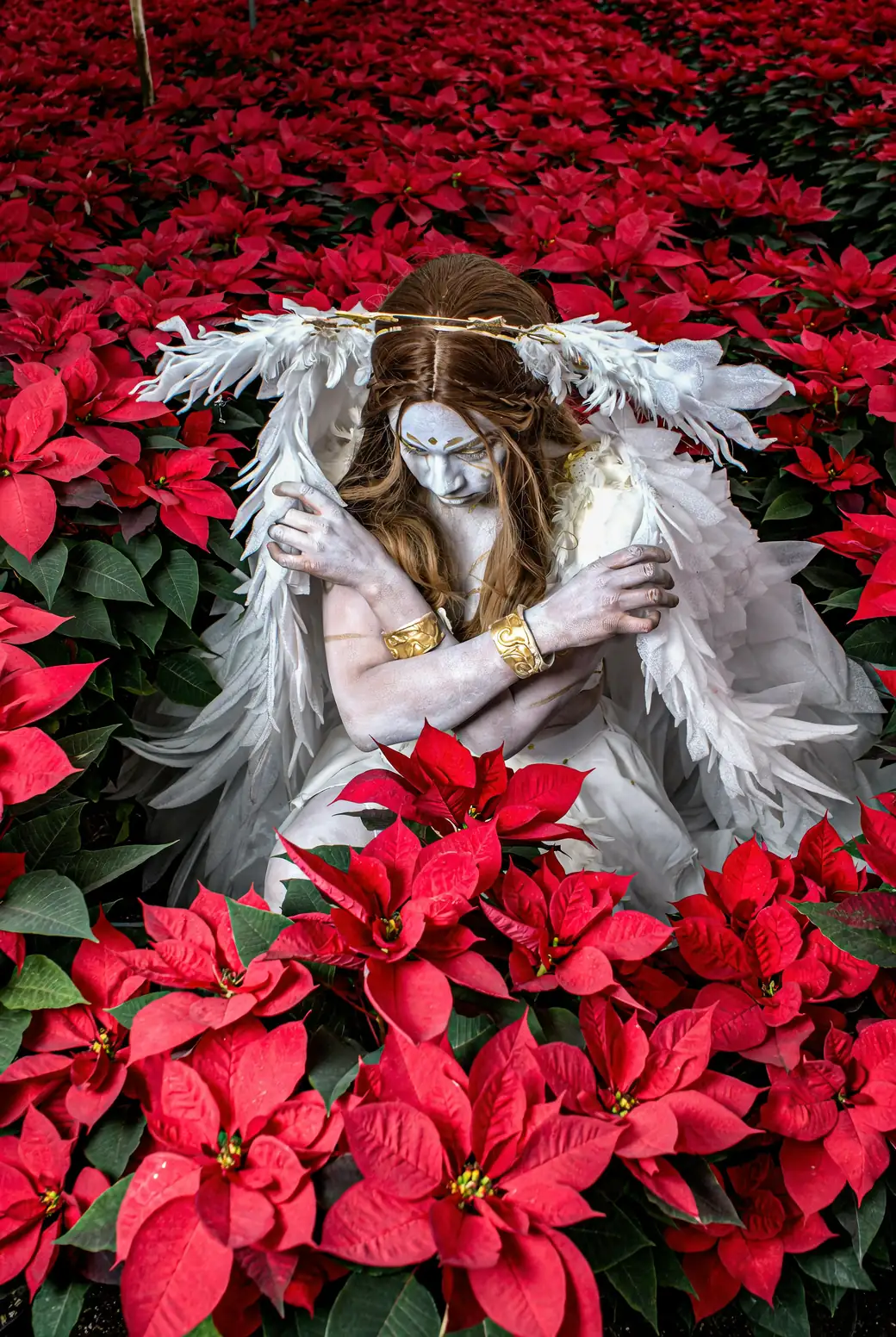
The language of flowers traveled widely—from Victorian code-books to contemporary East Asian 花语, where poinsettia (Chinese name: 一品红, literally “first-rank red”) picked up an irresistibly auspicious spin:
- “First-rank red” evokes top achievement, promotion, and honor.
- Its blazing color and winter timing dovetail perfectly with year-end festivities and New Year wishes.
- Today across East Asia, its 花语 commonly signals celebration, success, good fortune, and a fresh start—ideal for openings, graduations, and housewarmings.
In short, poinsettia’s modern “flower language” is a cultural blend: a Mexican miracle of heartfelt giving, a Christian star of guidance and hope, and an East Asian wish for prosperity and milestone success.
Cultural significance: from cuetlaxochitl to a global icon
- Long before Christmas, the Aztecs knew poinsettia as cuetlaxochitl, using it for dyes and traditional remedies.
- In 1828, U.S. ambassador Joel Roberts Poinsett sent cuttings from Mexico home—hence the English name—and a holiday tradition took off. In the United States, December 12 is National Poinsettia Day.
- Across Europe and the Americas, the plant now anchors Advent décor in churches, civic halls, and homes. It’s the season’s ambassador of warmth and welcome.
Gift-giving meanings: what your poinsettia says
Think of poinsettias as little speeches in a pot—bright, succinct, and heartfelt.
- For celebrations and holidays: “Joy, goodwill, and shared light.”
- For promotions, graduations, business openings: “Success and first-rank achievement.”
- For housewarmings: “Warmth, prosperity, and a happy start.”
- For thanks and hospitality: “Gratitude and festive cheer.”
- For remembrance or spiritual reflection (especially white forms): “Peace, purity, and hope.”
Color cues
- Red: classic celebration, vitality, affection, and courageous warmth.
- White/cream: purity, new beginnings, serenity.
- Pink: affection, kindness, and a gentle blessing.
- Marbled/variegated: creativity, harmony, and playful abundance.
- Deep burgundy: sophistication, depth, and dignified celebration.
Tip: Choose plants whose tiny yellow centers are still closed or just opening—these last longer on display.
Feng shui placement for festive energy
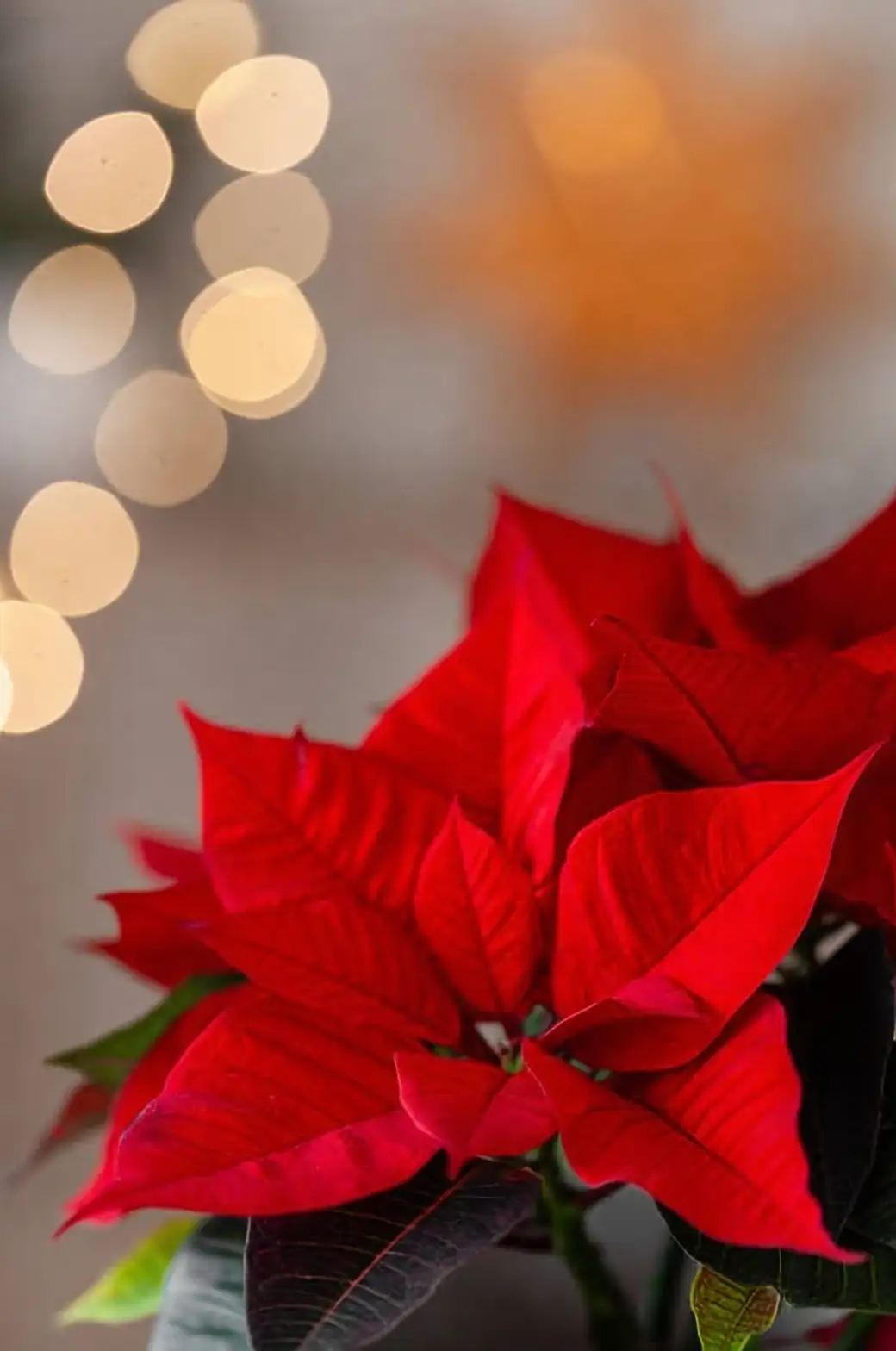
Poinsettias are natural qi amplifiers: bold color, star form, and a winter-luminous presence. Place them where joy gathers—while keeping the plant comfortable.
Where to place
- Entrance/foyer: a bright welcome that invites auspicious energy in.
- Living room: near conversation areas to spark warmth and connection.
- Dining room: as a cheerful centerpiece (avoid cold drafts and heating vents).
- Home office or studio: the south sector (fame/recognition) complements red’s “fire” element; southeast (wealth) suits celebratory intentions; east (family/health) pairs well with the plant’s strong greenery.
Feng shui meets plant care
- Light: bright, indirect light with a little gentle direct sun suits both qi and plant health.
- Temperature: keep it warm and stable—ideally 18–25°C by day; protect from cold windows and drafts.
- Flow: give it space; don’t cram it into a dark corner or high-traffic pinch point.
- Safety: milky sap can irritate; display out of reach of pets and children.
Keeping the magic glowing: quick care cheatsheet
- Light: bright, indirect light; avoid harsh midday scorch behind glass.
- Water: evenly moist, never soggy. Water when the top 1–2 inches feel dry, then drain the saucer.
- Warmth and humidity: cozy, draft-free rooms; moderate humidity helps prevent leaf drop.
- Longevity trick: choose plants with tight or just-opening center flowers for the longest display.
- For next year’s color: give 14–16 hours of uninterrupted darkness nightly for 8–10 weeks starting in late September; even stray lamp light can delay coloring.
- Outdoors only in frost-free zones: reliable landscape use in warm, truly frost-free areas (often cited around USDA 9–11, with best performance in warmer microclimates). Bring potted plants inside well before nights dip below 15°C.
A few irresistible botanical tidbits
- Those “petals” are bracts—modified leaves that frame the true flowers at the center.
- It’s a classic short-day plant: long nights flip the switch on color.
- In the right climate, poinsettias form shrubs 2–4.5 m tall—holiday décor, supersized.
- The family (Euphorbiaceae) is known for its milky latex sap; handle with care if you’re sensitive.
- Breeders now offer dazzling palettes: reds, pinks, whites, marbles, even warm yellowish tones—more than a hundred cultivars and counting.
Why this symbol endures
Perhaps poinsettia’s greatest magic is how many traditions it bridges with one simple gesture: color in the dark. It honors a child’s humble gift, mirrors the guiding star of a sacred story, and, in East Asian 花语, crowns our efforts with first-rank success. Place one by the door, gift one to a friend, or set a small forest of them along a mantel. In a season that asks us to gather, be generous, and begin again, this plant says it beautifully—without a single word.