
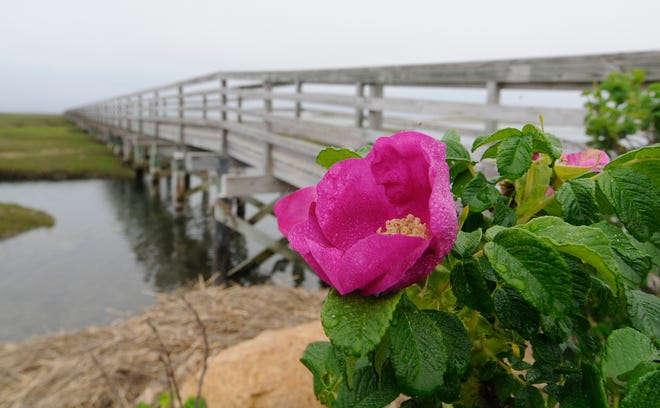
Breathe in: a salty breeze, sun-warmed sand, and the unmistakable perfume of beach rose. Rosa rugosa—aka rugosa rose, Japanese rose, or simply beach rose—doesn’t whisper its scent; it sings. Those crinkled, five-petaled blooms pack a surprisingly complex chemistry that reads to our noses as lemony-rose, honeyed, and softly spicy all at once. Let’s meet the molecules that do the singing, then turn to kitchen-friendly ways to capture them in rose water, oils, and potpourri—no special lab gear needed.
The chemistry of that “rugosa rose” perfume
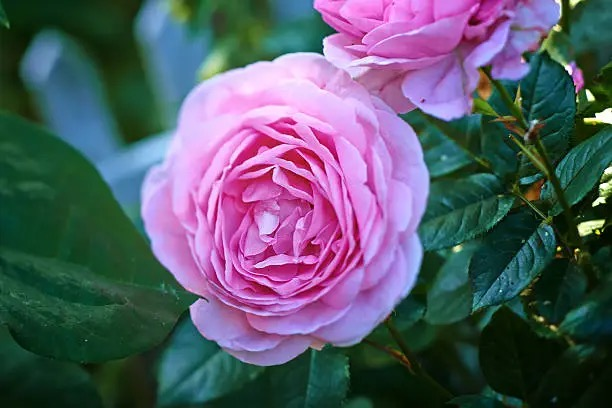
Rugosa’s signature fragrance comes from a handful of volatile compounds that evaporate readily and travel straight to your olfactory receptors. Think of them as the top notes and heart notes in a natural perfume.
- Citronellol: Rosey with a bright, citrus-lemongrass lift. This monoterpene alcohol is a major pillar of the “classic rose” accord.
- Geraniol: Soft, sweet, rosy-floral; it adds roundness and bloom to the scent.
- Nerol: Fresh, citrus-green and slightly dewy; a twin to geraniol with a greener tilt.
- β-Phenylethanol: Honeyed, tea-rose, almost faintly fruity; a key “true rose” note that makes petals smell plush rather than sharp.
- Linalool (often in traces): Airy, lavender-like sparkle that brightens the bouquet.
- Spicy accents (trace eugenol and friends): A gentle clove-ish warmth that lingers.
What’s especially fascinating is how the bouquet shifts as petals age and as steam coaxes out different molecular families. In simple hydrodistillations of Rosa rugosa:
- Early “first run” steam or hydrosol tends to be richest in alcohols (citronellol, geraniol, nerol, and β-phenylethanol). This smells like fresh, dewy, lemony-rose.
- As distillation continues, you’ll often catch more esters (like citronellyl, neryl, and geranyl acetates) and even a whisper of monoterpene acids (citronellic, geranic). These add fruitier, rounder, sometimes softly waxy nuances.
If you’ve ever noticed that the very first wisps of rose steam smell sweetest, while later jars lean fruitier or greener, you’ve just nose-tracked real chemistry.
Rugosa’s oil and hydrosol often read similarly to the famous damask rose (Rosa damascena), which is why beach rose is increasingly appreciated as an alternate source of fragrant petals.
Harvesting petals for peak perfume
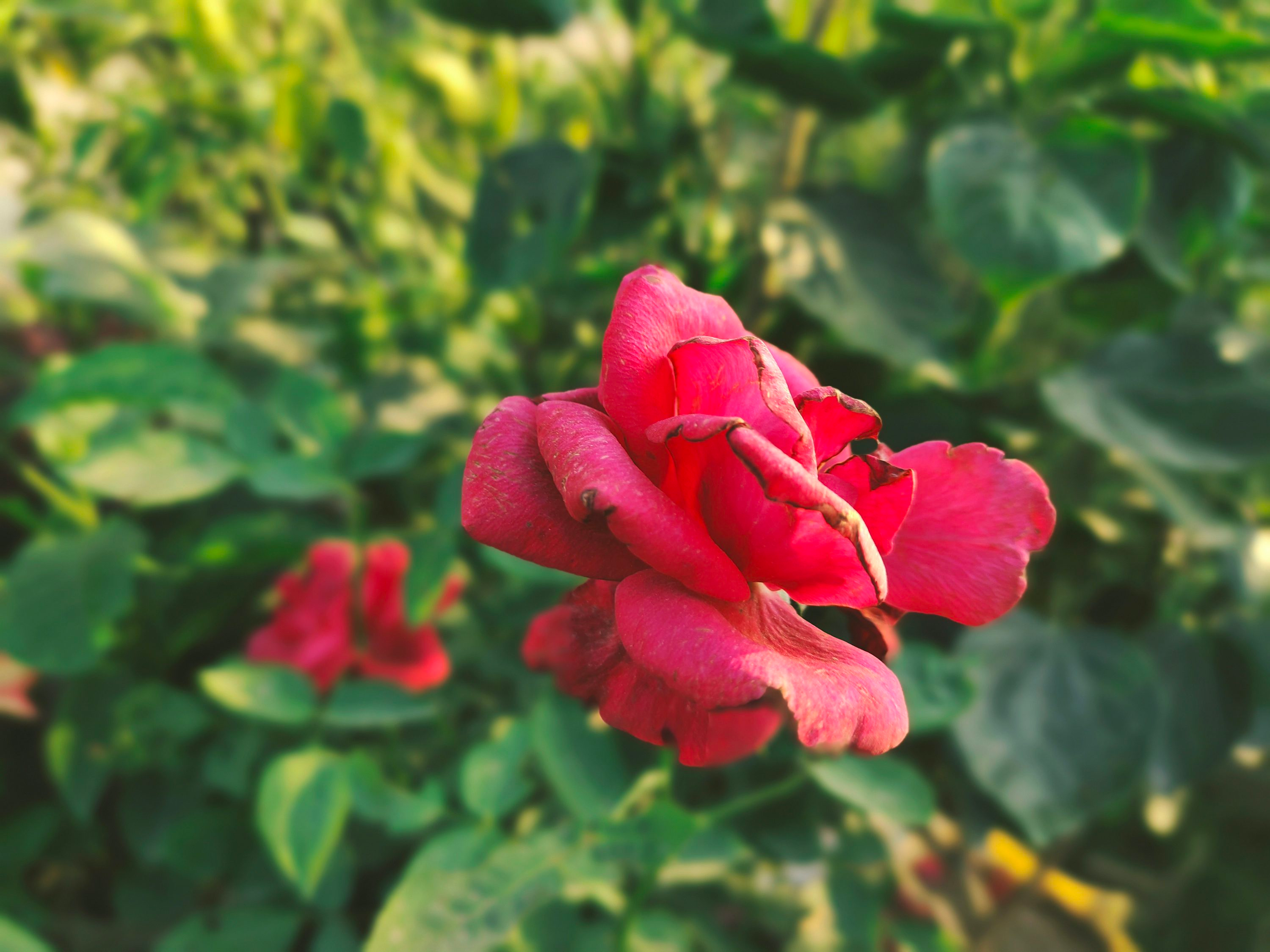
A few small choices make a big aromatic difference.
- Time of day: Snip just after the morning dew dries. Heat drives off volatiles; you want them in your bowl, not lost to midday sun.
- Stage: Choose freshly open blooms—not tight buds, not blown flowers with browning edges. These hit the best balance of β-phenylethanol and rosy monoterpenes.
- Weather: Skip rainy days; water dilutes and washes away surface scent.
- Source: Only harvest from unsprayed plants. Petals can be edible and skin-friendly, but not if they’ve seen pesticides.
- Handling: Use clean scissors and a shallow basket. Don’t crush petals; bruising can oxidize delicate aromatics.
Three easy, gear‑free ways to capture rugosa fragrance
1) Rose water, the infusion way (fast and friendly)
This yields a culinary “rose water–style” infusion—gentle, soft, and perfect for syrups, lemonade, and light skincare mists.
- You’ll need: 3–4 cups freshly packed petals, 3 cups just‑off‑the‑boil filtered water, a heatproof bowl, fine strainer, clean bottle.
- Steps:
1) Rinse petals quickly and pat dry.
2) Place in a warm bowl; pour hot water over to cover.
3) Cover and steep 20–30 minutes (taste/smell at 15).
4) Strain, pressing gently. Bottle and refrigerate up to 1 week, or freeze in ice cubes for longer.
Tip: This captures lots of β-phenylethanol and some monoterpene alcohols without cooking them to exhaustion.
2) Stovetop “kitchen distillate” hydrosol (no special lab kit)
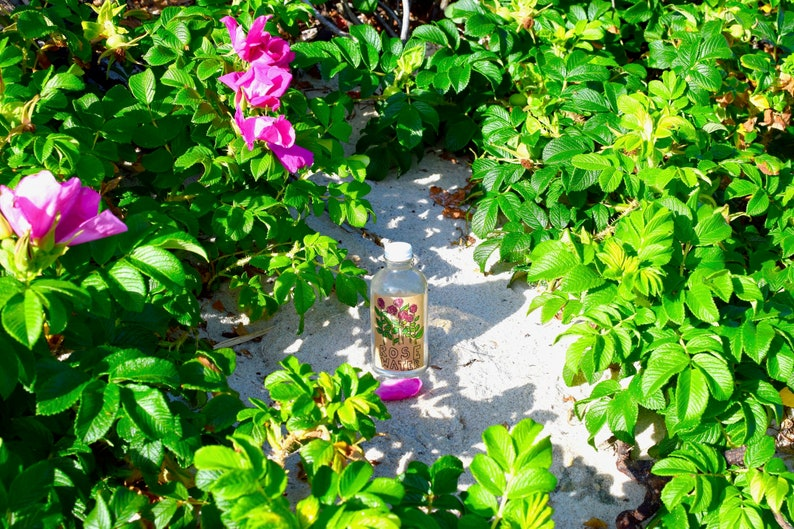
A simple pot-in-pot setup concentrates rosey volatiles as they condense—think of it as a homey nod to hydrodistillation.
- You’ll need: Large lidded pot, small heatproof bowl (to catch condensate), a trivet or ramekin, plenty of fresh petals, cold packs/ice, filtered water.
- Steps:
1) Set a trivet/ramekin in the pot; place the small bowl on top.
2) Scatter 4–6 cups petals around the bowl (not inside it). Add water to just cover the petals—keep the bowl above waterline.
3) Invert the pot lid so its dome slopes toward the center (condensation will drip into the bowl). Place a bag of ice or a few handfuls of ice cubes on top.
4) Simmer on the lowest heat 30–45 minutes; replenishing ice as needed.
5) Carefully lift the lid and pour the collected hydrosol from the bowl into sterile jars.
- Storage: Refrigerate up to 2 weeks; freeze for longer. The first 10–15 minutes of condensate usually smells the sweetest—save it separately if you like.
Safety: Use stainless steel or enameled cookware; keep heat gentle to avoid scorching petals.
3) Rose oil, the maceration way (true “rose‑scented oil”)
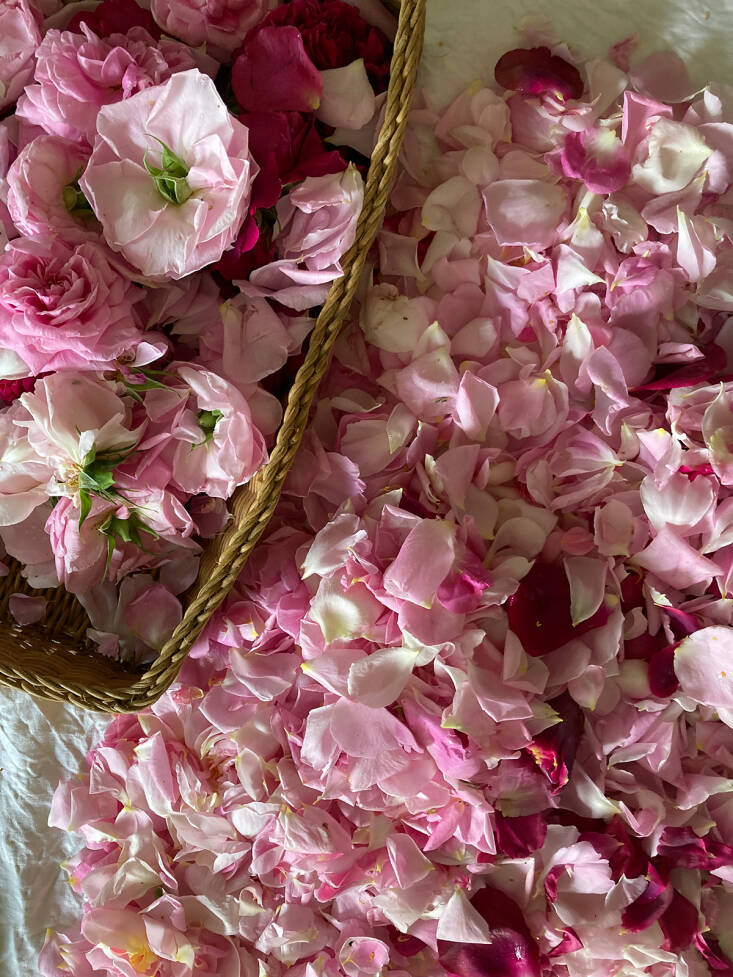
Essential oil yields from roses are tiny—getting even a teaspoon at home is impractical. Instead, capture the scent in a carrier oil by enfleurage-style maceration.
Option A: Cool maceration (most delicate)
- You’ll need: A clean jar, 1 cup light carrier oil (sweet almond, fractionated coconut, or grapeseed), 2–3 cups fresh petals, vitamin E (optional, a few drops), cheesecloth.
- Steps:
1) Fill the jar loosely with dry petals; cover fully with oil.
2) Cap and tuck in a cool, dark spot for 24–48 hours.
3) Strain; replace with fresh petals and repeat 2–4 cycles for strength.
4) Add vitamin E; bottle and store cool and dark for 2–3 months.
Option B: Gentle warm infusion (faster)
- Place petals and oil in a heatproof jar; set in a warm water bath (no hotter than hand‑comfy, about 40–45°C/104–113°F) for 1–2 hours.
- Strain and repeat with fresh petals if desired.
Use: Massage oil, solid perfume base, bath oil, or add a splash to sugar scrubs. Patch test first.
Bonus: Rose sugar or honey
- Layer clean, dry petals with sugar in a jar (or submerge in mild honey). After 3–5 days, the sugar or honey is perfumed. Strain petals and store airtight.
Potpourri that actually lasts
The trick is slow drying and a fixative that holds onto volatiles.
- Dry the petals:
- Spread in a single layer on paper towels in a warm, shaded, breezy spot 3–5 days; or in an oven at the lowest setting with the door cracked for 30–60 minutes.
- Blend:
- 2 cups dried rugosa petals
- 1/2 cup “fixative” (crushed vanilla pod, a spoon of plain rice, a bit of ground cinnamon, orris root if you have it)
- Accents: curls of lemon/orange peel, a few cloves, dried lavender, or crushed rose hips
- Cure:
- Toss, jar tightly, and let “marry” 1–2 weeks. Refresh with a few drops of rose hydrosol if needed.
Make your results smell better, longer
- Use fresh petals in multiple rounds for oils; top up scent gradually.
- Antioxidants help: a few drops of vitamin E in oils slow the oxidation of citronellol/geraniol, which can dull scent over time.
- Keep all rose products cool, dark, and well sealed; light, heat, and oxygen are the enemies of delicate monoterpenes.
- For skin use, do a patch test. Even natural rose components like citronellol, geraniol, and linalool can irritate very sensitive skin—especially if oxidized.
Grower’s corner: why rugosa shines in a garden
- Identity: Rosa rugosa is a woody, perennial shrub in the rose family (Rosaceae) and genus Rosa—part of the storied “Queen of Flowers” clan with hundreds of species and tens of thousands of cultivars.
- Look: Crinkled, glossy, pinnate leaves with 5–9 serrated leaflets; stout, very prickly stems; typically single, 5‑petaled blooms in magenta-pink or white, about 2–8 cm across.
- Season: Flowers in late spring to early summer, and many selections repeat in flushes.
- Sun & soil: Full sun (6+ hours) for best bloom and fragrance; rich, well‑drained loam at pH ~6.0–7.0 is ideal, but rugosa tolerates poorer, even sandy soils.
- Water & feed: Deeply water during growth/flowering to reach about 2.5–5 cm (1–2 in) weekly moisture; water at soil level. Feed in spring and during the season; pause 6–8 weeks before first frost.
- Prune: Late winter/early spring while dormant; remove dead/crossing canes and open the center for airflow. Deadhead to encourage rebloom.
- Hardiness & health: Noted for cold‑hardiness and vigor, with generally good resistance to common rose troubles. Still watch for aphids, Japanese beetles, spider mites, thrips, black spot, powdery mildew, rust, and botrytis; prioritize airflow, sanitation, and targeted controls if needed.
- Safety: Generally non‑toxic to people and pets; petals and hips are often edible. Mind the prickles—they mean business.
Side treasure: Rose hips ripen to tomato‑red and are renowned for vitamin C. Use them for teas, syrups, and jams once petals are past.
Why rugosa smells “bigger” than many modern roses
Many modern hybrids were bred for color, form, or rebloom at the expense of fragrance. Rugosa, by contrast, often carries naturally high levels of monoterpene alcohols (citronellol, geraniol, nerol) alongside β‑phenylethanol, so its blooms broadcast a full, lemony‑floral heart note you can catch on the wind. Different cultivars and even different blooms on the same shrub can vary, which is half the fun—sniffing becomes fieldwork.
Rose water vs. rose oil: what you’re really bottling
- Rose water/hydrosol: Mostly water with a micro‑dose of the same fragrance molecules that make up rose oil, so it’s lighter, gentler, and kitchen‑friendly.
- Rose essential oil: A concentrated, pricey distillate requiring mountains of petals and specialized stills. At home, a well-done maceration oil is the practical stand‑in for most uses.
Symbolism and the quiet “language” of rugosa
Roses have long symbolized love, beauty, and devotion; color adds nuance—red for passion, pink for grace, white for reverence, yellow for cheer. The popular “flower language” fad really took off in the 18th–19th centuries, when people tucked meanings into bouquets. Rugosa’s wind‑tough shrubs and salt‑kissed blooms complicate that story in the best way: their fragrance suggests tenderness, but their armored canes speak of resilience. If you’re going to read meanings into flowers, let rugosa’s be this—love that withstands weather.
Quick troubleshooting and FAQs
- My rose water smells weak. Use more petals, a shorter steep, and fresher blooms. Freeze in cubes to lock in aroma quickly.
- My infused oil smells green/leafy, not rosy. Repeat the maceration with fresh petals 2–3 times; green notes often dominate on the first pass.
- Potpourri faded fast. Add a fixative (vanilla pod, a pinch of ground cinnamon, or orris root if handy), and cure the blend in a closed jar for 1–2 weeks before displaying.
Your scent, your way
Rosa rugosa is a generous teacher: it shows you how living fragrance is built—molecule by molecule—and how time, heat, and even vessel choice shape what you smell. With a basket of unsprayed blooms and a stovetop, you can bottle a morning in June: a jar of hydrosol for the kitchen, a vial of rose‑scented oil for the skin, and a bowl of potpourri to brighten rainy days. No lab required—just your nose.