

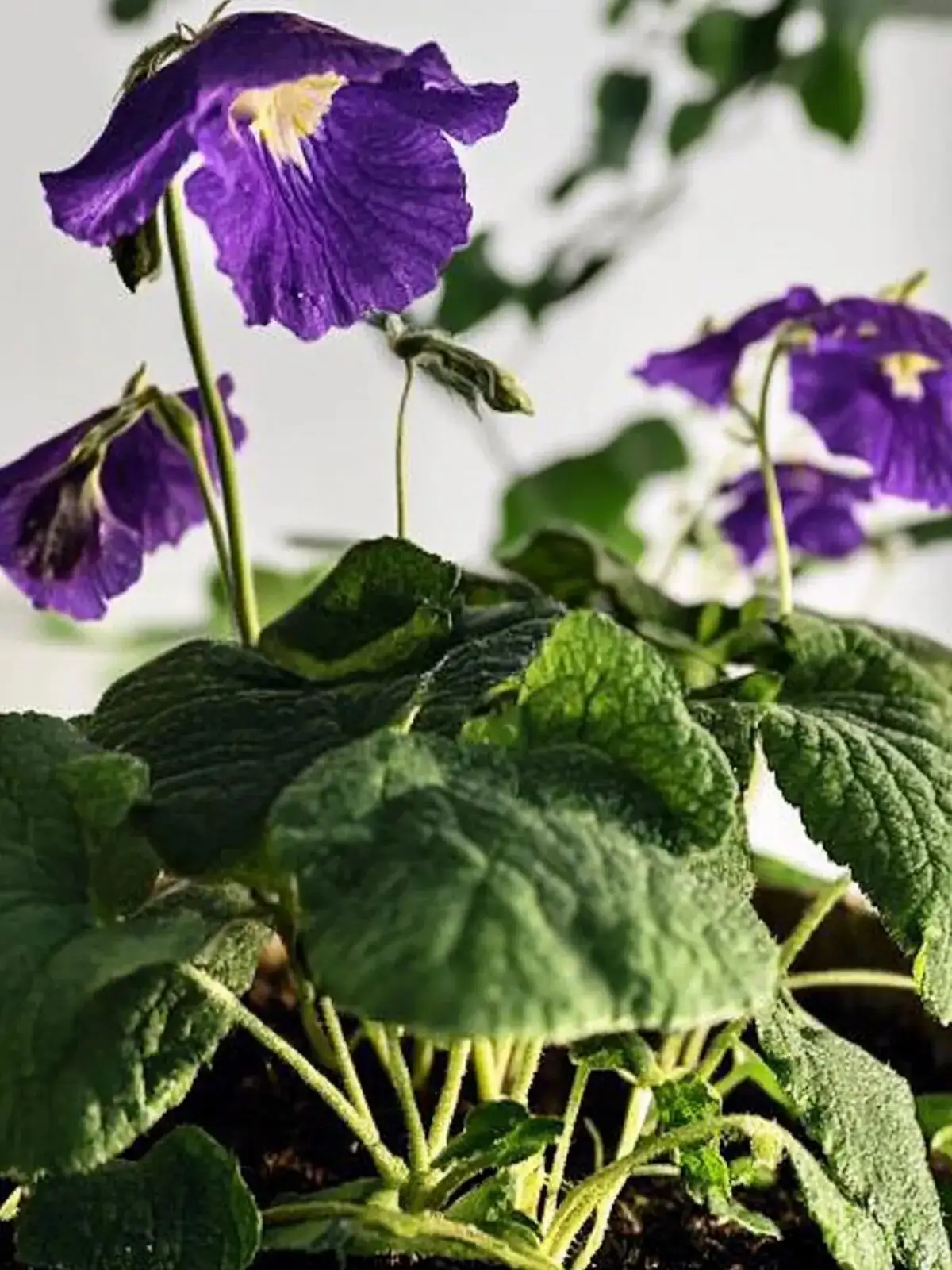
Consider this your permission slip to fall in love with a plant that thinks outside the pot. Streptocarpus—aka Cape primrose—brings velvet-petal theater, marathon blooming, and a party trick so good you’ll tell your friends: you can grow an entire new plant from a slice of a single leaf. Add those beautifully wrinkled leaves (they’re not flaws, they’re features), and you’ve got a windowsill headliner with real staying power.
Meet the Cape primrose (Streptocarpus)
Streptocarpus is a compact, rosette-forming member of the Gesneriaceae family (think cousins of African violets), native to Southern Africa’s shaded, rocky habitats and forest margins. Indoors, it keeps a tidy clump of softly wrinkled, lance-shaped leaves that set the stage for slender stems topped with trumpet- to funnel-shaped flowers. Expect a painter’s palette of white, pink, red, blue, and purple—often with bicolors and beautifully patterned throats.
- Habit: Compact rosette with upright flower stalks
- Typical size: Up to about 60 × 60 cm (24 × 24 in) in a pot, depending on cultivar and care
- Blooming: Usually spring through autumn; some modern hybrids will push on in winter with extra light
- Best spot: Bright, indirect light—especially an east window or a lightly shaded south/west windowsill
Quirk #1: Leaf-section propagation magic
Yes, you can conjure a brand-new plant from a single leaf—no wand required.
Why it works
Streptocarpus leaves have the capacity to form new growing points when encouraged, which is why even small leaf sections can sprout tidy clusters of baby rosettes. It’s one reason these plants became beloved “shareables” among friends and collectors.
How to do it (step-by-step)

- Select a healthy, mature leaf and remove it with a clean cut.
- Trim off the petiole (leaf stem). You can:
- Slice the leaf lengthwise into 2–3 cm (¾–1¼ in) wide strips, or
- Cut it horizontally into 3–5 cm (1¼–2 in) sections.
- Prepare a shallow pot with a very free-draining mix (houseplant mix with extra perlite).
- Insert each leaf section upright so the cut edge just touches the mix, or lay flat and pin the cut edge down—firm gently.
- Water to settle (bottom-watering works well), then drain thoroughly.
- Provide bright, indirect light and steady warmth; keep the mix barely moist, never soggy.
- Wait for tiny rosettes to appear along the cut edge—several weeks is typical. Pot each baby up once it’s big enough to handle.
Pro tip: Good airflow and restraint with watering are your best friends. Over-wet media and repeated splashing at the crown invite rot.
Quirk #2: Marathon blooming on a windowsill
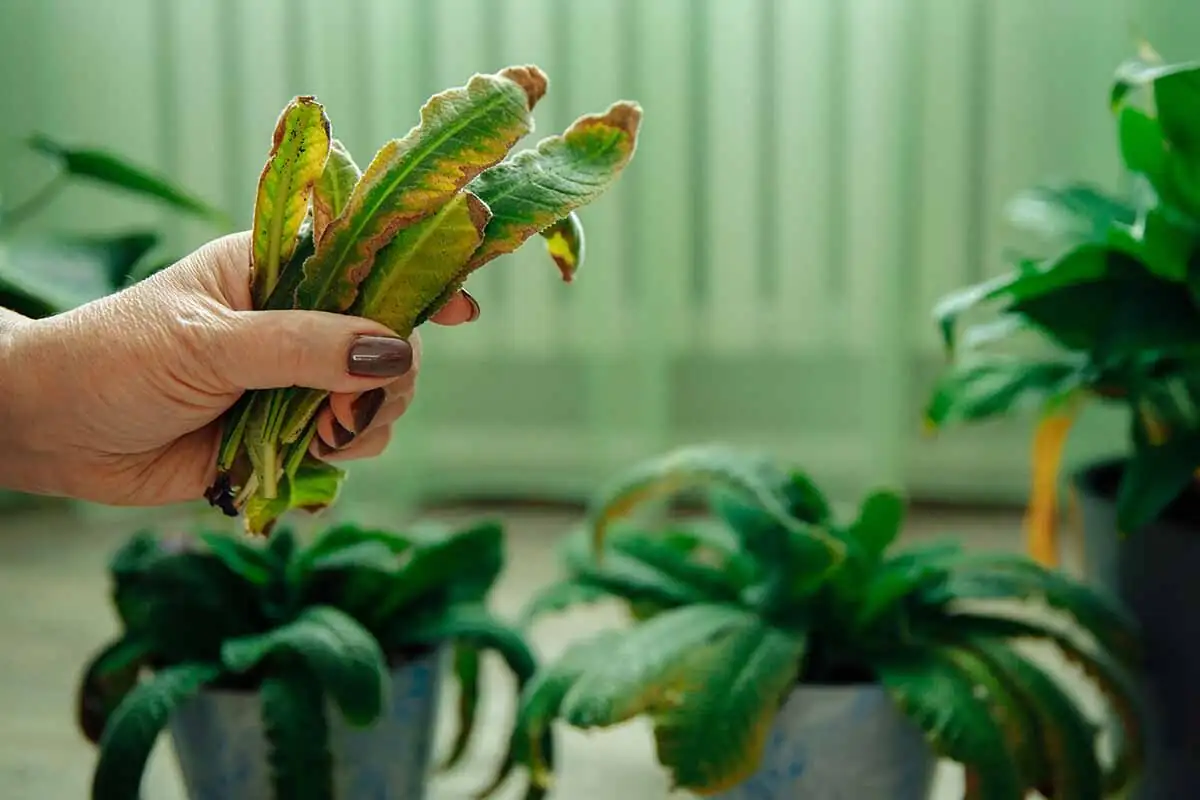
Streptocarpus loves an encore. Given bright, indirect light, many varieties flower from spring through autumn, and some modern hybrids will even keep the show going in winter if you slide the pot to a brighter window.
Bloom-boosting checklist
- Light: East-facing is ideal; brighten things up in winter. Light shade from harsh summer sun keeps leaves pristine.
- Pot size: Slightly snug roots encourage more flowers. A 10–15 cm (4–6 in) pot is the sweet spot for many cultivars.
- Feeding: From spring to autumn, feed about monthly with a high-potassium fertilizer formulated for flowering plants.
- Deadheading: Snip spent flower stems to cue more buds.
- Airflow: Gentle movement keeps foliage drier and reduces pest pressure.
Quirk #3: Velvet for the win—petals you’ll want to pet
The blooms are all soft theater: slim stems lifting velvety, trumpet-shaped flowers above a leafy skirt. Beyond the color range (white, pink, red, blue, purple, and showy bicolors), many varieties flaunt patterned throats that look hand-painted. That velvety sheen isn’t just camera-friendly—it’s part of the plant’s charm, giving each blossom a plush, jewel-box quality indoors.

Quirk #4: Those charmingly wrinkled leaves are a home advantage
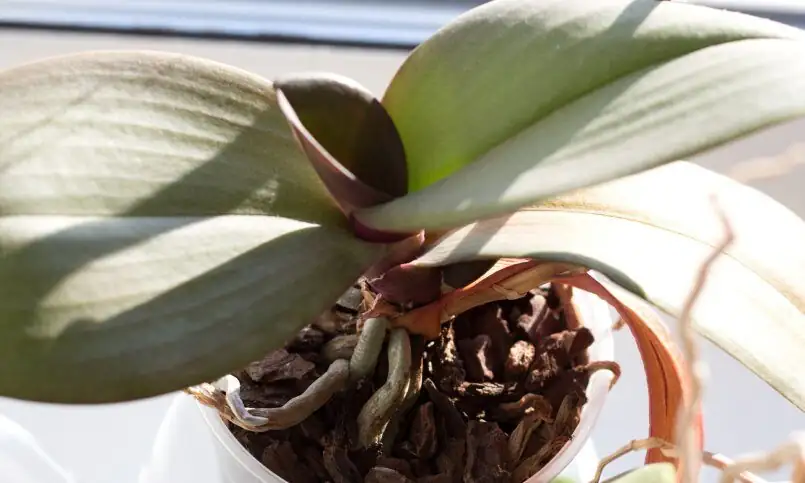
Wrinkled leaves are Streptocarpus’s secret superpower. In their native, dappled habitats, a softly puckered leaf surface helps capture and use diffuse light efficiently—exactly the kind of light most homes provide. The rosette layout and gentle leaf corrugation also help shed water away from the crown, which matters indoors where stagnant moisture can linger. Translation: those “rumpled” leaves are an adaptation that plays brilliantly on a bright, indirect windowsill.
- Indoor win: Better performance in bright, indirect light; a tidy footprint for small spaces; less water sitting at the crown if you splashed a little.
Care, the quick-and-playful way
- Light
- Bright, indirect light to part shade; protect from intense midday sun.
- In winter, move to a brighter spot (even some direct sun) to support blooms.
- Water
- Water when the surface of the mix feels dry; reduce in winter so the mix is almost dry between waterings.
- Top- or bottom-water. For bottom-watering, stand the pot in water for ~20 minutes, then drain completely.
- Avoid letting water linger around the crown.
- Soil
- Free-draining houseplant mix, improved with perlite so water never stalls at the roots.
- Temperature
- Comfortable indoors: 12–24°C (54–75°F). Tender, not frost hardy.
- Humidity
- Moderate household humidity is fine; avoid hot, stagnant air.
- Feeding
- Monthly, spring through autumn, with a high-potassium fertilizer for flowering plants.
- Pruning and grooming
- Remove spent flower stems promptly; in spring, trim away older, tired leaves for tidiness and airflow.
- Repotting
- Repot in spring, just one size up; keep the plant slightly pot-bound for better flowering.
- Placement
- Bright windowsills are perfect; provide light shade in summer, brighter exposure in winter.
- Hardiness
- Frost-tender; best outdoors year-round only in frost-free climates (about USDA Zone 10–12).
- Pets
- Generally regarded as non-toxic to cats and dogs; ingestion may still cause mild stomach upset.
Troubleshooting in whispers (what your plant is telling you)
- Mushy crown or sudden collapse: Overwatering or heavy, poorly drained mix. Repot into a freer-draining medium, water less often, keep the crown dry.
- Buds forming but no show: Light is too low. Move closer to a brighter window.
- Leaf scorch or fading blooms: Too much direct sun—add sheer shade.
- Pests: Mealybugs, aphids, and spider mites can visit. Improve airflow, isolate and treat early with gentle measures.
Propagation beyond leaf sections (because you’ll want more)
- Division: Mature clumps can be divided during repotting in spring. Keep divisions small but with healthy roots and a firm crown.
A brief backstage pass: from cliffs to living rooms
Hailing from Southern Africa’s shaded, rocky hideaways and forest margins, Streptocarpus took to cultivation thanks to its compact habit and generosity with flowers. Breeders have since leaned into that generosity, creating modern hybrids that bloom longer, brighter, and in ever more inventive patterns—some nearly year-round when the light is strong.
Why Streptocarpus belongs in your plant chorus
- Day-brightening, velvety blooms held high over tidy foliage
- A leaf that can make more plants—like botanical alchemy for beginners
- Adapted to thrive in the same soft, bright light your home already offers
- Easy-going care as long as you dodge soggy soil
If you love a plant that brings personality plus performance, Streptocarpus is your scene-stealer. Give it bright, indirect light, a light hand with water, and a little monthly feed—and enjoy the encore after encore.