

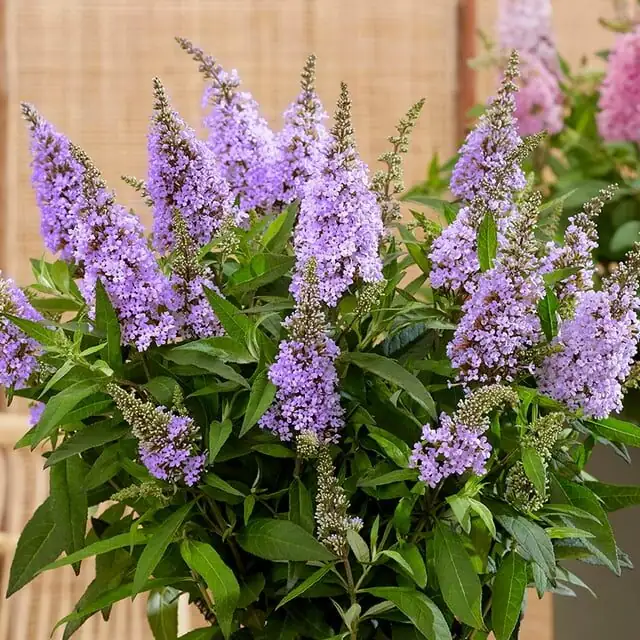
Meet the original sun-chaser of the herb world: Lavender (Lavandula angustifolia). Narrow silver-green leaves, a tidy mound of stems that grow woody with age, and summer spikes of purple that smell like a clean breeze through Provence. It’s an easy companion once you learn its love language: blazing sun, sharp drainage, and no soggy feet.
The Scent Lab in Every Leaf: Fast Chemistry Facts
Lavender’s perfume isn’t one note—it’s a mini-orchestra of volatile molecules stored in tiny oil glands (glandular trichomes) on the leaves and flower spikes. Brush the plant, pop a few of those glands, and the fragrance unfurls.
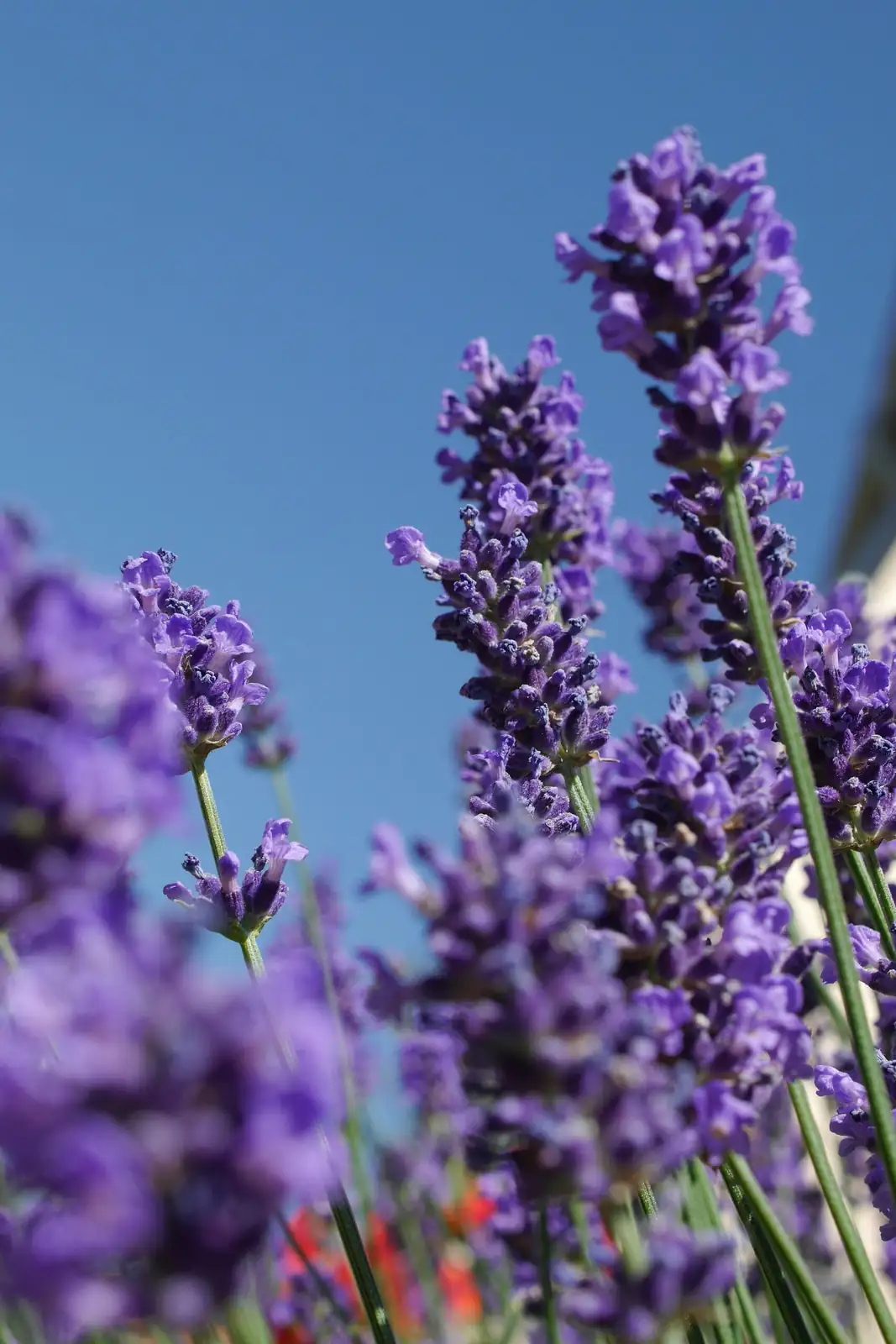
- Headliners: linalool and linalyl acetate, supported by floral-citrus-woody side players like terpinen-4-ol and ocimene.
- Same molecule, different vibe: linalool has two mirror-image forms (enantiomers). One leans “sweet lavender with a citrus wink,” the other “woody-lavender”—even some insects can tell the difference.
- Why your nose swoons on sunny days: warm, dry weather volatilizes those oils more efficiently—exactly when the plant is happiest.
- Geek corner: essential-oil chemists profile lavender with gas chromatography to separate and measure all those fragrant components.
- Pro tip for sensitive skin: when essential oils oxidize in air over time, they can form compounds that may irritate. Use fresh oil, store tightly capped, and dilute properly.
Weather = Mood: How Climate Changes the Show
Lavender is all about big light, open air, and quick-draining ground.
- Sunlight: 6–8+ hours/day. Shade = floppy stems and fewer blooms.
- Temperature sweet spot: roughly 15–25°C (59–77°F). Prolonged hot, humid spells can stress plants.
- Humidity: prefers dry to moderate with good airflow; stagnant heat plus damp soil invites fungal trouble.
- Winter reality: generally hardy in USDA Zones 5–8 (cultivar-dependent). Winter wet is a bigger killer than honest cold. In pots, keep the mix from staying wet and aim to keep containers above about 5°C (41°F) in very cold regions.
Quirky Traits You’ll Notice (and Love)
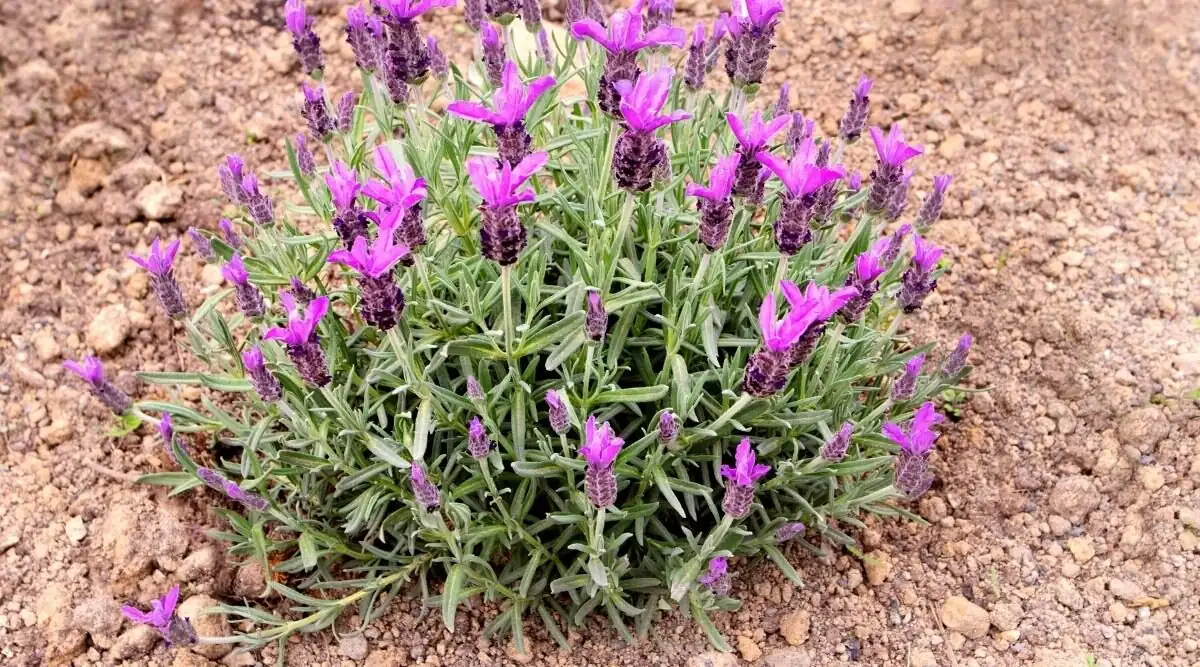
- “Angustifolia” means “narrow-leaved”—a perfect name for those slim, silvery, aromatic leaves.
- A woody base forms with age, so regular tip-pinching and light clipping keep the plant compact and full.
- Slender, upright flower spikes in soft to mid purple are summer’s main event—and they dry beautifully for sachets and bouquets.
- Habit: compact, upright, bushy mound; evergreen to semi-evergreen depending on winter severity.
- Size: typically 30–60 cm tall (12–24 in), with mounds about 30–90 cm wide (12–36 in) in good garden conditions.
Fast-Care Playbook (Sun-Lovers Edition)
- Light: sunniest, breeziest spot outdoors; indoors, a bright south-facing window or the brightest sill you have.
- Soil: very well-drained, sandy/gritty loam. In containers, use a free-draining, loam-based mix with coarse sand/grit/perlite. Never let pots sit in water.
- Watering rhythm:
- Spring/cool weather: about every 10 days to 1–2 weeks—let the mix dry noticeably between drinks.
- Summer/flowering: water when the top few centimeters are dry; keep evenly on the light side, never waterlogged. Morning watering plus airflow helps in heat.
- Autumn–winter: cut back hard on watering—just barely on the dry side.
- Feeding: light touch May–September. A balanced fertilizer about monthly at reduced strength. Too much nitrogen = floppy growth, fewer flowers, weaker scent.
- Pruning: pinch young plants 2–3 times to encourage branching. After flowering, remove spent spikes and lightly clip the green growth to keep a neat mound (about 1/3, up to 1/2 if very vigorous). Never cut into old, leafless wood.
- Repotting: spring or just after flowering, into a highly free-draining mix. Refresh a good portion of old medium; water once, let it recover briefly in bright shade, then back to full sun.
Myths, Debunked
- “Lavender loves water.” Not really. It loves deep drinks followed by a decent dry-down. Constant damp is a fast track to root troubles.
- “Shade is fine.” Shade means sprawl and sparse blooms. This is a sun worshipper.
- “More fertilizer = more flowers.” Excess feed (especially nitrogen) makes floppy greenery and dulls fragrance. Lavender thrives lean.
- “Cut it back hard into the old wood.” Risky—old, leafless wood may not resprout. Stay in the green.
- “English lavender comes from England.” The nickname stuck, but Lavandula angustifolia’s roots are Mediterranean.
- “Humidity doesn’t matter.” Hot, humid, stagnant air plus wet soil is Botrytis heaven. Keep air moving and soil quick-draining.
Fragrance, Pollinators, and Crafty Uses
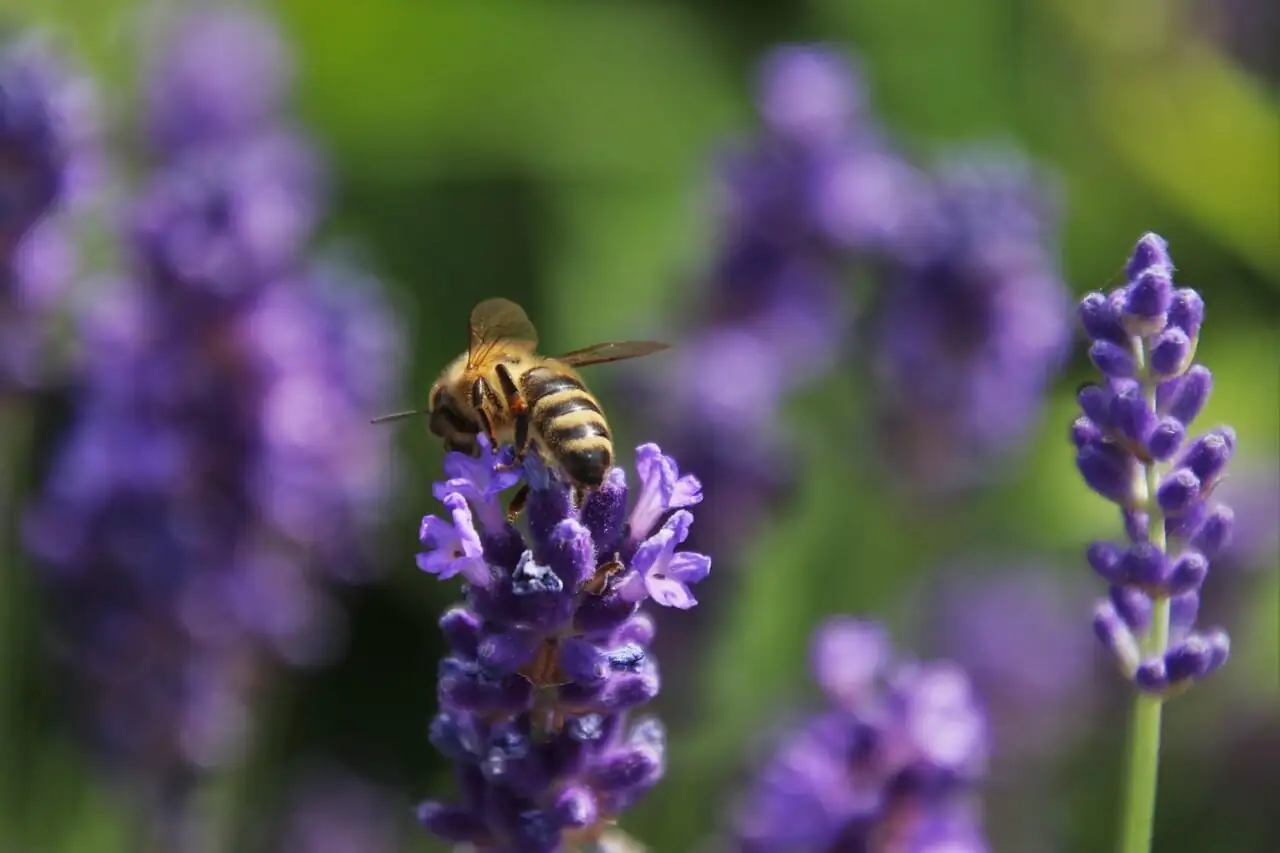
- Summer spikes draw pollinators and your nose alike.
- Dry the flower stems for bouquets, wreaths, and sachets that hold their scent for months.
- An important source of lavender essential oil—use responsibly and properly diluted. Concentrated oil can irritate sensitive skin; keep oils and large amounts away from children and pets.
Propagation Quick Hits
- Seed: surface-sow (light helps), germinate around 20–24°C (68–75°F), sprouts in roughly 14–21 days.
- Cuttings: take 6–10 cm (2.5–4 in) semi-ripe cuttings early summer to autumn; root in a gritty mix in about 3–6 weeks (often faster in warmth).
- Water rooting: semi-ripe cuttings can root in clean water in bright shade in about 2–3 weeks; pot up gently.
- Division: possible in spring or autumn, best with younger, less-woody clumps.
Stay Healthy, Little Shrub
- Fungal foes (especially grey mold/Botrytis) strike when it’s damp, crowded, and still. Prevent with:
- Full sun and space
- Watering at the base (keep foliage dry late in the day)
- Excellent drainage and airflow
- Prompt removal of infected stems/flowers if they appear
Flower Language and Lore (with a Reality Check)
Lavender’s symbolic portfolio—calm, devotion, purity, remembrance, and in some traditions “anticipation” or “waiting for love”—grew from centuries of everyday life: scenting linens, freshening homes, and perfuming baths. Its name likely ties to the Latin “lavare” (to wash). Much of the modern “flower language” was codified during the Victorian craze for floriography, where meanings were charming but not standardized. Think of these associations as cultural poetry rather than hard rules—beautiful stories layered atop a plant already rich in history.
Quick Facts to Brag About
- Origin: Mediterranean region; now cultivated worldwide.
- Family: Lamiaceae (the mint family); a true aromatic classic.
- Bloom time: summer, commonly June–August, often peaking around July.
- Hardiness: generally USDA Zones 5–8; winter wet is the real villain.
- Indoors: brightest window you’ve got; outdoors: full, airy sun.
- Best fragrance days: warm, sunny, and dry—the plant’s favorite weather.
- Less is more: lean soil and light feeding often mean better bloom and scent.
Lavandula angustifolia is the plant version of a breezy summer afternoon: bright, dry, and delightfully aromatic. Give it sun, space, and a fast-draining seat—and it will give you a whole season of purple calm with a chemistry set’s worth of scent.