

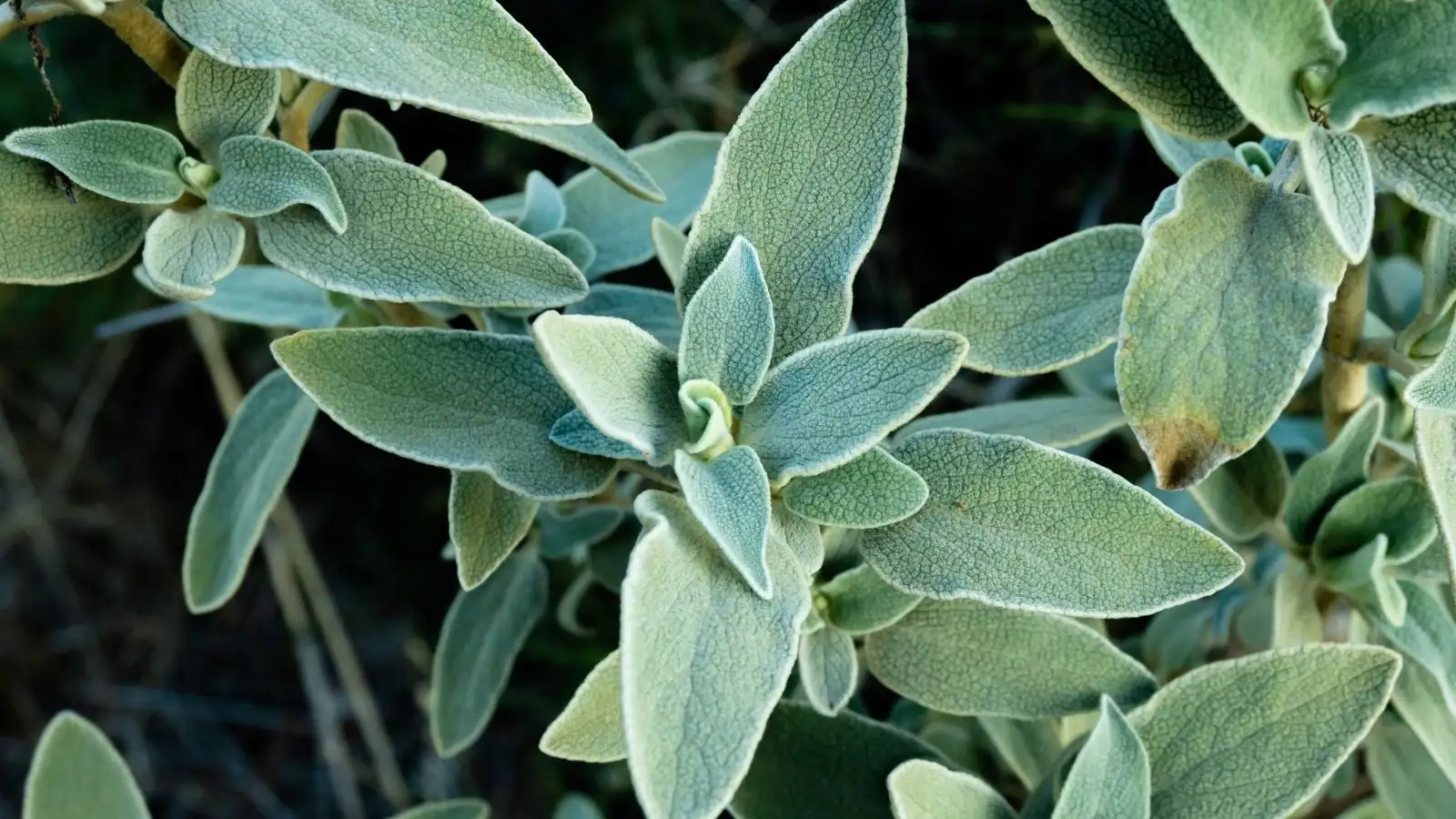
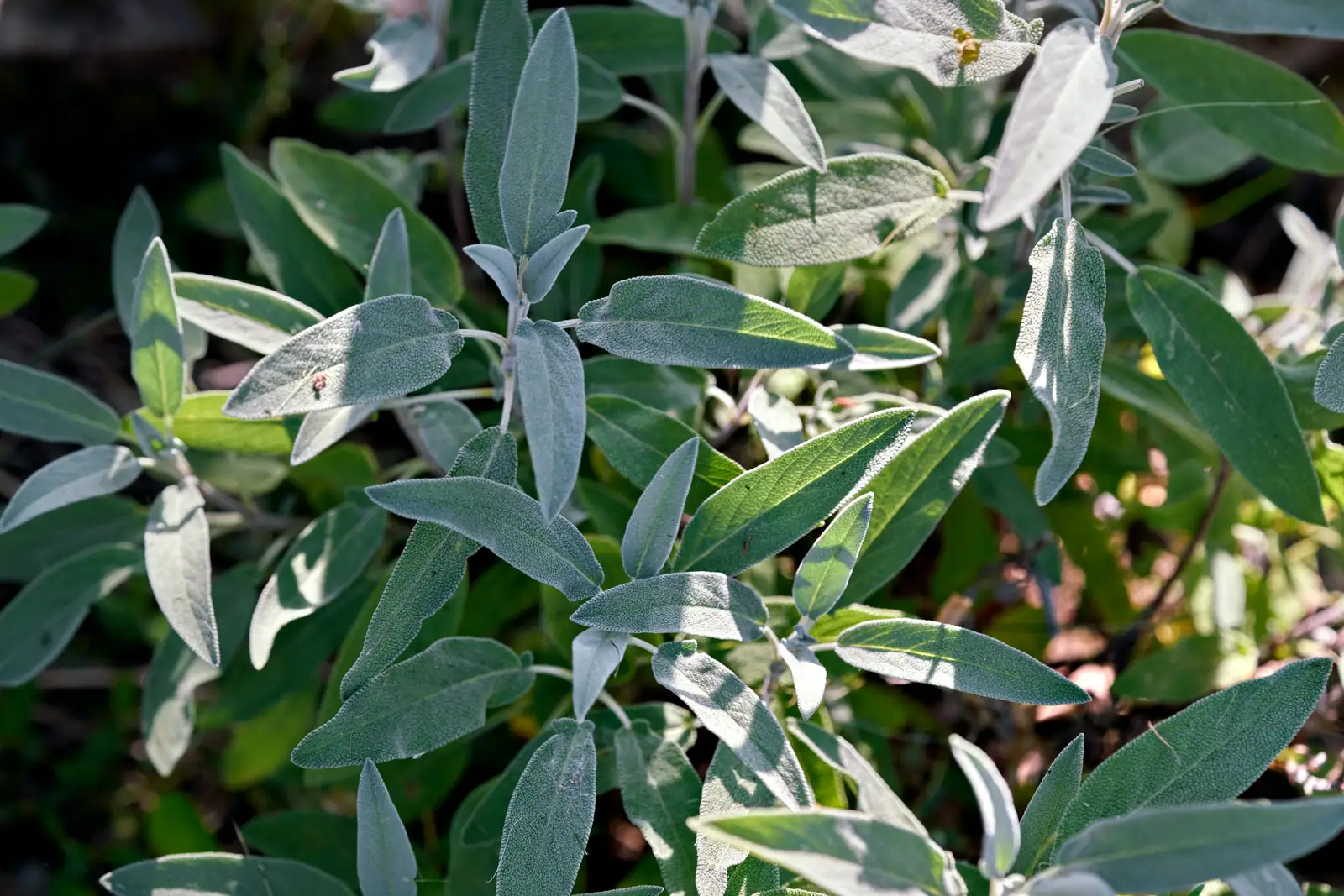
Brush your fingers across a sage leaf and you’ll feel it: a soft, velvety fuzz and a cool, silvery sheen, as if the plant wears its own tiny sunhat. Add in those whimsical, two-lipped flowers that bees can’t resist, and you’ve got a Mediterranean original with a bag of botanical tricks. Here’s a fun, nerdy decode of Salvia officinalis—why it shimmers, why it’s fuzzy, why bees queue up for its blooms, and why its flavor turns boldest when life’s a little lean.
Meet the plant behind the pantry hero
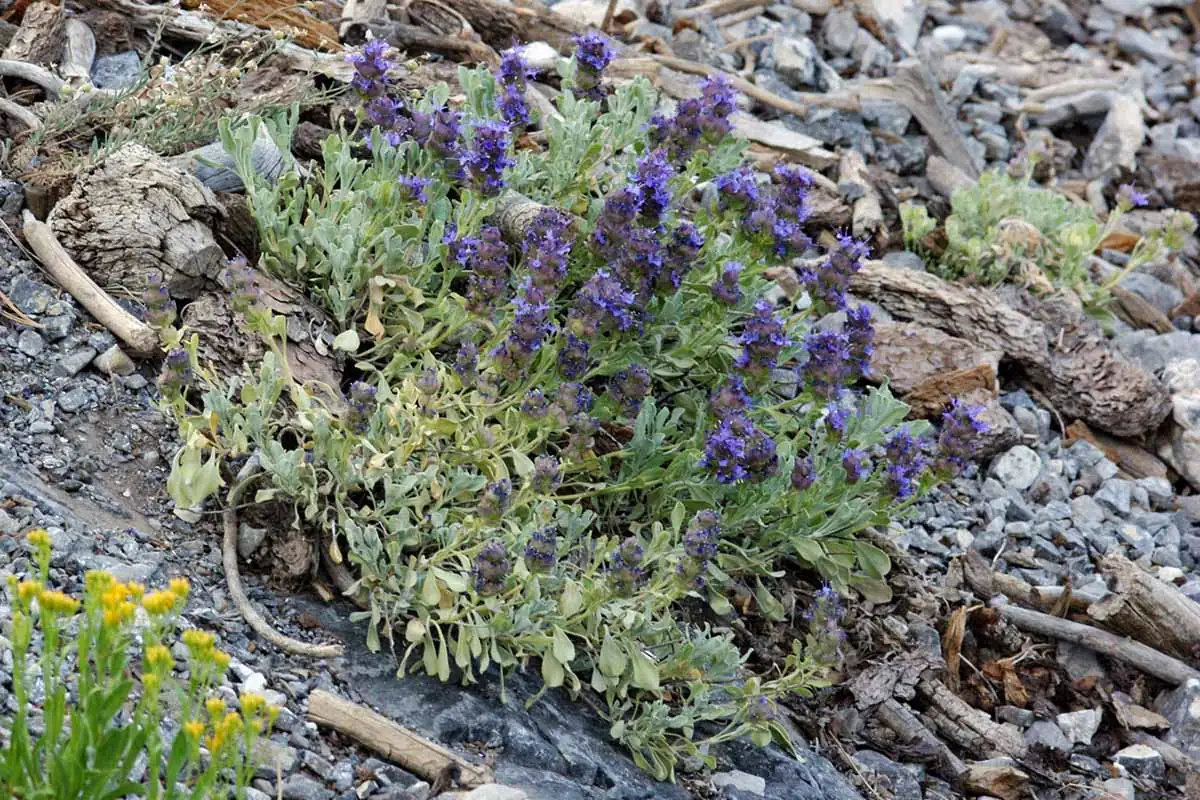
Common sage (Salvia officinalis) is a woody, evergreen subshrub from the mint family (Lamiaceae), native to the sun-baked, rocky slopes of the Mediterranean. It forms neat, bushy mounds—often 40–60 cm (16–24 in) but capable of 30–90 cm (12–36 in) tall and wide—with opposite, grey-green leaves that are slightly pebbly and softly fuzzy. In early to late summer (June–September), upright spikes carry whorls of tubular, two-lipped flowers in blue to purple shades (sometimes pink or white), irresistible to bees and butterflies. It’s aromatic, drought tolerant, and unabashedly sun-loving.
The soft-hair secret: why sage feels velvety
Sage leaves are cloaked in a fine felt of hairs (trichomes), and they’re not just for looks.
- Water-saver: The fuzz slows airflow right at the leaf surface, reducing moisture loss—think of it as a tiny windbreak that helps the plant keep its cool in dry, breezy weather.
- Sun-shield: Those hairs scatter and reflect intense sunlight, lowering leaf temperature and protecting tissues in the blazing Mediterranean sun.
- Oil vaults: Glandular trichomes store fragrant essential oils. The fuzz helps hold and release aroma—part of why a rubbed leaf smells so wonderfully savory.
- Pest deterrent: A textured, slightly pebbly surface is less appetizing to nibblers, and those potent oils add “don’t-mess-with-me” flavor.
Silvery leaves that sip sun, not scorch
That grey-green to silvery tone acts like a built-in reflector. By bouncing a portion of harsh rays, sage avoids midday meltdown while still harvesting light for photosynthesis. The result: a plant that’s comfortable in full sun for 6+ hours daily. In very hot climates, a touch of afternoon shade can keep it from stress, but deep shade dulls growth and flavor.
Two-lipped flowers built for bees
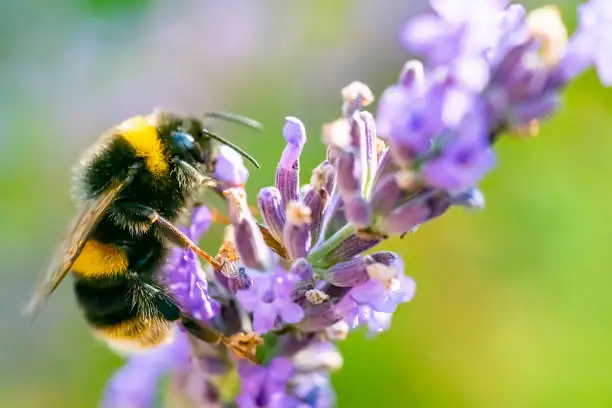
Sage’s blooms are textbook mint-family “bilabiate” flowers—two lips form a landing pad and a gentle gateway to nectar. The payoff:
- Efficient pollination: Bees press in, guided by the floral architecture, and leave dusted with pollen. It’s a cleverly channeled nectar bar.
- Pollinator magnetism: Nectar-rich spikes in blue to purple hues (with occasional pink or white) call in bees and butterflies all summer. In some regions, even hummingbirds will investigate.
- Garden show: Upright spires add movement and color, especially striking against silvery foliage.
Why tough love makes tastier leaves
Here’s the delicious paradox: sage’s flavor intensifies in lean soil and full sun.
- More sun = more oils: Bright light fuels the plant’s production of aromatic compounds—those earthy, savory, slightly peppery notes we love.
- Lean soil, stronger taste: Poor to moderately fertile, very well-drained soils encourage compact growth and concentrate essential oils. Overfeeding, especially nitrogen, makes lush, floppy growth with diluted aroma.
- Drier rhythms: Letting the soil dry a bit between waterings supports oil concentration and keeps roots healthy.
Quick flavor-boost checklist
- Give 6+ hours of direct sun.
- Use very well-draining soil; sandy or gritty is ideal (pH around 6.5–7.0).
- Skip rich fertilizers; a light container feed once in late spring/early summer is plenty.
- Water deeply, then let the top 2–3 cm (about 1 in) dry before watering again (especially in pots).
- Harvest in the morning after dew dries—oils are at their brightest.
Quirky care that plays to sage’s strengths
- Sunlight: Full sun is best. In heatwaves, a whisper of afternoon shade is fine.
- Soil and drainage: Sage hates wet feet. Improve heavy soil with coarse sand or grit; keep containers airy with a free-draining, peat-free mix plus up to ~25% grit.
- Watering: Easy does it. Young plants need help through their first dry spells; established plants in the ground are drought tolerant. Reduce winter watering and never let pots sit in saucers of water.
- Pruning: Lightly prune in mid–late spring to keep it compact and encourage fresh shoots; deadhead spent spikes in late summer. Avoid cutting into old, leafless wood. Refresh plants every 6–7 years or keep your best by taking cuttings.
- Propagation: Softwood cuttings in late spring/early summer are almost foolproof. Layering and division also work; seed is slower and may vary by cultivar.
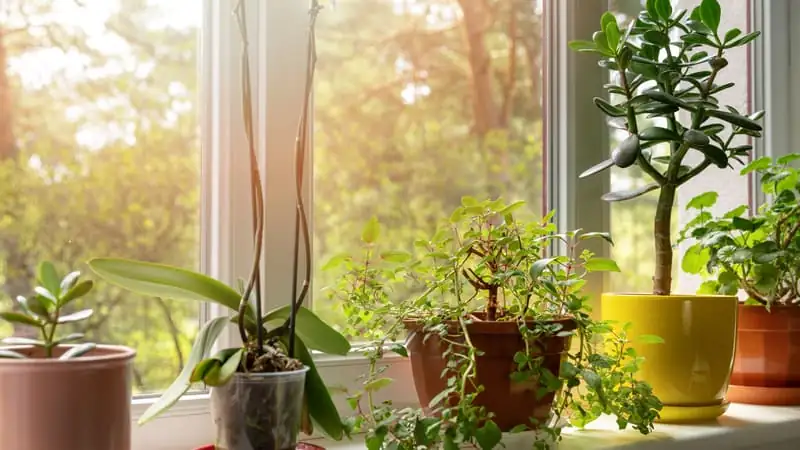
- Indoors: Only in very bright light (ideally a south-facing window). Rotate for even growth and watch watering—indoor air can be fickle.
- Hardiness and climate: Generally hardy in USDA Zones 4–10 (varies by cultivar and winter wet). Best growth comes around 15–22°C (60–70°F). Winter wet, not just cold, is the real villain.
- Humidity: Prefers dry to average humidity and good airflow; stagnant, humid conditions invite powdery mildew.
A pinch of lore and language
- Name roots: Salvia nods to Latin “salvere”—to save or to heal—reflecting centuries of medicinal esteem.
- Flower language and symbolism: Across Europe, sage has long symbolized wisdom, longevity, good health, and domestic virtue—hence the tag “herb of the wise.” These meanings grew from its reputation in Roman and medieval medicine and household use, not from a single ancient text, but from a web of traditions.
- Historic spotlights: The Romans revered sage; Charlemagne famously required it on imperial farms (812 AD). An old story claims Chinese traders once swapped multiple pounds of tea for smaller amounts of French sage tea—proof of its old-world cachet.
Safety and small gotchas
- Kitchen-safe, oil unsafe: Culinary amounts are generally safe, but the essential oil is potent—avoid ingesting it. Sage contains thujone; very large medicinal doses or essential oil ingestion can be harmful and may trigger seizures in sensitive individuals. Seek professional guidance during pregnancy or nursing.
- Pests and snags: Usually resilient. Watch for rosemary beetle, leafhoppers, capsid bugs, slugs, and spider mites (especially indoors). The big headaches are powdery mildew in humid, stagnant air and root rot from soggy soil—both solved by sun, airflow, and sharp drainage.
Fast facts to drop at your next BBQ
- Sage sits proudly in the mint family alongside lavender, rosemary, thyme, and basil.
- Its silvered, fuzzy foliage is a sun-smart adaptation—tiny hairs that shade, cool, and store aroma.
- The flowers’ two-lipped design is a built-in landing pad, and the nectar is a bee and butterfly favorite all summer long.
- Sage often tastes best when “grown hard”—full sun, lean soil, and just enough water.
- Plants become woodier with age; gentle spring pruning and periodic renewal keep them flavorful and handsome.
Ready to grow better-tasting sage? Give it sunshine, grit under its roots, and a little tough love. Your skillet (and the neighborhood bees) will thank you.


