
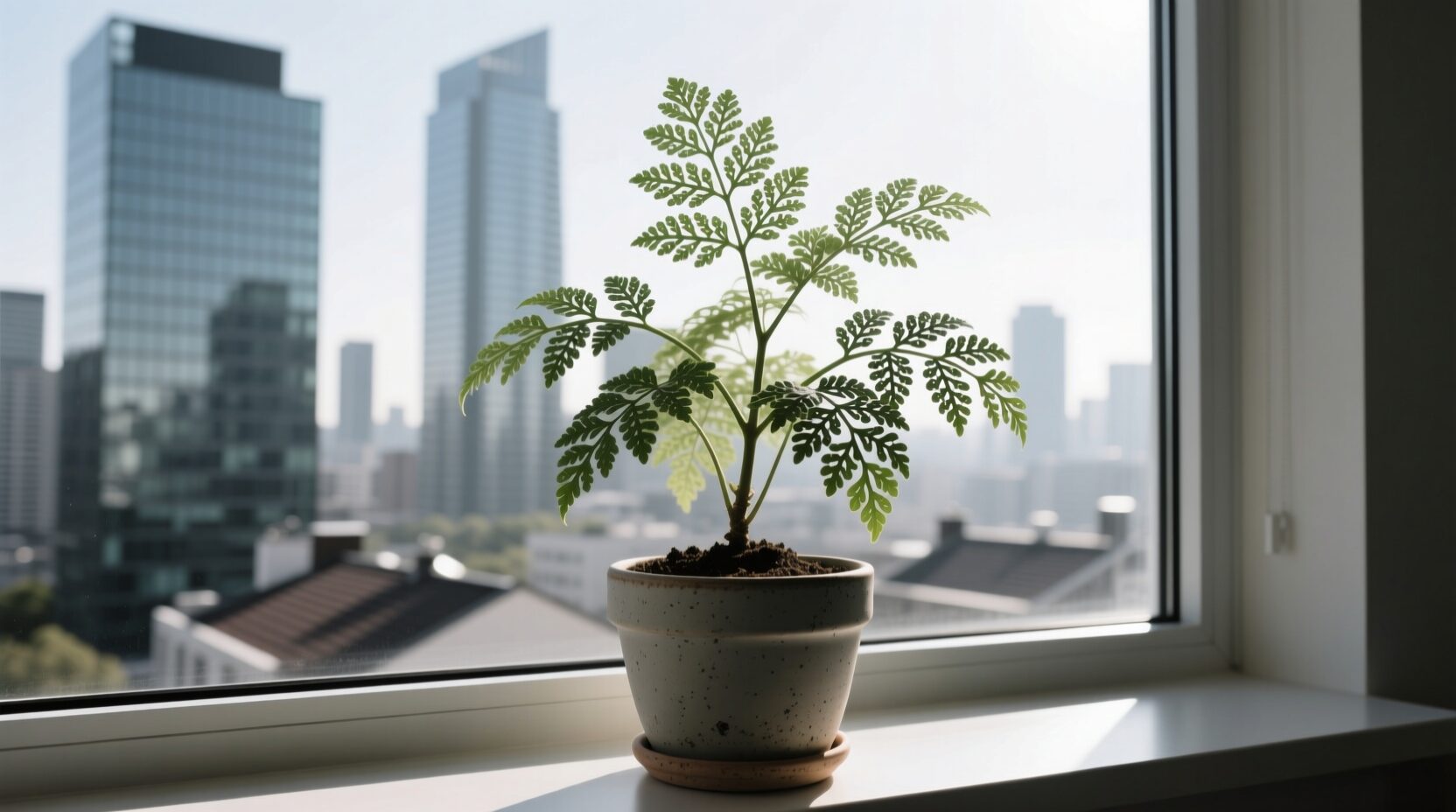
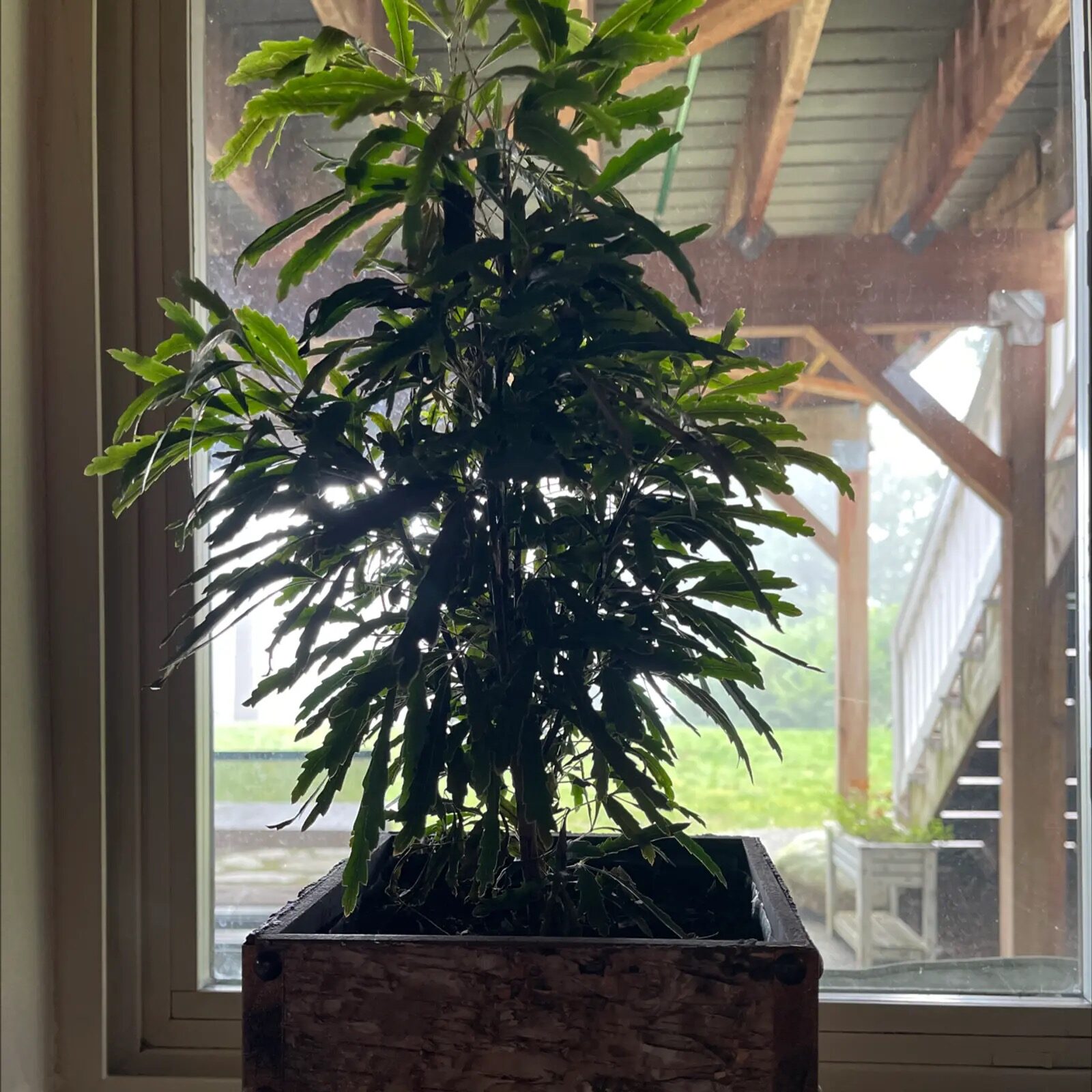
If your False Aralia (Polyscias elegantissima) has suddenly decided to snow leaves, crisp at the edges, or stretch into a lanky broom, take a breath—you can turn this around. This elegant Madagascar native thrives when three things stay steady: warm temperatures, filtered light, and evenly moist (not soggy) soil. Below is a fast, practical diagnostic you can run in minutes, followed by quick fixes for cold snaps, harsh sun, and watering swings. Let’s get your feathery foliage back to lush.
Quick triage: read the plant in 10 minutes
1) Temperature and drafts
- What to check:
- Read an actual thermometer at plant height, morning and night.
- Feel for cold air movement from windows, doors, AC, or vents.
- Thresholds to remember:
- Ideal: 20–30°C (68–86°F).
- Absolute minimum: keep above 13°C (55°F).
- Around 8°C (46°F) or below can trigger damage and rapid leaf drop.
- Quick fix:
- Move it within the warm interior of the room (not pressed against glass).
- Keep it 1–2 m from exterior doors/vents. No blasts of heat or cold.
- After a cold snap, expect delayed leaf drop for 3–10 days; stabilize warmth before watering again.
2) Light and scorch
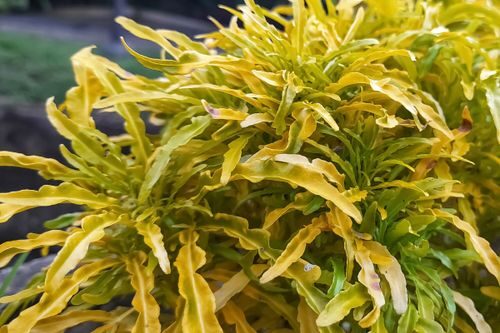
- What to check:
- Midday hand-shadow test: a soft-edged shadow = perfect bright, filtered light. A sharp-edged shadow = too intense.
- Symptoms of excess sun: bleached patches, crisp brown edges, leaf curl on the sunny side.
- Symptoms of too little light: long internodes, sparse top growth, smaller or paler new leaves.
- Quick fix:
- Give bright, filtered light to partial shade; avoid strong direct sun.
- Summer: provide roughly 70% shade or use a sheer curtain.
- Indoors, aim for: east-facing in spring/autumn; gentler north-facing in summer; brightest spot (often south-facing) in winter.
3) Soil moisture reality check
- What to check:
- Probe the mix 5–7 cm deep with your finger or a wooden skewer.
- Lift the pot—unusually light = too dry; heaviness + cold pot = too wet.
- Smell test: sour/anaerobic odor suggests waterlogging.
- What the plant wants:
- Keep the mix evenly and slightly moist in growth; never bone-dry or waterlogged.
- In winter, a touch drier is safer than staying cold and wet.
- Quick fix for drought:
- Rehydrate the whole rootball: bottom-soak 10–15 minutes, drain fully, then resume gentle, even watering.
- Quick fix for soggy soil:
- Tip out excess water, aerate the surface lightly with a chopstick, move to warm, bright filtered light, and wait to water until the top layer begins to dry.
- If roots smell bad or are mushy, repot into fresh, well-drained mix promptly.
4) Humidity and airflow
- What to check:
- Room RH with a hygrometer; look for leaf edges crisping in heated/AC rooms.
- Airflow that’s gentle vs. drafty gusts.
- Targets and tactics:
- Aim for ~60%+ humidity. Group plants, run a humidifier, or use a pebble tray.
- Keep air moving softly; avoid direct blasts from vents. Water soil, not leaves, late in the day to prevent leaf spot.
5) Pests and disease
- What to check:
- Inspect stems and leaf undersides for scale (bumps) and aphids (clusters).
- Leaf spot: dark lesions with yellow halos; often tied to splashing + poor airflow.
- Quick fix:
- Treat pests early with insecticidal soap or horticultural oil; repeat as labeled.
- For leaf spot, remove affected leaves, improve airflow, and avoid wetting foliage late.
Problem-by-problem playbooks
Rapid leaf drop
Top culprits:
- Cold snaps or ongoing drafts
- Big swings from very dry to saturated soil
- Low humidity in heated rooms
- Recent relocation or repot shock
Stabilize fast:
- Temperature: keep above 13°C, aim for a steady 20–30°C.
- Watering: rehydrate or pause (see triage above), then return to even moisture.
- Humidity: raise to ~60%+.
- Light: bright, filtered—no harsh midday sun.
- Be patient: once stabilized, new growth should appear within a few weeks. Hold fertilizer until you see fresh leaves.
Leaf scorch and crispy edges
What happened:
- Strong direct sun singed delicate leaflets, often compounded by low humidity and dry mix.
Fix:
- Shift to filtered light or increase shade to ~70% in summer.
- Add humidity and correct watering to keep the mix slightly moist.
- Trim only fully crisped sections; lightly damaged leaves still photosynthesize.
Legginess and sparse growth
What happened:
- Insufficient light and/or skipped pruning allowed stems to stretch.
Fix:
- Upgrade the light to the brightest filtered spot (seasonally: east spring/autumn; north in summer; brightest south-facing in winter).
- Prune in early summer: cut stems back by about one-third, then again after new shoots appear; repeating 2–3 times encourages dense branching.
- Rotate the pot a quarter turn weekly for even growth.
- Feed monthly in the growing season with a balanced fertilizer; stop in winter.
Watering that prevents drama
- Growing season (spring–autumn):
- Keep the potting mix evenly and slightly moist. Water thoroughly, then allow just the top layer to begin drying before watering again.
- Avoid the extremes: bone-dry to drenched swings often trigger leaf drop.
- Winter:
- Keep above 13–15°C and water less; a touch drier is safer than cold + wet.
Resets for mistakes:
- After drought:
- Bottom-soak to rehydrate, drain, and resume gentle, even watering. Expect some delayed leaf drop; stability is the cure.
- After overwatering:
- Let the top layer dry, improve warmth and airflow, and ensure the cachepot/saucer is emptied. If the mix stays wet or smells sour, repot into a freer-draining medium.
Light, placement, and seasonal moves
- Indoors: bright, filtered light is the sweet spot. Use sheers to soften sun.
- Seasonal cues:
- Spring/autumn: east-facing light suits most homes.
- Summer: move to gentler north-facing exposure or provide ~70% shade.
- Winter: shift to the brightest indoor position (often a south-facing window or balcony) to prevent legginess.
- Outdoor (frost-free only): part shade; protect from harsh midday sun and wind.
Soil, pot, and repotting for resilience
- Mix: loose, well-drained blend such as peat- or leaf-mold-based potting mix amended with coarse sand for drainage.
- Pot: use drainage holes; typical indoor containers start around 15–20 cm diameter, stepping up as roots fill.
- Repot timing: spring, about every two years or when the rootball is snug.
- Root check during repot:
- Healthy roots: firm, whitish/tan.
- Rotting roots: brown/black, mushy, with odor—trim back to firm tissue and repot into fresh mix.
Pruning and propagation: from lanky to lush
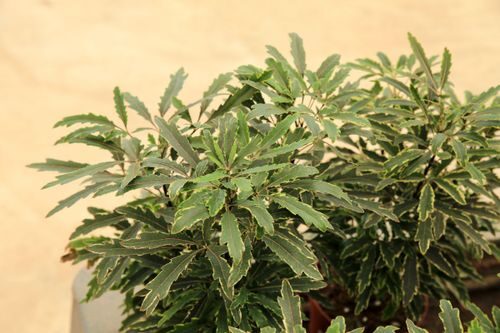
- Shaping: light, regular pruning on young plants keeps a compact outline.
- Hard cuts: older, over-tall plants tolerate a stronger reduction to reset height.
- Branching routine: in early summer, cut stems back by about one-third; when new shoots emerge, prune again. Repeat 2–3 times for a fuller crown.
- Propagation:
- Spring tip cuttings 10–12 cm long root well in a very free-draining medium around 25°C with high humidity (often in 3–4 weeks).
- Also possible: water-rooting and air layering. Seeds can sprout in 3–4 weeks at 19–24°C.
Thresholds and red flags (pin this)
- Temperature: ideal 20–30°C; never below 13°C. Around 8°C can cause damage and leaf drop.
- Light: bright, filtered; avoid strong direct sun. Aim for ~70% shade outdoors in summer.
- Humidity: ~60%+ preferred; boost during dry spells.
- Watering: keep slightly moist in growth; avoid repeated dry–soggy swings. Slightly drier in winter.
- Drafts: dislikes them—keep away from AC/heater vents and exterior door blasts.
Quick fixes for common crises
- After a cold snap:
- Move to stable warmth (20–24°C), raise humidity to ~60%, hold fertilizer, and water only once the top layer begins to dry. Expect some delayed leaf drop; don’t panic-prune.
- After harsh sun:
- Shift to filtered light or add a sheer curtain, increase humidity, resume even moisture, and remove only fully scorched leaves.
- After inconsistent watering:
- Rehydrate or dry down as needed, then set a consistent routine: check soil depth with a skewer, water thoroughly, empty the saucer, and track intervals so you avoid extremes.
Safety, pests, and peace of mind
- Pests: watch for scale and aphids; treat early with insecticidal soap or horticultural oil and repeat as needed.
- Leaf spot: remove affected leaves, improve airflow, and avoid wet foliage late in the day.
- Safety: toxicity isn’t firmly confirmed across major references; treat as potentially irritating if chewed. Keep away from pets and children, and wash hands after pruning.
A note on its “good-luck” reputation
Often called a good-luck foliage plant in parts of China, False Aralia’s symbolism leans on what you see: evergreen poise, finely divided leaves, and steady, upright growth—qualities linked with prosperity and well-being. Whether or not you subscribe to plant “flower language,” keeping this species warm, evenly watered, and gently lit is the most practical way to keep that fortunate vibe thriving in your space.
With temperature steady above 13°C, bright filtered light, and consistent moisture, Polyscias elegantissima stops sulking, fills in, and returns to its feathery best. Stick to the thresholds, prune with purpose, and your “false” aralia will deliver truly handsome foliage year-round.