
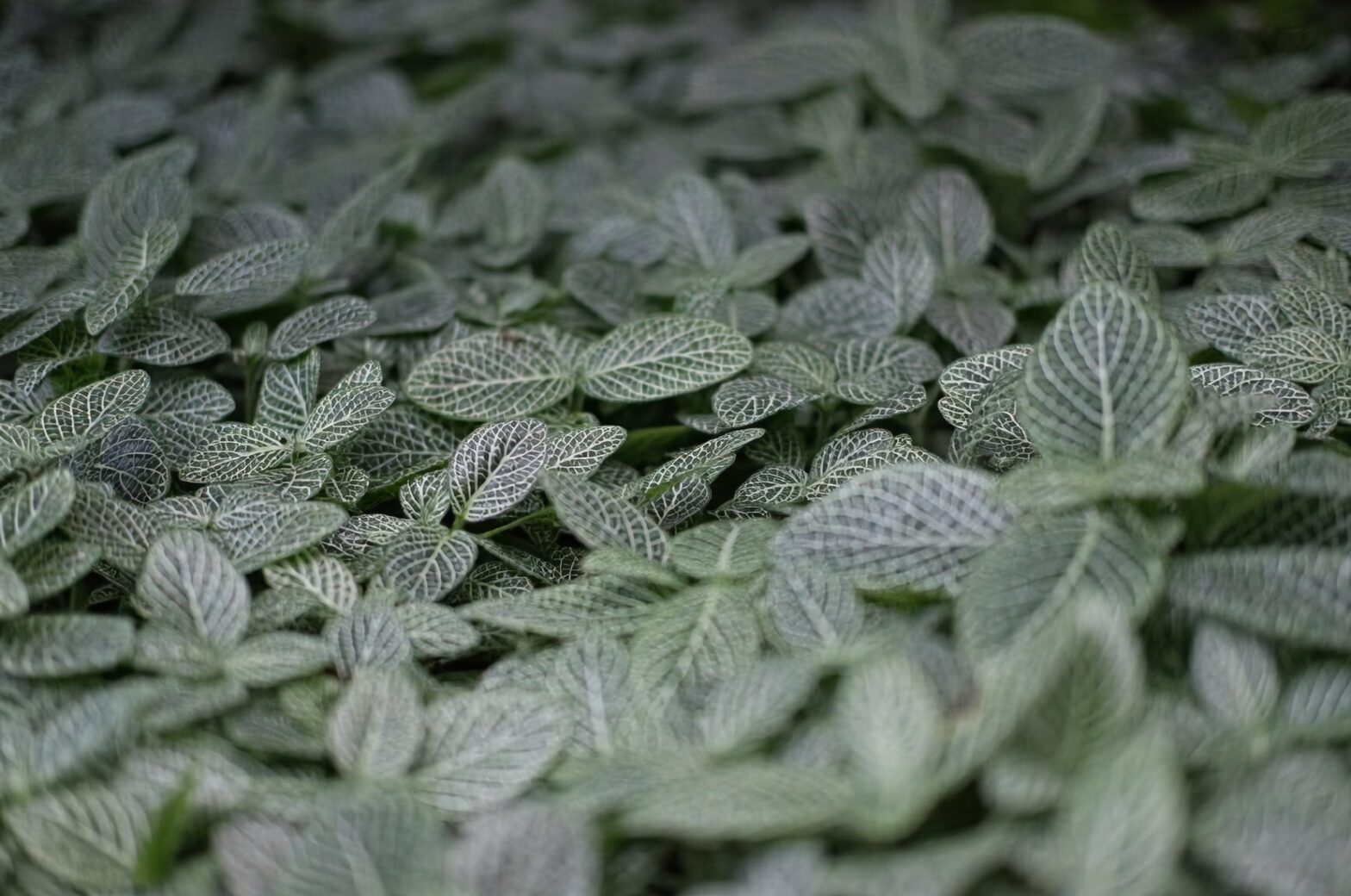
If you’ve ever watched a Nerve Plant crumple into a dramatic swoon and then pop back up after a drink, you’ve met Fittonia verschaffeltii’s most famous party trick. This rainforest native from Peru is a small plant with big emotions—and the science behind its theatrics is both fascinating and incredibly useful for keeping it healthy.
Meet the plant: Fittonia verschaffeltii (Nerve Plant)
- Family: Acanthaceae; Genus: Fittonia
- Origin: Tropical rainforest regions of Peru
- Look: Soft, thin leaves etched with bold “nerve” veins in white, pink, or red (varies by cultivar)
- Size: About 10–20 cm tall, spreading 20–30 cm or more; creeping stems root at the nodes
- Vibe: Shade tolerant, warm-loving, and humidity-hungry—perfect for bright, filtered indoor spots or terrariums
Why Fittonia “faints”: turgor pressure 101
Plants stand tall thanks to turgor pressure—the water pressure inside their cells that keeps leaves and stems firm. When a Fittonia loses water faster than roots can replace it, cells lose turgor and the plant wilts. Add water back, cells refill like tiny water balloons, and the plant springs upright again. Fast wilt, fast fix.
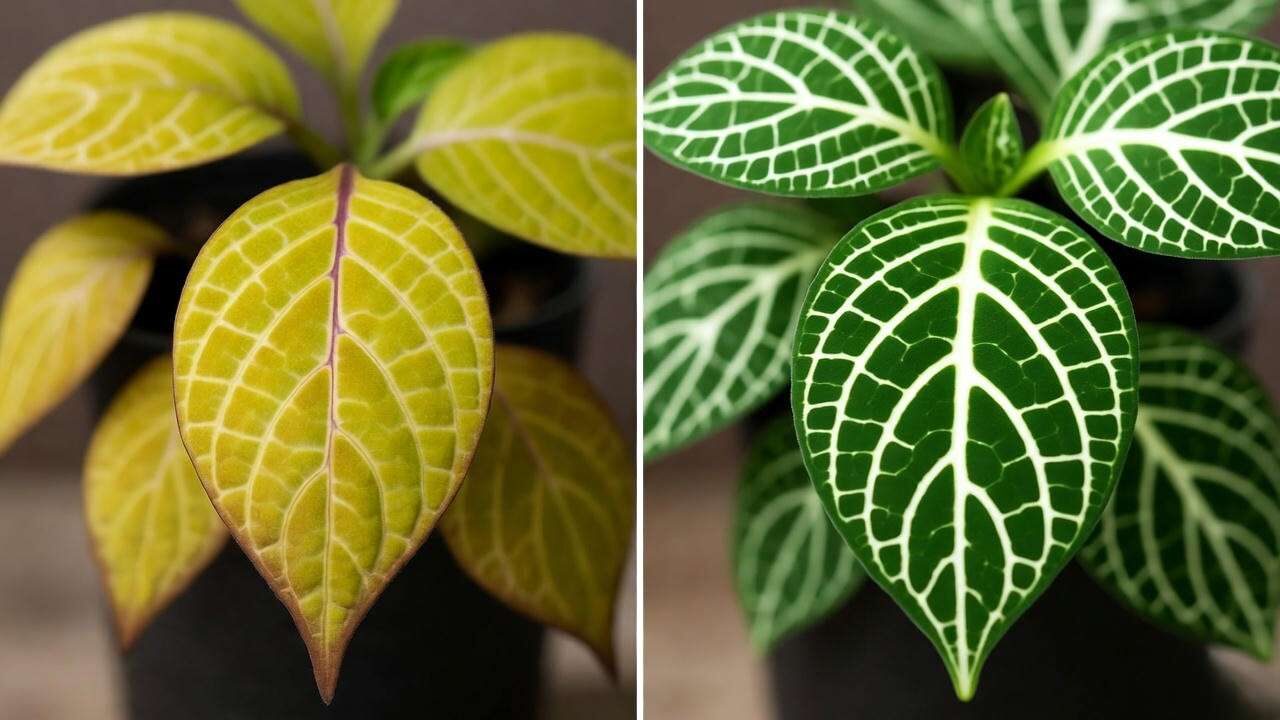
What triggers the drama?
Think of Fittonia as a tiny rainforest understory dweller with:
- Thin, tender leaves that lose moisture quickly
- A fine, shallow root system in small pots (less water reservoir)
- High transpiration in warm, bright rooms
Common triggers for a sudden flop:
- Potting mix allowed to dry too much (most common)
- Bright, hot light or warm drafts that speed water loss
- Low humidity, especially in heated or air-conditioned rooms
- Hydrophobic potting mix (peat-based mixes can repel water after drying)
- Cold dips below 16°C (61°F) or temperature swings
- Overwatering and root stress (yes—soggy roots can wilt leaves)
- Pests like spider mites in dry air, or poor airflow leading to rot
Triage when your Fittonia faints
Act like a plant detective before you water.
1) Check the soil with your finger to the second knuckle.
- Very dry, crumbly, shrinking from the pot edges, and the pot feels light? It’s thirsty.
- Wet, heavy, with a sour smell or yellowing, soft leaves? It’s waterlogged.
- Evenly moist but droopy? Think humidity, heat, light stress, or drafts.
2) Scan the foliage and stems.
- Underwatered: limp, soft leaves that perk up within hours of rehydration; edges may feel a bit crisp.
- Overwatered: yellowing leaves, mushy stems, or persistent wilt even in wet soil.
3) Check the setting.
- Is it in harsh direct sun? Near a heater/AC vent? In a chilly window?
If it’s dry: the safe rehydration protocol
- Water slowly in passes. Pour a little lukewarm water, let it soak in, and repeat until the whole root ball is evenly moist and excess drains freely.
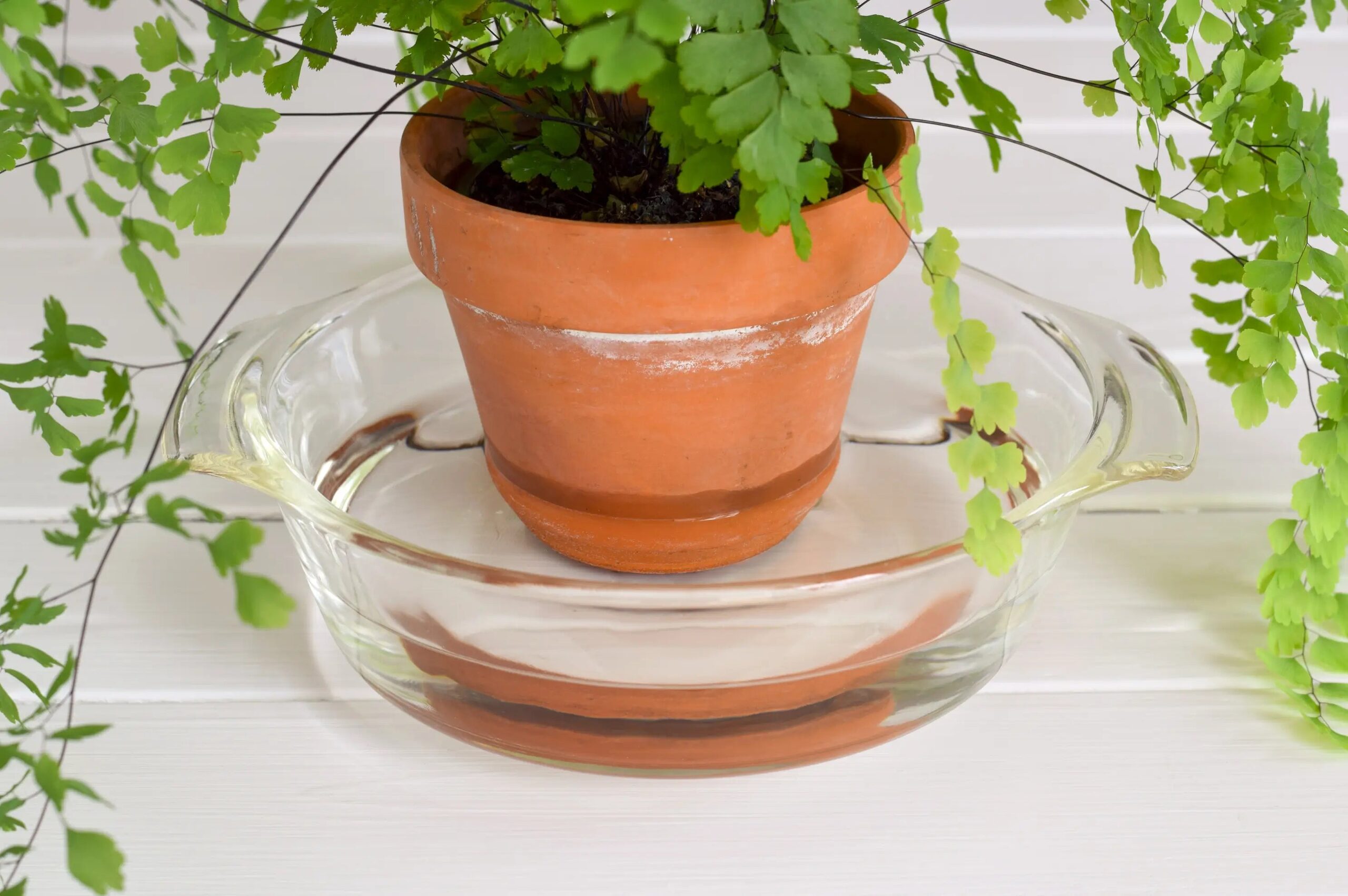
- Or bottom-water: set the pot in a bowl of water for 15–30 minutes, then drain thoroughly.
- Park it in bright, indirect light. Avoid direct sun during recovery.
- Expect a near-miraculous rebound within a few hours to a day. If it took a severe dry-down, recovery can take longer, and some leaves may still crisp.
Pro tip: If water runs right down the sides, the mix went hydrophobic. Bottom-watering is your best fix, and repotting into a fresh, humus-rich mix with perlite will prevent repeats.
If it’s soggy: the gentle rescue
- Remove any excess water from saucers or cachepots immediately.
- Improve airflow and light (still indirect). Keep the room warm (18–25°C / 64–77°F).
- Let the top of the mix start to dry slightly (not fully dry).
- If roots smell foul or stems are mushy, unpot gently, trim any rot, and repot into a rich, well-drained mix (peat- or leaf-mold–based with perlite or coarse sand). Use a pot with a drainage hole.
- Resume careful watering only when the top 1–2 cm (about half an inch) feel just barely dry.
If moisture is fine but it still droops
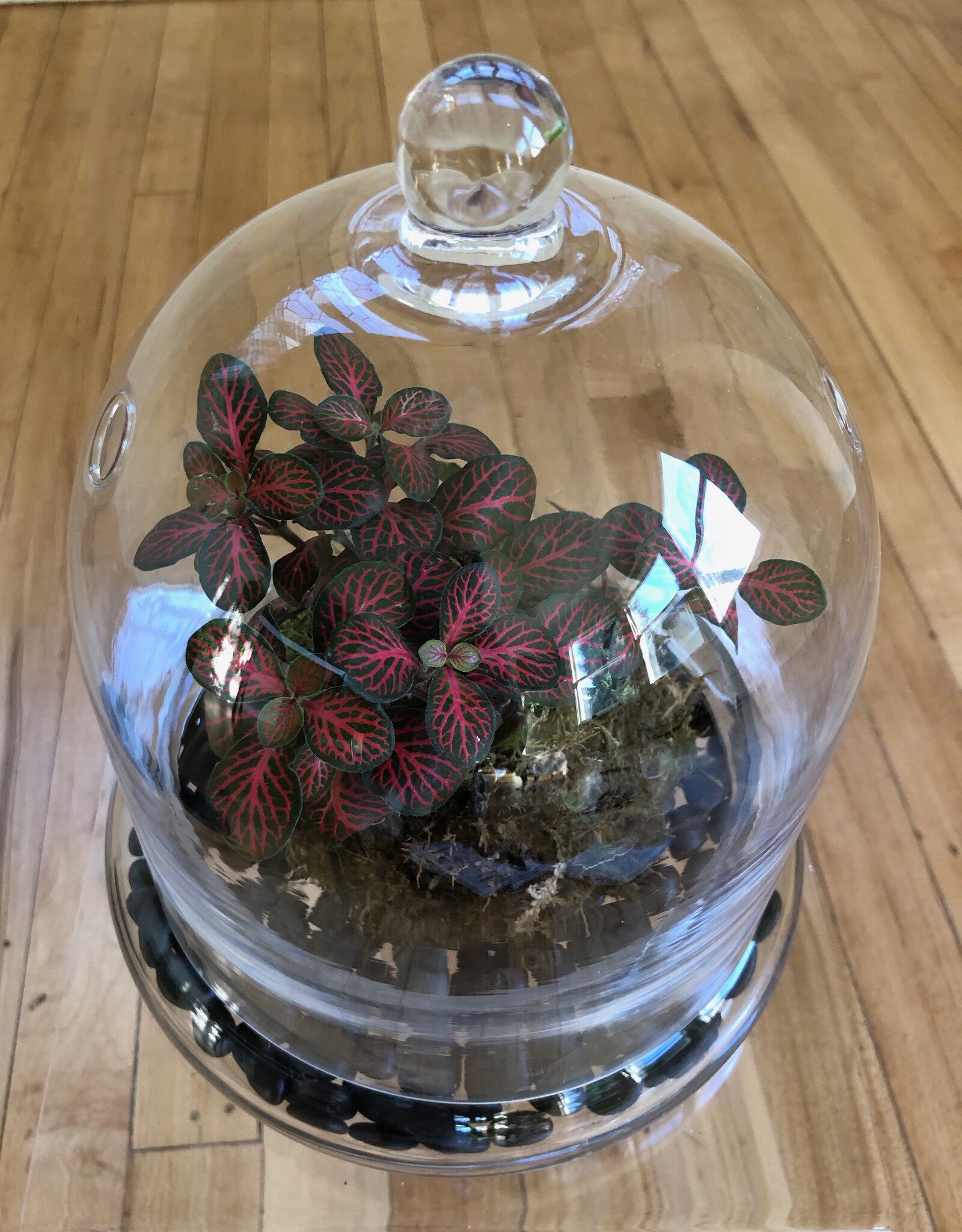
- Raise humidity to 50–70%+ (humidifier, pebble tray with water below the pot’s base, or a terrarium).
- Move to bright, filtered light; avoid harsh sun that scorches leaves.
- Eliminate drafts and cold spots; in winter, keep above 16°C (61°F) and water at midday.
- Check for pests (spider mites, aphids, scale) and treat with a gentle rinse or insecticidal soap.
Preventing future fainting spells
Give your Fittonia the conditions it evolved for—steady, warm, humid, and gently bright.
- Light: Bright, indirect light to partial shade; a sheer-curtained window is ideal.
- Temperature: 18–25°C (64–77°F). Keep winter temps above 16°C (61°F).
- Humidity: 50–70%+. Humidifier or terrarium > occasional misting. If you mist, do it early so leaves dry before night; avoid water sitting on leaves overnight.
- Soil: Rich, humus-heavy, well-drained mix (peat or leaf mold + perlite/coarse sand).
- Watering rhythm:
- Keep evenly moist—never bone dry, never waterlogged.
- In spring–summer, check often; in winter, water a bit less but don’t let the pot dry out.
- Always drain excess; never leave the pot standing in water.
- Feeding: In spring and summer, feed about every 2 weeks with a diluted balanced fertilizer once you see new growth. Keep fertilizer off the leaves.
- Pruning: Pinch tips for a bushy mat; remove yellowing leaves promptly.
- Repotting: Refresh the mix yearly in spring. Divide or trim leggy growth; many growers “restart” older plants with fresh cuttings for a fuller look.
Quick cues cheat sheet
- Thirsty soon? Use smaller, frequent waters rather than rare deluges.
- Leaves crisping at edges? Boost humidity and check for over-bright light.
- Yellowing + soft? Ease up watering; improve drainage and airflow.
- Scorched patches? Too much direct sun—shift to filtered light.
The science behind the speed: why Fittonia wilts so fast
- Minimal hydraulic buffer: Small pots + fine roots + thin leaves = less stored water.
- High surface-area leaves: Gorgeous veins, lots of evaporation surface.
- Rapid turgor shifts: When transpiration outpaces uptake, petioles and leaf blades lose pressure and collapse quickly—but refill just as fast once water returns.
Think of it as a living hydration meter: a quick flop is your polite nudge to water; a slow, persistent wilt signals deeper issues like root stress, cold, or low humidity.
FAQs and myth-busters
- “Should I mist every day?” Light mist can give a brief boost, but lasting humidity comes from a humidifier, pebble tray, or a terrarium. If you mist, aim for daytime so leaves dry before night.
- “Can Nerve Plant live in low light?” It tolerates shade, but growth slows and colors dull. Bright, filtered light keeps it compact and vivid.
- “Is it safe for pets?” Generally considered non-toxic to cats and dogs, though any nibbling can upset sensitive tummies.
A note on flowers and symbolism
- Flowers: Small and modest from late spring to early autumn; the foliage is the star.
- Symbolism: Sometimes linked with Virgo and said to represent rationality and wisdom—a modern, playful association that riffs on those precise, map-like veins rather than a deep historical flower language.
Propagation and a built‑in backup plan
Fittonia is easy to propagate—great insurance if an older plant gets leggy.
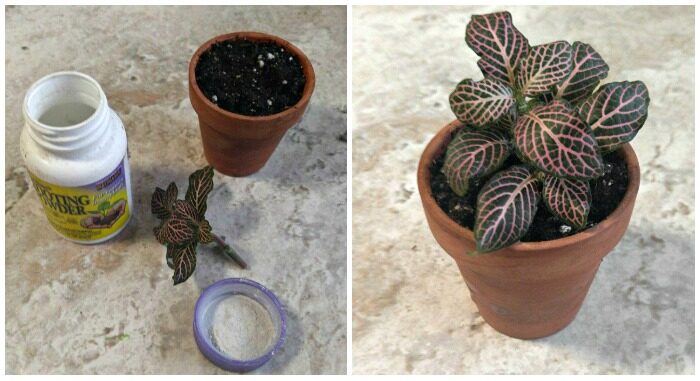
- Take 10 cm (4 in) tip cuttings in spring with 3–4 nodes, strip lower leaves, and stick into a moist peat-based mix or sand. Rooting takes about 2–3 weeks around 20°C (68°F).
- Or divide rooted creeping sections and pot them up. Plant several small starts together for an instant, lush carpet.
Quick care recap
- Light: Bright, indirect; no harsh sun
- Water: Evenly moist; never bone dry or soggy
- Humidity: 50–70%+
- Temperature: 18–25°C (64–77°F); above 16°C (61°F) in winter
- Soil: Rich, well-drained; refresh yearly
- Feeding: Diluted, balanced fertilizer every ~2 weeks in spring–summer
- Placement: Indoors near filtered light; away from vents and drafts; terrarium-friendly
When Fittonia collapses, it’s not being difficult—it’s being honest. Read the wilt for what it is (a turgor SOS), respond with the right kind of water and environment, and your “drama queen” will reward you with a flawless, velvety mat of netted leaves that looks like a living work of art.