

If your China Doll plant just shed a bunch of leaves, take a breath. Radermachera sinica is a gorgeous, glossy-leaved “mini tree,” but it’s also a world-class drama queen when light dips, air gets dry, or a cold draft sneaks in. The good news: that leaf drop is a survival tactic, not a death sentence. Once you understand what the plant is trying to do—and steady its environment—it can rebound quickly and even come back bushier.
Meet Radermachera sinica: poised, layered, and particular
- Origin: Southern China and parts of Southeast Asia
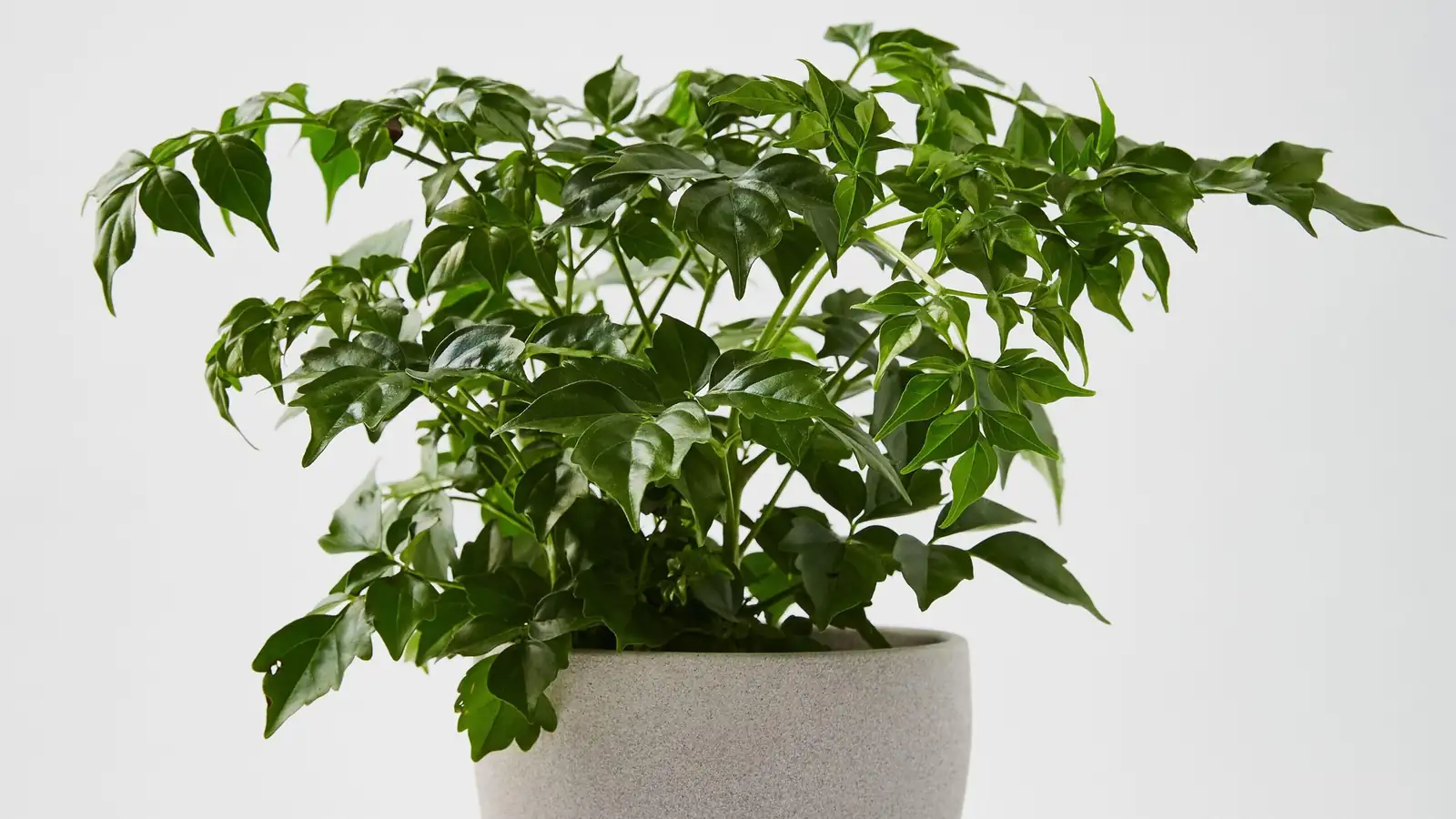
- Look: Neat tiers of deep-green, glossy, compound leaves; an upright, bushy habit that loves a light pinch to stay full
- Indoors size: Often 60–200 cm (2–6.5 ft)
- Light: Bright, filtered light or gentle sun; protect from harsh midday rays
- Climate comfort: Warm (best at 20–30°C / 68–86°F), humidity around 60%+, stable conditions
- Quirk: It punishes inconsistency—especially low light, dry air, cold drafts, and temperature swings—by dropping leaves
Why China Doll suddenly sheds leaves — the physiology behind the drama

When light dips: carbon budgeting and “leaf layoffs”
Leaves are factories. In bright, indirect light they make more sugars than they spend. When light drops (short gloomy days, a move to a dim corner, blinds staying down), your plant’s energy budget flips. To cut maintenance costs, it sheds older leaves—especially on the interior and lower tiers. Hormones like ethylene help trigger abscission (the leaf’s “release line”), so perfectly green leaves may fall if they’re not “profitable” anymore.
Telltale signs:
- Rapid drop of interior/lower leaves after a move or seasonal dimming
- New growth is sparse, paler, or leggy (long internodes)
- Soil stays wet longer because the canopy is smaller and transpiration drops
Dry air: high VPD and hydraulic stress
In dry rooms, the vapor pressure deficit (VPD) between leaf and air skyrockets. Stomata slam shut to conserve water, photosynthesis slows, and edges can crisp. If the plant can’t balance water loss with uptake—common near heaters or in winter—it prunes foliage to reduce surface area.
Telltale signs:
- Leaflet tips/edges brown or roll
- Drop coincides with turning on heating/being near a vent
- Hygrometer reads humidity well below ~60%
Cold drafts and chilling: membrane shock and one-sided drop
A blast of 5–12°C (41–54°F) air from a door, window, or AC can chill leaves and roots. Cell membranes stiffen, signaling cascades kick in, and leaves on the draft-exposed side may yellow and fall quickly.
Telltale signs:
- Overnight yellowing and drop, often more on one side
- Pot parked by a cold window or in the path of an exterior door
- Measured dips below about 12°C (54°F); risk of serious leaf drop grows as temps approach 5°C (41°F)
Temperature swings: yo-yo stress
Big day–night or heater–AC swings disrupt water movement and enzyme activity. The plant responds by pausing growth and shedding to stabilize itself.
Telltale signs:
- Leaf drop after a weekend away with the thermostat off/on cycles
- Wilting at peak heat, then recovery, then shedding
Watering missteps amplify everything
- Overwatering (soggy mix, low oxygen) starves roots and mimics low light—yellowing, then drop; roots may smell sour or look brown/black.
- Underwatering leads to full-leaf wilt and crisping.
Note: China Doll likes even moisture—never bone-dry, never soggy—especially while recovering.
The fast-stabilization playbook (first 48 hours)
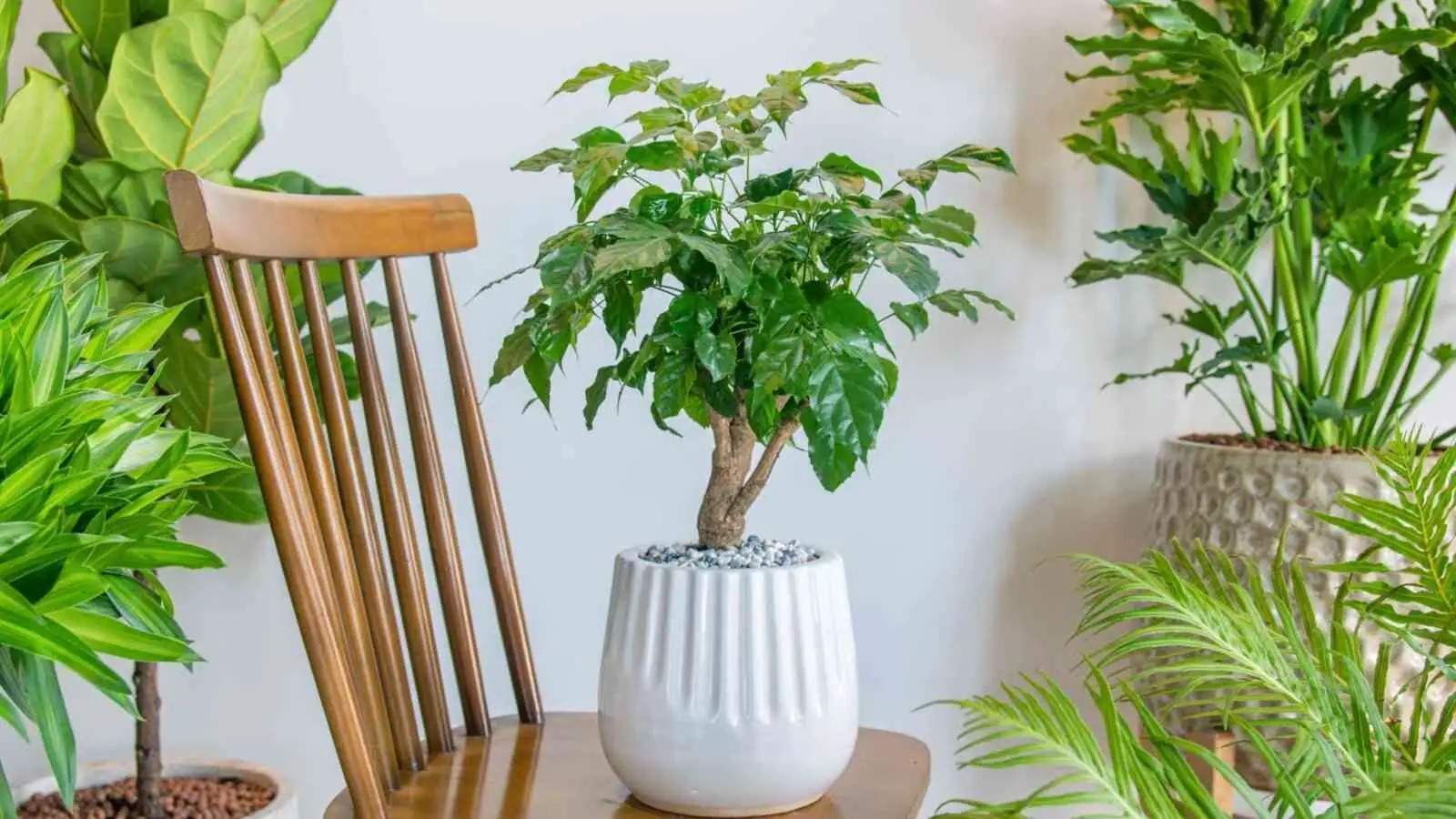
- Park it in bright, filtered light immediately. East window or filtered south light is ideal; avoid harsh midday sun right now.
- Warm and steady: Hold 20–30°C (68–86°F). Keep above 12°C (54°F). No drafts. Keep it away from cold winter glass and HVAC vents.
- Boost humidity to ~60%+: humidifier, pebble tray with water (pot above waterline), or clustering—paired with gentle airflow to prevent leaf spot.
- Check moisture: Water thoroughly only if the top 2–3 cm (about 1 inch) are dry. Drain completely; never leave water in the saucer.
- Don’t repot during shock. Repotting adds stress. Only unpot if you suspect severe root rot.
- Prune strategically: Remove yellowed leaves. If the canopy thinned dramatically, you can reduce leggy stems by about one-third to balance root-to-shoot and stimulate branching.
- Pause fertilizer until you see fresh growth. Then resume light, monthly feeding in the growing season.
- Quick pest sweep: Stress invites scale and whiteflies. If present, treat with insecticidal soap or horticultural oil and improve ventilation.
Dialing in the environment for a strong recovery
Light: bright, indirect as a baseline
- Target: Bright, indirect light or gentle morning sun; protect from harsh midday rays (about 50–60% shade is ideal).
- Best spots: East-facing window, or a few feet back from a bright south window with sheer curtains.
- If light is low, supplement with a grow light 4–5 hours+ daily. Ramp light up gradually (30–60 minutes more per day) to avoid scorch.
Temperature: warm and even
- Sweet spot: 20–30°C (68–86°F).
- Minimums: Keep above ~12°C (54°F) indoors for best performance; avoid dropping below 5°C (41°F).
- Strategy: Keep 0.5–1 m (1.5–3 ft) from winter glass, and well away from heaters/AC vents or door drafts.
Humidity with airflow
- Aim for ~60%+ relative humidity.
- Methods: Humidifier on a timer, pebble trays, group with other plants.
- Always pair with light air movement to deter leaf spot (avoid leaving leaves wet late in the day).
Watering rhythm and soil
- Goal: Evenly moist, never soggy; don’t let the pot dry out completely.
- Spring–autumn: Thoroughly water, then let the top 2–3 cm dry. Many growers give a deeper soak roughly every 2 weeks, adjusting to your room and potting mix.
- Winter: Reduce; for many homes, watering about once every 2 weeks works—but always check the mix first.
- Soil: Loose, fertile, fast-draining—quality potting mix with leaf mold/compost plus coarse sand or perlite. Always use a pot with drainage.
Training it back to lush: pinching and pruning
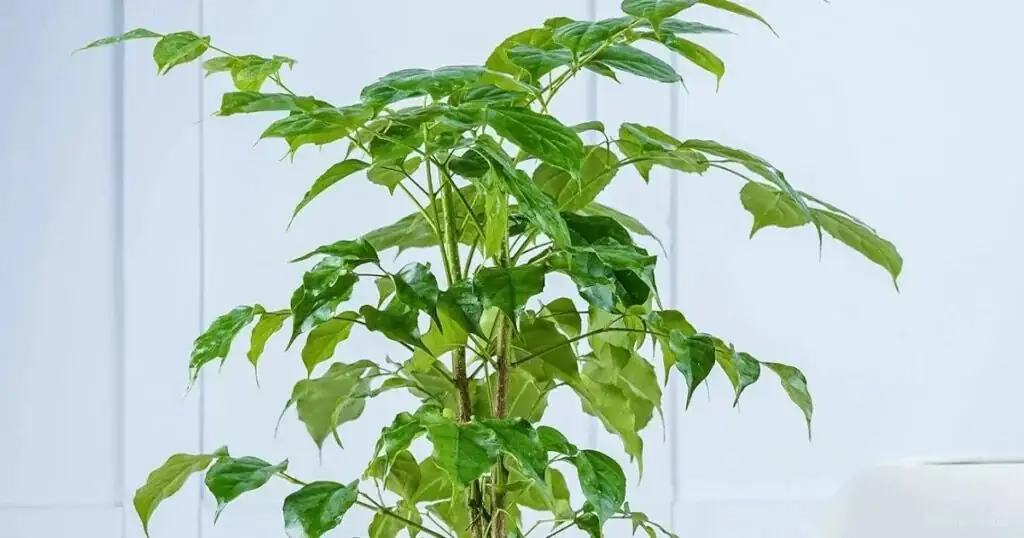
- Pinch tips on new shoots to encourage branching and a compact canopy.
- Prune back overly vigorous or leggy stems during active growth to maintain a tiered, full silhouette.
- Clean, sharp tools; don’t remove more than about one-third at a time unless you’re rescuing a severely defoliated plant.
Should you repot now? Here’s when and how
- Not during an active leaf-drop episode unless there’s confirmed root rot.
- Best timing: Spring, when growth resumes. Repot yearly for young, actively growing plants or when rootbound.
- Step up one pot size; don’t jump too large.
- Mix: Well-draining (potting soil + leaf mold/compost + perlite/coarse sand). Water in, then resume the steady-care routine.
Quick diagnostics: decode the leaf drop
- Interior green leaves falling after a move or darker days
- Likely cause: Light dip
- Fix: Brighter filtered light, gradual acclimation, modest pruning
- Brown, crispy tips/edges; drop after heat kicks on
- Likely cause: Dry air/high VPD
- Fix: Humidity to ~60%+, pebble tray/humidifier, airflow
- Overnight yellowing/drop on one side near a door/window
- Likely cause: Cold draft/chilling
- Fix: Relocate away from drafts; keep above ~12°C
- Episodic drop after AC or space-heater cycles
- Likely cause: Temperature swings
- Fix: Stabilize thermostat; avoid direct airflow
- Yellowing from the bottom up, soggy soil, musty smell
- Likely cause: Overwatering/hypoxia
- Fix: Let mix partially dry, improve drainage; trim rotten roots if needed
- Entire leaf wilts and crisps; soil pulling from pot walls
- Likely cause: Underwatering
- Fix: Rehydrate fully, then maintain even moisture
Semi-hydro/water culture: a tidy alternative
If you like steady moisture and easy monitoring:
- Rinse roots clean after unpotting; trim damaged bits.
- Add clean stones to fill ~1/3 of a container; spread roots; fill to ~4/5 with stones; firm gently.
- Add water slowly to the base of the roots (don’t submerge the entire crown).
- Bright filtered light. Top up weekly (adjust for evaporation). Add a hydroponic nutrient solution about monthly.
- Refresh water regularly for oxygen.
Health and safety notes
- Pests: Scale insects and whiteflies are the usual suspects—especially in warm, humid, stagnant rooms. Treat early with horticultural oil or insecticidal soap and improve ventilation.
- Leaf spot: Avoid wetting foliage late in the day; increase airflow and remove affected leaves.
- Toxicity: Generally regarded as non-toxic to people and pets, though nibbling may upset sensitive stomachs. Keep out of reach as a sensible precaution.
A note on “happiness” and symbolism
Often sold as the “Happiness Tree,” its lush, layered calm has become a modern emblem of prosperity and steady good fortune—especially in studies and offices. It’s more a contemporary houseplant story than ancient lore, but the symbolism tracks: when you keep the environment stable, the plant—and the room—feels composed and thriving.
A simple seasonal rhythm to prevent future drama
- Spring: Repot if needed; resume monthly feeding; pinch tips for shape; sow seeds at 18–21°C (64–70°F) if you’re experimenting.
- Summer: Bright, filtered light; shield from harsh midday sun; maintain even moisture and higher humidity. Pause fertilizer during extreme heat.
- Autumn: Keep bright; lighten watering to “just moist” as growth slows; wipe leaves to keep them glossy.
- Winter: Warm and stable (ideally above 12°C/54°F). Avoid drafts. Water sparingly (often ~every 2 weeks) and stop feeding. Keep humidity up to reduce leaf drop.
Bottom line: Radermachera sinica sheds leaves to balance its books when conditions wobble. Give it bright filtered light, warm steadiness, and softly humid air; water evenly without extremes. Stabilize first, prune lightly, then be consistent. Your “mini tree” will forgive the theatrics and come back lush.