

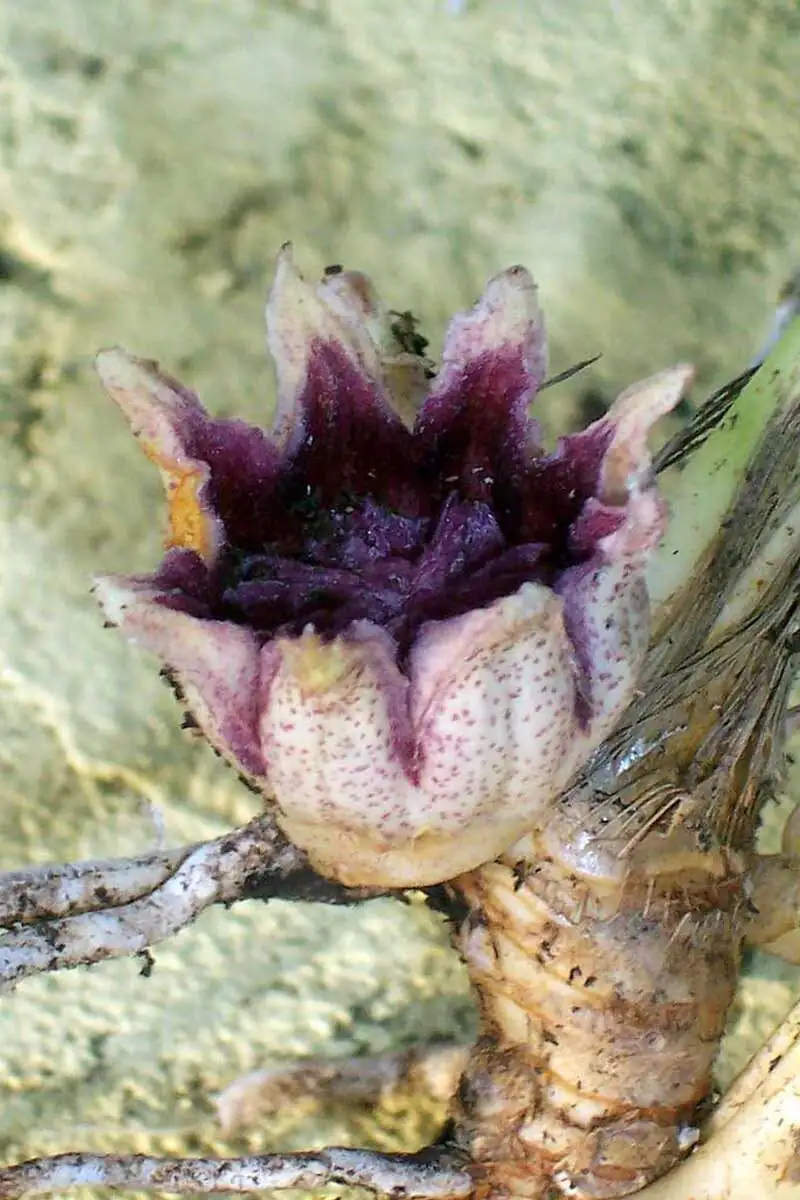
Meet the cast-iron plant’s best-kept secret: its flowers don’t wave from stems or float above the leaves. They crouch like tiny, glossy goblins at the soil line—half-buried, brownish-purple bells you could easily mistake for pebbles or mushroom buttons. Blink and you’ll miss them. But lean in, part the leaf litter, and a whole hidden world appears.
Meet Aspidistra elatior, master of subtlety
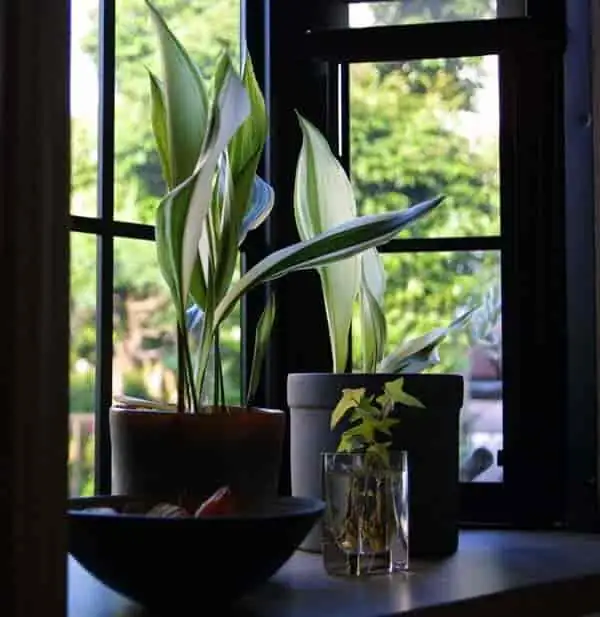
Commonly called the cast-iron plant (aka “bar-room plant”), Aspidistra elatior is a slow, steady housemate—content in dim corners, unbothered by low humidity, and indifferent to a missed watering or two. Native to Japan (especially the Ryukyu Islands) and Taiwan, it grows from creeping rhizomes into evergreen clumps of long, leathery leaves—deep green in the classic form, with streaks or speckles in showier cultivars.
- Family: Asparagaceae
- Habit: Clump-forming perennial from rhizomes
- Typical indoor size: About 60 × 60 cm (24 × 24 in)
- Personality: Quiet, resilient, and full of surprises at ground level
The sneaky blooms at ground level
Those surprises? Fist-sized leaves hide button-sized flowers. From late winter into spring (with indoor timing often sporadic), small bell-shaped blooms push right out of the soil, sometimes half-buried and tucked beneath the foliage. They’re fleshy, glossy, and colored in deep brownish-purple tones—more woodland truffle than rose.
Spotter’s guide: how to actually find them
- Check at the base of each leaf, where the rhizome meets the mix.
- Look for low, star- or bell-like cups no bigger than a coin.
- Gently brush aside bark chips or leaf litter—flowers often bloom under debris.
- Best window: late winter to spring, especially after a cool, low-light winter rest.
- Don’t expect fragrance fireworks—if anything, think quiet, earthy, and close to the ground.
Who’s pollinating these secretive cups?
For decades, a charming myth said slugs and little beach amphipods were the matchmakers. The idea stuck because people saw slugs visiting plants in European gardens. But “visitor” doesn’t equal “pollinator,” and slugs are notorious petal nibblers.
Recent field work in the plant’s native southern Japanese islands flipped the script: the main pollinators are fungus gnats. The flowers look a bit like mushrooms, and fungus gnats—who adore fungi—arrive, mill around, and leave dusted in pollen. It’s a clever bit of mimicry on a miniature stage: a low-profile bloom, mushroom-esque in color and form, pitched perfectly at insects that cruise the forest floor.
Indoors, of course, your living room isn’t exactly teeming with wild fungus gnats from Ryukyu forests. That’s a big reason you’ll rarely see successful pollination—or even frequent flowering.
Why indoor flowers are so rare
Even though cast-iron plants tolerate low light, flowering is a different physiological ask than just making leaves. Several factors conspire to keep blooms scarce inside:
- Maturity matters: Young or recently divided plants put energy into roots and leaves. Older, well-established clumps are more bloom-prone.
- Seasonal cues get blurred: In nature, a cool, dim winter slides into spring. Indoor climates smooth out those contrasts, and the plant may never “hear” the signal to bloom.
- Energy budget: Low light sustains foliage, but reproductive structures demand a little more surplus energy. Bright, indirect light helps.
- Pot routine: Frequent repotting or heavy disturbance of the rhizomes can delay flowering. Aspidistra likes a steady, slightly pot-bound life.
- Stealth factor: Flowers are tiny and half-buried. They may bloom and fade without you noticing.
How to gently coax a bloom (no heroics required)
- Light: Keep it in partial to full shade, but choose bright, indirect light over the darkest corner if blooms are your goal. Avoid harsh direct sun.
- Temperature rhythm: Allow a cool rest in winter within 5–20°C (41–68°F). A mild, safe cool-down can be a nudge.
- Watering finesse: Water when the surface of the mix dries, and water less in winter. Never let the pot sit in water—soggy soil discourages everything, flowers included.
- Soil and pot: Use a loose, well-drained mix—try a 1:1 blend of standard potting soil and a multi-purpose mix, kept airy with perlite. A 12.5–20 cm (5–8 in) pot is usually plenty; upsize only every 2–3 years.
- Feeding: From spring through late summer, feed monthly at half-strength with a balanced liquid fertilizer. Skip the heavy hand—moderation wins.
- Patience: A settled plant with a stable routine outperforms a fussed-over one.
If you’re lucky enough to spot one
- Celebrate quietly: These blooms are a low-key marvel. Photograph them from the side to catch the cup’s interior architecture.
- Look for company: In gardens (USDA Zones 8–11), you might spot tiny flies nosing around. Indoors, pollinators are scarce—enjoy the sighting even if no berries follow.
- Curious about hand-pollination? You can gently touch a soft paintbrush inside one open flower, then dab into another to transfer pollen. Results vary, and seeds aren’t necessary for plant health—the rhizomes will keep the clump expanding just fine.
- Good to know: Aspidistra elatior is commonly regarded as non-toxic to cats, dogs, and people.
Symbolism and “flower language”
In the language of plants, Aspidistra’s blossom barely whispers—but the plant shouts resilience. Its cultural halo formed in Victorian and early 20th‑century interiors, where it shrugged off smoke and gloom, earning the nickname “bar-room plant.” That stoic performance built its modern symbolism: endurance, steadfastness, and grace under neglect. If you seek a “flower language” moment, it’s not frills and romance; it’s a quiet promise to keep going, leaf after leaf, season after season.
Quick care recap for bloom-curious growers
- Light: Partial to full shade; bright, indirect light is perfect. Avoid strong direct sun.
- Water: Let the top of the mix dry between waterings. Reduce in winter. Never waterlog.
- Temperature: 5–20°C (41–68°F) preferred; protect from hard frost outdoors.
- Humidity: Fine in typical indoor air—no misting required.
- Feeding: Monthly at half-strength in spring through late summer.
- Repotting: Every 2–3 years, only one pot size up.
- Propagation: Divide rhizomes during repotting—each piece should have roots and a growth point.
- Pests: Generally trouble-free; watch for scale, mealybugs, and spider mites in dry rooms.
Fun, ground-level facts
- The flowers form right at the soil line—many indoor growers never see them.
- Their brownish-purple, mushroom-like look likely helps lure fungus gnats in the wild.
- Aspidistra’s “cast-iron” reputation is well earned: it tolerates low light, average home humidity, and the occasional lapse in care better than most foliage stars.
Parting thought: Aspidistra elatior is the botanical equivalent of a shy comedian—deadpan by day, mischievous at the soil line when you’re not looking. If you want in on the joke, slow down, look low, and let the seasons do their quiet work.