

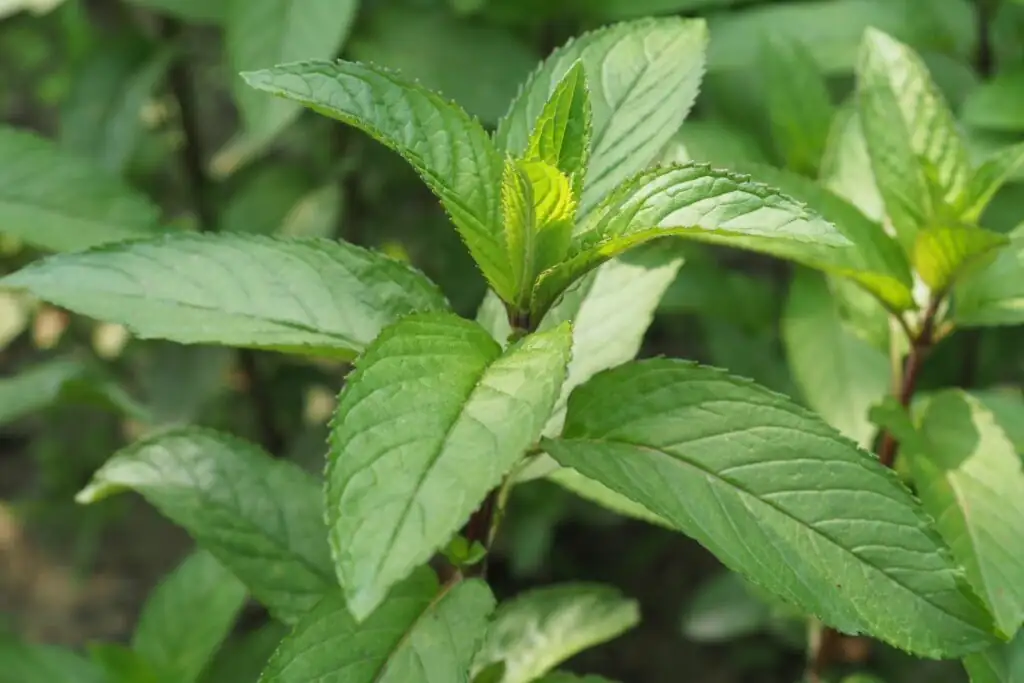
Ever wondered why a sip of peppermint tea can make plain water feel like a mountain stream? Or why your mint stems feel like tiny square pencils? Peppermint (Mentha × piperita) is a sensory show-off—part chemistry set, part pollinator buffet, and part unstoppable underground explorer. Here’s a tour of the fun, surprising, try-it-yourself side of this beloved herb.
Meet Peppermint up close
- Identity: Mentha × piperita, a mint-family (Lamiaceae) herb with the classic square stems and head-clearing aroma.
- Origin: Native to Europe and Asia; now cultivated and naturalized far and wide in temperate regions.
- Habit and size: Herbaceous perennial, typically 30–90 cm tall and spreading. In pots, keep it neat at 15–30 cm with regular snipping.
- The big personality: Above ground, it clumps and carpets; below ground, it sends out vigorous rhizomes (think subterranean noodles) that help it colonize space fast—great for groundcover, but best kept in containers or behind barriers.
Peppermint’s “cool” trick: menthol and your TRPM8 receptors
That “mint chill” isn’t temperature—it’s neuroscience. Menthol in peppermint tickles cold-sensing TRPM8 receptors on your nerves, convincing your brain you’re cooler than you are.
Try this at home:
- Rub a freshly bruised peppermint leaf on the inside of your wrist.
- Waft air over the spot or sip room‑temperature water.
- Notice the exaggerated cool sensation—menthol has switched on TRPM8 like a tiny AC unit for your skin and mouth.
Pro tip:
- Use leaves, not concentrated essential oil on skin (EO can irritate). Keep mint oils away from eyes, children, and pets.
Square stems you can feel
Mint-family plants have stems with four ridges. It’s oddly satisfying to test.
- Roll a stem gently between thumb and forefinger—you’ll feel the corners.
- Snip a tiny cross‑section and peek: a neat square instead of a round circle.
Rhizome superpowers (and how to channel them)
Peppermint loves to roam via underground rhizomes. That’s why it’s both a stellar groundcover and a notorious garden escape artist.
Containment you can try:
- Pot‑in‑pot: Grow in a 12–15 cm pot, then drop that into a larger, decorative sleeve. Lift easily for trims and checks.
- Root barriers: Bury a bucket or bottomless container as an in‑ground collar if you want it in beds.
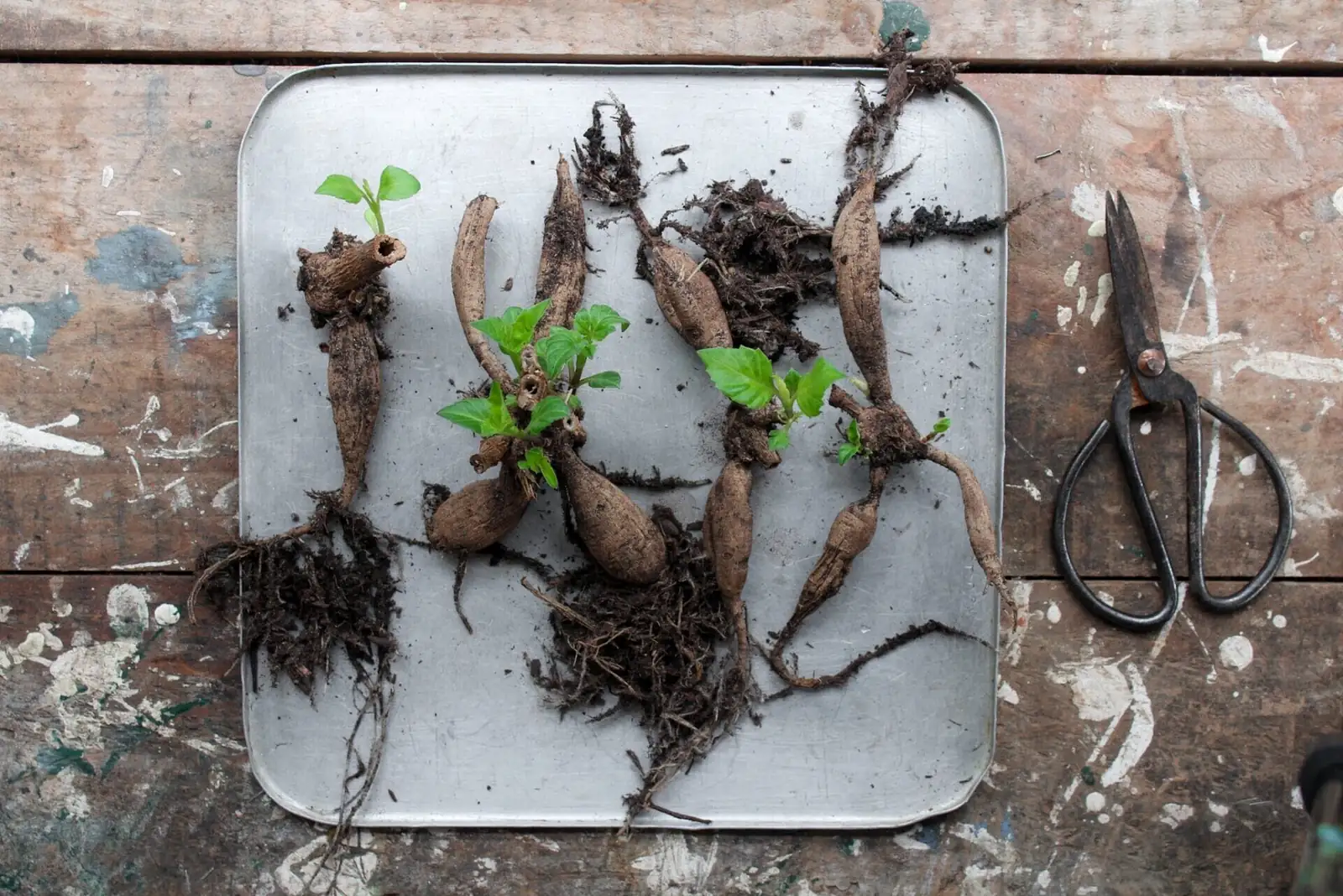
- Spring rhizome refresh (around March): Slide the plant out, shake off old soil, keep the thick, pale, vigorous rhizomes, compost the weak ones, and replant into fresh rich mix.
Cold cunning:
- Foliage may be zapped below 0°C (32°F), but rhizomes often survive to about −15°C (5°F). In very cold regions, pot culture makes winter care easy.
Bee‑loving summer blooms you can stage
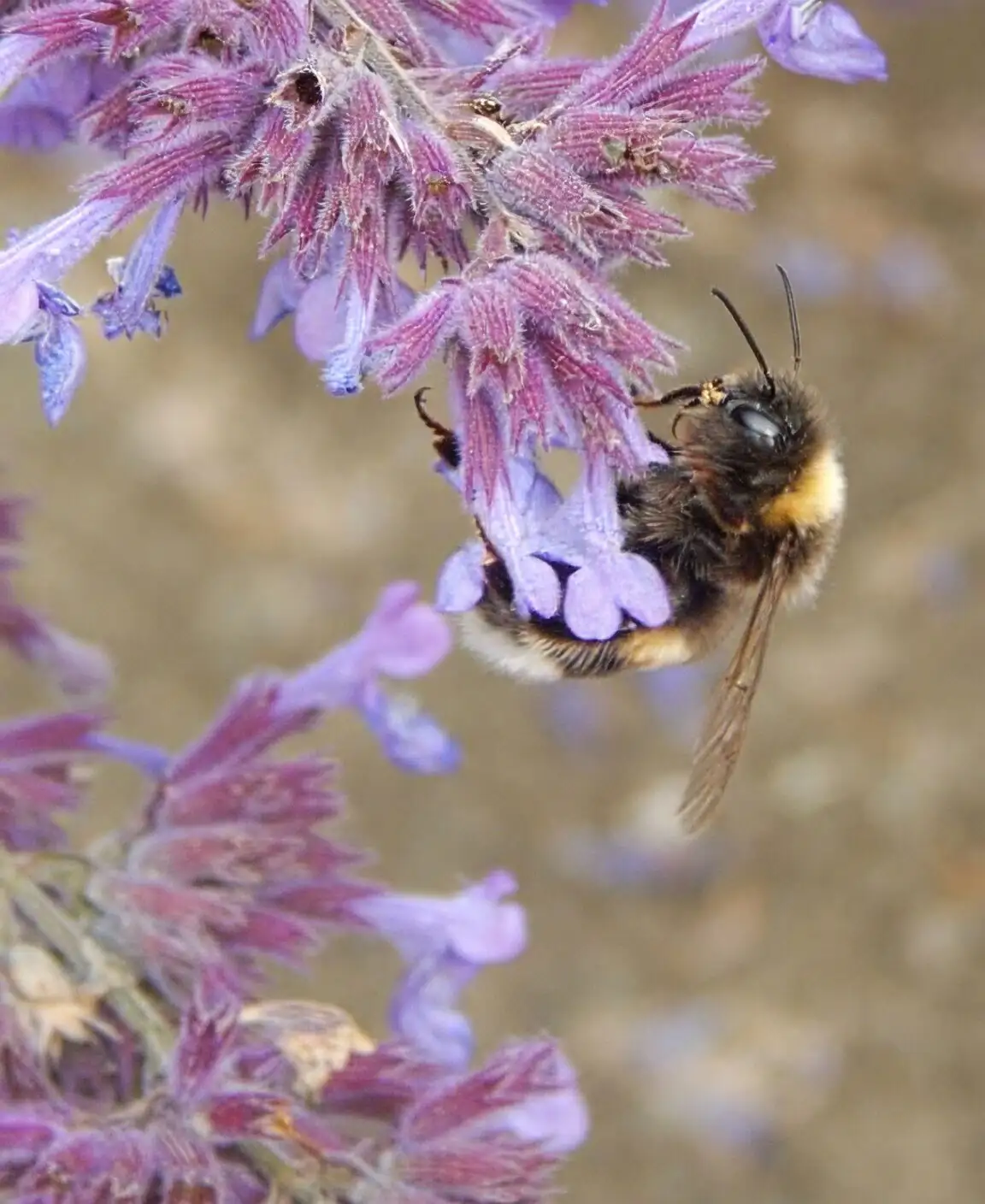
Peppermint’s small, nectar‑rich flowers appear in summer, usually pale purple to pink, and they’re like open invitations to bees and butterflies.
A simple balcony pollinator station:
- Full sun to partial shade spot.
- Let a portion of your plant flower (keep the rest clipped for cooking).
- Watch who shows up—bees adore those short spikes.
Flavor vs flowers:
- Frequent harvesting keeps leaves tender and flavorful.
- Letting some stems bloom is great for pollinators; just expect leaf intensity to dip slightly on those flowering shoots.
Flavor lab: fast experiments for brighter, cooler mint
- Light makes might: Grow in bright light for punchier leaves. Compare a sunny pot with a shadier one—sunny leaves usually taste stronger.
- Morning vs afternoon harvest: Snip in the morning for a crisper, cleaner flavor (aromatics are often most balanced then).
- Bruise test: Gently clap a sprig between your palms—inhale. Breaking leaf cells releases a rush of menthol‑rich aroma.
- Hydration test: Keep soil evenly moist. Dry spells mute flavor and stress leaves. In hot, dry air, a light misting can help reduce leaf stress.
Grow‑it‑right basics (with playful precision)
Light
- Full sun to partial shade; sunny balconies and bright windowsills work beautifully.
Temperature and humidity
- Best growth: 20–30°C (68–86°F).
- Winter: If overwintering indoors, aim for 10–12°C (50–54°F) and water sparingly.
- Keep the soil evenly moist in the growing season; slightly moist in winter. Avoid soggy roots.
Soil
- Rich, well‑drained yet moisture‑retentive. A loam‑based mix with compost/leaf mold plus sand or perlite is ideal. Mix in compost or a base fertilizer at planting.
Feeding
- During active growth, feed every 2 weeks; in peak summer, weekly with a diluted, well‑rotted liquid fertilizer is fine.
- Stop feeding as stems start to wither back.
Pruning and harvesting
- Pinch tips when plants reach 15–20 cm to encourage branching.
- For harvest, cut stems back, leaving ~10 cm above soil. It resprouts readily; expect 3–4 good cuts once established.
Propagation you can practice
- Cuttings (May–July): Take 10 cm tips, strip lower leaves, soak 1–2 hours in water, then stick into sand/vermiculite. Roots often form in about 2 weeks.
- Division (April–May or early November): Lift and slice thick rhizomes; replant the sturdiest sections.
- Seed: Surface‑sow indoors; tiny seeds need light and steady moisture.
Pests and diseases (keep it breezy)
- Watch for powdery mildew, gray mold, rust, leaf spots, and spring–summer caterpillars.
- Fixes: Trim for airflow, remove affected leaves promptly, avoid wetting foliage late in the day, and only use locally approved controls as directed.
A quick seasonal game plan
- Spring: Repot/divide in March. Move outdoors to sun/bright light; start regular feeding.
- Late spring–summer: Keep evenly moist; pinch, harvest, and let a few stems bloom for bees. Take cuttings (root in ~2 weeks).
- Autumn: Final harvests; reduce feeding as growth slows.
- Winter: Water lightly; keep just slightly moist if still growing. Overwinter indoors in cool, bright conditions if needed.
Kitchen play: cooling, comforting, and clever
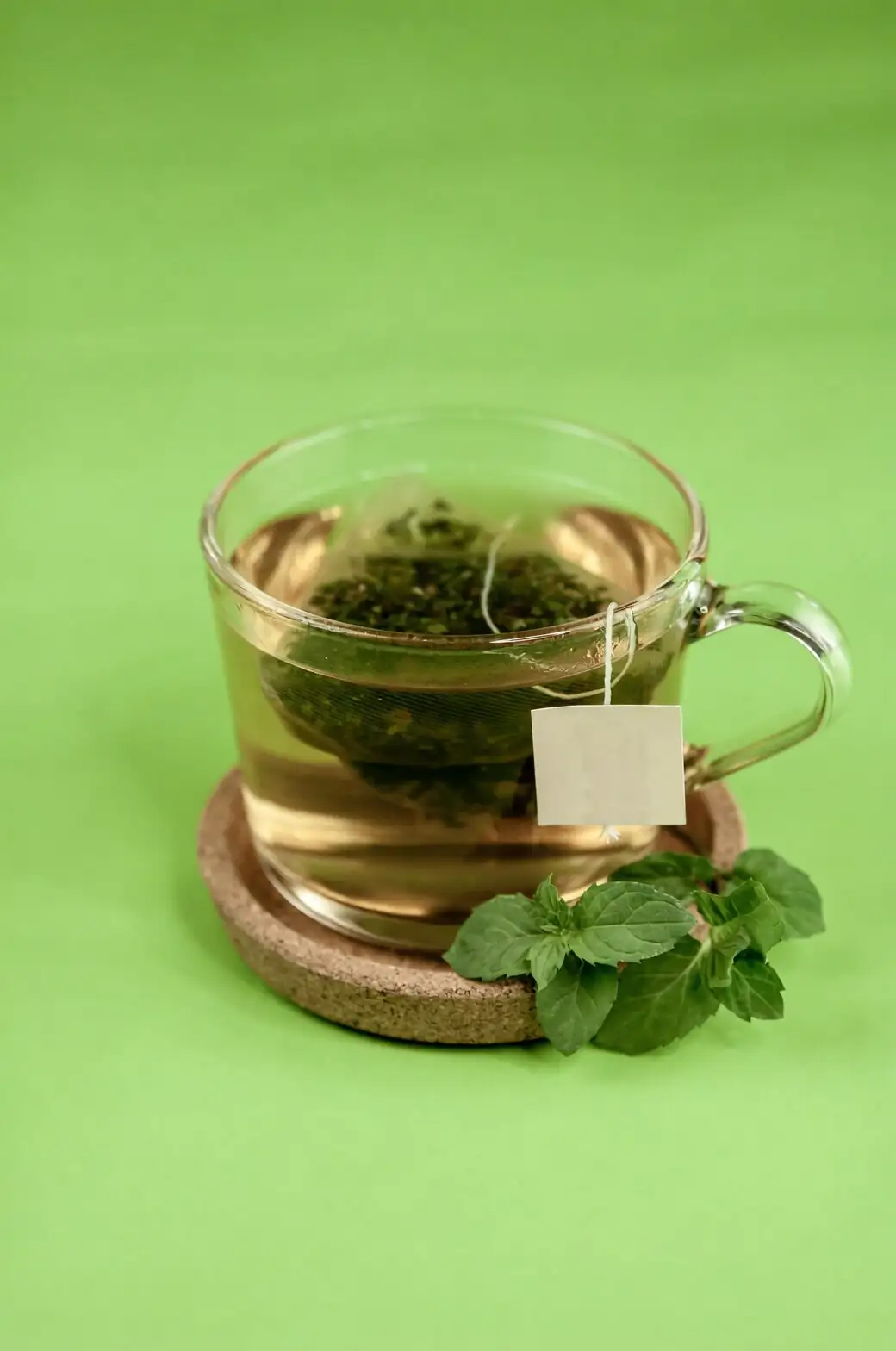
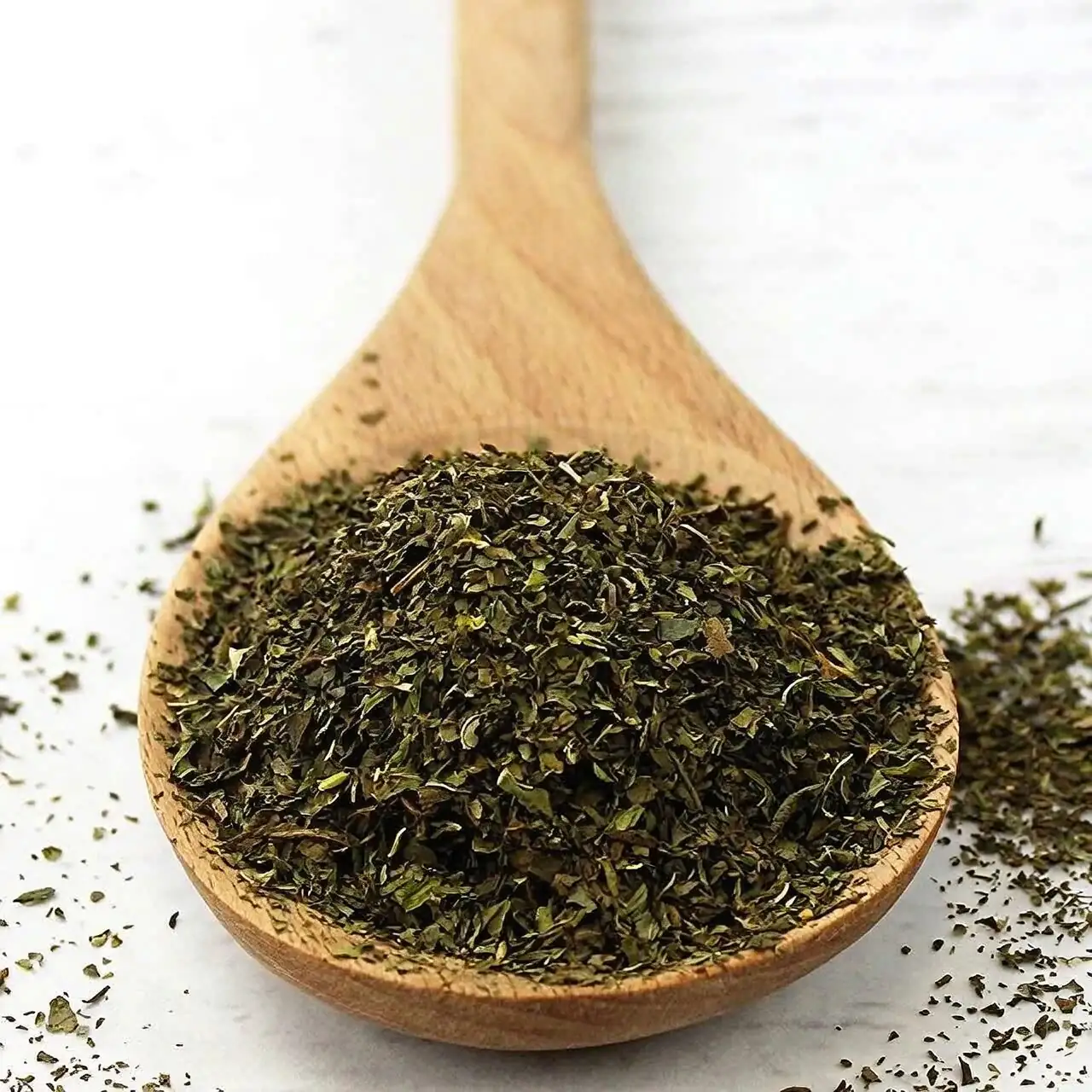
- Crisp mint tea: Steep a handful of fresh leaves 5–7 minutes; inhale the vapor for that TRPM8 tingle.
- The gentlest comfort: Simmer fresh leaves in water, strain, and stir the infusion into rice porridge for a cooling, throat‑soothing dish.
- Instant flavor cubes: Pack chopped peppermint into an ice tray, top with water, freeze. Pop into summer drinks and desserts.
- Cut‑and‑come‑again: Frequent snipping keeps plants bushy—and your kitchen continually supplied.
Safety notes worth knowing
- As a culinary herb, peppermint is generally non‑toxic when used normally.
- Concentrated peppermint essential oil can irritate skin and mucous membranes—handle with care and keep essential oils away from children and pets.
Flower language and deeper meaning
Peppermint is widely linked with freshness, clarity, and hospitality. The idea traces to the long tradition of welcoming scents and herbs in homes—minty cleanliness signals “you’re welcome here” and “breathe easy.” Modern “flower language” often retrofits meanings to plants; for peppermint, the symbolism aligns naturally with its unmistakably clean, cooling aroma and centuries of use in comforting teas and bright, friendly food.
Fun facts to share (and show off)
- Tip cuttings often root in about 2 weeks—try a water‑vs‑perlite rooting race.
- Even if frost flattens the tops, cold‑tolerant rhizomes can rebound after winter.
- Left unchecked, peppermint forms a dense, carpet‑like mat—beautiful, aromatic, and best contained.
- Summer flowers are a reliable bee magnet—create a micro‑meadow in a single pot.
- Regular harvesting keeps leaves tender and cranks up the flavor.
Where to place it (and how to choose a plant)
- Perfect places: Balcony, sunny patio, bright kitchen window, or a moist garden edge near a pond or drain—just use barriers to prevent runaway spreading.
- When buying: Choose plants with a bold mint scent and fresh green leaves; avoid blackened stems, visible mildew, or severely root‑bound pots. Typical starter pots are 8–15 cm.
Peppermint may be the easiest herb to love: it’s a science demo, a pollinator stopover, a home fragrance, and a cut‑and‑come‑again kitchen staple—all in one square‑stemmed, rhizome‑powered package. Go ahead, pinch, sniff, sip, and see for yourself.