
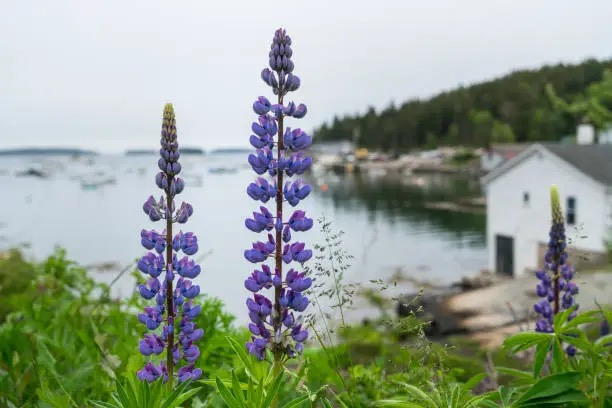
What makes those lupine spires so dramatic? Start with a rocket of color; add starburst leaves that hold the light; power it all with a microscopic team fixing nitrogen. Lupinus polyphyllus—bigleaf or garden lupine—is snackable science in bloom.
The drama is in the details
A staircase of flowers
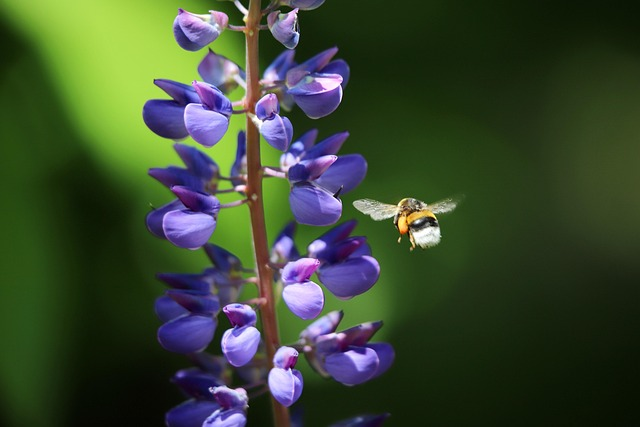
- Each spike is a dense raceme of pea-flowers that opens from the bottom upward. Think of it as a lit fuse climbing the candle.
- Why it matters:
- Pollinators can work their way up the spike as fresh florets open—meaning sustained traffic from bees and butterflies.
- For the vase, harvest when about one-third to one-half of the florets are open; the rest will continue to unfurl in water.
- In the garden, prompt deadheading (cutting spent spikes before they seed) often coaxes a smaller encore flush later in cool-summer climates.
Palmate, fan-handed leaves
- The foliage forms basal rosettes of palmate leaves—many narrow leaflets radiating like green fingers of a fan.
- Aesthetics meet micro-texture: leaves are medium to deep green and often lightly hairy, giving a soft, sometimes silvery sheen in angled light.
- Practical surprise: broad, fingered blades spread the plant’s photosynthetic “net” without heavy self-shading, keeping energy flowing to those towering flower spires.

Nitrogen-fixing partners: quiet soil alchemy
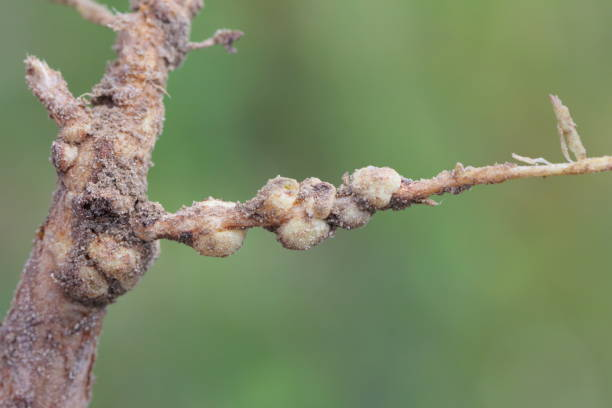
- As a legume, lupine roots host compatible rhizobia in nodules that convert atmospheric nitrogen into plant-friendly forms.
- Science bite:
- In the genus Lupinus, nodulation commonly involves Bradyrhizobium sp. (Lupinus), a partnership that can enrich the surrounding soil ecosystem over time.
- In restoration and range projects, lupin seeds are sometimes inoculated with rhizobia to jump-start the partnership; in gardens, local soils often supply compatible microbes naturally.
- Gardener’s twist:
- Lupine may help the neighborhood, but it still prefers leaner, well-drained soil for best bloom. Overdo nitrogen and you’ll get plush leaves at the expense of flowers.
- Container-grown plants benefit from light, low-nitrogen feeding during active growth; garden-grown plants rarely need fertilizer.
Deer-resistant by design
- The plant’s bitter quinolizidine alkaloids make it unappetizing to deer and rabbits—another reason spikes often stand tall and untouched.
- Important safety note:
- Those same alkaloids make lupine toxic if ingested—especially the seeds. Keep plants and seed pods away from children, pets, and grazing livestock.
- “Sweet lupin” foods come from specially selected, low-alkaloid species and require proper processing. Ornamental garden lupines are not for the table.
Architecture behind the spectacle
- Habit: an upright, clump-forming perennial that sends up vertical spires from a basal rosette.
- Scale: typically 60–120 cm (24–48 in) tall and 30–60 cm (12–24 in) wide; in good conditions, flower spikes can stretch toward 150 cm (60 in). Dwarf selections stay around 30–60 cm (12–24 in).
- Secret engine: a strong taproot anchors the plant and fuels growth, but it dislikes disturbance—another reason to choose a spot carefully and avoid transplanting mature clumps.
Where they come from, and where they shine
- Origins: native to western North America, especially the Pacific Northwest; widely cultivated and naturalized elsewhere. While many lupine species hail from the Mediterranean, bigleaf garden lupine (L. polyphyllus) is a North American native.
- A rainbow made by people: early 20th-century breeder George Russell selected for taller spikes and richer colors, giving us the celebrated Russell Hybrid look—blues, purples, pinks, reds, whites, pastels, and arresting bicolors.
Preferred conditions (why your lupines look happiest in cool air)
- Sun:
- Cool-summer regions: full sun for best bloom.
- Warm/southern regions: give light or afternoon shade to reduce heat stress.
- Temperature: ideal in 13–24°C (55–75°F). Established plants tolerate light frost and roughly -15°C (5°F) in winter, but prolonged hot, humid weather can shorten their lifespan.
- Humidity and airflow: moderate humidity is fine—just avoid still, crowded plantings that invite powdery mildew.
- Soil:
- Well-drained sandy or loamy soil; evenly moist during spring growth, never waterlogged.
- Slightly acidic (about pH 5.5–6.5) tends to suit them.
- Avoid heavy clay unless you’ve improved drainage, and avoid nitrogen-rich soil that pushes leaves over flowers.
- Hardiness: USDA Zones 4–8 (often best in Zones 4–6). Can be short-lived in warmer, humid zones.
Care, the snackable way
Watering
- Keep evenly moist while establishing and through spring growth.
- In garden beds, water during dry spells; in containers, water as the mix dries—often about twice a week in spring and more in warm, breezy weather. Prioritize drainage and avoid wetting spikes late in the day to curb mildew.
Feeding
- In-ground: usually unnecessary. If growth is weak, use a light, balanced feed sparingly or add compost.
- Containers: light, low-nitrogen feeding every couple of weeks in active growth supports flowering.
Pruning and grooming
- Deadhead spent spikes promptly to prevent seeding and encourage a possible late-season encore.
- At season’s end, cut back yellowed foliage to near ground level.
Propagation
- Seed: the most common route.
- Scarify hard seeds (nick or sand lightly) or soak 24–48 hours before sowing.
- Direct-sow outdoors in autumn (often October) or early spring; cover 2–3 cm (0.8–1.2 in) and keep evenly moist.
- Expect germination in roughly 3 weeks. Thin to 30–40 cm (12–16 in).
- Note: many showy garden types (e.g., Russell Hybrids) won’t come true from seed.
- Division: possible in spring or after flowering but risky—taproots resent disturbance.
- Basal cuttings: sometimes successful on select plants in spring.
Placement and containers
- Great for the back of borders, cottage gardens, meadow-style plantings, and along paths. Compact cultivars can thrive in large, deep containers if you respect their taproot and drainage needs. Place where air moves freely.
Pests, diseases, and how to outsmart them
- Aphids (including lupin aphids): catch early with a firm water spray, insecticidal soap, or horticultural oil. Watch tender growth in spring; thrips can also appear.
- Slugs and snails: protect young plants.
- Powdery mildew: common in humid, still air—space plants, avoid overhead evening watering, and remove badly infected leaves.
- Leaf spots, rust, and crown/root rot: minimize by ensuring sharp drainage and good airflow.
Cut-flower quick wins
- Harvest when ~1/2 the florets are open for the best vase life.
- Strip lower leaves, place in clean, cool water, and keep out of direct sun.
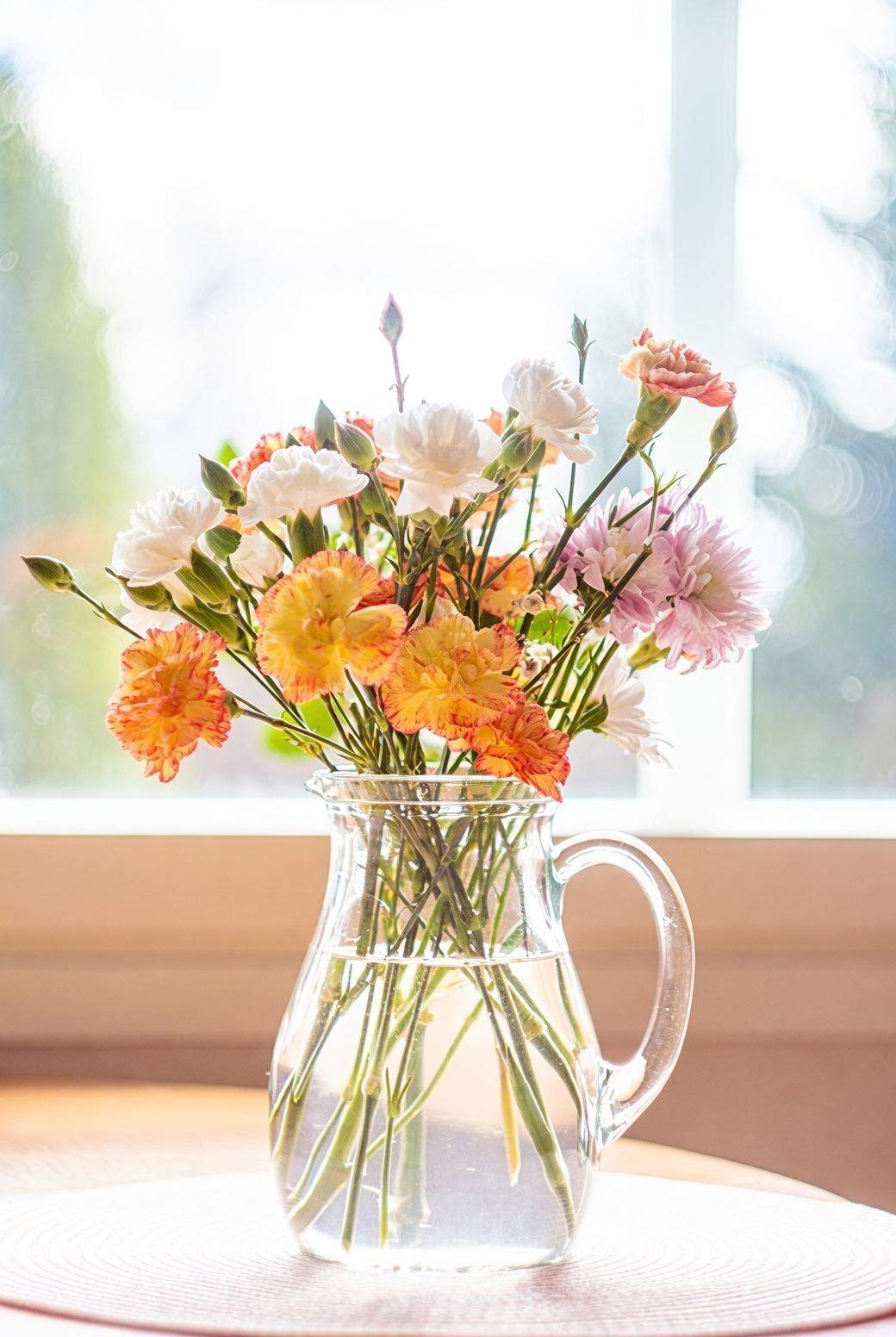
- Their graphic, candle-like lines are stunning on their own or as a vertical accent in mixed arrangements.
Ecology and good garden manners
- Pollinator-friendly: bees and butterflies frequent the blossoms, which offer a staged supply of nectar and pollen as the spike progresses.
- Naturalization note: outside their native range, some lupines escape gardens. In certain places (famously Iceland), introductions used for erosion control later proved controversial for aggressive spread. Enjoy them, but follow local guidance on planting and deadheading to limit unwanted seeding.
Symbolism, stories, and a pinch of skepticism
- Etymology twist: the name lupine traces to Latin “lupus” (wolf). Medieval lore accused the plants of “wolfing” soil fertility. In truth, lupines partner with microbes to improve soils via nitrogen fixation—the opposite of the old slander.
- Flower language:
- Common associations include imagination, creativity, happiness, and a nurturing, generous love—fitting for a plant that gives color and, slowly, nitrogen to its companions.
- In some traditions, the “wolf” name lent a shadow of voraciousness or greed. Consider this a cultural echo, not a botanical verdict: symbolism reflects our stories more than plant behavior.
Fast facts to remember
- Species: Lupinus polyphyllus (bigleaf/garden lupine), family Fabaceae.
- Look: palmate rosettes; tall, candle-like spikes in blues, purples, pinks, reds, whites, and bicolors.
- Bloom: spring to early summer; bottom-to-top opening; possible smaller second flush if deadheaded.
- Size: typically 60–120 cm tall; spikes can reach ~150 cm.
- Hardiness: USDA 4–8; happiest in cool summers.
- Soil: well-drained, slightly acidic; keep evenly moist in spring.
- Sun: full sun in cool zones; afternoon shade where summers run hot.
- Traits: nitrogen-fixing, deer-resistant (not deer-proof), pollinator-friendly, heat sensitive.
- Caution: toxic if ingested—especially seeds—by pets, children, and livestock.
FAQ
Why won’t my lupine bloom?
- Usual suspects:
- Too much shade.
- Overly rich/high-nitrogen soil (leaves instead of flowers).
- Heat stress.
- A plant that’s still young. Provide strong light (with afternoon shade in hot regions), leaner soil, and avoid nitrogen-heavy feeds.
Can I transplant lupines?
- They dislike being moved due to their deep taproot. Transplant only when young and keep the root ball intact. For established plants, it’s often better to sow seed where you want them or start new plants rather than relocating old ones.
How do I get a second round of flowers?
- Deadhead promptly—cut the spent spike before seed pods form. In cool-summer climates, this often encourages a smaller repeat bloom.
Can garden lupine be eaten?
- No—treat ornamental lupines as toxic. Only verified low-alkaloid “sweet lupin” types, properly processed, are used as food. Do not experiment with ornamental seeds.
The take-home: Lupinus polyphyllus earns every gasp with simple, elegant biology—sequential blooms that stage their own show, fan-handed leaves catching light, microbial partners fueling growth, and a chemical toolkit that keeps deer at bay. Give it cool air, sharp drainage, and a little elbow room, and those skyward spires will do the rest.