

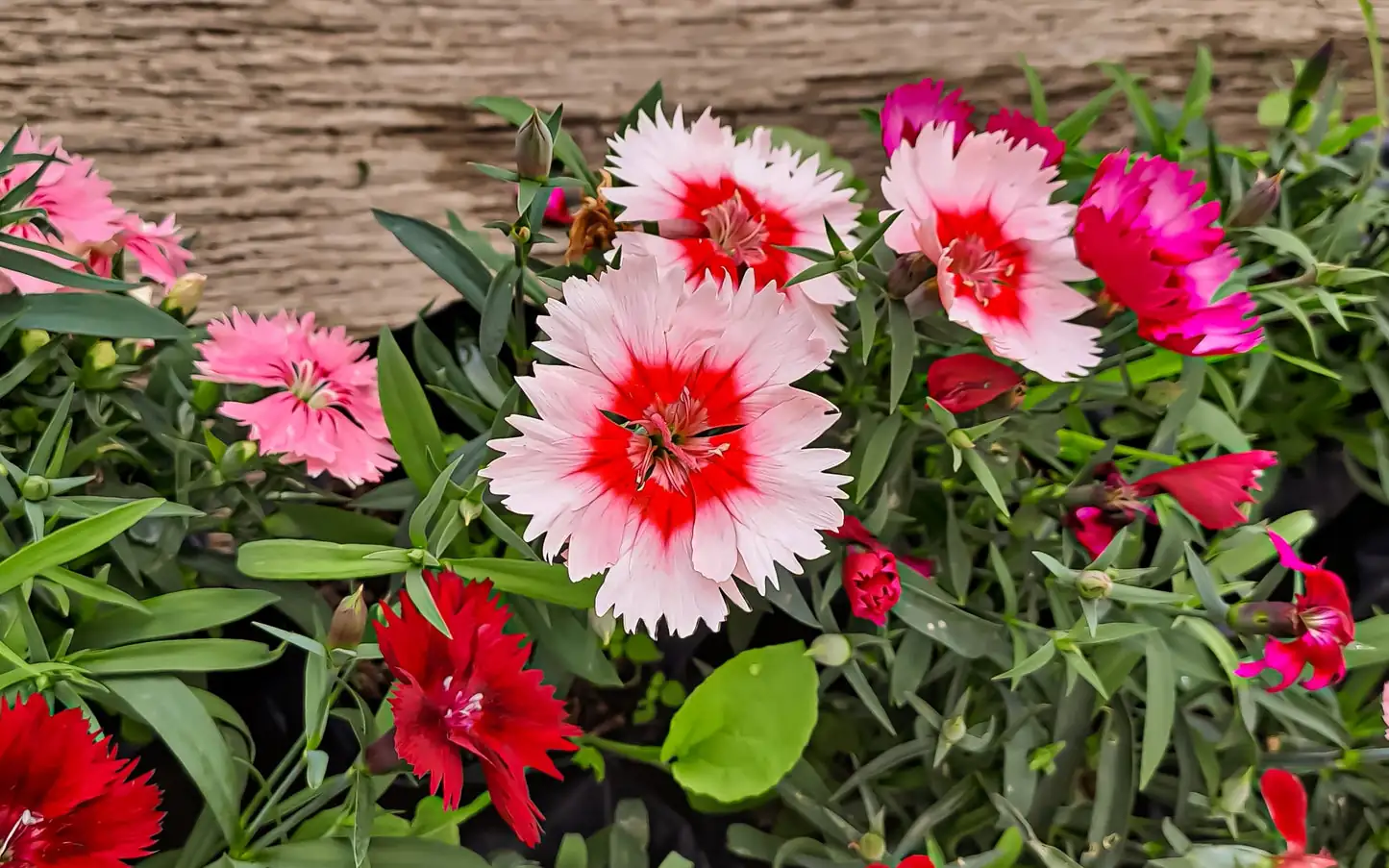
Meet Chinese pink (Dianthus chinensis): the compact, fringe-skirted show-off that thrives when the air is crisp, the sun is bright, and gardeners are itching for color. Think bicolor “eyes,” feathery petal edges, pots brimming with buds, and a whisper-to-warm clove scent—plus plenty of easy hacks to keep the party going long after spring.
Fun Facts First: The Look, the Habit, the Wow
Bicolor “eyes” that pop
- Many varieties flaunt a darker center—an “eye”—with petals that radiate lighter color, from white to pink, red, and purple.
- Quick science: Those eyes are anthocyanin-rich zones created by patterning genes and light/temperature cues. Cool, bright days often sharpen the contrast, so spring shows are extra crisp.
Fringed petals (the pinking-shears effect)
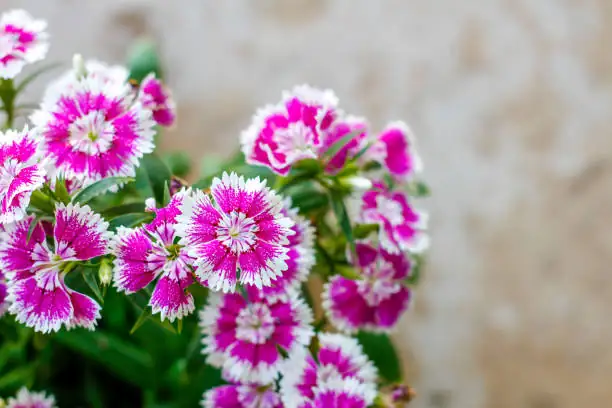
- Petal edges are serrated to lacy, giving blooms a delicate, tasselled finish.
- Quick science: In the carnation family, petal margins naturally “lacerate” as cells mature—nature’s version of fancy edging.
Compact by design
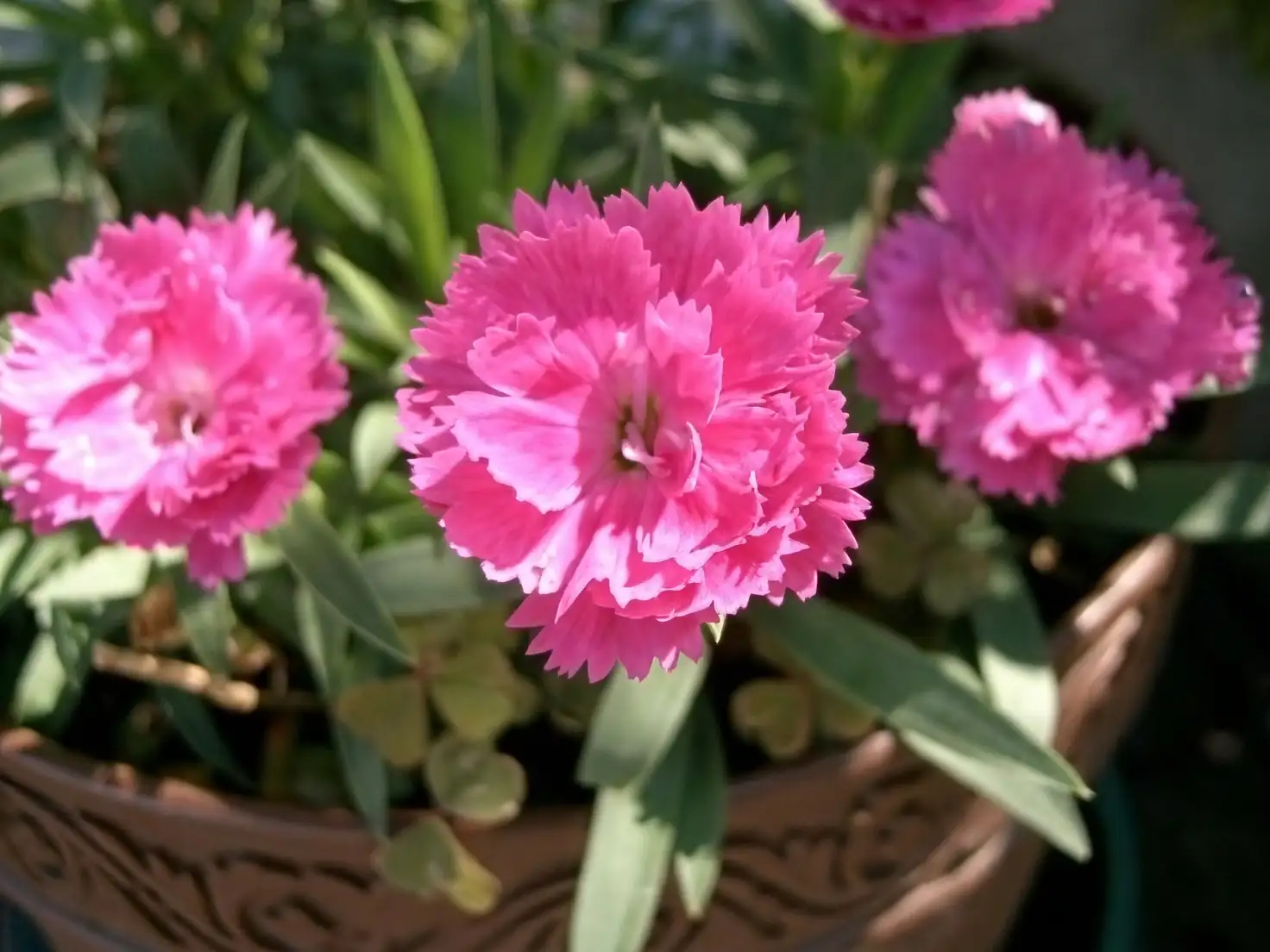
- Typical height is 20–40 cm (8–16 in) with a tidy 15–30 cm (6–12 in) spread—perfect for edging, containers, and massed color swathes.
- Pinching once when plants reach 10–15 cm (4–6 in) turns one tuft into a bouquet machine.
Made for cool weather
- Best growth and bloom in cool to mild conditions—roughly 7–20°C (45–68°F).
- In mild climates, flowers can run winter into spring; more commonly, they peak spring to early summer and keep going with deadheading.
- Brief cold is fine (down to about -10°C/14°F), but winter wet is the real enemy.
The scent spectrum
- Many plants in this genus carry a light, spicy, clove-like fragrance, but intensity varies by variety and weather.
- Quick science: Clove notes come from volatile phenylpropanoids such as eugenol and isoeugenol. Cooler air often makes fragrance linger longer around the plant.
Lightning-Guides for Gardeners
Sun, soil, and spacing
- Sun: Aim for full sun (6–8 hours). In hot summers, offer a touch of afternoon shade.
- Soil: Loose, fertile, and very well-drained sandy or gritty loam. Neutral to slightly alkaline suits them; a pinch of garden lime can help if your soil runs too acidic.
- Airflow: Space plants and avoid congested containers. Breeze = fresher flowers, fewer problems.
Watering that works
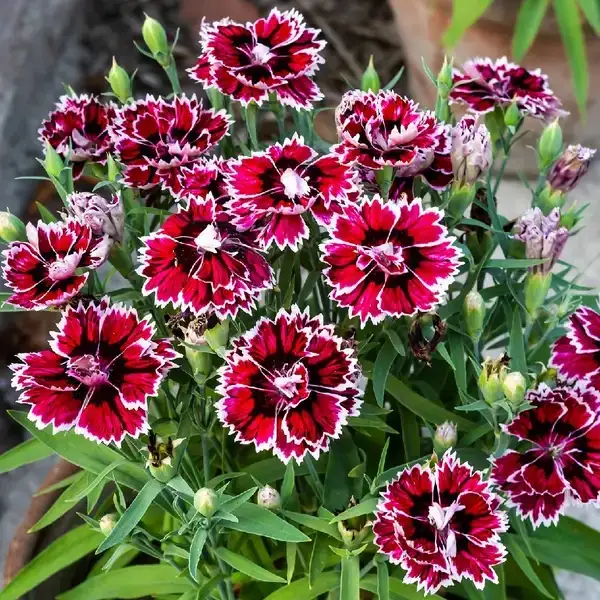
- Water when the top layer dries, keeping soil lightly moist but never soggy.
- Always water at the base; wet petals and leaves shorten flower life and invite rust.
- In containers, drainage holes are non-negotiable. Never let pots sit in saucers of water.
Feeding for floriferous plants
- During active growth, feed monthly at half strength with a balanced fertilizer.
- When blooming well in cool weather, switch lightly to a low-nitrogen, higher-potassium feed every 10–14 days. Go easy—lush, soft growth can rot.
Pinch, deadhead, repeat
- Pinch once early to encourage branching (more stems = more flowers).
- Deadhead as the show fades to keep new buds coming.
- After a big flush, a light shear can reset the display.
Seed-to-bloom cheat sheet
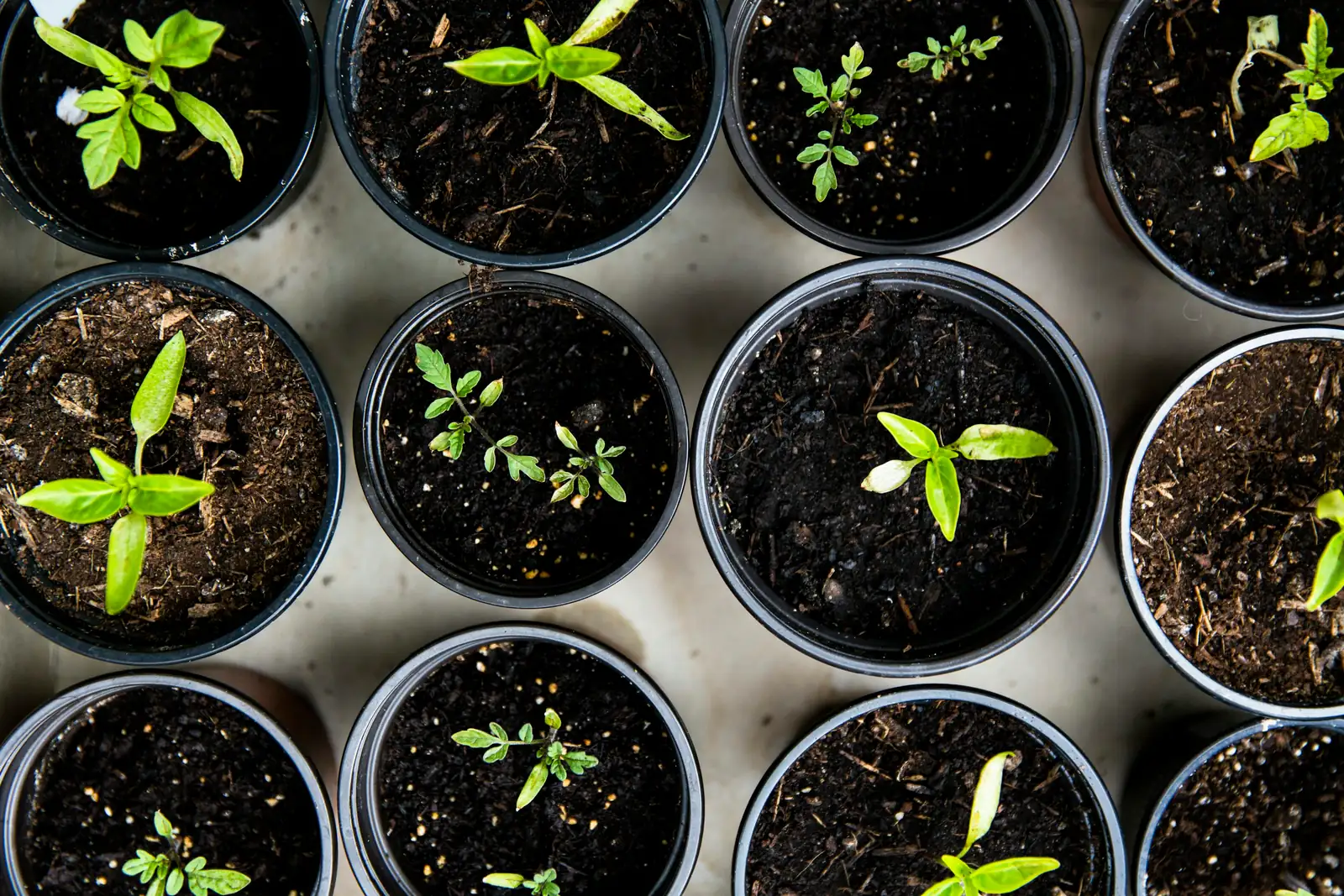
- Sow in early autumn in many regions for cool-season displays. Cover seeds lightly (about 3 mm / 1/8 in).
- Best germination: 13–15°C (55–59°F) in 7–10 days.
- Expect blooms in about 16–17 weeks depending on light and temperature.
- Transplant seedlings at 4–5 true leaves into small, sharply drained pots (10–12 cm / 4–5 in). Avoid overpotting.
Heat-wave plan
- Shift to morning sun plus bright shade in the afternoon.
- Keep drainage razor-sharp; stress + heat = spider mites.
- Increase airflow; avoid overhead watering.
Overwintering and hardiness notes
- Often grown as a cool-season annual or short-lived perennial; roughly hardy in USDA Zones 6–9, cultivar and winter-wet dependent.
- In wet winters, protect crowns with gravelly mulch and ensure top-notch drainage. Raise containers off the ground.
Troubleshooting: Spot it early, fix it fast
- Spider mites (hot, dry spells): Look for stippled leaves and fine webbing. Improve airflow, rinse foliage with a firm water spray, and treat early with horticultural soap or horticultural oil if needed.
- Rust and other fungal issues: Encouraged by humid, still air and wet foliage. Water at soil level, thin crowded plants, and keep blooms dry.
- Root issues and damping-off: Overly wet, heavy mixes are trouble. Use gritty media, avoid waterlogging, and sanitize seed trays.
Container, Border, and Cutting Hacks
- Containers: Mix in grit or perlite (25–40%) for fast drainage. Pair with other cool-season sun-lovers.
- Borders and edging: Mass bicolors for a carpet of “eyes” that read from a distance.
- Cutting: Snip in the cool morning when blooms just open. Recut stems and hydrate in clean water before arranging. Expect a light, spicy note—variety dependent.
Can I eat the petals?
- The petals are sometimes used as a garnish with a faint clove-like note—but only from plants grown specifically for culinary use and never treated with pesticides or other chemicals.
- Household rule: If you can’t verify food-safe growing, don’t eat them.
Quick Buy-Smart Checklist
- Choose compact, densely branched plants with thick stems and evenly green leaves.
- Inspect for crisp, well-defined bicolor patterns and healthy, fringed edges.
- Skip any with mite stippling, leaf tears, or spotting.
- Buds plus some open blooms = color now and more to come.
Flower Language Corner (and what it really means)
- In ornamental lore, Dianthus chinensis is linked with joy, good fortune, and honor; broader dianthus symbolism often nods to affection and admiration, and some modern groups dub it a “guardian flower.”
- Context matters: These associations come from cultural tradition, not botany. They’re lovely for gifting and garden storytelling—but they’re not fixed rules across regions or eras.
Mini-Care Calendar (temperate zones)
- Late summer–early autumn: Sow seeds for cool-season color. Pinch seedlings once established.
- Winter (mild climates): Keep plants in the brightest sun, evenly moist, and protected from standing water.
- Spring: Prime bloom time. Deadhead often; switch to bloom-friendly, light feeding.
- Early summer: Shear lightly after the main flush. In heat waves, offer afternoon shade and step up mite patrol.
- Late summer refresh: If plants tire, replant or start a fresh autumn crop.
Why gardeners keep coming back to Chinese pink
- Bold bicolors with dramatic eyes
- Fringed petals that catch the light
- Compact, container-ready habit
- Peak performance in cool weather
- A scent that ranges from a whisper to warm clove
Give Dianthus chinensis sun, breeze, and sharp drainage, pinch it once, and it will repay you with a confetti storm of color right when your garden craves it most.


