

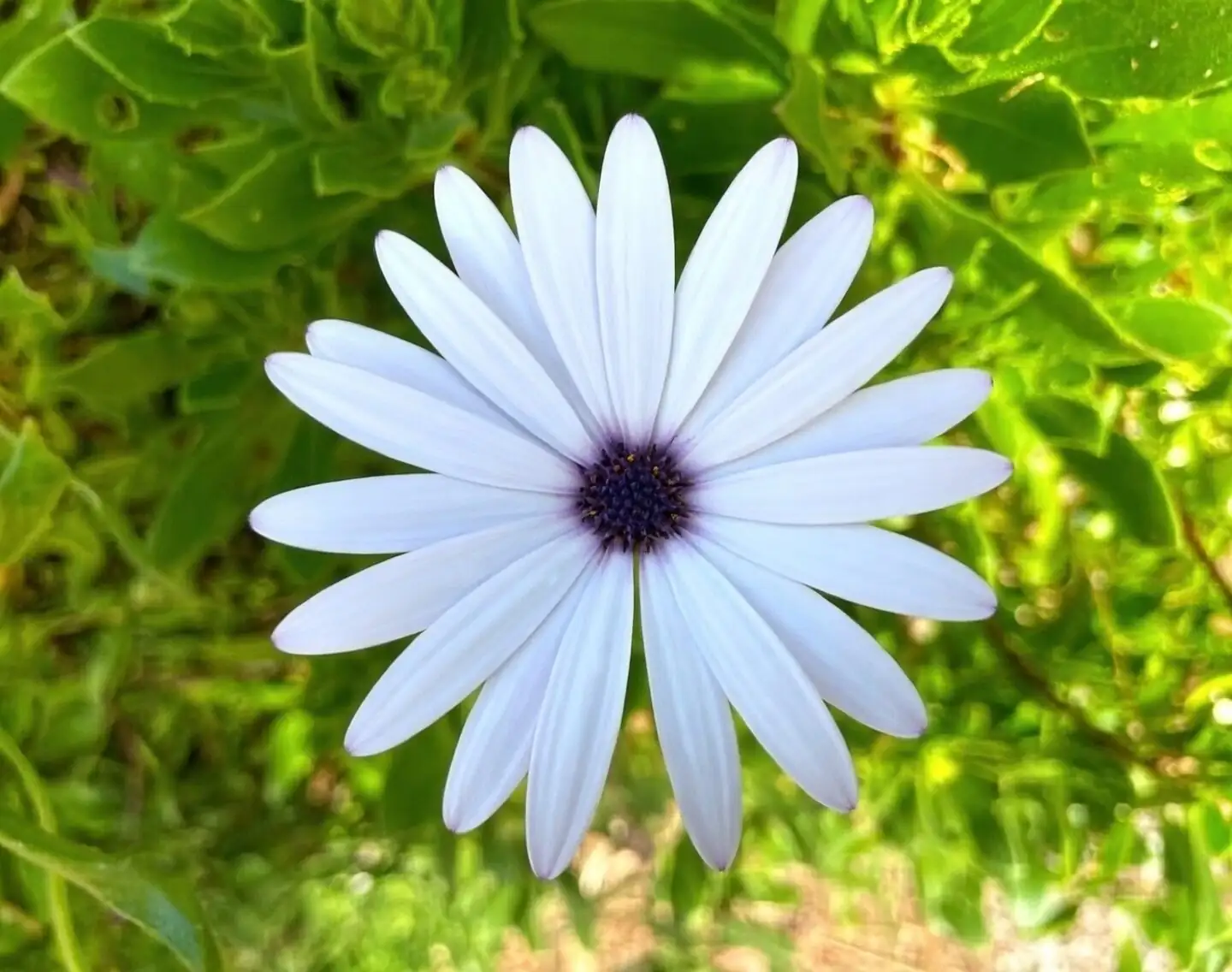
If your Falling Stars Cape Daisy (Osteospermum ecklonis) seemed unstoppable in spring and then suddenly hit pause as midsummer turned simmer-hot, don’t panic—this is a known quirk, not a failure. With a few smart tweaks to airflow, watering rhythm, and timing your trims, you can keep plants healthy through the heat and reboot flowering as temperatures ease.
What’s happening behind the scenes? These sky‑blue, blue‑eyed daisies are cool‑weather sprinters that prefer a mild 10–24°C (50–75°F). When days run hot for long stretches, they conserve energy by slowing bud production. Your goal is to keep them comfortable, disease‑free, and primed—so when late‑summer nights finally cool, they burst back into bloom.
The mid‑summer rescue playbook
Why blooms stall in high summer
- Heat pause is normal: Osteospermum ecklonis naturally flowers longest in cool‑to‑mild weather. Extended heat can halt new buds until nights cool again.
- Resource reallocation: In heat, plants prioritize survival—keeping roots hydrated and leaves intact—over making flowers.
- Light behavior: Many Cape daisies open wide in bright sun but close in low light or toward evening. Don’t confuse nightly “naps” with a true bloom pause.
Improve airflow and positioning

- Space to breathe: Avoid cramped containers or crowded borders. Good air circulation keeps foliage dry and deters mites, whiteflies, and thrips.
- Lift the pot: Use pot feet so water drains cleanly and air reaches the crown—critical insurance against root or crown rot.
- Beat the heat sink: Move containers off heat‑reflective concrete or metal. A bright patio with a light breeze is ideal.
- Sun strategy: Aim for full sun (6+ hours) overall. In extreme heat spells, a touch of late‑afternoon shade can reduce stress without compromising bloom potential later.
Dial in a watering rhythm (steady, not soggy)
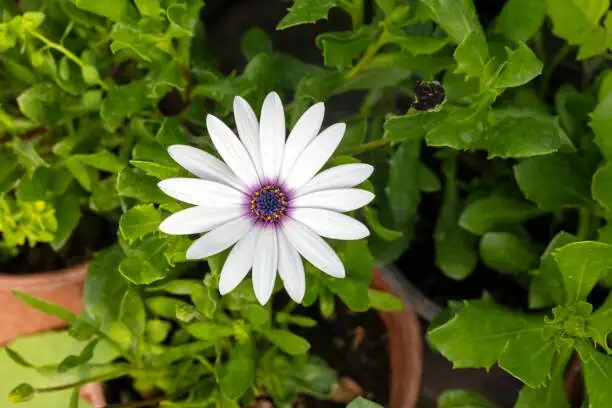
- Water deeply, then wait: Soak thoroughly until water drains, then allow the top 2–3 cm (about 1 in) of soil to dry before watering again.
- Morning is golden: Early watering hydrates roots ahead of the day and lets foliage dry quickly, discouraging disease.
- Containers dry faster: Check pots more often in hot weather, but never leave them sitting in saucers of water.
- Drainage is non‑negotiable: Use a free‑draining, sandy or loamy mix. Persistently wet soil invites root and crown rot.
- Surface mulch that suits sun: A light topping of fine gravel helps moderate evaporation without holding excess moisture against stems.
Feed wisely when it’s hot
- Go light during the pause: Heavy feeding won’t force blooms in heat and can encourage leggy foliage. If the plant is actively growing, use a balanced liquid fertilizer at half strength every 2–4 weeks, or rely on a gentle slow‑release per label. Ease off if growth stalls.
- Resume normal feeding as nights cool and new shoots appear.
Trim at the right moment (shape now, reboot later)
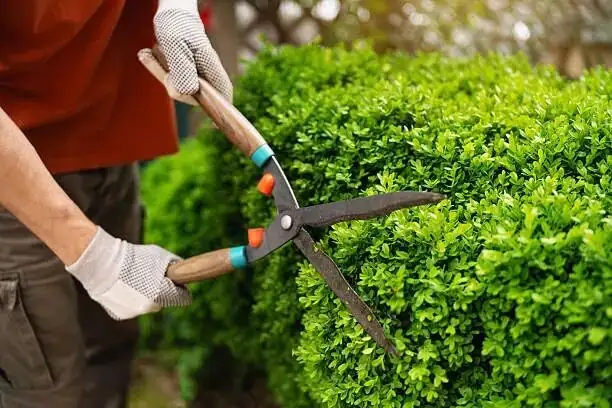
- Daily grooming: Deadhead spent blooms and snip the flower stem back to a leafy node. This tidies the plant and prevents energy waste.
- Pinch, don’t shear: Lightly pinch soft tips to keep the mound compact and branching.
- After a big flush or once heat breaks: A slightly harder cutback (often up to a third, depending on vigor) can trigger fresh, bushy growth and the next round of buds as temperatures ease.
Pest patrol during the dog days
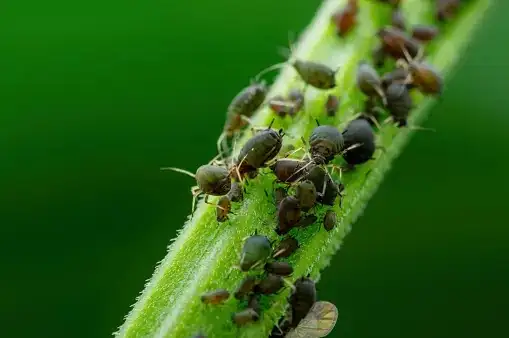
- Usual suspects: Aphids, whiteflies, spider mites, and thrips love stressed plants.
- Early detection: Check the undersides of leaves and new growth twice weekly.
- Gentle controls: Treat promptly with insecticidal soap or horticultural oil, and keep airflow strong. Consistent, correct watering also reduces stress—and pests notice.
Rebooting bloom as temperatures ease: a two‑week tune‑up
- Day 1: Clean up thoroughly—deadhead, remove yellowed leaves, and trim back lightly to a neat dome. Don’t scalp; leave healthy foliage for photosynthesis.
- Day 1–3: Water deeply, then return to the dry‑down rhythm. Open any crusted soil surface with a hand fork for better oxygen flow to roots.
- Day 3: Top‑dress the pot or bed with a thin layer of fresh, free‑draining mix. If you use slow‑release fertilizer, apply per label now.
- Day 4 onward: Return to light, regular feeding while growth is active. Keep full sun exposure and good airflow.
- By week 2–3: Watch for fresh shoots and new buds. Maintain steady moisture and keep deadheading to extend the show into fall.
Quick summer triage checklist
- Soil feels wet above the first 2–3 cm: Wait to water; improve drainage.
- Leaves look dusty or stippled: Check for mites; treat and increase airflow.
- Plant is lanky: Pinch now; plan a slightly harder cutback after the heat wave.
- Buds form but don’t open: Heat pause—keep conditions optimal; blooms will resume with cooler nights.
Growing conditions they love (all season)
- Sunlight: Full sun for best flowering; aim for 6+ hours daily. Light shade is tolerated but means fewer blooms.
- Temperature: Best at 10–24°C (50–75°F). Protect from hard frost; prolonged freezing damages plants.
- Soil: Well‑drained, moderately fertile; sandy or loamy mixes are ideal. Avoid waterlogging.
- Water: Thorough soaks, then allow the top 2–3 cm to dry. Never let pots sit in water.
- Feeding: Balanced liquid at half strength every 2–4 weeks in active growth, or slow‑release per label. Ease off in low‑light, cool periods.
- Pruning: Deadhead often; pinch to prevent legginess. After a heavy flush, a slightly harder cutback encourages a fresh bloom cycle.
- Habit and size: Compact, mounding clumps about 20–45 cm (8–18 in) tall and 30–60 cm (12–24 in) wide.
- Flowering season: Early spring through fall, with the longest display in cool‑to‑mild weather.
- Hardiness and placement: USDA Zones ~9–11; elsewhere, grow as an annual or overwinter frost‑free. Great in sunny containers, front‑of‑border beds, and bright patios.
Container‑specific tips
- Pot choice: Use containers with generous drainage holes and lift on feet for airflow.
- Mix: A sharp‑draining blend (add coarse sand or grit) prevents root issues.
- Repot timing: Best in spring, stepping up just one size (2–5 cm / 1–2 in wider). Mid‑summer, focus on top‑dressing rather than repotting.
FAQ: Mid‑summer mysteries, solved
- Why did my plant stop flowering in mid‑summer?
Cape daisies bloom best in cool‑to‑mild weather and may pause in intense heat. Keep them in full sun, water consistently without waterlogging, deadhead often, and lightly trim after a flush—blooms usually return as temperatures ease.
- Should I move it to shade?
Keep bright, full sun overall. In extreme heat, a bit of late‑afternoon shade can reduce stress. Prioritize airflow and drainage either way.
Health, safety, and good company
- Pests and diseases: Watch for aphids, whiteflies, spider mites, and thrips. Root and crown rot occur in wet, poorly drained soils—correct watering prevents most issues.
- Toxicity: Not widely reported as toxic to people or pets, but nibbling any ornamental may cause mild stomach upset—discourage curious chewers.
- Pollinator‑friendly: Those sky‑blue daisies with a deeper “eye” are a beacon to garden visitors.
Symbolism and a little backstory
- Meaning: Often linked with cheerfulness and optimism—the flowers read like a burst of good weather. That “blue eye” set in sky‑toned petals evokes clear horizons after a storm.
- Roots and rise: Native to South Africa’s Cape region, Cape daisies won over gardeners worldwide for their long flowering window in mild conditions and their starry, patio‑perfect look.
Pro tip for cold climates
- Overwintering: In colder zones, bring containers indoors before frost to a bright, cool spot around 10–15°C (50–59°F). Water sparingly and resume active care in spring.
The takeaway
Your Falling Stars Cape Daisy isn’t being fussy—it’s pacing itself. Keep air moving, water with a steady hand, groom thoughtfully, and be ready with a well‑timed trim. When summer finally loosens its grip, you’ll be rewarded with a fresh wave of those soft, sky‑blue stars right through fall.