

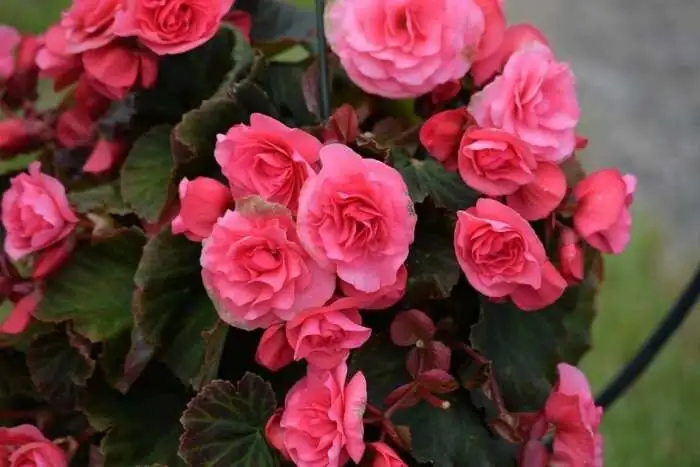
Imagine your Tuberous Begonia as a diva with very clear backstage demands: bright shade, a cool dressing room, and a dry floor underfoot. Get those right and Begonia × tuberhybrida rewards you with camellia-like blooms that stop traffic. Miss a cue and—whoops—rot, heat collapse, or a pest chorus can steal the show. Here’s your pro-level troubleshooting guide to spot trouble early, stop it fast, and keep the performance going.
Know your plant’s sweet spot (so you can spot when it’s off)
- Light: Bright indirect light to partial shade; gentle morning sun is fine. Avoid harsh midday/afternoon rays.
- Temperature: Best at 16–21°C (61–70°F). Above ~32°C (90°F) it may wilt, drop buds, or even collapse. Keep above 10°C (50°F) in winter.
- Humidity: Moderate to high (about 50–70%) with good ventilation.
- Soil: Rich but free-draining—think peat/leaf mold + a bit of loam with plenty of coarse perlite or sand.
- Water: Evenly moist, never soggy; never leave pots sitting in water. Protect from pounding rain.
- Growth rhythm: It’s tuberous and seasonal. After flowering, it naturally dies back to rest as a dormant tuber.
Fast triage: what are you seeing?
- Rot red flags: Floppy, darkening stems; soil smells sour; tuber feels soft/mushy; leaves yellowing from the base up.
- Heat stress: Afternoon flop, bud drop, edges crisping, flowers stalling during hot spells >32°C (90°F).
- Pests:
- Thrips: Silvery streaks, tiny black specks, deformed buds/flowers.
- Aphids: Clusters on tender tips/buds, sticky honeydew.
- Scale: Hard bumps along stems/leaf midribs; sticky residue.
- Leaf-rolling caterpillars: Leaves rolled into tubes with frass (crumbly droppings) inside.
Stop stem/root/tuber rot like a pro
What it looks like
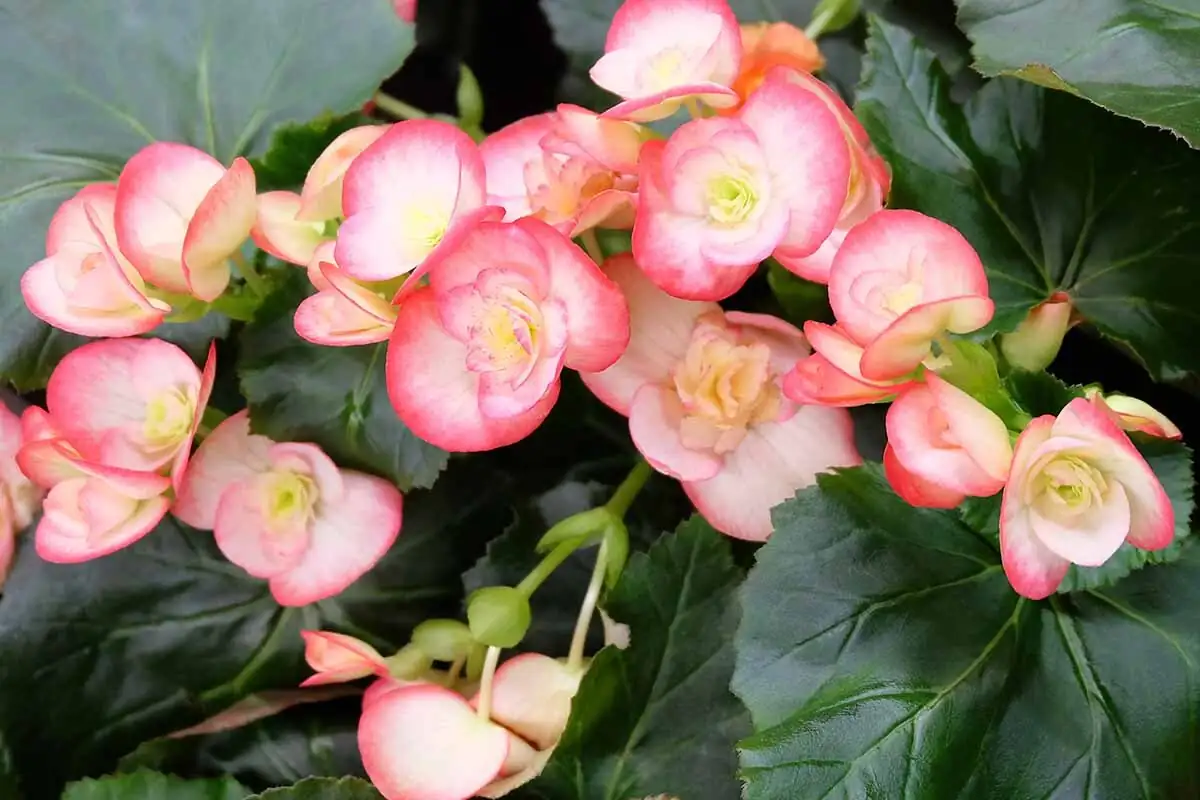
- Pythium-type rot and other soft rots thrive in waterlogged mix: tubers discolor and soften; stems blacken and collapse; growth stalls.
Why it happens
- Soggy media, poor drainage, heavy rain, stagnant air, and cool/damp roots.
The professional fix (step-by-step)
1) Unpot and inspect
- Gently slide the plant out. If roots are brown and mushy or the tuber is soft, act fast. If the tuber is firm, you can often save it.
2) Cut out rot
- With a sterile blade, trim back to firm, clean tissue. Wipe or flame-sterilize between cuts. Discard all infected mix and debris.
3) Dry and dust
- Let cut surfaces air-dry a few hours. Optionally dust cuts with powdered sulfur to discourage reinfection.
4) Upgrade drainage
- Repot into fresh, pasteurized, free-draining mix:
- A reliable blend: 2 parts peat/leaf mold, 1 part fertile loam or fine compost, 1–1.5 parts chunky perlite/pumice or coarse sand.
- Use a pot with large drainage holes, add a mesh over holes (no gravel layer—it can trap water), and set the pot on feet so it never stands in a saucer puddle.
5) Replant the tuber correctly
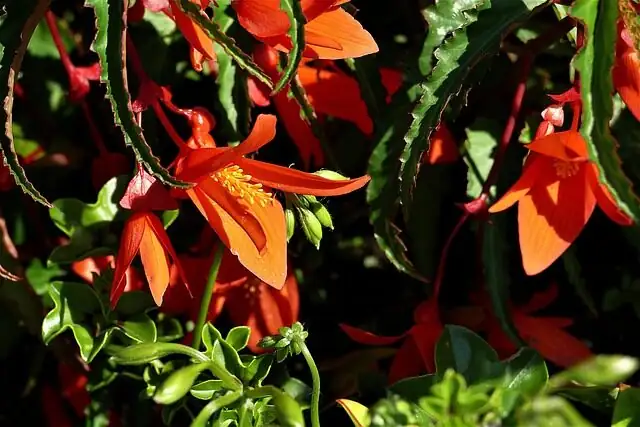
- Concave side (with buds) up; keep the tuber’s crown at or just above the mix surface so it doesn’t sit wet.
6) Watering reset
- Moisten the mix lightly once after repotting, then wait until the top 2–3 cm (about an inch) is dry before watering again. Resume “evenly moist, not wet” once new growth is steady.
7) Airflow tactics
- Space plants; run a gentle fan indoors; avoid crammed, windless corners outdoors.
8) Rain protection
- Before storms, move under a deep eave, awning, or a clear, slanted rain shield. Avoid splashback from hard surfaces.
When to let go
- If the entire tuber is uniformly mushy and foul-smelling, it’s not salvageable. Discard the plant and soil; wash and disinfect the pot.
Pro prevention
- Water in the morning; never let the pot sit in water.
- Deadhead spent blooms quickly—wet petals can harbor gray mold.
- Between seasons, lift and store tubers cool and dry (above 10°C / 50°F).
Beat the heat: rescuing begonias above 32°C (90°F)
Symptoms to watch
- Midday wilt that doesn’t bounce back in shade, bud/flower drop, stalled growth.
Your heatwave survival plan
1) Move to the coolest bright shade you have
- Under-story shade, north/east exposure, or 40–60% shade cloth.
2) Boost airflow
- A small clip-on fan outdoors or an indoor fan on low keeps air moving and discourages rot and mildew.
3) Keep roots cool
- Slip the pot into a slightly larger white/light cachepot (double-potting insulation), or shade the container sides.
- Mulch the soil surface lightly with coarse bark—but keep the crown open and dry.
4) Water smart
- Water early in the day, deeply but infrequently, keeping the mix evenly moist, never saturated.
- Don’t overhead-water flowers and foliage during heat.
5) No feeding during heat spikes
- Pause fertilizer until nights cool down.
6) Reduce demand
- Remove the largest buds/flowers temporarily so the plant can focus on survival, not bloom production.
7) Add humidity safely
- Use a pebble tray with water below the pot base (pot not sitting in water). Avoid misting blooms/leaves in hot, stagnant air.
8) Timing matters for sprays
- Avoid insecticidal soaps/oils during hot hours; apply in the cool of morning or evening when temperatures are below about 27–29°C (80–85°F).
Outsmart common pests (targeted, gentle, effective)
General game plan
- Isolate the plant at first sign of pests.
- Inspect undersides of leaves, buds, and stems with a magnifier.
- Clean first: a tepid shower from below the leaves removes many pests.
- Then treat with insecticidal soap or horticultural oil, per label. Always spot-test a small area and avoid spraying open blooms.
Thrips
- Clues: Silvery, streaked foliage; deformed, flecked petals; black specks (droppings); buds fail to open.
- Action:
- Remove spent/open flowers (thrips hide there).
- Hang blue sticky traps at bloom level to monitor and reduce adults.
- Spray undersides of leaves and around buds with insecticidal soap. Repeat every 4–7 days for 2–3 cycles to break the life cycle.
- Improve airflow and remove nearby weeds/old blossoms that harbor thrips.
- If you see ringed/target-like spots on leaves and widespread distortion (possible virus transmission), cull the plant to protect your collection.
Aphids
- Clues: Soft green/black colonies on shoot tips, curled leaves, sticky honeydew.
- Action:
- Pinch or rinse off colonies.
- Follow with insecticidal soap, thorough coverage of new growth. Repeat in 5–7 days.
- Control ants if present—they farm aphids.
Scale
- Clues: Hard, domed bumps along stems and midribs; sticky residue; gradual decline.
- Action:
- Gently scrape individuals with a fingernail or cotton swab dipped in alcohol.
- Follow with a horticultural oil spray to smother crawlers and small scales. Repeat in 7–10 days.
- Do not apply oil in high heat or direct sun.
Leaf-rolling caterpillars
- Clues: Leaves rolled into tubes, fine webbing inside, ragged holes.
- Action:
- Unroll and remove larvae by hand; prune off badly infested tips.
- Insecticidal soaps and oils are less effective against tucked-away larvae, so physical removal plus vigilance is key.
- Check twice weekly until damage stops.
Fungal leaf issues to head off early
- Powdery mildew: White/gray coating; leaves may distort. Improve light and airflow; avoid crowding; remove affected leaves; some growers use sulfur on non-sensitive plants, but prioritize spacing and sanitation with begonias.
- Gray mold (Botrytis): Gray fuzz on spent blooms/leaves in humid, still air. Deadhead promptly, increase ventilation, and keep petals dry.
Airflow and rain: your quiet superpowers
- Space plants at least 30 cm (12 in) apart outdoors.
- Indoors, a gentle oscillating fan prevents stagnant pockets.
- Stage containers under deep eaves or a balcony roof; use a simple clear canopy during multi-day rain.
- Water the soil directly; avoid wetting flowers.
Drainage upgrades that change everything
- Pot: 20–25 cm (8–10 in) diameter for strong flowering; always with generous drainage holes.
- Mix: Rich yet airy. Try 2 parts peat/leaf mold + 1 part loam/fine compost + 1–1.5 parts chunky perlite/pumice or coarse sand.
- No perched-water trap: Skip gravel layers; use mesh over holes and set pots on feet.
- Planting depth: Keep the tuber’s crown at or slightly above the surface.
A simple seasonal rhythm
- Spring: Restart growth—brighten light gradually; resume even moisture; begin feeding every 10–14 days as buds form.
- Summer: Bright shade, steady moisture, strong airflow; protect from heat >32°C (90°F) and heavy rain.
- Late summer–autumn: Deadhead; taper feeding and watering as foliage declines.
- Autumn–winter: Let tops die back; lift and store tubers cool, dry, and above 10°C (50°F).
Safety note
- Begonias are commonly considered toxic to pets (tubers especially). Keep out of reach and seek advice if ingestion is suspected.
A quick word on meaning (花语)
- Tuberous begonias have long been linked with gentle affection and tender, sometimes unspoken feelings—an echo of Victorian floriography where elaborate blooms carried subtle social cues. It’s not botanical science, but a cultural footnote that matches the plant’s personality: dramatic flowers, soft light, and a knack for making everyday spaces feel cherished.
Your takeaways
- Keep it cool, bright, and breezy; keep the mix airy and evenly moist; protect from heavy rain.
- At the first hint of rot or pests, act decisively: clean, improve conditions, and follow through with targeted treatments.
- Respect dormancy—store that plump tuber well—and you’ll welcome the encore next season, bigger and better.