

The Enchanting Allure of the August Lily: Nature’s Nighttime Fragrance Symphony
Imagine wandering through your garden on a warm summer evening, the air still and filled with a delicate, hypnotic scent. As the sun dips below the horizon, the August Lily, or Hosta plantaginea, unfurls its pristine white blooms, releasing a sweet fragrance that captivates all who are near. But what is it about this seemingly modest plant that makes it such a nocturnal enchantress?
The August Lily: A Shade Garden Gem
Native to the lush landscapes of Southeast and south-central China, the August Lily has long held a place of reverence among gardeners and plant enthusiasts. Known by a variety of aliases, including the Banana Lily and Fragrant Plantain Lily, this member of the Asparagaceae family is a perennial favorite, both for its ornamental foliage and its spectacular, nighttime perfume.
This plant is a reliable choice for shaded garden spaces, thriving where many other plants might falter. With broad, glossy leaves forming a lush mound, it adds a vibrant touch to any garden. The foliage alone is a sight to behold, but it’s the plant’s late summer bloom that truly steals the show.
The Nighttime Serenade: Why August Lily Blooms Are So Fragrant
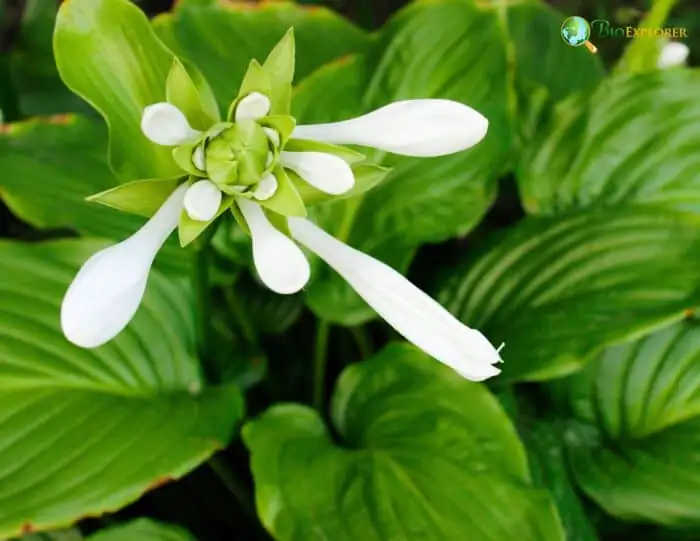
The August Lily’s flowers are large, trumpet-shaped, and pure white, spanning an impressive 15–18 cm in length. This bloom size is quite notable among hostas, which often have smaller, less showy flowers. But it’s not just the size that sets them apart; the fragrance is the real star.
Why do these flowers release their scent so powerfully at night? The secret lies in their evolutionary strategy. The August Lily has adapted to attract nocturnal pollinators, such as moths. As twilight descends, the flowers open wide, and the air becomes saturated with their honeysuckle-like aroma, enticing these nighttime visitors to aid in pollination.
Growing August Lily: Cultivation Tips for Success
Caring for an August Lily is as delightful as experiencing its blooms. This plant prefers rich, well-drained soil and thrives in shaded to partly shaded areas. While it is cold-hardy and can withstand winter dormancy, it craves consistent moisture. During the growing season, it’s important to keep the soil evenly moist to support its lush growth and abundant blooms.
Key Care Tips:
- Sunlight: Best in dappled shade or morning sun; avoid harsh afternoon light.
- Watering: Keep soil moist but not waterlogged; water deeply to ensure roots receive adequate hydration.
- Soil: Prefers fertile, well-drained soil; slightly acidic to neutral pH is optimal.
- Temperature & Hardiness: Suitable for USDA Zones 3–9.
The Gentle Guardian: Symbolism and Cultural Significance
In its native China, the August Lily has been cherished since ancient times. Its association with purity, elegance, and quiet strength reflects its unassuming beauty and steadfast presence in gardens through the ages. These qualities have been celebrated in both legend and horticultural history.
One enchanting Chinese legend tells of celestial maidens who dropped jade hairpins at a heavenly banquet, which transformed into the exquisite August Lily flowers. This story underscores the plant’s connection to grace and divine beauty.
A Plant with Benefits: Beyond Aesthetics
While the August Lily’s allure is primarily ornamental, it holds potential beyond its garden charm. Historically, it has been used in traditional Chinese medicine for its soothing properties. Additionally, ongoing scientific research explores its phytochemical composition, revealing possible anti-inflammatory and antioxidant benefits.
A Garden Must-Have: Why You Should Plant August Lily
Whether you’re a seasoned gardener or a newcomer, the August Lily is a rewarding addition to any garden space. Its ability to transform a quiet corner into a fragrant retreat makes it a plant worth savoring. Plant it near paths or patios where its nightly fragrance can be fully appreciated. Just be cautious with pets, as the plant contains saponins that are toxic to dogs, cats, and horses if ingested.
In the world of shade perennials, the August Lily stands out as nature’s own night-time symphony, a perennial that invites both pollinators and people to pause and breathe in its serene beauty. So, why not let your garden be graced by this delightful flower, and enjoy its sweet serenade under the stars?


