

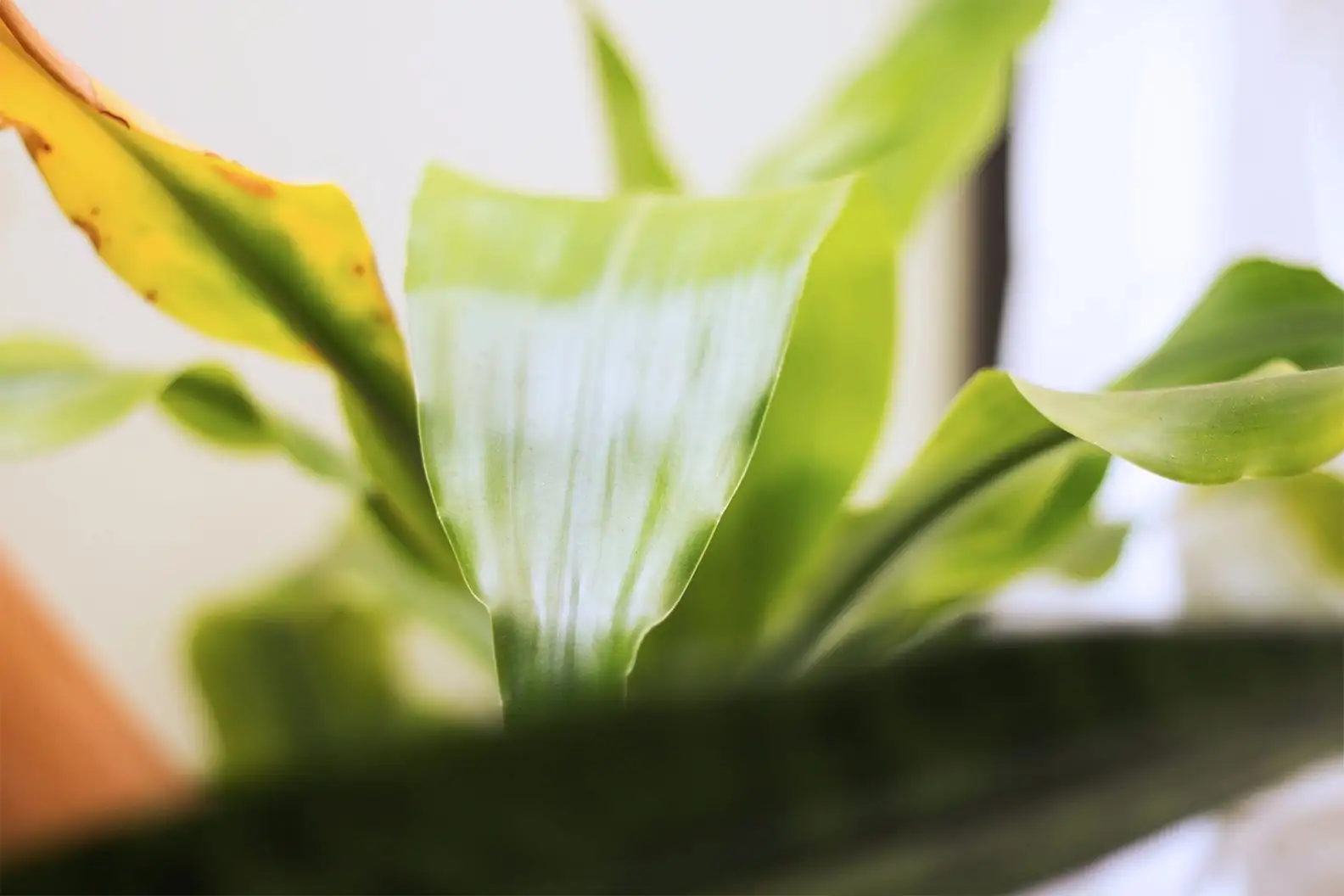
Yellowing leaves can be a plant parent’s worst nightmare. It’s like your green friends are trying to send you a distress signal. But fear not! Yellow leaves are usually a sign of underlying issues that can often be fixed with a little detective work and the right approach. Let’s dive into the most common reasons why your potted plants might be sporting that unwanted yellow hue and, more importantly, how you can bring back their vibrant green glow.
The Culprit: Watering Woes
When it comes to yellow leaves, watering mistakes are the prime suspects. Think of it as a classic case of too much or too little.
Overwatering
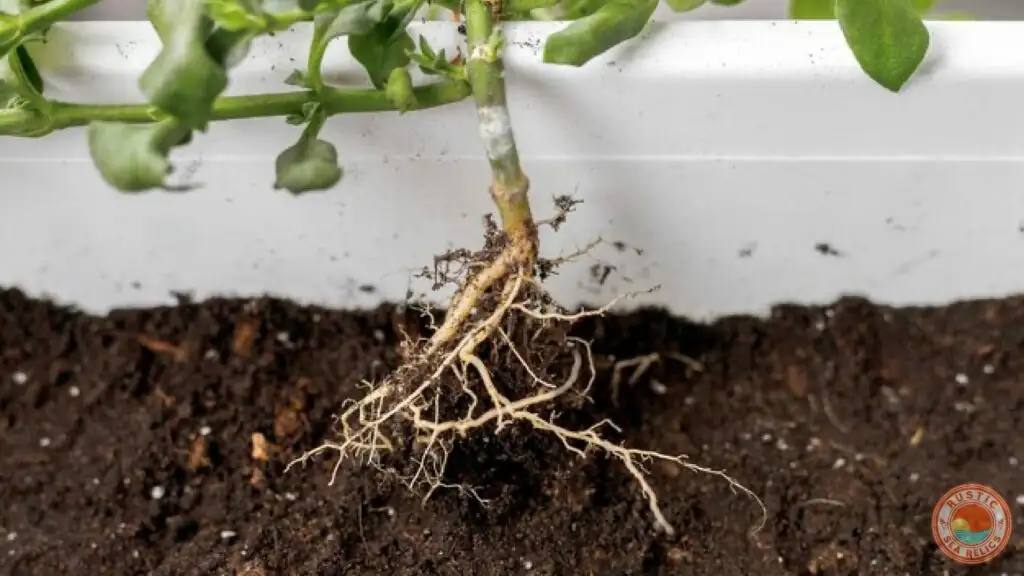
If your plant’s leaves look yellow and floppy, and the soil feels soggy, you might be drowning your plant. Overwatering suffocates the roots, leading to root rot and yellowing leaves.
Solution:
- Let the soil dry out before watering again.
- Use pots with drainage holes and empty saucers regularly.
- Employ the “finger test”: Insert your finger a few inches into the soil. Water only if it feels dry.
Underwatering
On the flip side, if the leaves are yellow and crispy, and the soil is bone dry, your plant might be gasping for water.
Solution:
- Water thoroughly until the soil is evenly moist.
- Again, use the finger test to maintain consistent soil moisture.
Root of the Matter: Pot-Bound Problems
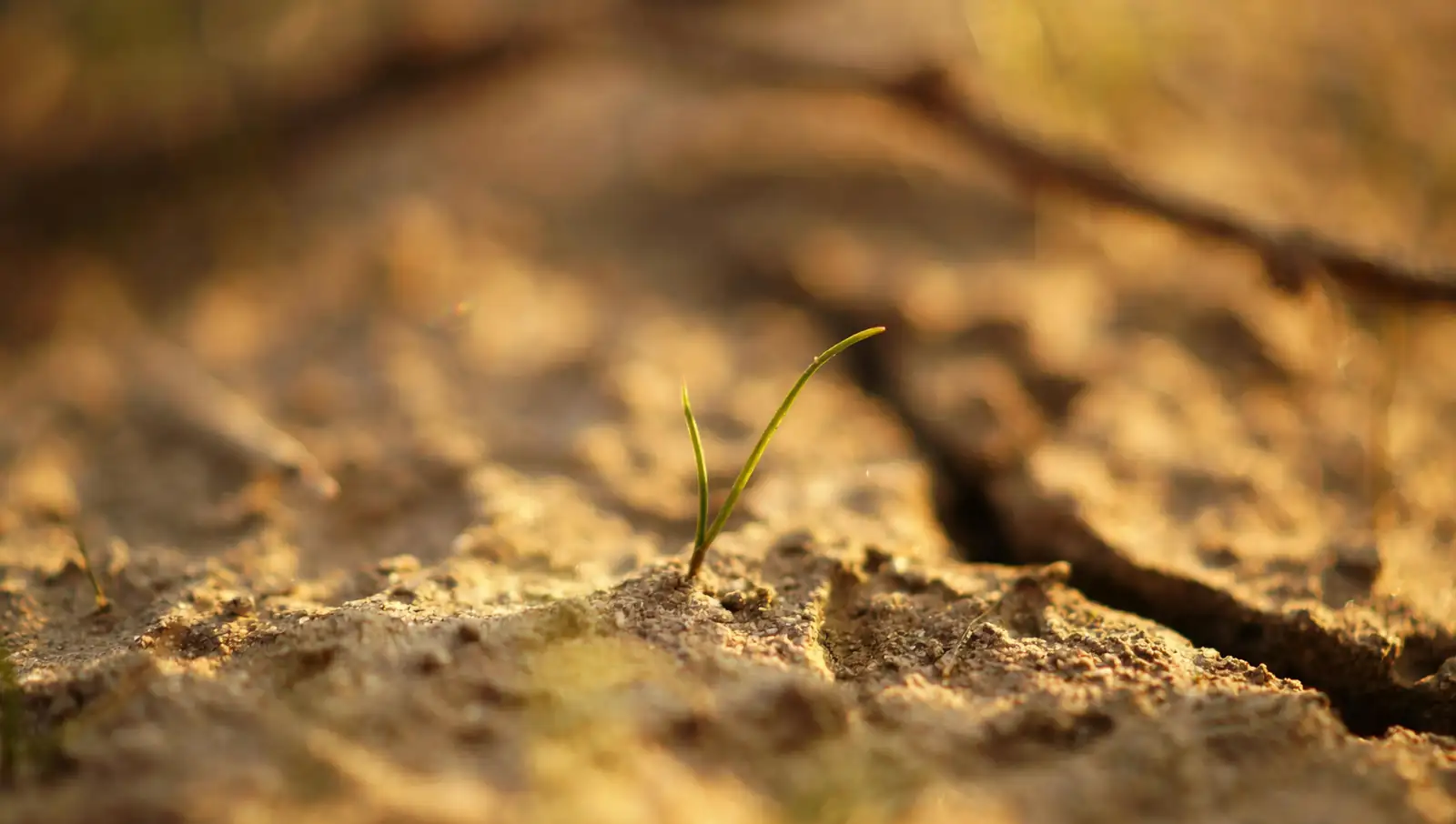
Plants that have outgrown their pots can exhibit stress through yellow leaves. When roots are too compacted, they can’t function properly.
Solution:
- Check if your plant is pot-bound by gently removing it from its pot.
- If roots are tightly packed, repot into a larger container with fresh soil.

The Light Factor
Light levels can also influence leaf color. Too much light can bleach leaves, while too little can cause yellowing due to inadequate photosynthesis.
Solution:
- Adjust your plant’s location based on its light needs. For instance, a fiddle leaf fig loves bright, indirect light, while a snake plant can tolerate low light.
- If unsure, move your plant gradually to different spots and observe its response.
Nutrient Deficiencies
Sometimes, yellow leaves signal a lack of essential nutrients like nitrogen, iron, or magnesium.
Solution:
- Use a balanced, water-soluble fertilizer according to package instructions.
- Ensure the soil pH is suitable for your plant type, as inappropriate pH can hinder nutrient uptake.
Old Age and Natural Shedding
Sometimes, a few yellow leaves are just a part of your plant’s natural cycle, especially if they appear at the base and new growth is healthy.
Solution:
- Simply prune the yellow leaves to keep your plant looking fresh and encourage new growth.
Quick Tips to Prevent Yellow Leaves
- Regularly inspect your plant for signs of pests or disease.
- Ensure good air circulation and avoid placing plants in drafty areas.
- Keep a watering schedule but remain flexible—plants’ needs can change with the seasons.
By understanding the signals your plants are sending and taking these corrective actions, you’ll help them thrive. Remember, a plant’s journey to recovery can take time, so patience is key. Happy gardening! 🌿


