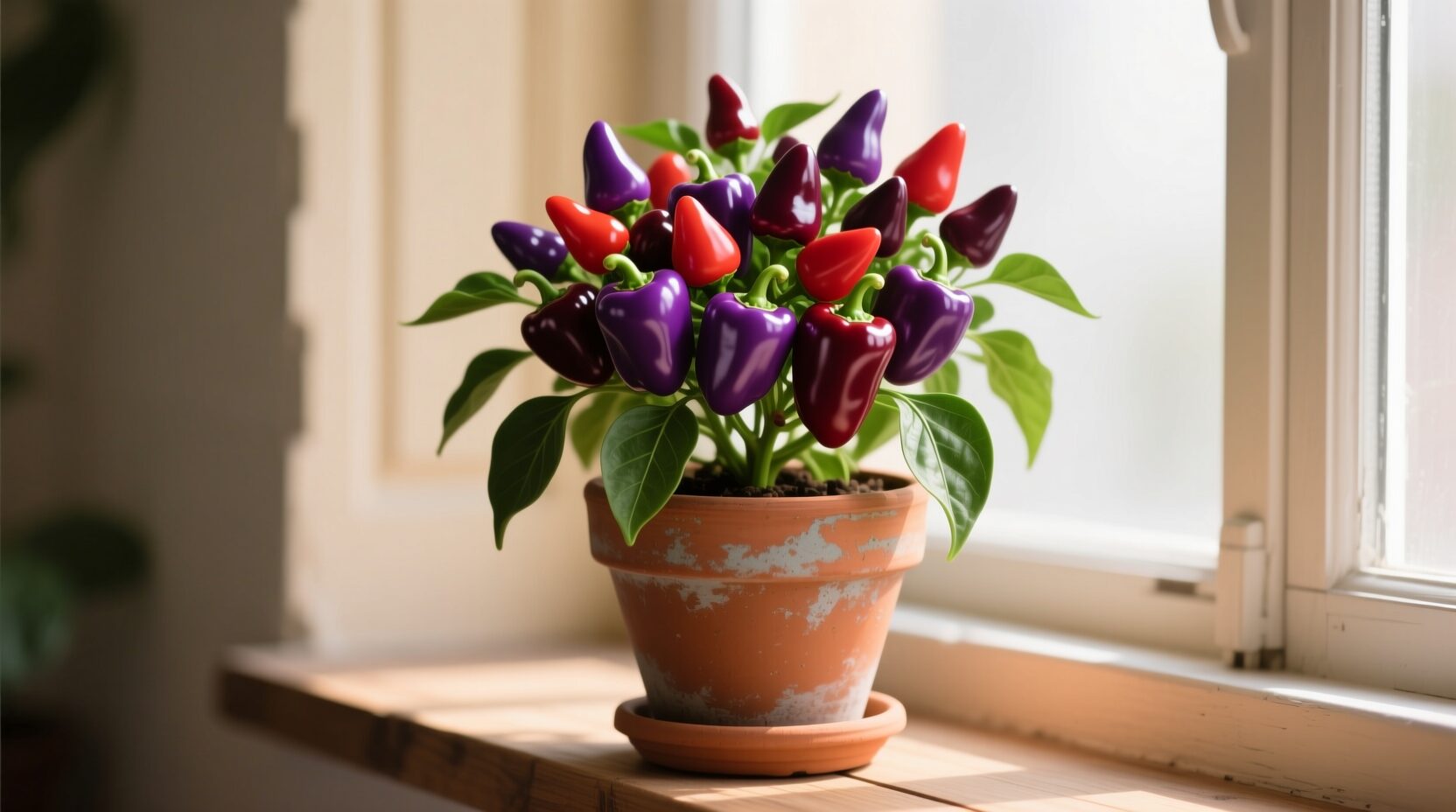
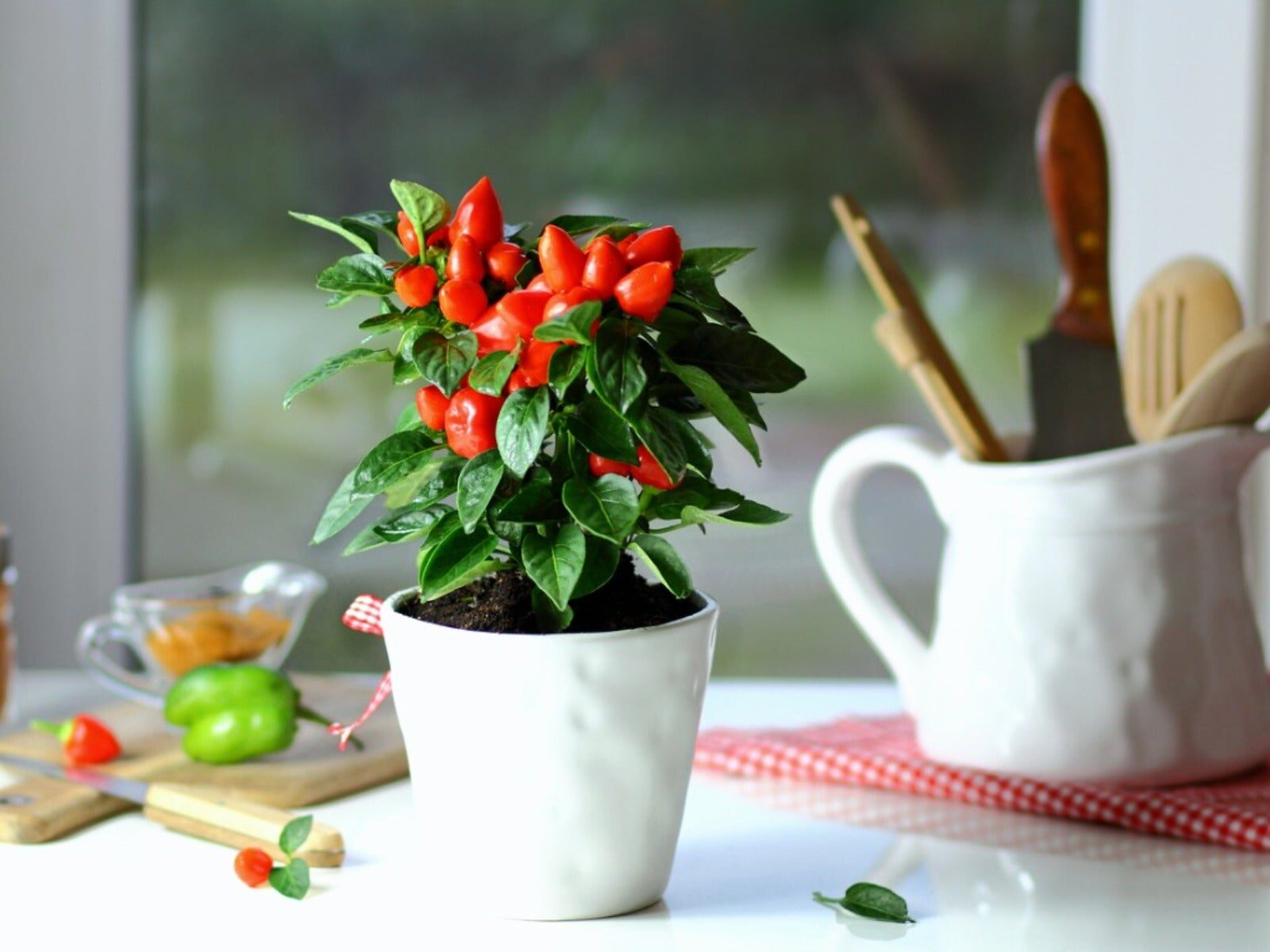
Think of ornamental pepper (Capsicum annuum) as living confetti: a compact, bushy plant that hoists glossy little “candles” in greens that blush to yellow, orange, red, and sometimes purple—all at once. When that show falters—buds drop, tiny fruits abort, leaves crisp at the edges—the fix is usually fast once you zero in on the culprit. Use this troubleshooting guide to restore the fireworks, then keep pests and fruit-spotting diseases at bay with simple rinses, better airflow, and gentle, effective soaps and oils.
Ornamental Pepper at a Glance (for fast success)
- Light: Full sun to very bright light; aim for 6–8 hours of direct sun. Low light = leggy growth and fewer, smaller fruits.
- Temperature: Loves warmth, best at 21–25°C (70–77°F). Above 30°C (86°F), growth and fruit set can stall; below 10°C (50°F), growth stops.
- Water: Keep evenly moist. Water when the top 2–3 cm (0.8–1.2 in) feels dry. In bright warmth, that’s often about every ~3 days—never bone-dry or soggy.
- Air: Moderate humidity, steady airflow. Hot, dry air plus drought causes blossom and young-fruit drop.
- Soil: Fertile, well-drained potting mix (add 10–30% perlite or coarse sand). Good drainage holes are nonnegotiable.
- Feeding: Weekly April–August with a balanced fertilizer; after fruit set, add 1–2 feeds higher in P/K to support the display.
- Safety: Fruits are edible but often extremely hot—handle with care and keep away from children and pets.
- Placement tip: Keep away from bowls of ripening fruit; ethylene gas encourages flower/fruit drop.
—
The Big Four Culprits Behind Flower and Fruit Drop (and how to fix them fast)
1) Insufficient light
- What you’ll see:
- Stretchy, leggy stems and a thin canopy.
- Sparse flowering and small or few fruits.
- Rapid response:
- Move to your brightest window (east, south, or west) or a sunny balcony/patio.
- Supplement with a grow light if you can’t get 6–8 hours of direct sun; place it close enough for strong brightness (but not hot).
- Rotate the pot weekly and lightly thin crowded interior leaves so light reaches flower sites.
- Prevention:
- Treat this plant like a sun-lover—full sun is where the pepper parade happens.
2) Hot, dry air
- What you’ll see:
- Blossoms and pea-sized fruits suddenly dropping.
- Crisped leaf edges, midday flagging, and a “tired” look even when watered.
- Spider mites often hitch a ride on hot, dry air.
- Rapid response:
- Keep temps in the 21–25°C (70–77°F) sweet spot; avoid blasting heater vents and hot windows where leaves scorch.
- Raise humidity modestly (a pebble tray or occasional morning mist in very dry rooms), but don’t leave foliage wet overnight.
- Increase airflow with an oscillating fan on low, not a gale.
- Prevention:
- Warmth plus moderate humidity and steady moisture is your fruit-retention trifecta.
3) Uneven watering
- What you’ll see:
- Wilting/rehydrating cycles, then bud and young-fruit drop.
- Soil shrinking from the pot’s sides; fruits may wrinkle or size down.
- Rapid response:
- Water thoroughly until excess drains; empty the saucer. Then water again when the top 2–3 cm is dry.
- In strong light and warmth, expect a rhythm of roughly every ~3 days—adjust for your pot size and conditions.
- If the mix stays wet too long, improve drainage (repot with added perlite/coarse sand) and confirm the pot isn’t oversized.
- Prevention:
- Aim for “evenly moist,” never bone-dry or waterlogged.
4) Ethylene exposure (the invisible fruit-dropper)
- What you’ll see:
- Blossoms and small fruits mysteriously drop, even when care seems good.
- Rapid response:
- Move the plant away from ripening fruit bowls (apples, bananas, tomatoes) and poorly ventilated kitchens.
- Prevention:
- Give your pepper its own well-ventilated stage, separate from ripening produce.
—
Rapid Responses to Tiny Troublemakers
Aphids (honeydew-makers that invite ants)
- Spot the signs:
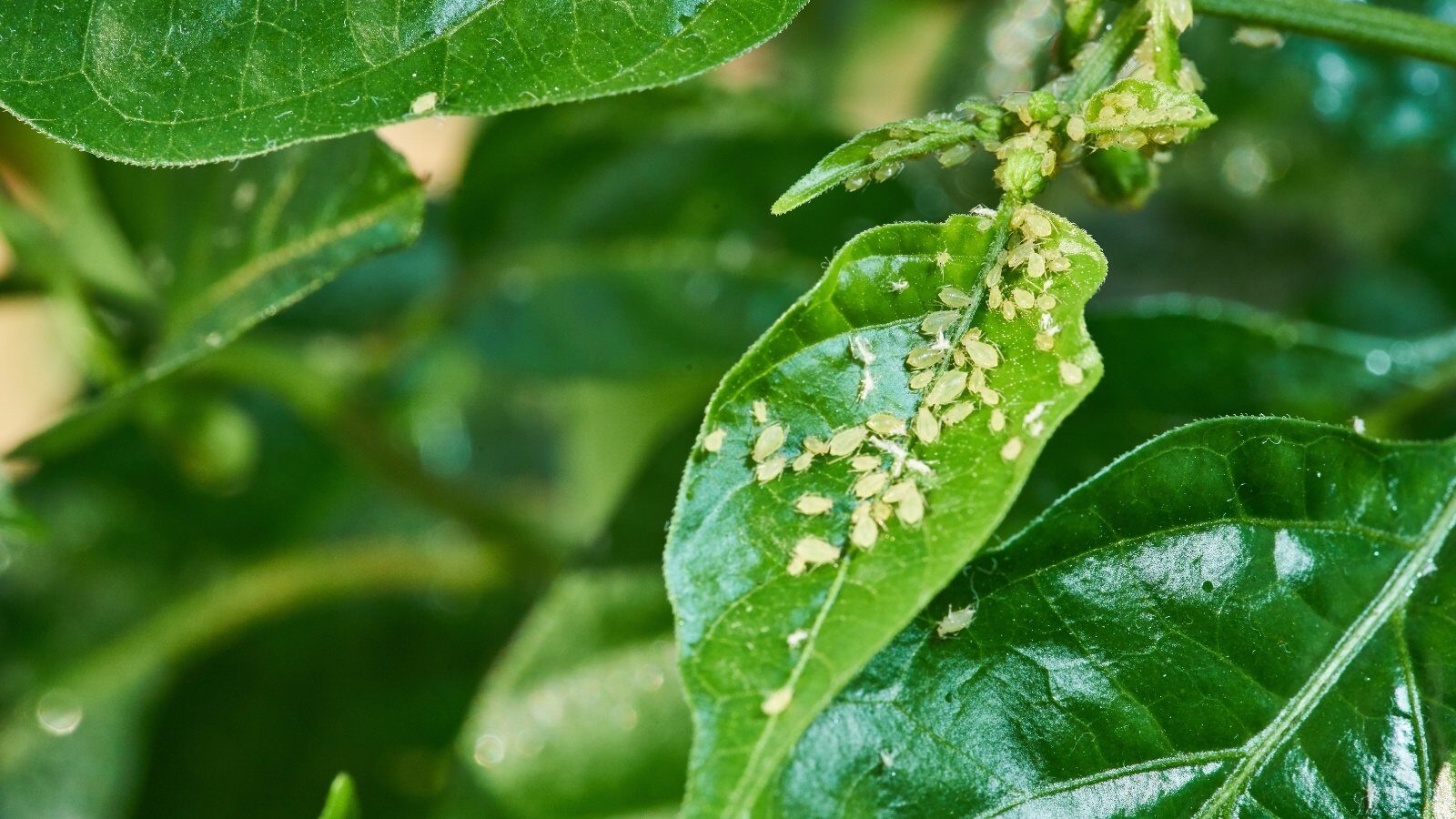
- Clusters on tender stems and undersides of leaves; sticky honeydew; ants farming the scene.
- Distorted new growth and yellow stippling along leaf veins. Viewing leaves against the light can make aphids cast a telltale shadow.
- Fast fix (in order):
1) Rinse: Take the plant to a sink or outdoors and spray a strong, thorough stream of water—especially the undersides of leaves and growing tips. Repeat every few days until clear.
2) Airflow: Thin a few crowded interior leaves and add gentle circulation so surfaces dry promptly.
3) Soap or oil: Apply insecticidal soap or horticultural oil, coating tops and bottoms of leaves and stems. Avoid spraying in harsh midday sun or directly on flowers. Test-spray a leaf first, then reapply in 5–7 days if needed per label.
4) Clean-up: Wipe away honeydew and isolate infested plants to prevent spread.
- Why urgency matters:
- Aphids multiply fast—treat promptly before they sap energy and stunt fruiting.
Spider mites (love heat and dryness)
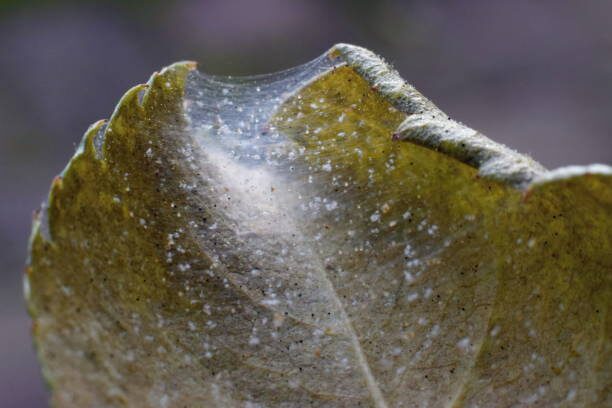
- Spot the signs:
- Fine, silky webbing; leaves look dusty or “sand-speckled” with yellow stippling; overall plant looks tired even when watered.
- Fast fix:
1) Rinse repeatedly: Emphasize the undersides of leaves. Several sessions over 1–2 weeks help break their cycle.
2) Tweak the climate: Step away from hot, dry vents; raise humidity modestly and keep air moving.
3) Soap or oil: Use insecticidal soap or horticultural oil as labeled; reapply at 7–10 day intervals until stippling stops and no new webbing appears.
4) Monitor: Check with a hand lens if you have one; new growth should emerge clean and glossy.
Anthracnose and other fruit spotting/rot
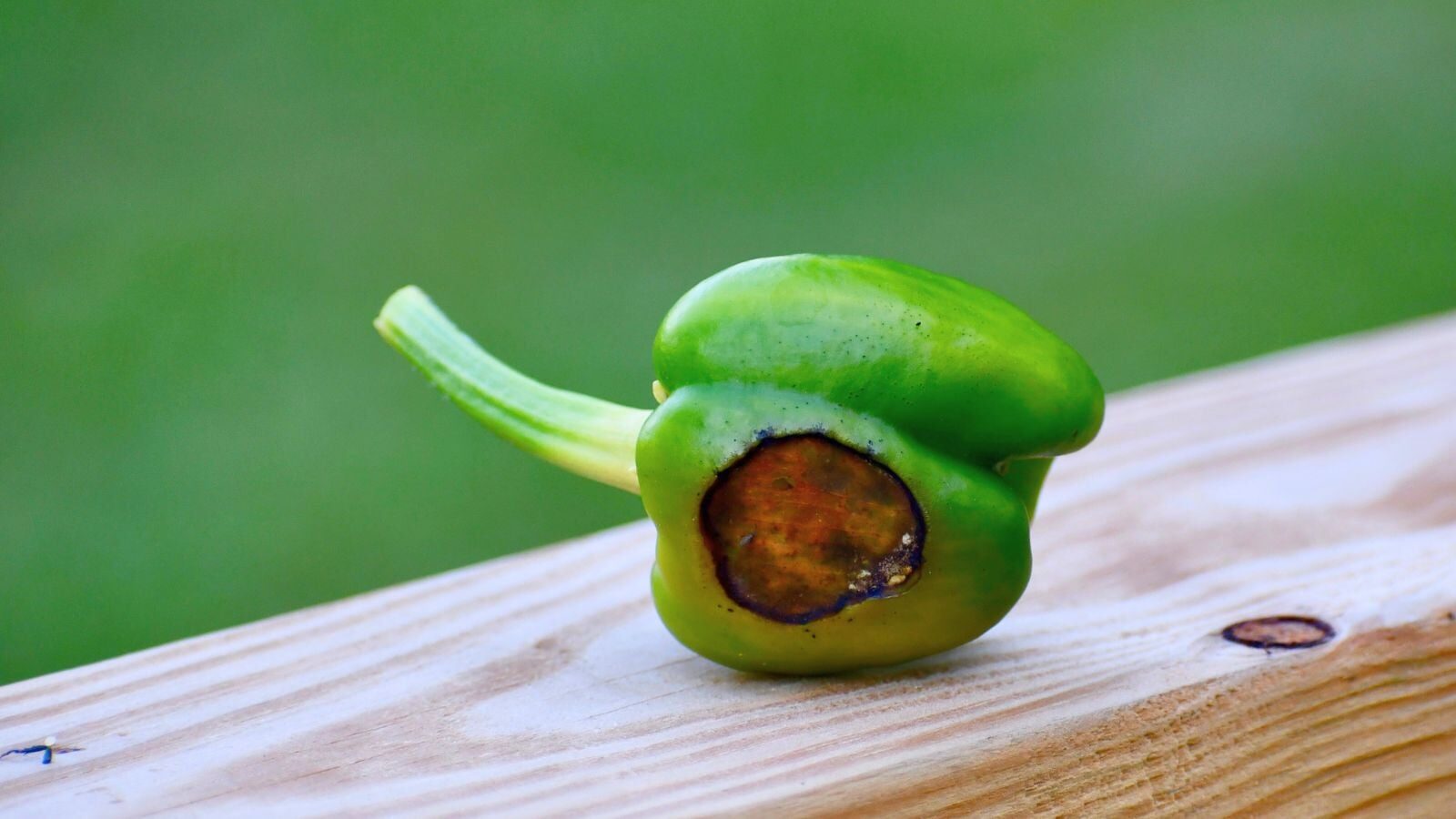
- Spot the signs:
- Small, water-soaked flecks on fruits that expand into sunken, dark lesions; spots may coalesce. Leaves or peppers that stay damp are at higher risk.
- Fast fix:
- Remove and discard all affected fruits and leaves (don’t compost if you’re unsure).
- Water the soil, not the canopy; avoid wetting foliage late in the day.
- Increase ventilation and lightly thin crowded foliage so leaves and fruits dry quickly.
- Sanitize tools, space plants from neighbors, and harvest ripe fruits promptly to reduce inoculum.
- Ongoing prevention:
- Keep the canopy bright, airy, and fast-drying. Good drainage and no lingering leaf wetness are your best allies.
—
A Week-in, Week-out Care Rhythm to Keep the Show Glowing
- Daily-ish light check: Is your plant getting 6–8 hours of direct sun? If not, scoot closer to the glass or add a grow light.
- Moisture check: Press a finger into the top 2–3 cm; water thoroughly when it’s dry at that depth, then empty saucers.
- Feed for performance: From April to August, use a balanced fertilizer weekly at label rates. After fruit set, add 1–2 feeds higher in phosphorus and potassium to support flowering and fruit development.
- Temperature sweet spot: Keep it warm (21–25°C / 70–77°F). Shield from chills below 10°C (50°F) and from scorcher air above 30°C (86°F).
- Air and spacing: Use a small fan on low and thin a few interior leaves for light and airflow.
- Pot and mix: A 12–15 cm (4.7–5.9 in) pot with a fertile, fast-draining mix (plus 10–30% perlite/coarse sand) keeps roots happy. Avoid oversized pots that stay wet.
- Safety moment: Fruits are technically edible but can be extremely hot; capsaicin can burn eyes, mouths, and broken skin. Handle carefully and keep out of reach of kids and pets.
- Placement reminder: Keep away from ripening produce that emits ethylene.
—
If You’re Starting from Seed (or refreshing a tired plant)
- Timing and warmth: Sow indoors in late winter to early spring, 1 cm (0.4 in) deep; keep at 25–30°C (77–86°F) for sprouting in about 3–5 days.
- Transplant: Pot up when seedlings have 8–10 true leaves.
- Pinch and shape: Pinch tips 2–3 times early for a fuller, branching plant; later, thin crowded foliage lightly.
- Expectation-setting: Under good light and warmth, you’ll see a showy fruit display in about 60–90 days from sowing.
—
Quick Troubleshooting Cheatsheet
- Fruit or flowers dropping:
- Not enough sun; hot, dry air; uneven watering; ethylene exposure.
- Leggy growth, sparse fruits:
- Increase direct sun; thin interior leaves; consider a grow light.
- Tiny pests and sticky leaves:
- Aphids—rinse, improve airflow, then insecticidal soap/horticultural oil; repeat.
- Dusty leaves, fine webbing:
- Spider mites—rinse repeatedly, raise humidity modestly, then soap/oil as needed.
- Sunken dark spots on fruits:
- Likely anthracnose—remove affected parts, avoid wet foliage late day, increase ventilation.
—
A note on meaning and mood
Ornamental peppers are festive by nature: many varieties color-shift in waves, so you get a chorus of hues at once—like confetti that never hits the floor. In the loose “language of flowers,” peppers often stand for warmth, vitality, and exuberance. That’s less an ancient decree and more a modern read of what the plant broadcasts visually: compact energy, bright color, and the promise of heat. Put one on a winter windowsill and it’s hard not to feel the room perk up.
Give Capsicum annuum strong light, steady moisture, and a breath of moving air, and it will return the favor with a months-long color show. And if trouble knocks? Now you know exactly how to answer the door.