

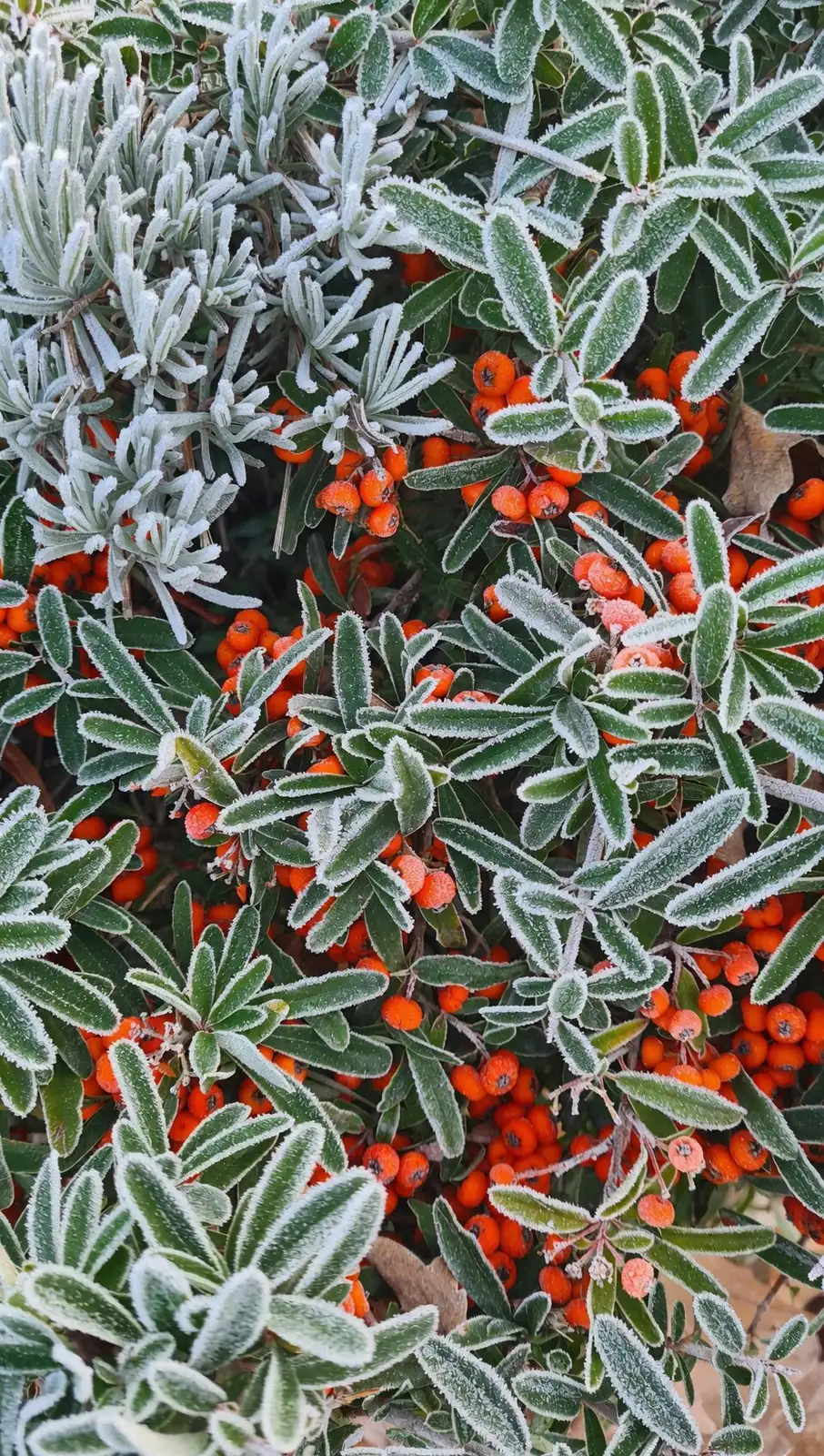
Think of Jerusalem cherry (Solanum pseudocapsicum) as a tiny, evergreen fireworks display that peaks in winter. When it’s happy, it holds clusters of glossy berries that blush from green to orange to coral-red and keep their color for weeks. When it’s not? Leaves and berries drop, and pests or spots may appear seemingly overnight. Use this fast diagnostic guide to match symptoms to causes—and fix them today.
Meet Jerusalem Cherry at a Glance
- Identity: Solanum pseudocapsicum, an evergreen, compact subshrub in the nightshade family (Solanaceae)
- Look: Dense, leafy stems; narrow-oval, medium-green leaves; small starry white flowers in autumn followed by showy winter berries
- Size: 30–60 cm tall, 30–45 cm wide; often grown in 10–15 cm pots
- Personality: Warm-loving, tolerates partial shade but craves bright light; frost-tender; commonly kept 1–2 years for peak fruiting display
- Big note: Toxic if eaten—especially the berries. Keep away from children and pets.
The 60‑Second Triage: Symptom → Likely Cause → Do This Now
1) Sudden leaf drop and berries falling
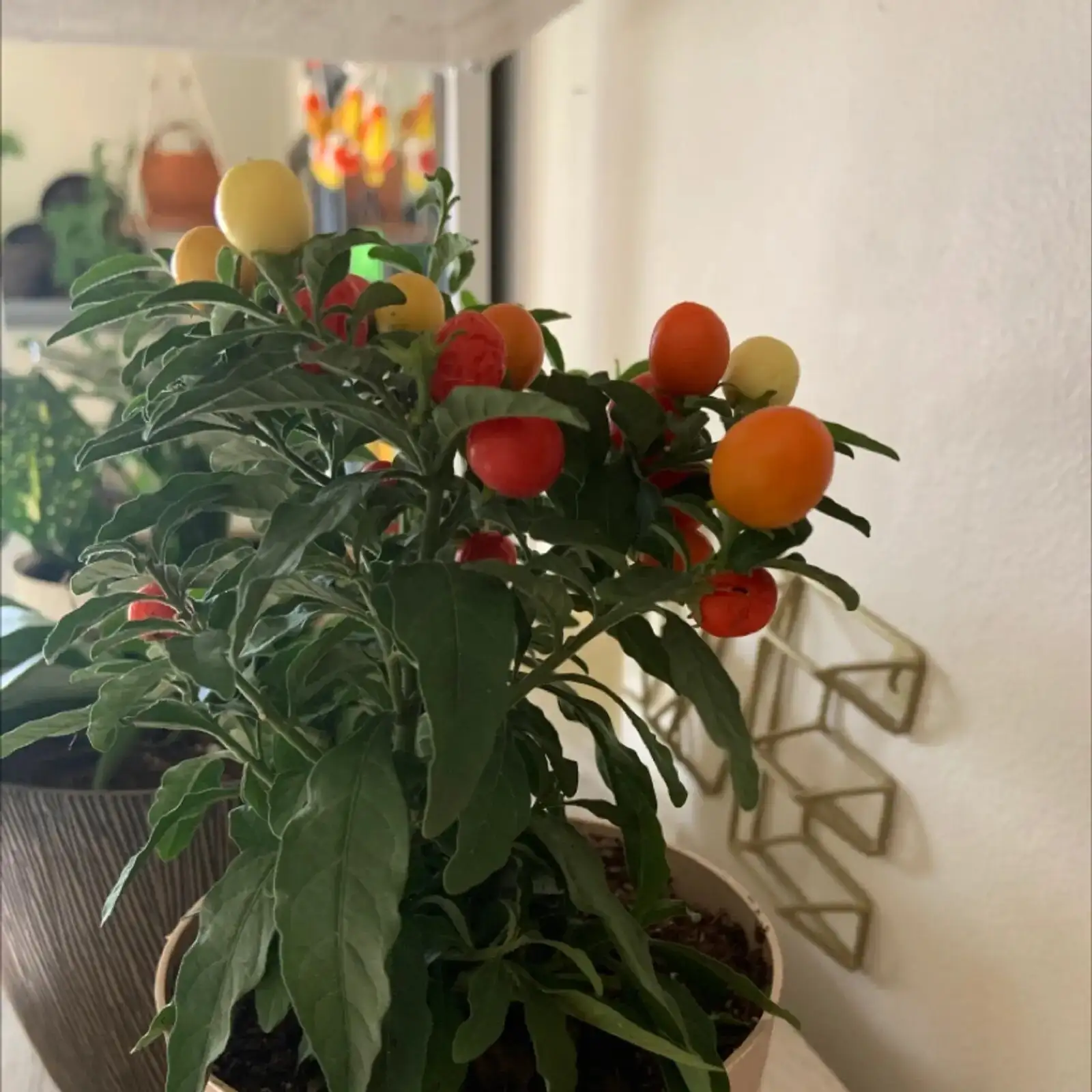
- Likely cause: Low light after purchase; cold drafts or temperature swings; or wet, cold soil.
- Fix today:
- Move to very bright light (east or south window; warm, sunny balcony if weather is mild).
- Keep above 8–10°C (46–50°F) in winter; park it away from drafty doors/windows or radiator blasts.
- Water only when the top 2–3 cm of mix dries; never leave the pot sitting in runoff.
- In cool, dim spells, “less is more”: slightly dry is safer than soggy.
2) Pale, stretched (leggy) growth; few new berries
- Likely cause: Insufficient light.
- Fix today:
- Upgrade to brighter exposure or supplement with a grow light for 10–12 hours/day.
- Rotate the pot weekly so growth evens out.
- Pinch tips once on young plants (10–15 cm tall) to encourage bushiness.
3) Lower leaves yellowing; soil feels heavy or sour
- Likely cause: Overwatering or poor drainage.
- Fix today:
- Let the surface dry to your second knuckle before watering.
- Check drainage holes; if roots are waterlogged, slip the plant from its pot, trim any mushy roots, and repot into a rich, free‑draining mix (loam-based with peat/coco plus coarse sand or perlite).
- Avoid the “drought then drench” cycle—aim for steady, light moisture.
4) Soft, spotted or molding berries
- Likely cause: Wet foliage/fruit and stagnant air.
- Fix today:
- Snip off damaged berries and any touched-by-mold leaves; discard in the trash.
- Water at soil level; do not splash or mist the berries.
- Improve airflow (a gentle fan nearby) and avoid crowding against curtains or walls.
- Keep the mix just slightly on the dry side during the fruiting display.
5) Flowers abort; fruit set is poor
- Likely cause: Too little light and/or too much water during bloom.
- Fix today:
- Give maximum brightness.
- During flowering, water a notch less to encourage fruit set; resume light-but-steady moisture once berries form.
Today’s Pest and Disease Playbook
Whiteflies, leaf spot, and anthracnose love cool, still, damp conditions—exactly what Jerusalem cherry hates. Here’s how to break that cycle right now.
Whiteflies
- Spot the problem:
- Tiny, moth-like white insects that fly up when you brush the plant; sticky honeydew on leaves.
- Act today:
1) Isolate the plant immediately.
2) Place yellow sticky cards at canopy height to trap adults.
3) Treat the undersides of leaves with insecticidal soap or horticultural oil, following the label. Apply in the evening; avoid coating the berries if possible.
4) Repeat every 5–7 days for 2–3 cycles to catch newly hatched nymphs.
5) Boost conditions: very bright light, steady warmth, and a light breeze—whiteflies dislike turbulence.
- Pro tip: Check nearby houseplants and treat them too if needed. Clean windowsills and pots to remove honeydew.
Leaf Spot (general fungal leaf spotting)
- Spot the problem:
- Small round to irregular brown spots on leaves; worse where foliage stays wet; may coalesce in humid, still air.
- Act today:
1) Prune off spotted leaves; bag and trash (do not compost).
2) Stop wetting foliage/berries—water at soil level only.
3) Increase airflow (space plants; use a small fan).
4) Keep the mix slightly drier and avoid cold conditions.
5) Sanitize shears with alcohol between cuts.
- If severe: Consider a houseplant-safe fungicide labeled for leaf spots on ornamentals, and follow the label carefully. Cultural fixes (dry foliage + airflow) remain essential.
Anthracnose
- Spot the problem:
- Sunken, tan-to-brown lesions with darker centers on leaves or fruit; spreads fast in cool, moist, breezy-but-stagnant indoor corners.
- Act today:
1) Remove and discard all visibly affected leaves/berries.
2) Improve airflow and light; avoid crowding and wet foliage.
3) Water early in the day at the soil surface; keep berries dry.
4) Clean tools and the pot rim; wipe surfaces to remove spores.
5) Optional in stubborn cases: Use a fungicide labeled for anthracnose on ornamentals and follow the label. Always pair with the cultural steps above.
Conditions That Keep Berries Blazing
- Light:
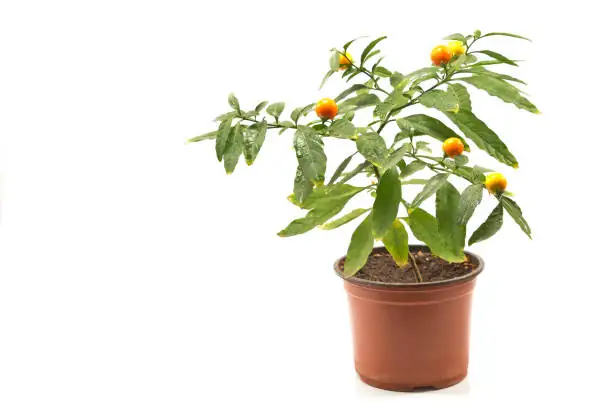
- Best: bright light to full sun. Indoors, an east or south window is ideal. Outdoors in warm seasons, give sun with shelter from harsh wind and heavy rain.
- Temperature:
- Target 20–25°C (68–77°F). In winter, keep above 8–10°C (46–50°F) and avoid drafts or sudden swings to prevent leaf/berry drop.
- Watering rhythm:
- Active growth: water thoroughly when the top 2–3 cm (about 1 in) dries.
- Flowering (autumn): trim watering slightly to encourage fruit set.
- Fruiting (winter display): keep the mix just slightly dry—never waterlogged. In cool, cloudy weather, watering every 4–5 days is often enough; adjust to your conditions. Don’t splash the berries.
- Soil and potting:
- Use a rich but fast-draining mix: loam-based with peat/coco plus coarse sand or perlite. Keep slightly pot-bound in a 10–15 cm pot for a compact look.
- Feeding:
- Every 2 weeks in active growth with balanced fertilizer. As buds/flowers appear in autumn, add 1–2 extra feeds higher in P/K (e.g., ~15-15-30) to support flowering and fruiting.
- Pruning:
- Pinch once at 10–15 cm tall to promote branching. After the winter display, cut back older plants; fresh shoots often form and may flower/fruit again with excellent light.
- Propagation:
- Seeds: sow in spring; germinates in about 10–12 days at 18–20°C.
- Cuttings: summer semi-ripe tip cuttings (~10 cm) root in 2–3 weeks in warm, humid conditions.
Safety First
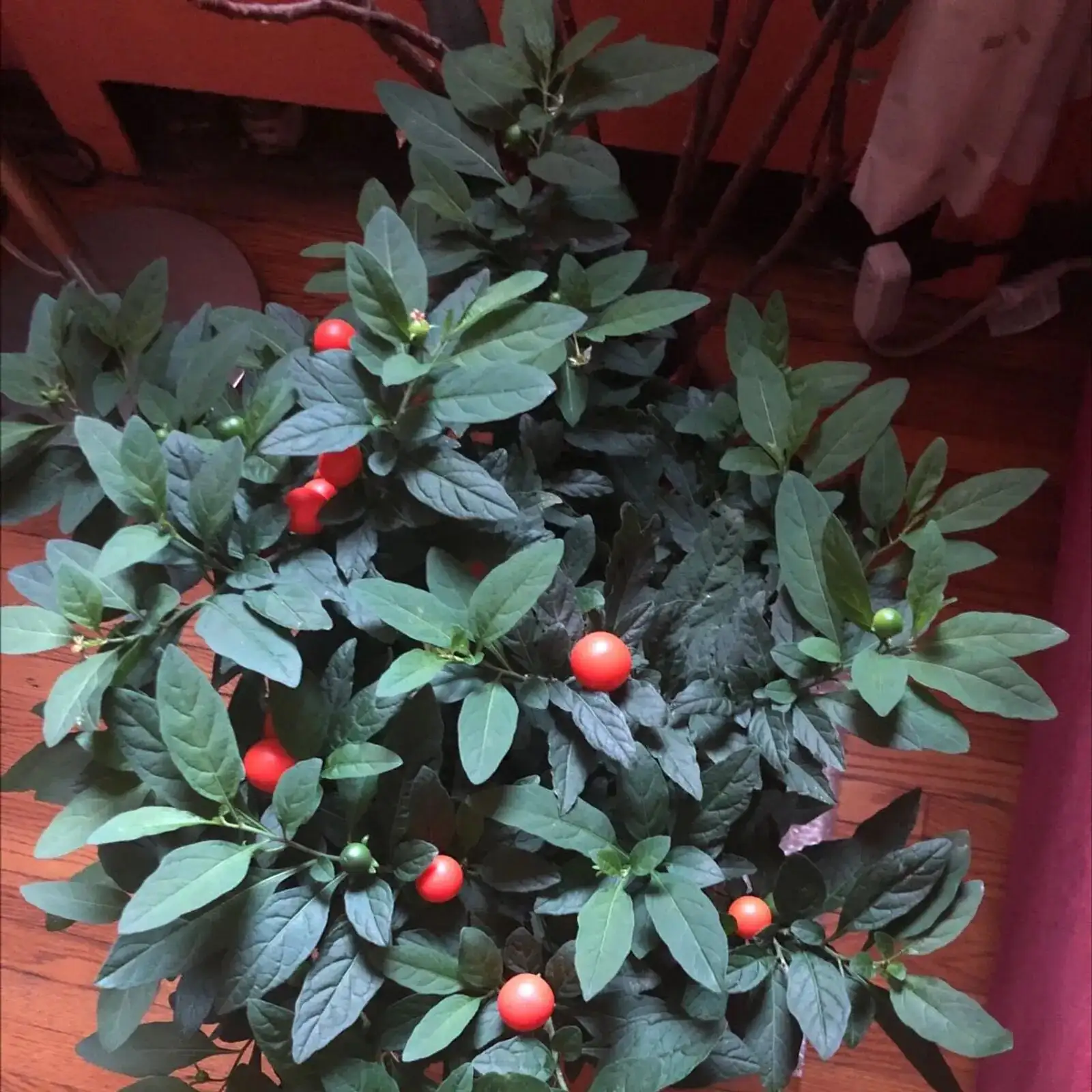
- All parts, especially the berries, are toxic if ingested. Keep out of reach of children and pets, and avoid placing bowls of fruit nearby that could invite confusion.
Quick Buying and Arrival Checklist
- Choose a compact, dense plant with glossy, even-sized berries; avoid yellowing foliage and any soft or bruised fruit.
- Transport gently—ripe fruit can drop with a jolt.
- On arrival: place immediately in very bright light; water carefully at soil level; keep the mix slightly on the dry side; avoid abrupt temperature changes.
A One‑Week Rescue Plan (if your plant is struggling)
- Day 1: Move to brighter light; stabilize temperature; check drainage; remove bad berries/leaves; set a fan to low.
- Day 2: Sticky cards for whiteflies; first soap/oil treatment if pests present.
- Day 3–4: Water only if top 2–3 cm are dry. No misting; no splashing berries.
- Day 5: Reassess pests; repeat treatment if needed. Sanitize surfaces/tools.
- Day 6–7: Light feed if in active growth; hold fertilizer if the plant is weak or waterlogged. Maintain bright light and gentle airflow.
Symbolism and a Tiny Myth-Bust
- Symbolism: With its glowing winter berries, Jerusalem cherry is often gifted as a symbol of cheer and “good luck” during the darker months—a living ornament for the windowsill.
- Not a cherry: Despite the nickname “Christmas/Jerusalem cherry,” it’s a nightshade, not a true cherry. Admire the fruits—don’t taste them.
When in doubt, remember the trio that keeps this plant pristine: strong light, steady warmth, and dry berries. Nail those, and your coral-red clusters will shine right through winter.