

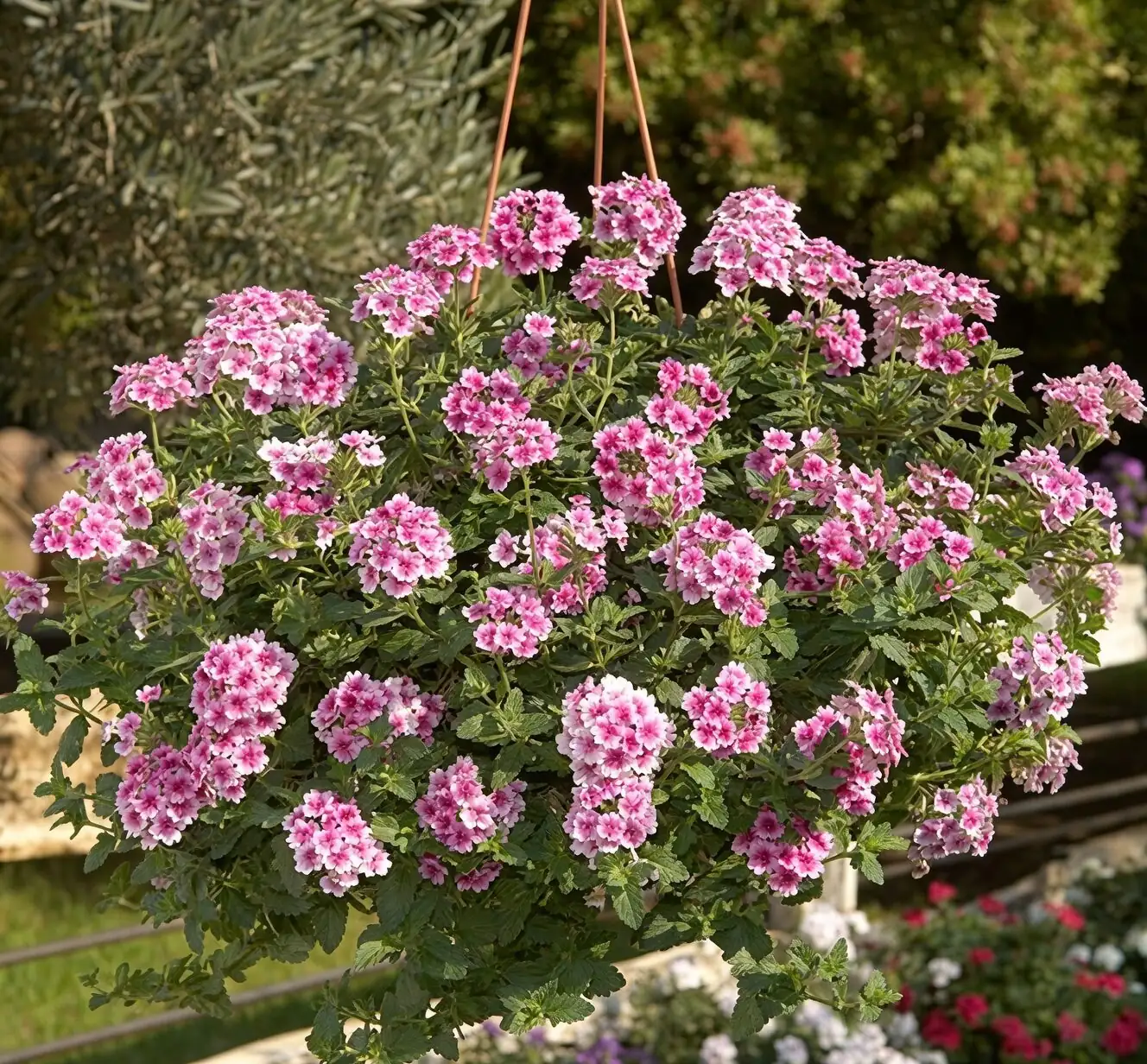
Garden verbena (Verbena × hybrida) is all about color and continuity—compact mounds topped with confetti-like flower clusters from summer into fall. But when leaves start dusting over or freckling with blotches, it’s time to play plant detective. Here’s your quick ID guide to powdery vs. downy mildew, how to prevent both with simple daily habits, and a clear rescue plan—right down to a day-by-day timeline—plus safe, gentle products that work.
Meet Garden Verbena at a Glance
- Names: Garden Verbena, Bedding/Hybrid Verbena (Verbena × hybrida), family Verbenaceae
- Origin: South America; widely bred as a garden hybrid
- Size and habit: 15–30 cm tall, 30–60 cm spread; clump-forming, branching, gently spreading
- Sun and soil: Full sun (6+ hours) and a loose, well‑drained mix; avoid waterlogging
- Watering rhythm:
- Spring: about twice weekly, evenly moist but never soggy
- Summer: water deeply when the surface dries; never leave pots sitting in water
- Fall: keep slightly moist to extend bloom
- Winter indoors: brightest light; keep soil lightly moist
- Bloom: Summer through fall (deadheading spent clusters keeps new waves coming)
- Pruning: Pinch early to encourage branching; cut back by 1/3–1/2 if leggy; use healthy trimmings as cuttings
- Conditions to avoid: Stagnant, humid corners and frequent overhead watering late in the day (invites mildew)
Powdery vs. Downy Mildew: The 30‑Second ID
Think “where’s the fuzz?” and “what’s the weather?”
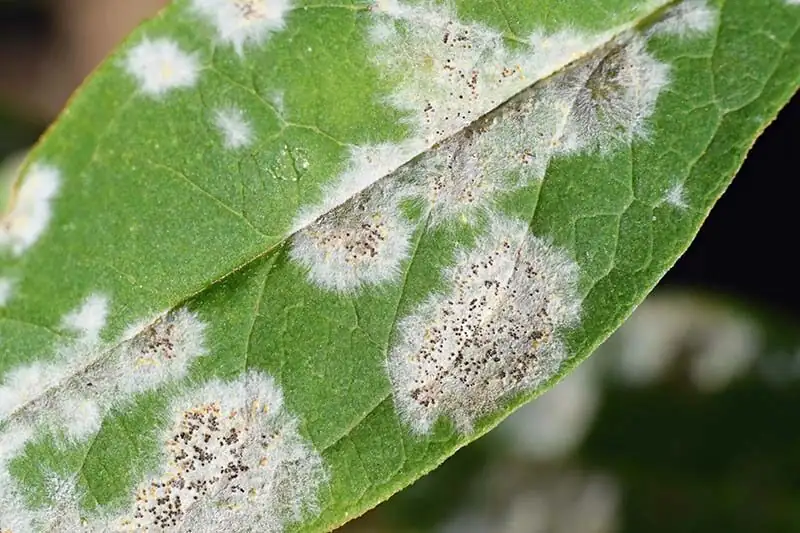
Powdery Mildew (dry-dusting culprit)
- Look:
- White to gray, talc-like coating on leaf tops, stems, even buds
- Starts as small spots, can merge into a chalky film
- Feel: Wipes off with a finger, like flour on a countertop
- Pattern: Often begins on crowded, shaded interior growth
- Weather trigger: Warm days, cool nights; high humidity helps, but leaf wetness isn’t required
- Leaf response: Leaves may yellow and distort; severe cases cause premature drop
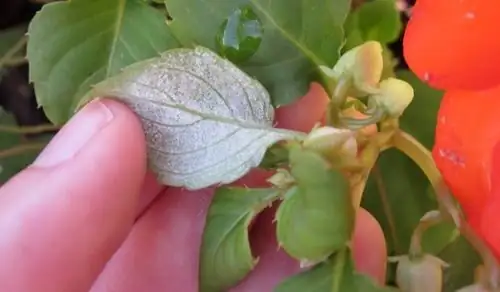
Downy Mildew (underside mold-maker)
- Look:
- Pale yellow to angular, vein-limited patches on the upper surface
- Flip the leaf in the morning: gray, purplish, or fuzzy down on the undersides
- Feel: Fuzz is mostly beneath the leaf; top looks mottled or oil-soaked
- Weather trigger: Cool, humid, still air; wet foliage favors outbreaks
- Leaf response: Curling/downward cupping; leaves may shrivel and fall
Quick test: If the “powder” is mostly on top and rubs off easily, think powdery mildew. If the top shows yellow/angular blotches and the underside carries the fuzz—especially after damp nights—think downy mildew.
Prevention: Daily Habits That Keep Verbena Blooming and Mildew at Bay
- Sun and spacing
- Full sun strengthens leaves and shortens internodes (less legginess, fewer infections)
- Space verbena so mature plants don’t touch; in containers, avoid foliage “canopies” that trap humidity
- For lush baskets: 20–25 cm diameter with ~5 seedlings; small pots (12–15 cm) with ~3 seedlings—ensure airflow above and around
- Water like a pro
- Water deeply at the soil line in the morning; let excess drain immediately
- Keep leaves dry; avoid late-day overhead watering
- Maintain steady moisture in heat waves—don’t swing from drought to drenching
- Air moves, mildew loses
- Place pots where breezes can pass freely; don’t jam baskets against walls or corners
- Pinch and thin dense interior stems to open the canopy
- Clean, feed, and groom
- Deadhead spent clusters promptly—prevents gray mold (Botrytis) and frees energy for rebloom
- Feed modestly with a balanced fertilizer (e.g., 20‑20‑20 at label strength) during active growth; avoid heavy nitrogen spurts
- Sanitize snips (1:4 bleach solution or 70% alcohol) between cuts if removing diseased tissue
- Bag and trash diseased leaves/flowers; do not compost
Rescue Tactics: What to Do When You See Symptoms
- Isolate and inspect
- Move the plant where air circulates; check both leaf surfaces with a hand lens if you have one.
- Prune smartly
- Remove the worst-infected leaves/stems first, especially in the interior.
- Bag prunings before moving away from the plant.
- Reset the environment
- Shift to maximum sun; create airflow on all sides.
- Switch to morning, soil-level watering only; keep surfaces dry.
- Choose a safe product (based on your diagnosis)
- Powdery mildew:
- Sulfur: time‑tested protectant; apply at label rate; avoid use during high heat; do not combine with or follow oil sprays closely.
- Potassium bicarbonate: knocks down existing colonies on contact; thorough coverage of both leaf sides is essential.
- Downy mildew:
- Focus on sanitation, airflow, and dry foliage. Remove affected leaves, thin the canopy, and keep mornings sunny and breezy.
- If pressure is high, consult locally labeled downy-mildew fungicides; always follow label guidance.
- Aphids/whiteflies riding along?
- Insecticidal soap: safe and effective on contact for soft-bodied pests. Coat leaf undersides and shoot tips; repeat as needed.
- Tip: Yellow sticky cards help monitor whiteflies; combine with soap for best results.
- Repeat and reassess
- Reapply products per label intervals until new growth stays clean; keep grooming and deadheading.
Quick Pest Check: Do I Have Aphids or Whiteflies Too?
- Aphids: Clusters on tender tips and buds; sticky honeydew; curled or puckered leaves.
- Whiteflies: Tiny white moth-like insects that flutter up when disturbed; sticky honeydew and sooty mold may follow.
- Action: Rinse pests off in the morning, then use insecticidal soap for follow-up; ensure coverage under leaves. Improve airflow and avoid overfertilizing with nitrogen (it invites soft, sappy growth pests love).
Day‑by‑Day Recovery Timeline
- Day 0 (Diagnosis + Triage)
- Confirm powdery vs. downy; isolate the plant.
- Prune heavily infected leaves/stems; bag and trash.
- Sanitize tools after each cut; move plant to full sun with airflow.
- Water at soil level; no wet leaves. Apply your selected product (sulfur or potassium bicarbonate for powdery; cultural controls for downy).
- Day 1–2 (Stabilize)
- Check early morning humidity traps—thin dense interior growth if needed.
- Wipe any benches/saucers; never leave pots standing in water.
- For pests, apply insecticidal soap in the morning; avoid spraying in midday heat.
- Day 3–4 (First Assessment)
- Powdery: colonies should look dulled or arrested; new leaves should emerge clean.
- Downy: fewer new yellow/angular patches; undersides show little to no fresh fuzz in the morning.
- If pressure persists, improve spacing further and increase sun exposure if possible.
- Day 5–7 (Reinforce)
- Powdery: reapply sulfur or potassium bicarbonate at label interval; continue pruning small problem spots.
- Downy: continue sanitation and dry‑leaf watering; thin canopy again if the interior feels humid.
- Maintain steady, not soggy, soil moisture.
- Days 8–14 (New Growth Watch)
- Expect tighter, greener new leaves. Deadhead spent blooms to redirect energy.
- Begin light feeding (balanced fertilizer at label strength) if growth slowed; avoid heavy nitrogen.
- Days 15–21 (Shape and Strengthen)
- If plants are leggy, cut back by 1/3 to spark bushy regrowth.
- Keep up morning watering, full sun, and airflow—your anti‑mildew trifecta.
- Days 22–30 (Back to Bloom)
- New flower clusters should form freely.
- Continue weekly checks under leaves; spot‑prune any suspicious tissue immediately.
- Maintain prevention habits to prevent rebounds.
Most verbena bounce back within 2–4 weeks once conditions favor the plant instead of the fungus.
Pro Moves for Containers, Baskets, and Beds
- Containers and baskets
- Potting mix: Quality, free‑draining soil with perlite/sand; drainage holes are non‑negotiable.
- Planting density: Small pots (12–15 cm) ≈ 3 seedlings; baskets (20–25 cm) ≈ 5 seedlings. Keep foliage slightly separated for airflow.
- Placement: Sunny, airy balcony edges; avoid pressed‑against walls or glass where moisture lingers.
- Beds and borders
- Space plants so mature foliage barely touches (generally 30–45 cm apart, depending on cultivar).
- Water at the base with soaker hoses or a wand; time irrigation for early morning.
- Mulch lightly to reduce splash, but keep mulch off stems.
When Heat or Cold Complicate Things
- Heat waves (>30°C/86°F): Bloom can pause; keep soil evenly moist and provide steady, not excessive, fertilizer. Shade for a few hours in extreme afternoons if possible.
- Chilly spells and frost: Many cultivars tolerate brief dips near -5°C (23°F), but garden verbena isn’t reliably frost‑hardy. Bring containers in before hard frost and overwinter bright and cool (about 12–16°C/54–61°F).
Safe Product Notes You’ll Be Glad You Knew
- Sulfur
- Great for powdery mildew prevention and light infections.
- Avoid application during high heat; do not apply close to oil-based sprays (check label intervals).
- Potassium bicarbonate
- Excellent contact option for powdery mildew; collapses existing colonies.
- Requires thorough coverage of both leaf surfaces; repeat per label.
- Insecticidal soap (aphids/whiteflies)
- Works on contact; spray undersides and growing tips.
- Apply in the morning; rinse or shade leaves if heat is intense to prevent leaf spotting.
- Always read and follow local labels and safety guidance; test any spray on a small section before full coverage.
Why This Matters for Color That Doesn’t Quit
Mildew loves stagnant, shaded, and damp-leaf situations. Verbena love sun, space, and a steady, soil-level drink. Align conditions with the plant’s preferences, and you flip the script from disease-prone to flower‑packed.
Flower Language: Togetherness with Real Roots
Garden verbena is widely associated with unity and togetherness—fitting for a plant that blooms in tight, rounded clusters where many small florets make a single showy dome. While “花语” traditions vary by culture and era, the enduring theme here is harmony at home and in community. Think of a pot brimming with mixed colors as a gentle nudge toward cohesion: individual blooms, one vibrant chorus.
Quick FAQ for Fast Fixes
- Stems long and leggy, flowers dull?
- Move to full sun, stop keeping soil constantly wet, and pinch back to encourage branching.
- Can I compost diseased leaves?
- Best not to. Bag and trash to avoid spreading spores.
- Is overhead watering ever okay?
- If you must rinse foliage, do it early morning so leaves dry quickly. Generally, water at the base.
Give verbena bright sun, brisk air, and morning moisture at the roots—and you’ll keep the “powder” in the pantry, not on your plants. With a little grooming and the right, gentle products, even a midseason mildew scare becomes just a short detour back to months of color.